

Aluminium vs uPVC Windows: A UK Homeowner's Guide
Choosing between aluminium and uPVC window frames for your UK home? Explore their pros, cons, energy efficiency, costs, and regulations in this detailed guide.

Shard Architectural Glazing
22 February 2026
Choosing between aluminium and uPVC window frames for your UK home? Explore their pros, cons, energy efficiency, costs, and regulations in this detailed guide.
📋In This Article
When undertaking a home improvement project in the UK, particularly involving windows and doors, one of the most significant decisions you'll face is the choice of frame material. The two dominant contenders in the market are aluminium and unplasticised polyvinyl chloride (uPVC). Both offer distinct advantages and considerations, and understanding these differences is crucial for making an informed decision that aligns with your home's aesthetics, budget, and performance requirements.
This comprehensive guide will delve into the technical specifications, practical implications, and regulatory aspects of both aluminium and uPVC frames, helping you navigate this important choice for your UK property.
Understanding uPVC Frames
uPVC has been a staple in the UK window market for decades, known for its affordability and low maintenance. It's a robust plastic material that is rigid and unplasticised, making it highly durable and resistant to weathering.
Key Characteristics of uPVC:
- Material Composition: uPVC is a type of plastic polymer. Its unplasticised nature means it doesn't contain phthalates, making it a stable and durable material.
- Manufacturing Process: uPVC frames are typically extruded, allowing for various profiles and chambers within the frame that contribute to their thermal performance.
- Appearance: Traditionally associated with white, uPVC is now available in a wide array of colours and woodgrain effects, often achieved through foiling or spraying.
- Maintenance: Extremely low maintenance, requiring just an occasional wipe down with soapy water.
Understanding Aluminium Frames
Aluminium has seen a resurgence in popularity, particularly for modern architectural designs and larger glazing installations. Its inherent strength and slim profiles make it a versatile choice.
Key Characteristics of Aluminium:
- Material Composition: Aluminium is a lightweight, strong, and corrosion-resistant metal. For window frames, it's typically an alloy to enhance specific properties.
- Manufacturing Process: Aluminium frames are also extruded, but their strength allows for much thinner sightlines compared to uPVC. They often incorporate a 'thermal break' – a non-conductive material – to prevent heat transfer, as aluminium is naturally a good conductor of heat.
- Appearance: Known for its sleek, contemporary look, aluminium can be powder-coated in virtually any RAL colour, offering extensive design flexibility. Its slim profiles maximise glass area.
- Maintenance: Like uPVC, aluminium is very low maintenance, requiring only periodic cleaning.
Performance Comparison: uPVC vs. Aluminium
Let's compare these two materials across several critical performance indicators relevant to UK homeowners.
1. Thermal Performance & Energy Efficiency
Energy efficiency is paramount, especially with rising energy costs and stringent Building Regulations. The thermal performance of a window is measured by its U-value (W/m²K), where a lower number indicates better insulation.
- uPVC: Naturally a good insulator due to its plastic composition and multi-chambered profiles. Modern uPVC frames can achieve excellent U-values, often meeting or exceeding current Building Regulations with ease.
- Aluminium: Historically, aluminium was criticised for being a poor insulator. However, significant advancements, particularly the widespread use of thermal breaks (polyamide strips inserted into the frame), have dramatically improved its thermal performance. High-quality aluminium frames with advanced thermal breaks can now achieve U-values comparable to, or even better than, uPVC.
Pro Tip
Always ask for the specific U-value of the entire window unit (frame and glass combined) rather than just the frame. For new build properties in England, the target U-value for windows is 1.2 W/m²K, and for replacement windows, it's 1.4 W/m²K (Building Regulations Part L 2022).
2. Durability & Lifespan
- uPVC: Highly durable and resistant to rot, rust, and corrosion. It can last 20-35 years, though some older uPVC might discolour or become brittle over time if not UV stabilised. Modern uPVC is much more resistant to these issues.
- Aluminium: Extremely durable and robust. It does not rust, rot, or warp. Aluminium frames are known for their exceptional longevity, often lasting 40-50 years or more, making them a very long-term investment. The powder coating finish is also highly resistant to fading and scratching.
3. Strength & Security
- uPVC: While strong, uPVC frames often require steel reinforcement within their profiles to enhance structural integrity, especially for larger openings. Modern uPVC windows incorporate multi-point locking systems for high security.
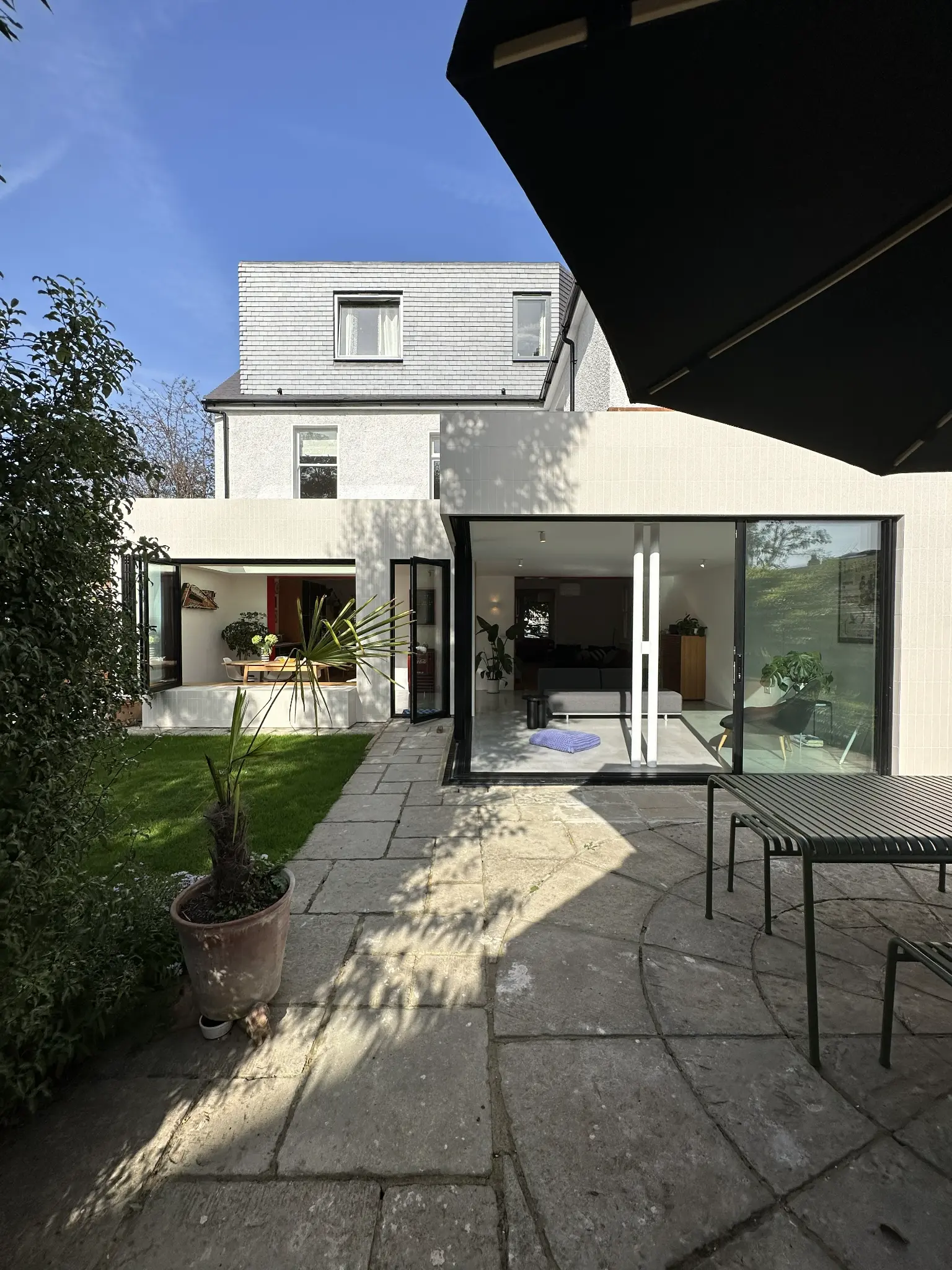
- Aluminium: Inherently strong and rigid. This allows for much slimmer frame profiles, maximising glass area and natural light, and making it ideal for large spans of glazing, such as bifold or sliding doors. Its strength also contributes to excellent security, especially when combined with high-security locking mechanisms.
4. Aesthetics & Design Flexibility
- uPVC: Available in a wide range of styles, colours, and finishes. While often associated with a more traditional look, contemporary uPVC designs are increasingly available. However, the frame profiles tend to be thicker than aluminium.
- Aluminium: Offers a sleek, minimalist, and contemporary aesthetic. Its strength allows for very slim sightlines, which are highly sought after in modern architecture. Available in virtually any RAL colour, including dual colours (different inside and out), and various finishes (matt, gloss, metallic). This offers unparalleled design freedom.
5. Cost
- uPVC: Generally the more affordable option upfront. Installation costs are also typically lower due to the material's lighter weight and ease of handling.
- Aluminium: Tends to be more expensive than uPVC, reflecting its premium material, manufacturing process, and enhanced performance characteristics. However, its longer lifespan and superior aesthetic appeal can offer better long-term value.

UK Building Regulations and Standards
Any replacement or new window installation in the UK must comply with relevant Building Regulations. The primary regulation governing windows is Part L (Conservation of Fuel and Power), which dictates thermal performance, and Part F (Ventilation), along with aspects of Part K (Protection from falling, collision and impact) and Part B (Fire Safety).
- Thermal Performance (Part L 2022, England): As mentioned, new windows in new builds must achieve a U-value of 1.2 W/m²K or better. For replacement windows, the requirement is 1.4 W/m²K or better. Both modern uPVC and aluminium frames can readily meet these requirements when specified with appropriate glazing (e.g., low-emissivity double or triple glazing).
- Ventilation (Part F): Windows often need to incorporate trickle vents to ensure adequate background ventilation, especially in existing properties or where mechanical ventilation is not present.
- Security (Part Q): While Part Q is specifically for new dwellings, it's good practice for replacement windows to meet or exceed its security standards, which often means compliance with PAS 24 (Publicly Available Specification for enhanced security performance). Both uPVC and aluminium windows can be manufactured to meet PAS 24.
It is always advisable to consult with your local Building Control body or a reputable installer to ensure your chosen windows comply with all current regulations applicable to your specific project and location within the UK.
Comparison Table: Aluminium vs. uPVC
| Feature | uPVC Frames | Aluminium Frames |
|---|---|---|
| Typical Cost (Upfront) | Lower | Higher |
| Thermal Performance (U-value) | Excellent (with multi-chambers) | Excellent (with thermal breaks) |
| Durability & Lifespan | 20-35 years; resistant to rot/rust | 40-50+ years; highly resistant to all elements |
| Strength | Good (often requires steel reinforcement) | Excellent (inherently strong) |
| Frame Profile/Sightlines | Thicker | Slimmer, minimalist |
| Aesthetics | Versatile, can mimic wood; classic/modern | Sleek, contemporary; ideal for large glazing |
| Maintenance | Very low | Very low |
| Colour Options | Good range (foiling/spraying) | Extensive (any RAL colour, dual colour) |
| Recyclability | Recyclable, but complex process | Highly and easily recyclable |
Thermal Efficiency
Both materials, when manufactured to modern standards, offer excellent thermal insulation, helping to reduce energy bills and improve home comfort.
Durability & Longevity
Aluminium boasts superior lifespan and strength, while uPVC provides robust, long-lasting performance with minimal upkeep.
Design Versatility
Aluminium excels in contemporary, slim-line designs and vast colour options. uPVC offers a wide range of styles suitable for various architectural periods.
Security
Both frame types can be specified with advanced multi-point locking systems and reinforced profiles to provide high levels of home security.
Making the Right Choice for Your Home
The decision between aluminium and uPVC ultimately depends on your priorities, budget, and the specific requirements of your property.
- Choose uPVC if: Your budget is a primary concern, you're looking for a cost-effective, low-maintenance solution, and you're happy with slightly thicker frame profiles. Modern uPVC can still offer excellent aesthetics and performance.
- Choose Aluminium if: You prioritise a sleek, contemporary aesthetic, desire the slimmest possible sightlines to maximise natural light, require large spans of glazing (e.g., bifold doors), or are looking for the absolute longest lifespan and highest strength, and your budget allows for a premium investment.
It's also worth considering the architectural style of your home. Aluminium often complements modern, minimalist designs, while uPVC can be versatile enough for both contemporary and more traditional properties, especially with woodgrain finishes.
Ultimately, the best approach is to gather quotes and detailed specifications for both options from reputable installers. Compare U-values, security features, warranty periods, and the aesthetic impact of each material on your home.
At Shard AG, we understand the nuances of both aluminium and uPVC systems. Our expert team can provide tailored advice and high-quality installations, ensuring your new windows and doors meet the highest standards of performance, aesthetics, and compliance with UK Building Regulations. Contact us today to discuss your project and discover the ideal glazing solution for your home.
Explore Our Products
Discover how Shard Architectural Glazing can transform your home with our premium glazing solutions:
Ready to Transform Your Home?
Get in touch with our expert team for a free consultation and personalised quote. We'll help you choose the perfect glazing solution for your property.