
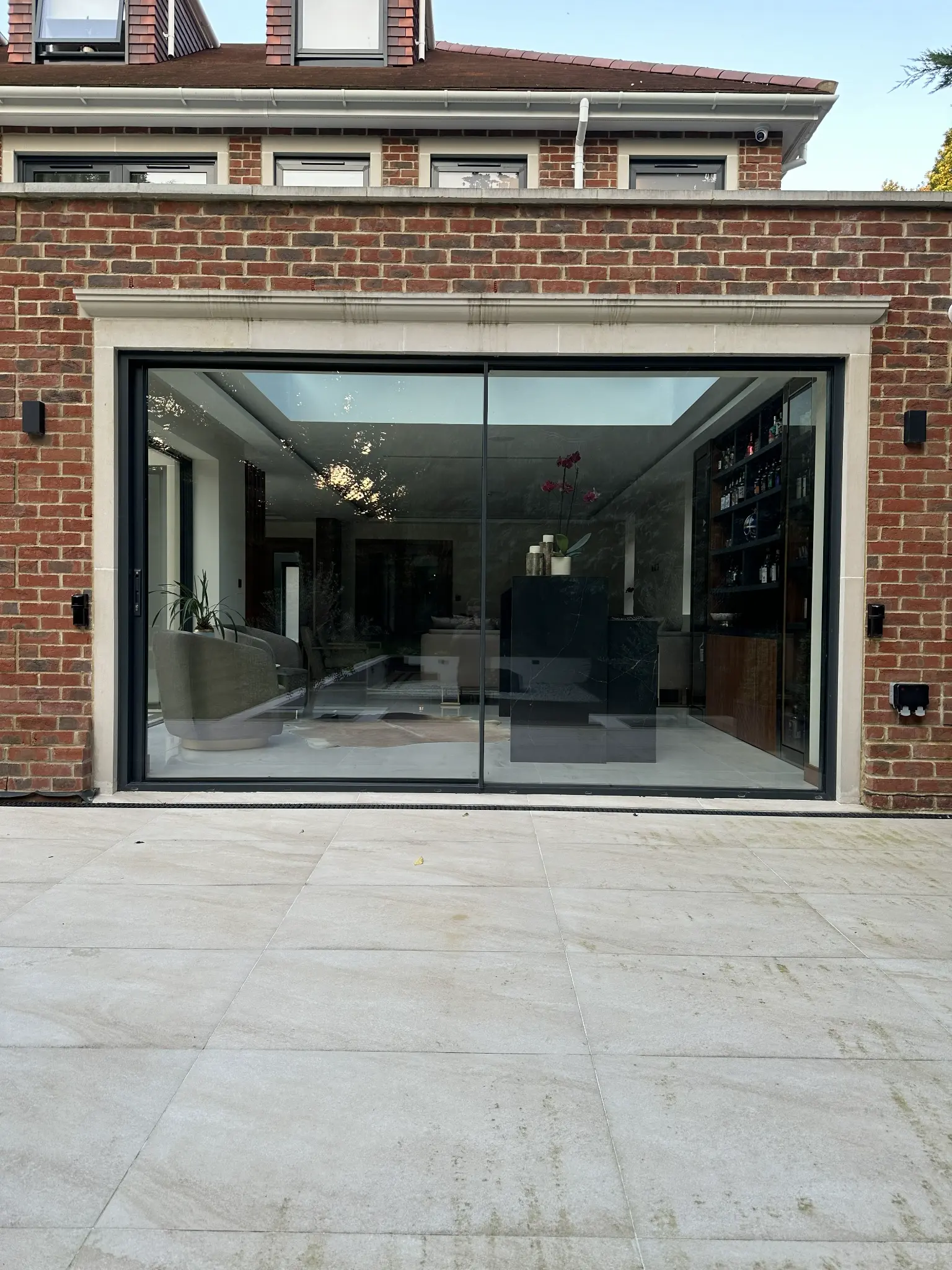
Bi-Parting Sliding Doors: A UK Homeowner's Guide
Explore the benefits, technical considerations, and UK Building Regulations for bi-parting sliding doors. Enhance your home with style and functionality.

Shard Architectural Glazing
1 February 2026
Explore the benefits, technical considerations, and UK Building Regulations for bi-parting sliding doors. Enhance your home with style and functionality.
📋In This Article
Bi-parting sliding doors offer a sophisticated and highly functional solution for connecting indoor and outdoor living spaces, or for creating expansive openings within a home. Unlike traditional sliding doors that stack to one side, bi-parting systems feature two sets of panels that meet in the middle and slide open in opposite directions. This creates a large, unobstructed opening, often perfectly framing a garden view or merging two rooms seamlessly. For UK homeowners considering this architectural feature, understanding the technical aspects, design considerations, and regulatory requirements is crucial.
What Are Bi-Parting Sliding Doors?
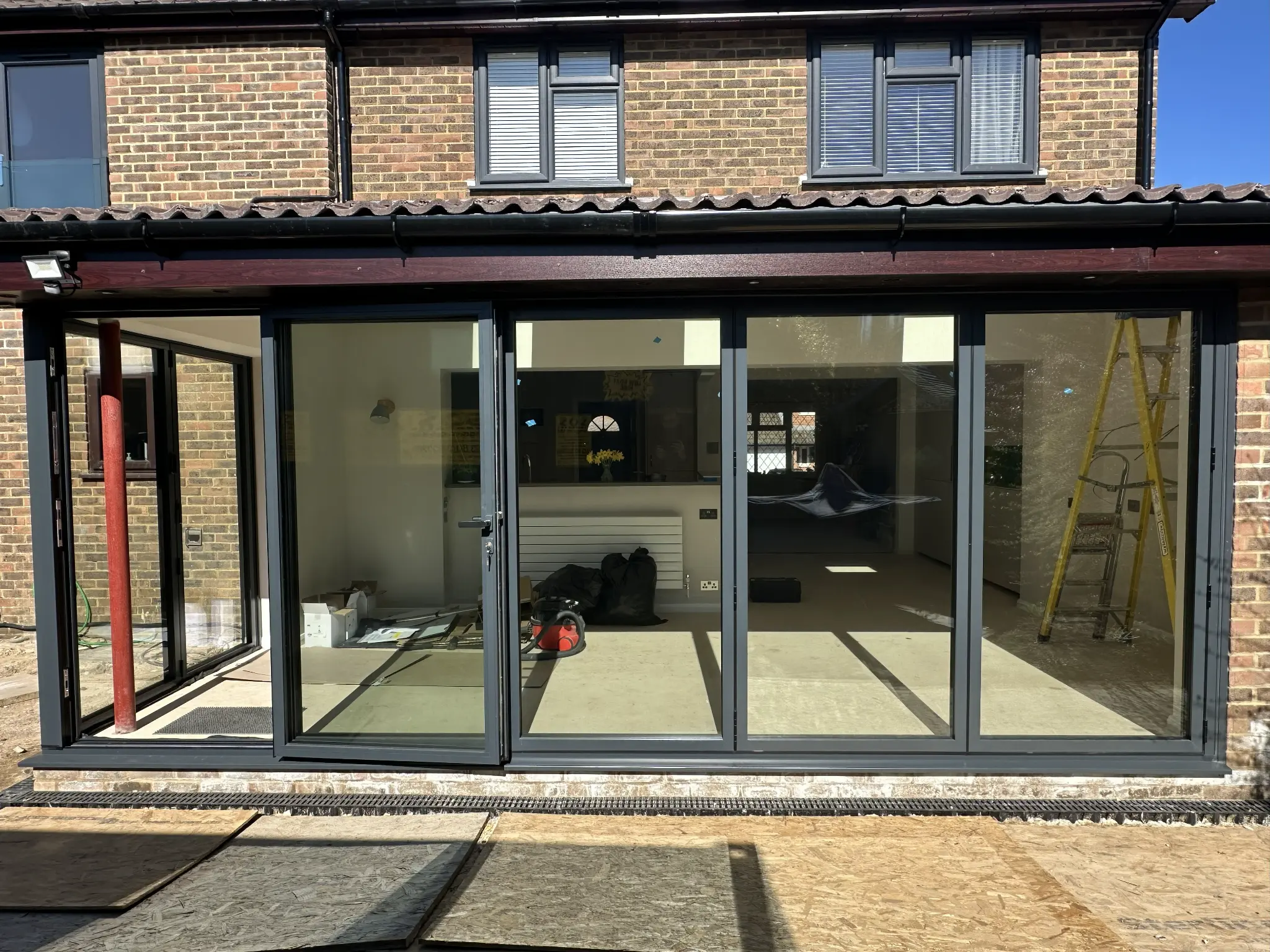
Bi-parting sliding doors, sometimes referred to as 'centre-opening' or 'French sliding doors', consist of multiple panels that are configured to open from the centre outwards. Typically, two panels slide to the left and two panels slide to the right, creating a symmetrical opening. However, configurations can vary, with systems often featuring 4, 6, or even 8 panels, all designed to glide smoothly along a track system.
These doors are distinct from bifold doors, which fold concertina-style, and standard single-stack sliding doors, where all panels move in one direction. The primary advantage of the bi-parting mechanism is the creation of a central, grand opening that maximises the connection between spaces when fully open.
Common Configurations
- 4-Panel System: Two central panels meet, and each slides outwards to reveal a large opening. The outer panels are often fixed or can also slide.
- 6-Panel System: Three panels slide left, and three panels slide right, offering an even wider aperture.
- Pocket Doors: In some bespoke installations, bi-parting doors can slide into a cavity wall, completely disappearing from view for a truly seamless transition. This requires significant structural work during the build or renovation phase.
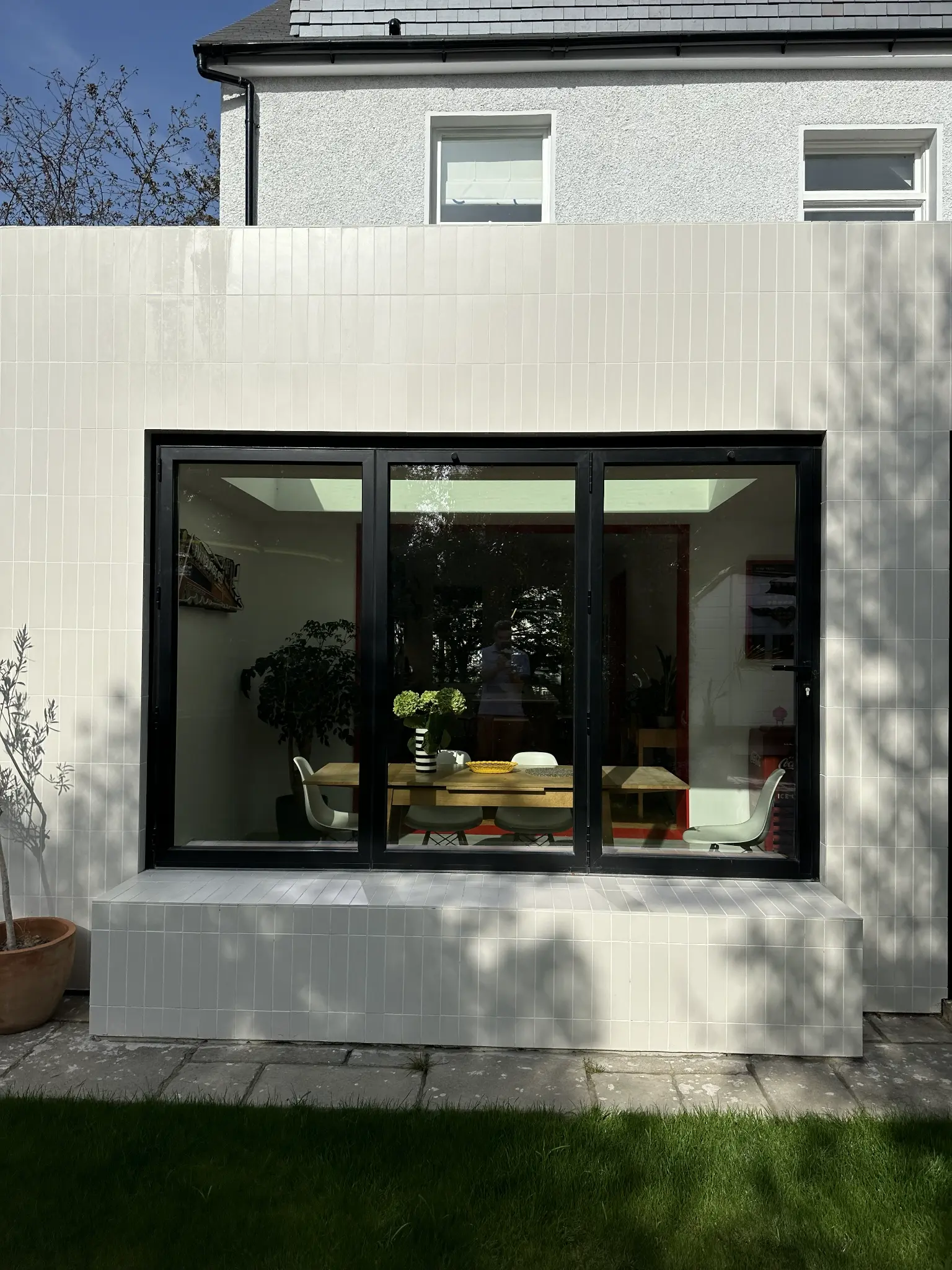
Benefits of Bi-Parting Systems for UK Homes
Choosing bi-parting sliding doors can bring numerous advantages to a property, enhancing both its aesthetic appeal and practical functionality.
Maximised Opening
The key advantage is the ability to create a very wide, central opening, often wider than what's achievable with standard sliding or bifold doors, offering an expansive connection to the outdoors.
Enhanced Views
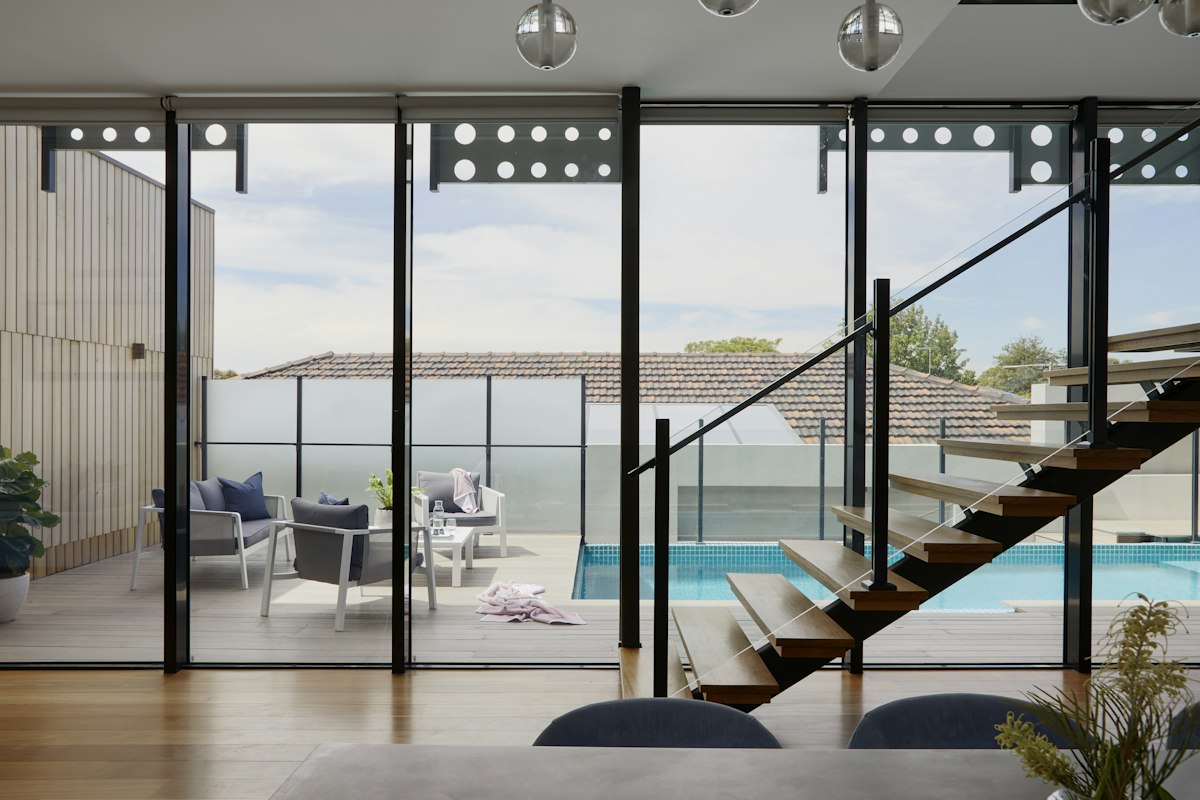
With fewer vertical frames when open compared to bifolds, and a central opening that frames a view beautifully, these doors are ideal for properties with stunning garden or landscape vistas.
Symmetry & Aesthetics
The symmetrical design of bi-parting doors can complement various architectural styles, from contemporary to more traditional, providing a balanced and elegant appearance.
Natural Light & Ventilation
Their large glass panels allow abundant natural light to flood interior spaces, and when open, they facilitate excellent cross-ventilation, improving indoor air quality.
Key Technical Considerations for Installation
Before committing to bi-parting sliding doors, several technical aspects need careful evaluation to ensure a successful and compliant installation.
Structural Support
Large glazing installations require adequate structural support. The weight of multiple large glass panels, especially in double or triple glazing, can be substantial. A structural engineer's assessment is highly recommended to determine if existing lintels or supporting beams are sufficient, or if new steelwork (e.g., a steel beam or goalpost frame) is required, particularly for very wide openings or if removing a load-bearing wall.
U-Values and Thermal Performance
In the UK, thermal performance is critical, especially with the updated Building Regulations Part L (2022 England). Doors must meet specific U-value requirements to ensure energy efficiency. For replacement windows/doors, the maximum allowable U-value is 1.4 W/m²K. For new build properties or extensions, this tightens to 1.2 W/m²K. Reputable manufacturers will provide U-value calculations for their systems. Look for doors with thermally broken frames and high-performance glazing (e.g., low-emissivity coatings, argon gas filling).
Glazing Options
- Double Glazing: Standard for thermal efficiency and noise reduction.
- Triple Glazing: Offers superior thermal performance, often necessary to meet stringent U-value requirements for new builds or passive house standards, though it adds weight and cost.
- Laminated or Toughened Glass: Essential for safety and security. All glass in doors and low-level glazing must be toughened or laminated to comply with Building Regulations Part K (Protection from falling, collision and impact).
- Solar Control Glass: Can reduce solar gain, preventing overheating in south-facing rooms.
Frame Materials
The choice of frame material impacts aesthetics, durability, and thermal performance:
- Aluminium: Popular for its strength, slim sightlines, and durability. Naturally corrosion-resistant and available in a wide range of powder-coated colours. Excellent for large spans.
- Timber: Offers a natural, warm aesthetic. Requires more maintenance but can achieve good thermal performance with engineered timber and careful design.
- uPVC: Generally the most cost-effective option. Good thermal properties but can be bulkier and may not offer the same slim sightlines as aluminium for very large openings.
- Composite: Combines materials (e.g., timber internally, aluminium externally) for the best of both worlds – aesthetics and durability.
Track and Drainage Systems
A robust track system is vital for smooth operation and longevity. Consider:
- Flush Thresholds: For seamless indoor-outdoor transitions, but require excellent drainage solutions to prevent water ingress.
- Weather Resistance: Ensure the system has effective seals and drainage to protect against the UK's often wet and windy weather.
- Maintenance: Tracks should be easy to clean and free from debris.
Pro Tip
When considering a flush threshold, discuss the drainage details thoroughly with your installer. A well-designed linear drainage channel or a slightly raised, weathered threshold is often recommended for exposed areas to prevent water penetration, especially in driving rain.
UK Building Regulations and Compliance
Any significant alteration to your home, particularly involving structural changes or changes to thermal elements, will typically fall under UK Building Regulations. It is always advisable to consult with your local Building Control Body or a qualified professional before commencing work.
Key Parts of Building Regulations
- Part A (Structure): Crucial if you are creating a new opening or significantly widening an existing one. A structural engineer's calculations and design will be required.
- Part F (Ventilation): Adequate ventilation must be maintained. Trickle vents are often required in new or replacement windows/doors unless alternative whole-house ventilation strategies are in place.
- Part K (Protection from falling, collision and impact): Specifies safety glazing requirements. All glass in doors and at low levels must be toughened or laminated.
- Part L (Conservation of fuel and power): As mentioned, strict U-value requirements apply. For new builds/extensions, doors must achieve 1.2 W/m²K; for replacement doors, 1.4 W/m²K.
- Part M (Access to and use of buildings): If the doors are part of an accessible route, thresholds should be as low as possible to facilitate ease of access for all users.
Building Control approval will involve submitting plans and having inspections at various stages of the project. Failure to comply could affect future property sales or require costly remedial work.
Cost and Installation Considerations
The cost of bi-parting sliding doors can vary significantly based on size, frame material, glazing specification, and complexity of installation. Generally, they represent a premium product due to their engineering and scale.
Factors Affecting Cost
- Size: Larger doors with more panels will naturally cost more.
- Material: uPVC is typically the least expensive, followed by aluminium, then timber and composite.
- Glazing: Triple glazing, solar control, or acoustic glass will increase costs.
- Ironmongery: High-quality locks, handles, and runners contribute to smooth operation and security but add to the price.
- Installation: Complex installations, especially those requiring structural alterations or extensive groundworks for flush thresholds, will incur higher labour costs.
Installation Process
A professional installation is paramount. The process typically involves:
- Site Survey: Detailed measurements and assessment of structural requirements.
- Manufacturing: Doors are custom-made to exact specifications.
- Preparation: Removal of existing doors/walls, structural alterations if needed.
- Frame Installation: Ensuring the frame is perfectly level and plumb.
- Glazing & Panel Installation: Carefully fitting the glass panels and ensuring smooth operation.
- Sealing & Finishing: Weatherproofing, insulation, and internal/external finishing.
Always choose an installer with a proven track record in large glazing systems. Look for FENSA or CERTASS accreditation, which ensures compliance with Building Regulations for replacement windows and doors.
Comparison: Bi-Parting vs. Other Door Types
Understanding how bi-parting doors stack up against other popular large-opening door systems can help in making an informed decision.
| Feature | Bi-Parting Sliding Doors | Bifold Doors | Standard Sliding Doors |
|---|---|---|---|
| Opening Style | Panels slide from centre to both sides. | Panels fold and stack to one or both sides. | Panels slide and stack to one side. |
| Opening Width | Very wide, often the widest possible unobstructed opening. | Wide, but typically less than bi-parting due to panel stack. | Wide, but usually one panel remains fixed or partially open. |
| Sightlines (Closed) | Slim to moderate, depending on frame material. | More vertical frames due to multiple folding panels. | Slim to moderate. |
| Sightlines (Open) | Excellent, minimal obstruction. Panels stack neatly at ends. | Panels stack, creating a 'bunch' at one or both ends. | Panels stack, creating a 'bunch' at one end. |
| Threshold Options | Can achieve very flush thresholds with good drainage. | Can be flush, but drainage is critical. | Can be flush. |
| Ventilation Control | Can open partially or fully for varied ventilation. | Can open partially or fully. | Can open partially or fully. |
| Space Requirement | Requires clear wall space on both sides for panels to stack. | Requires clear wall space on one or both sides for panels to stack. | Requires clear wall space on one side for panels to stack. |
| Cost (Relative) | High | High | Moderate to High |
Bi-parting sliding doors offer a compelling blend of expansive views, symmetrical aesthetics, and practical functionality for UK homeowners. While they represent a significant investment and require careful planning regarding structural support and Building Regulations compliance, the result is often a stunning architectural feature that genuinely enhances a home's connection to its surroundings.
For expert advice and high-quality bi-parting sliding door solutions tailored to your UK home, consider consulting with specialists in architectural glazing. Shard AG offers a comprehensive range of bespoke sliding door systems, designed to meet the highest standards of thermal performance, security, and aesthetic appeal, ensuring your project complies with all relevant UK Building Regulations.
Explore Our Products
Discover how Shard Architectural Glazing can transform your home with our premium glazing solutions:
Ready to Transform Your Home?
Get in touch with our expert team for a free consultation and personalised quote. We'll help you choose the perfect glazing solution for your property.