
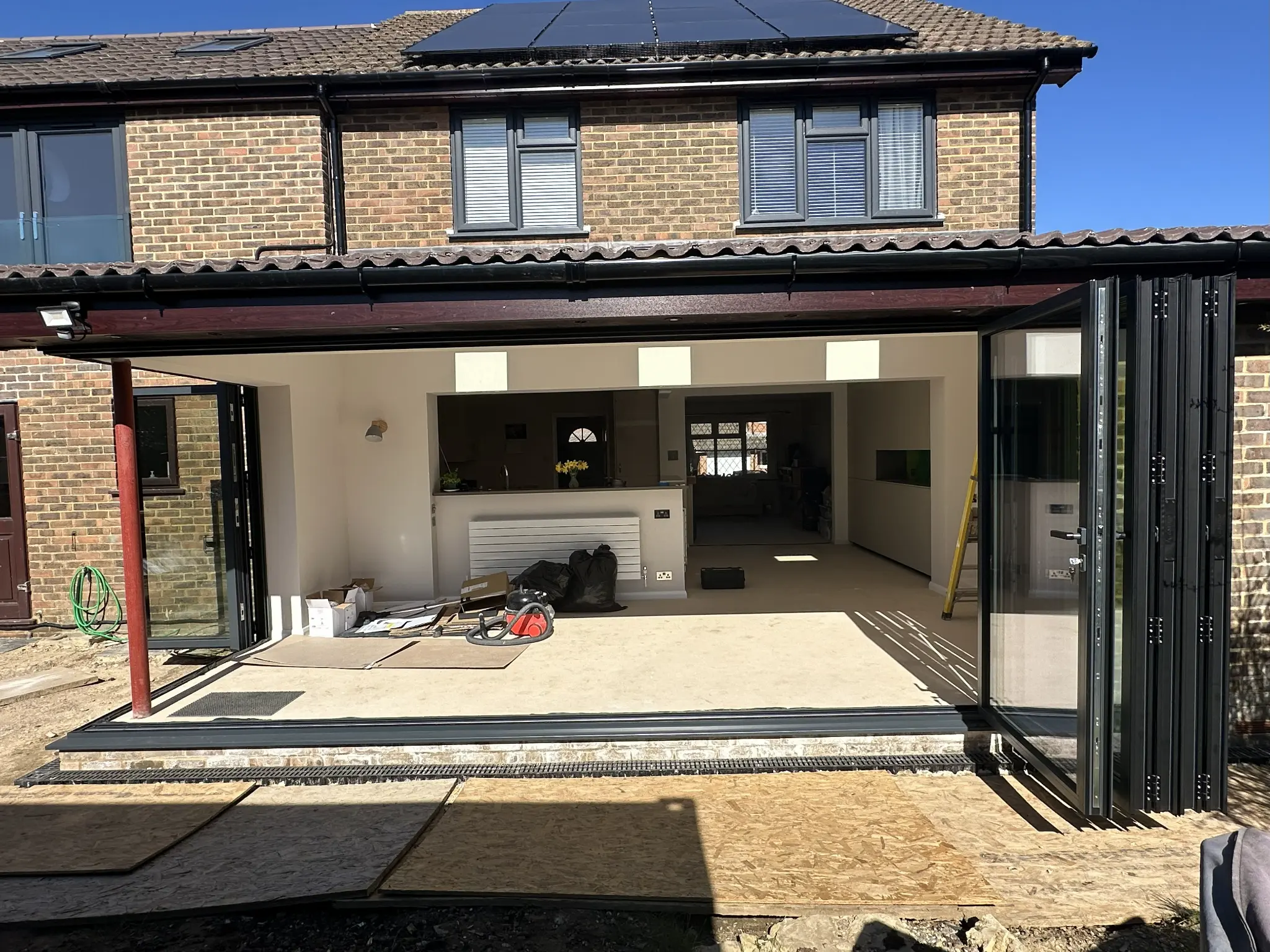
Bi-Parting Sliding Doors: A UK Homeowner's Guide
Explore bi-parting sliding doors for your UK home. Understand their design, benefits, technical specifications, and compliance with Building Regulations.

Shard Architectural Glazing
14 March 2026
Explore bi-parting sliding doors for your UK home. Understand their design, benefits, technical specifications, and compliance with Building Regulations.
📋In This Article
Bi-parting sliding doors offer a sophisticated and highly functional solution for connecting indoor and outdoor spaces, or dividing large internal rooms. Unlike traditional sliding doors that stack to one side, bi-parting systems open from the centre, with panels sliding away in opposite directions. This creates a wide, unobstructed opening that can dramatically enhance the flow, light, and aesthetic appeal of a property.
For UK homeowners considering a home improvement project, understanding the nuances of bi-parting sliding doors – from their design principles to their compliance with Building Regulations – is crucial. This guide will delve into the technical aspects, practical considerations, and benefits of incorporating these elegant glazing solutions into your home.
What Are Bi-Parting Sliding Doors?
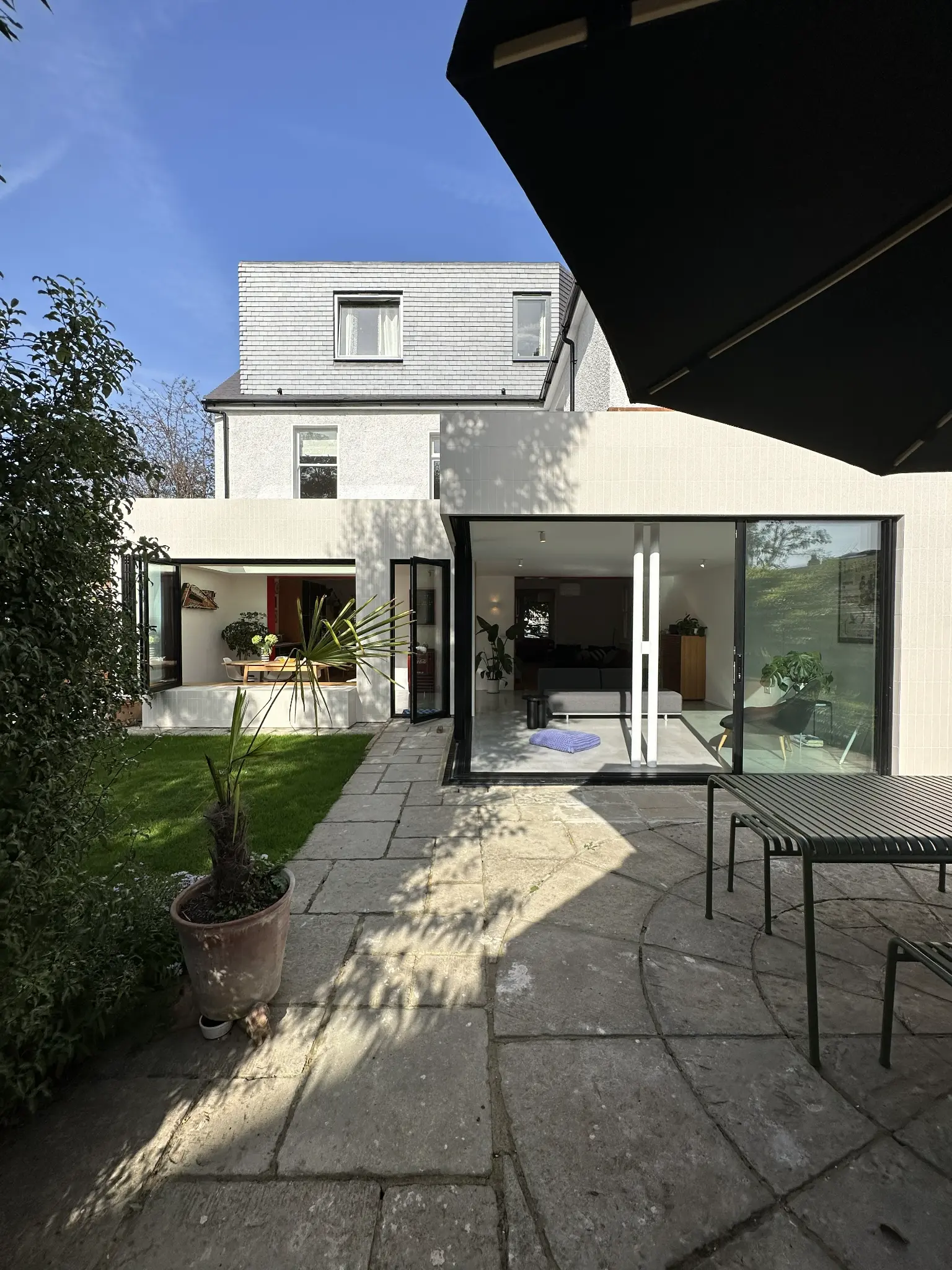
At their core, bi-parting sliding doors consist of two or more panels that meet in the middle of an opening. When operated, these panels slide horizontally along a track, with half moving to the left and the other half to the right. This symmetrical movement allows for a central opening that can be significantly wider than that offered by a single sliding panel or even a bifold door system of comparable size.
They are commonly used as external doors leading to gardens, patios, or balconies, but can also serve as internal room dividers, offering flexibility in space utilisation. The design typically features large glass panes framed by slim profiles, maximising natural light and views.
Key Design Characteristics:
- Symmetrical Opening: Panels slide from a central point to both sides.
- Wide Aperture: Creates a substantial opening, often larger than other door types for a given wall space.
- Minimal Obstruction: When fully open, panels stack neatly to the sides, leaving a clear walkway.
- Enhanced Views: Large glass areas and slim frames contribute to an expansive vista.
- Track System: Can be top-hung (panels suspended from an overhead track) or bottom-rolling (panels supported by a bottom track), with the latter being more common for external applications due to structural load distribution.
Benefits of Bi-Parting Sliding Doors for UK Homes
Choosing bi-parting sliding doors offers a range of advantages that can significantly improve a home's functionality, aesthetics, and energy efficiency.
Maximised Space & Light
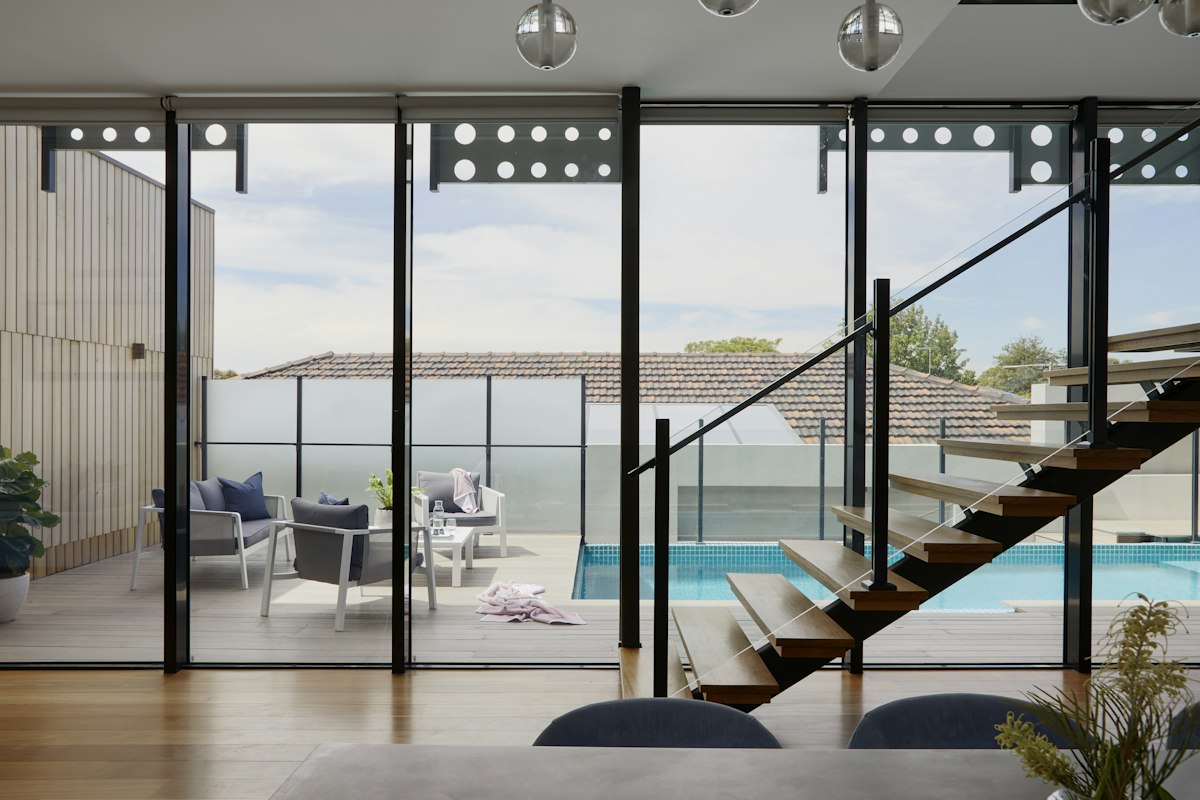
The ability to create a wide, central opening allows for an unparalleled connection between indoor and outdoor living areas. This design floods interiors with natural light and offers expansive, uninterrupted views, making rooms feel larger and more open.
Sleek, Modern Aesthetics
With their clean lines and large glass panels, bi-parting doors lend a contemporary and sophisticated look to any property. They are often chosen for modern extensions and renovations, complementing minimalist design schemes.
Energy Efficiency
Modern bi-parting sliding doors are designed with thermal breaks and can accommodate high-performance double or triple glazing. This ensures excellent thermal insulation, helping to keep heating bills down and contributing to a comfortable indoor climate year-round.
Flexible Functionality
Unlike bifold doors which stack all panels to one side, bi-parting doors offer a symmetrical opening. This can be particularly appealing for architectural balance and allows for a central access point without the entire opening needing to be clear.
Pro Tip
Consider the 'traffic flow' through the door opening. Bi-parting doors create a central access point, which can be ideal for direct routes to a garden. Ensure there's adequate wall space on both sides for the panels to slide and stack without obstruction.
Technical Specifications and Materials
The performance and longevity of bi-parting sliding doors are heavily influenced by the materials used and their technical specifications.
Frame Materials:
- Aluminium: Highly popular for its strength, durability, and ability to support large glass panes with slim frames. Aluminium is also low maintenance and available in a vast array of powder-coated finishes. Modern aluminium systems incorporate thermal breaks to prevent heat transfer.
- Timber: Offers a natural, warm aesthetic. Timber frames require more maintenance but can achieve excellent thermal performance, especially with engineered timber.
- uPVC: A cost-effective option, uPVC frames are low maintenance and provide good thermal insulation. However, they typically have thicker profiles than aluminium, which can slightly reduce the glass area.
Glazing Options:
For external bi-parting doors in the UK, double glazing is the minimum standard, but triple glazing is increasingly specified for enhanced thermal and acoustic performance. Key considerations include:
- Low-E Coatings: Microscopic metallic layers that reflect heat, improving thermal efficiency.
- Argon or Krypton Gas Fills: Inert gases between glass panes reduce heat transfer more effectively than air.
- Warm Edge Spacers: Non-metallic spacers that separate glass panes, reducing thermal bridging at the edges.
- Toughened Safety Glass: Required for doors and low-level glazing to prevent injury in case of breakage.
U-Values and UK Building Regulations (Part L 2022, England):
The U-value measures how effectively a material or component prevents heat from escaping. A lower U-value indicates better insulation. For external bi-parting sliding doors, compliance with UK Building Regulations Part L (Conservation of Fuel and Power) is mandatory.
| Component | Target U-value (W/m²K) - New Build | Target U-value (W/m²K) - Replacement |
|---|---|---|
| External Walls | 0.18 | N/A (typically 0.28 for existing) |
| Floors | 0.18 | N/A (typically 0.18 for existing) |
| Roofs | 0.15 | N/A (typically 0.16 for existing) |
| Windows/Doors | 1.2 | 1.4 |
Note: For new build and extensions, the entire dwelling's energy performance is assessed, but individual components must meet minimum standards. For replacement doors, the U-value of 1.4 W/m²K is a critical benchmark. Always ensure your chosen bi-parting doors meet or exceed these requirements.
Installation and Structural Considerations
Proper installation is paramount for the long-term performance, security, and weather-tightness of bi-parting sliding doors. This is not a DIY job and should always be undertaken by experienced professionals.
Key Installation Aspects:
- Structural Opening: The existing or newly created opening must be precisely measured and structurally sound. For large spans, a steel lintel or structural beam may be required above the opening to support the load of the wall above.
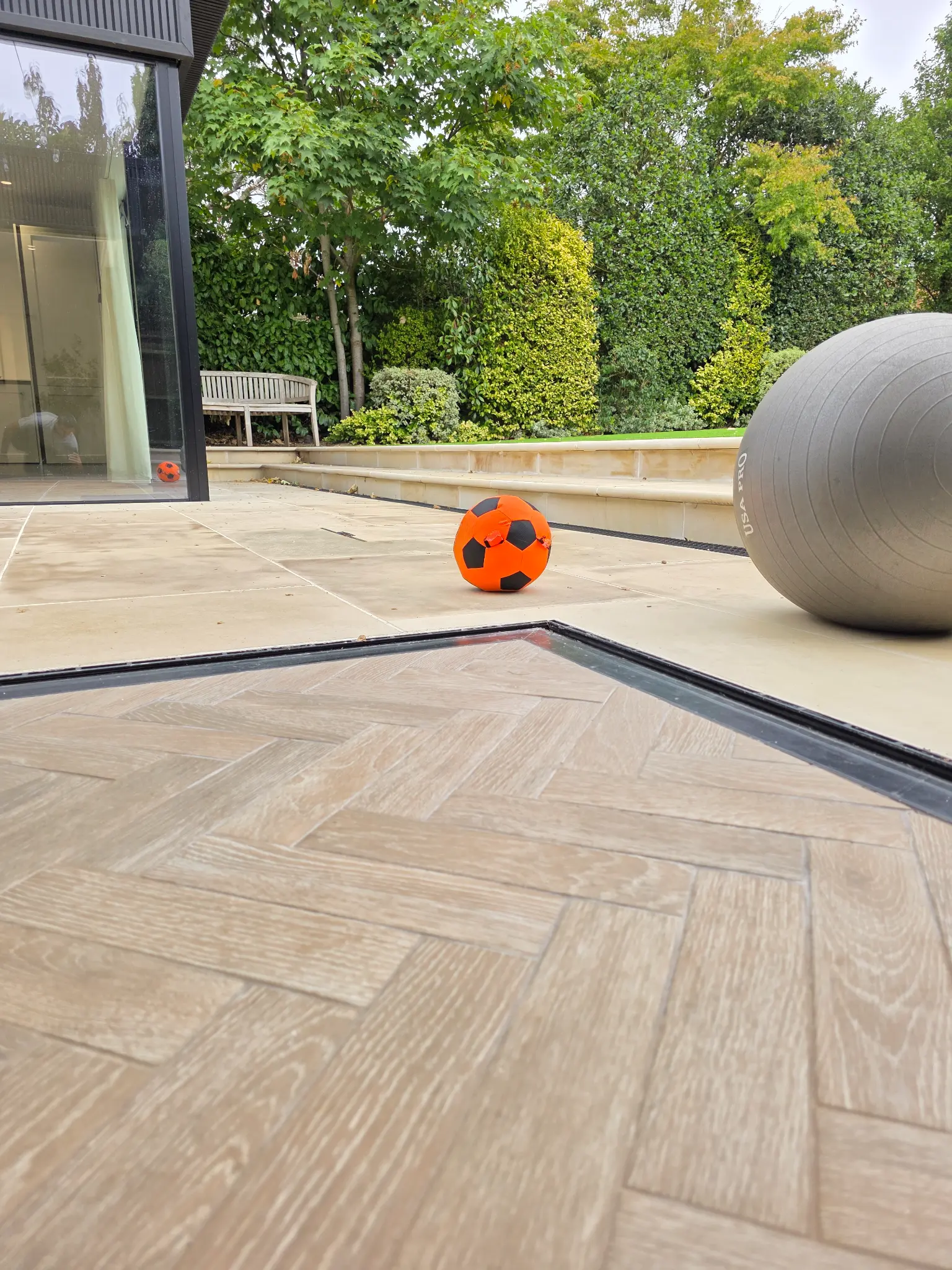
- Level Threshold: Achieving a perfectly level and plumb installation is critical for smooth operation and effective sealing against the elements. Consider a flush threshold for seamless indoor-outdoor transitions, but be mindful of drainage requirements to prevent water ingress.
- Drainage: For external doors, adequate drainage around the threshold is essential, particularly with flush thresholds. This often involves external drainage channels or a slight slope away from the property.
- Security: Modern bi-parting doors incorporate multi-point locking systems, anti-lift devices, and toughened glass to enhance security. Ensure the chosen system meets or exceeds industry standards like PAS 24.
- Weather Sealing: High-quality seals and gaskets are vital to prevent drafts, rain ingress, and heat loss.
Building Control Approval:
Any alteration to the structural integrity of your home, such as creating a new opening for large doors, or replacing existing doors with a different type, will typically require Building Control approval. This ensures the work complies with all relevant UK Building Regulations, including structural stability, thermal performance, and safety.
- Planning Permission: While often not required for replacement doors of a similar size, larger alterations or new openings, particularly in conservation areas or for listed buildings, may require planning permission. It is always advisable to check with your local authority's planning department.
- Approved Document L (Conservation of Fuel and Power): As discussed, new and replacement doors must meet specific U-value requirements.
- Approved Document F (Ventilation): Consideration must be given to ventilation. Trickle vents are often required in new or replacement windows and doors to ensure adequate background ventilation.
- Approved Document K (Protection from Falling, Collision and Impact): Relates to safety glazing, ensuring glass is toughened or laminated where there is a risk of impact.
Always consult with your chosen installer or a Building Control officer early in your project to understand the specific requirements for your property.
Maintenance and Longevity
Bi-parting sliding doors are designed for durability, but regular, simple maintenance will ensure their smooth operation and extend their lifespan.
- Cleaning: Regularly clean glass panels with a non-abrasive cleaner and frames with warm soapy water. Avoid harsh chemicals that could damage finishes.
- Track Maintenance: Keep the bottom track (if applicable) free from dirt, debris, and grit. A build-up can impede smooth operation and cause wear to rollers. Vacuuming and wiping clean are usually sufficient.
- Lubrication: Periodically lubricate moving parts, such as rollers and locking mechanisms, with a silicone-based spray or light oil, as recommended by the manufacturer.
- Seal Checks: Inspect seals and gaskets for signs of wear, cracking, or deterioration. Damaged seals can lead to drafts and water ingress.
- Hardware Checks: Ensure all handles, locks, and hinges are secure and operating correctly.
Most reputable manufacturers offer warranties on their products, but these are often contingent on proper installation and adherence to recommended maintenance schedules.
Comparison: Bi-Parting vs. Bifold vs. Standard Sliders
Understanding how bi-parting doors compare to other popular glazing options can help you make an informed decision.
| Feature | Bi-Parting Sliding Doors | Bifold Doors | Standard Sliding Doors |
|---|---|---|---|
| Opening Style | Panels slide from centre to both sides. | Panels fold and stack to one or both sides. | Panels slide and stack to one side. |
| Open Aperture | Very wide, clear central opening. | Can open almost 90% of the aperture. | Typically 50-66% of the aperture. |
| Frame Thickness | Often slim, especially with aluminium. | Can be thicker due to multiple folding panels. | Slim to moderate. |
| Views | Excellent, large uninterrupted glass panes. | Good, but more vertical sightlines when closed. | Good, but panels overlap when closed. |
| Space Required | Wall space needed on both sides for stacking. | Wall space needed on one or both sides for stacking. | Wall space needed on one side for stacking. |
| Traffic Door | Often feature a lead panel that can be used as a single access door. | Can incorporate a single 'traffic door' for easy access. | One panel can be used as a single access door. |
| Cost | Mid to high range, depending on size/spec. | Mid to high range, often slightly more complex. | Lower to mid range. |
Bi-parting sliding doors strike an excellent balance between the expansive openings of bifolds and the sleek, uninterrupted glass areas of standard sliders. They are particularly well-suited for situations where a wide, central opening is desired without the visual 'busyness' of multiple folding panels.
Conclusion
Bi-parting sliding doors represent a premium glazing solution that can significantly enhance the functionality, aesthetics, and energy efficiency of a UK home. Their ability to create wide, symmetrical openings, combined with slim profiles and high-performance glazing, makes them an attractive choice for contemporary extensions and renovations.
When considering bi-parting sliding doors, prioritise quality materials, professional installation, and ensure full compliance with current UK Building Regulations. By doing so, you can enjoy a stunning, durable, and energy-efficient addition to your property for many years to come.
For expert advice and a wide range of high-quality bi-parting sliding door options tailored to your specific project and UK Building Regulation requirements, consider consulting with specialists like Shard AG. We provide bespoke glazing solutions designed to transform your living spaces.
Explore Our Products
Discover how Shard Architectural Glazing can transform your home with our premium glazing solutions:
Ready to Transform Your Home?
Get in touch with our expert team for a free consultation and personalised quote. We'll help you choose the perfect glazing solution for your property.