
Choosing the Right Sliding Doors: A UK Homeowner's Guide
Expert guide for UK homeowners on selecting the perfect sliding doors, covering materials, glazing performance, security standards, and Building Regulations compliance.

Shard Architectural Glazing
24 December 2025
Expert guide for UK homeowners on selecting the perfect sliding doors, covering materials, glazing performance, security standards, and Building Regulations compliance.
📋In This Article
- Section 1: Understanding Sliding Door Types and Materials
- Section 2: Glazing and Thermal Performance (U-Values)
- Section 3: Security and Weather Resistance Standards
- Section 4: Practical Design and Installation Considerations
- Section 5: Key Benefits of High-Performance Sliding Doors
- Section 6: Final Decision Checklist
Choosing the Right Sliding Doors: A UK Homeowner's Guide
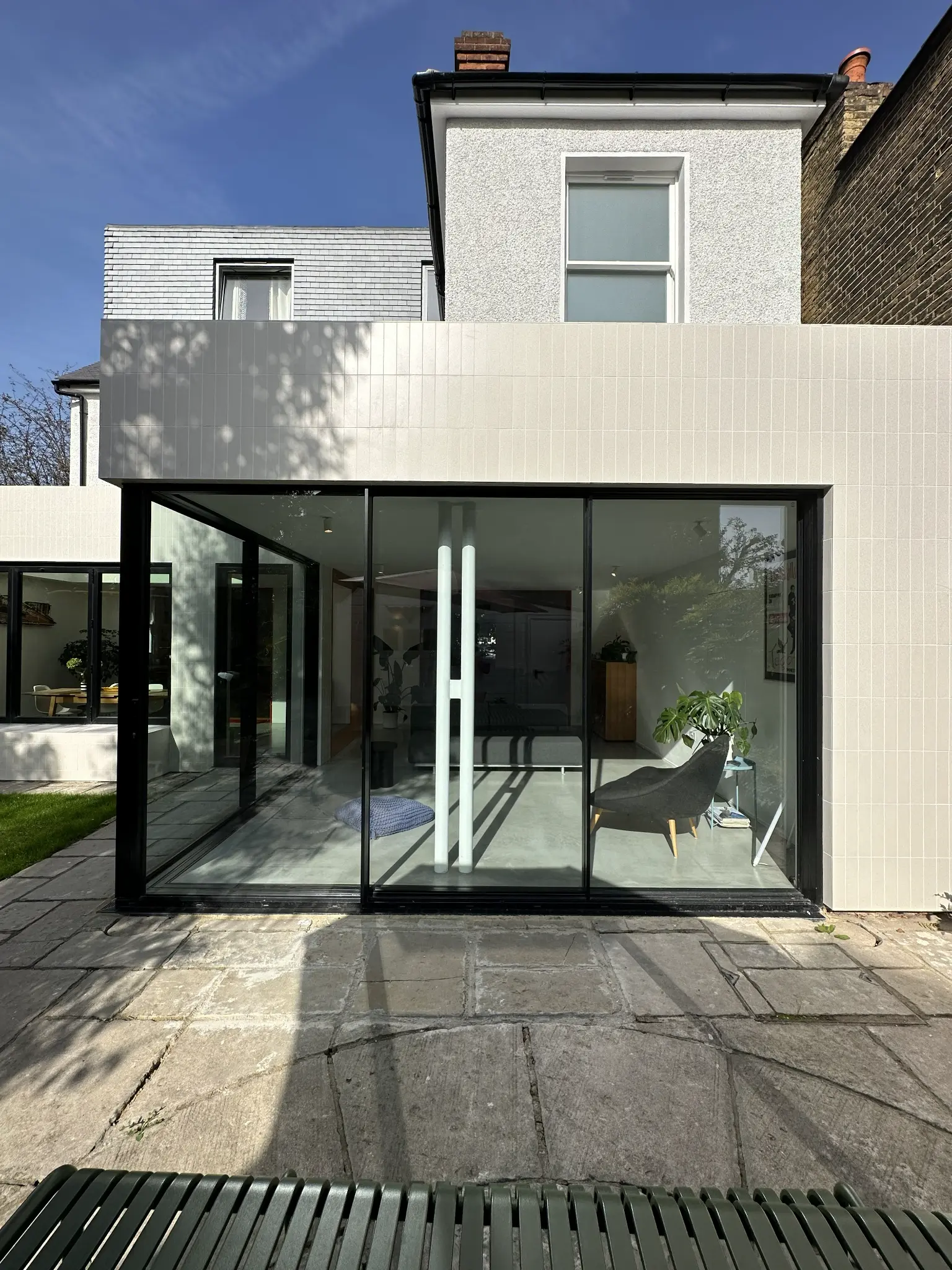
Sliding doors, whether patio doors, bifold doors, or lift-and-slide systems, are a transformative addition to any home, blurring the line between indoor and outdoor living spaces. However, selecting the right system requires careful consideration of materials, performance metrics, security features, and compliance with UK Building Regulations. This comprehensive guide provides the technical knowledge necessary to make an informed decision.
Section 1: Understanding Sliding Door Types and Materials
While often grouped together, several distinct types of sliding doors offer different operational benefits and aesthetic profiles.
Types of Sliding Door Systems
- Inline Sliding Doors (Patio Doors): These are the most common type, where one sash slides parallel behind a fixed sash or another sliding sash. They are cost-effective and require minimal internal or external space for operation.
- Lift-and-Slide Doors: A premium option. The handle mechanism slightly lifts the heavy sash off the runners before sliding, allowing for smoother operation and superior weather sealing when closed. They often facilitate much larger glass panels.
- Pocket Sliding Doors: These slide entirely into a cavity wall when opened, offering a completely unobstructed opening. While visually stunning, they require significant structural work and space within the wall structure.
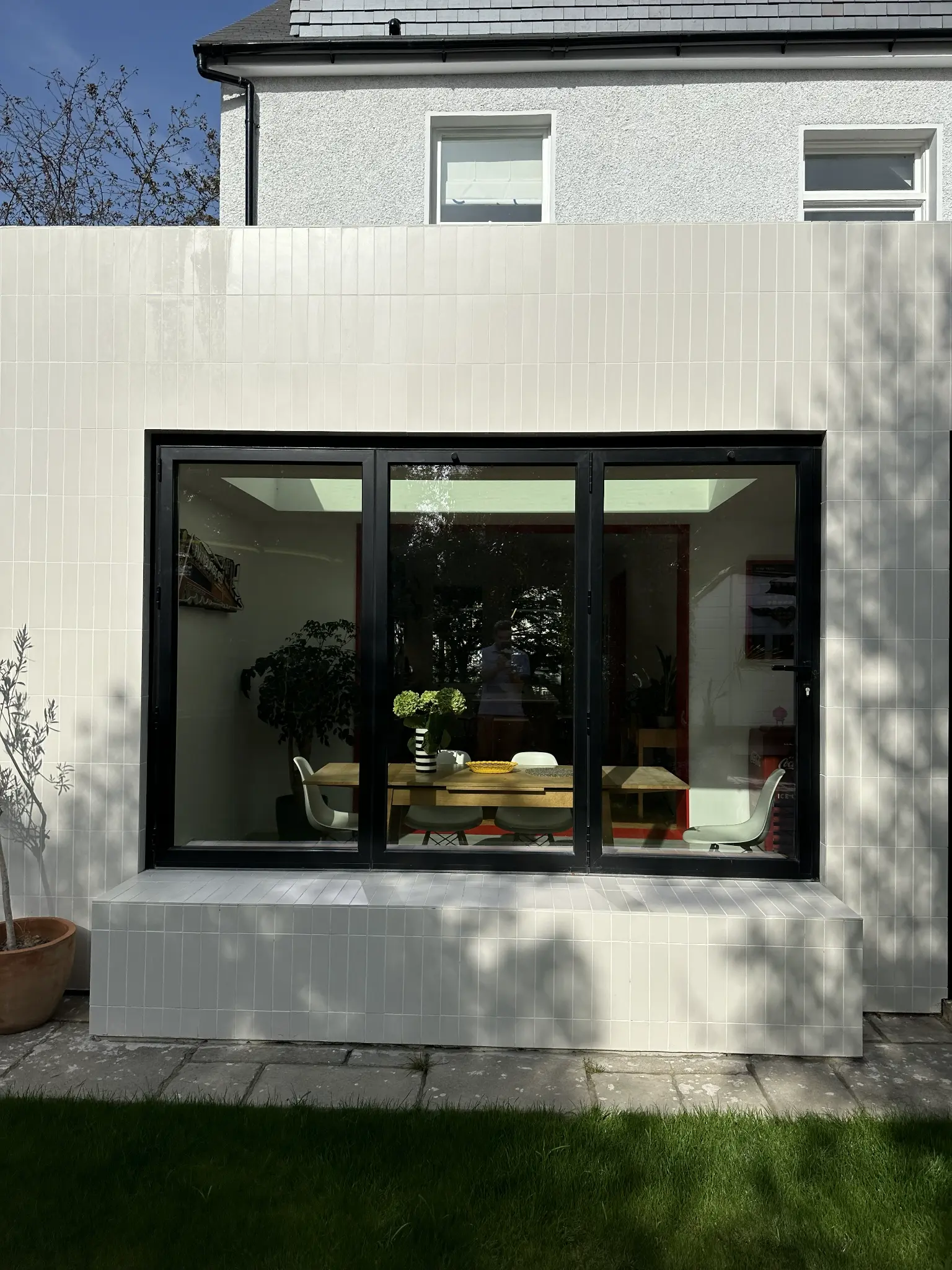
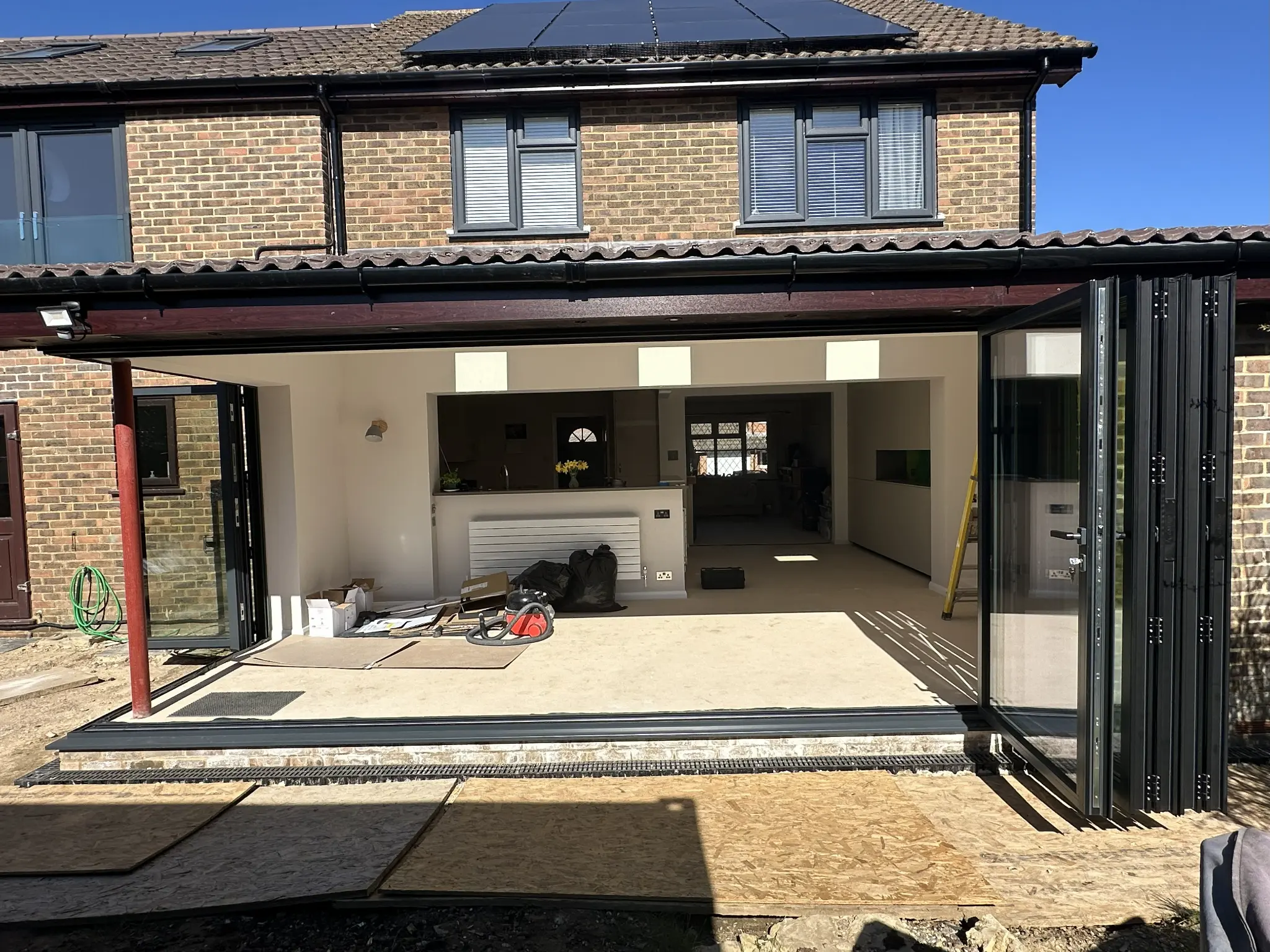
- Bifold Doors (Technically Folding/Sliding): Although they fold rather than slide inline, they achieve a similar effect of opening up an entire wall. They are ideal for maximising the opening width but require stacking space internally or externally.
Material Considerations: Aluminium vs. uPVC
The frame material dictates the door's durability, thermal performance, and aesthetic capabilities. In modern architectural glazing, aluminium is generally the preferred choice for large sliding systems.
| Feature | Aluminium | uPVC (Unplasticised Polyvinyl Chloride) |
|---|---|---|
| Frame Strength & Sightlines | Extremely strong, allowing for very slim frames (sightlines typically 20mm - 50mm). Ideal for large expanses of glass. | Requires thicker frames for structural integrity, leading to wider sightlines (typically 70mm+). |
| Thermal Performance | Excellent, provided a strong polyamide thermal break is integrated. | Naturally insulating, but frame depth can limit the size of the thermal break needed for large doors. |
| Durability & Lifespan | Highly durable, resistant to corrosion and warping. Long lifespan (40+ years). | Durable, but can be susceptible to expansion and contraction, and may discolour over time. |
| Cost | Higher initial investment, particularly for high-performance lift-and-slide systems. | Lower initial cost. |
Section 2: Glazing and Thermal Performance (U-Values)
In the UK, thermal efficiency is paramount, driven by energy costs and Building Regulations Part L (Conservation of Fuel and Power).
Understanding U-Values
The U-value measures how effectively a component (like a door or window) prevents heat from escaping. The lower the U-value, the better the insulation. U-values are measured in Watts per square metre Kelvin (W/m²K).
- Whole Product U-Value (Uw): This is the crucial figure, representing the combined thermal performance of the glass (Ug), the frame (Uf), and the spacer bar.
- Building Regulations Compliance: For new dwellings or extensions, the maximum permissible U-value for glazed doors is currently 1.4 W/m²K (or better). Many high-performance systems achieve values between 1.0 and 1.2 W/m²K, which is advisable for optimal energy efficiency.
The Role of Glazing Specification
Standard sliding doors use double glazing (typically 28mm unit: 4mm glass / 20mm cavity / 4mm glass). However, to meet modern performance standards, consider:
- Low-Emissivity (Low-E) Coatings: Essential for reflecting heat back into the room.
- Inert Gas Fill: Filling the cavity with Argon or Krypton gas significantly reduces heat transfer compared to air.
- Warm Edge Spacer Bars: Replacing standard aluminium spacers with composite or foam spacers reduces thermal bridging at the glass edge, improving the overall U-value.
- Triple Glazing: While offering superior insulation (U-values below 0.8 W/m²K), triple glazing adds significant weight, potentially requiring more robust hardware and impacting the smoothness of the slide.
Section 3: Security and Weather Resistance Standards
Large glass doors can be perceived as a security risk, but modern systems incorporate sophisticated locking mechanisms and robust testing.
Security Accreditation (PAS 24)
Homeowners should insist that any sliding door system meets the UK standard for enhanced security: PAS 24: 2016. This certification confirms that the door has withstood rigorous testing against common burglary techniques, including manual attack, manipulation, and forced entry.
Pro Tip
When reviewing security specifications, look for multi-point locking systems, anti-lift blocks (to prevent the sash from being lifted off the track), and laminated glass. Laminated glass, though more expensive, holds together even when shattered, offering a significant deterrent against forced entry.
Weather Testing (Air, Wind, and Water Tightness)
The ability of the door to withstand the British weather is tested according to European standards (BS EN 12207, 12210, and 12208).
- Water Tightness (BS EN 12208): This measures the pressure the door can resist before water penetration occurs. A high classification (e.g., Class 9A) is vital, especially for exposed locations or doors installed on higher floors.
- Air Permeability (BS EN 12207): Measures air leakage. High-performance systems, especially lift-and-slide doors, achieve excellent ratings (Class 4), preventing draughts and improving energy efficiency.
Section 4: Practical Design and Installation Considerations
Beyond technical performance, the practical aspects of design, threshold integration, and installation are critical to long-term satisfaction.
Threshold Design (Flush vs. Rebated)
Achieving a seamless transition between the inside and outside is a key benefit of sliding doors, but must be balanced with weather protection.
- Flush Thresholds: These offer a level transition, significantly reducing trip hazards and enhancing accessibility (important for compliance with Building Regulations Part M – Access to and Use of Buildings). However, they require excellent drainage solutions (e.g., linear drainage channels) immediately outside the door to prevent water ingress.
- Rebated Thresholds: These feature a slight upstand or lip, offering superior weather sealing and drainage protection by guiding water away from the internal track. They are often the safer choice for highly exposed areas.
Maximum Panel Sizes and Weight
Modern aluminium systems allow for truly enormous glass panels. While visually impressive, larger panels increase weight, demanding robust track systems and specific hardware (like lift-and-slide mechanisms) for smooth operation. Typical maximum panel widths can exceed 3 metres, with heights up to 3.5 metres, depending on the system manufacturer and wind load requirements for the specific location.
Installation Expertise
The performance of a high-quality sliding door system is entirely dependent on its installation. Poor installation can negate the benefits of low U-values and high weather ratings. Ensure your installer is accredited and experienced specifically with the chosen system, paying close attention to:
- Accurate levelling and plumbing of the frame.
- Correct application of perimeter seals and insulation.
- Proper integration with external drainage and damp-proof courses (DPCs).
Section 5: Key Benefits of High-Performance Sliding Doors
Investing in a well-specified sliding door system delivers tangible long-term benefits to your property and lifestyle.
Enhanced Natural Light
The minimal sightlines offered by aluminium systems maximise the glass area, flooding internal spaces with natural daylight, reducing reliance on artificial lighting.
Superior Energy Efficiency
Achieving low U-values (1.2 W/m²K or better) through thermal breaks and high-specification glazing significantly reduces heat loss, lowering heating bills and improving home comfort.
Seamless Indoor-Outdoor Flow
Sliding doors create large, accessible openings, dramatically improving the functionality and perceived size of living spaces, particularly when combined with flush threshold detailing.
Increased Property Value
High-quality, architecturally significant glazing is a highly desirable feature for prospective buyers in the UK market, offering a strong return on investment.
Section 6: Final Decision Checklist
Before committing to a purchase, use this checklist to ensure all technical and regulatory bases are covered:
- Material Choice: Is the frame material (e.g., thermally broken aluminium) appropriate for the desired panel size and aesthetic?
- Thermal Performance: Does the whole product U-value (Uw) meet or exceed the 1.4 W/m²K requirement set by Building Regulations Part L?
- Security: Is the system certified to PAS 24: 2016 standards?
- Glazing Specification: Is it double glazed with Low-E coating, Argon gas fill, and warm edge spacers?
- Accessibility: Have you considered a flush threshold, and is the external drainage adequate to manage rainwater?
- Warranty: Does the system come with a comprehensive warranty covering both the frame and the hardware?
Choosing the right sliding door is a long-term investment. By focusing on technical specifications, UK regulatory compliance, and quality installation, homeowners can ensure they select a system that provides beauty, security, and exceptional thermal performance for decades to come.
About Shard AG
Shard AG specialises in the supply and installation of high-performance architectural glazing solutions across the UK. We focus exclusively on systems that achieve industry-leading U-values and PAS 24 security certification, ensuring our clients receive durable, compliant, and aesthetically superior sliding door systems tailored to the demands of modern British architecture.
Explore Our Products
Discover how Shard Architectural Glazing can transform your home with our premium glazing solutions:
Ready to Transform Your Home?
Get in touch with our expert team for a free consultation and personalised quote. We'll help you choose the perfect glazing solution for your property.