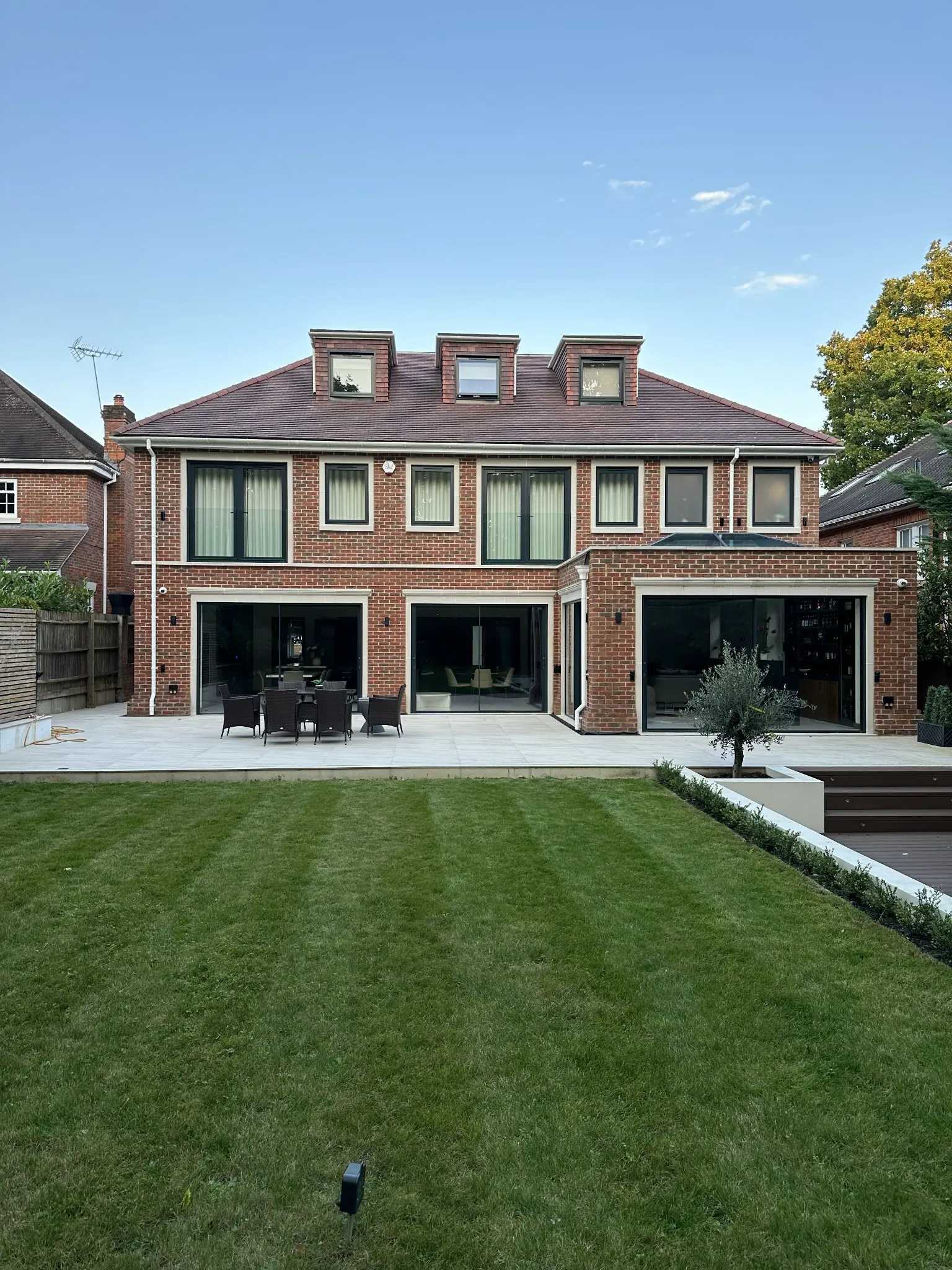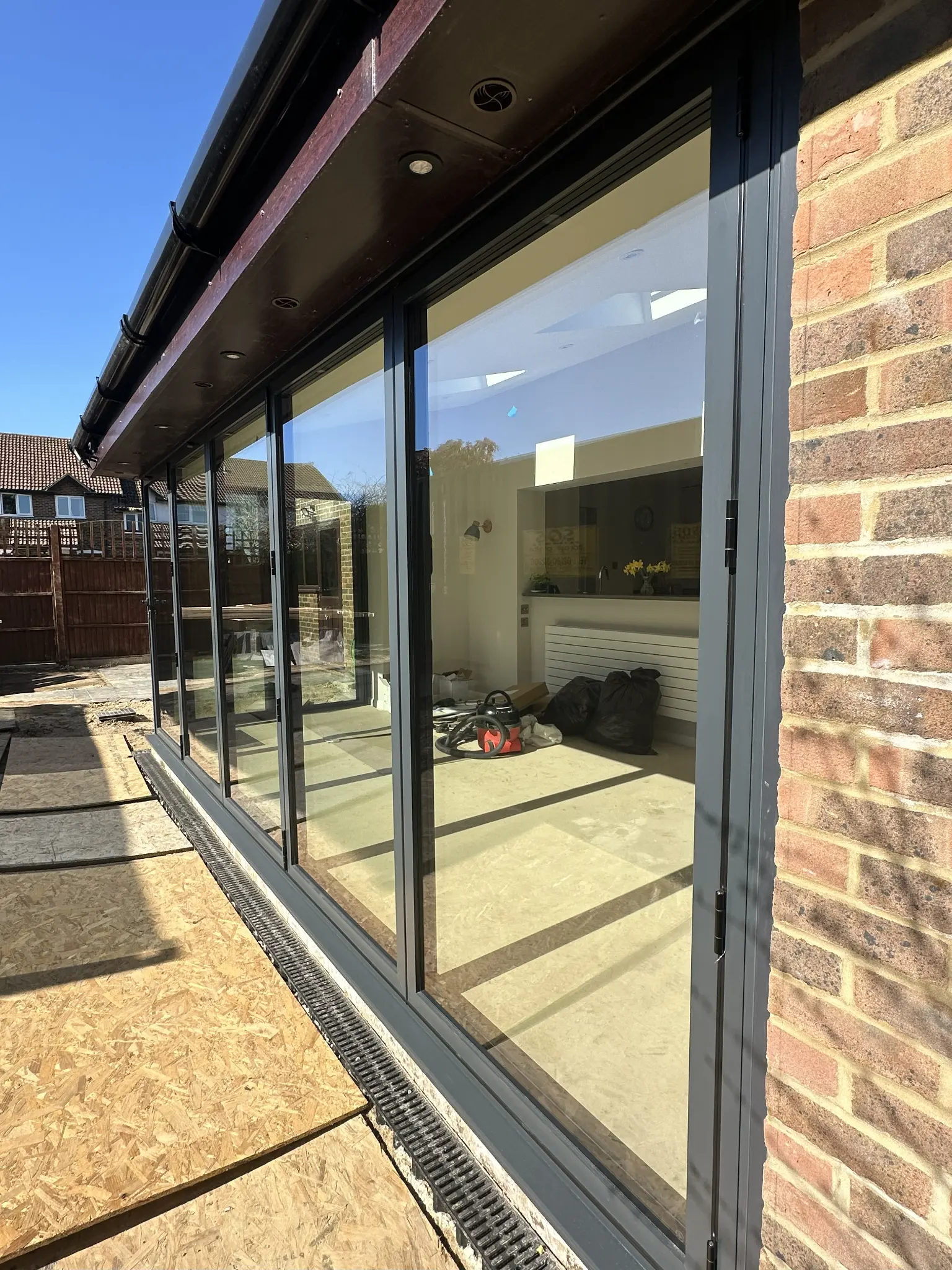


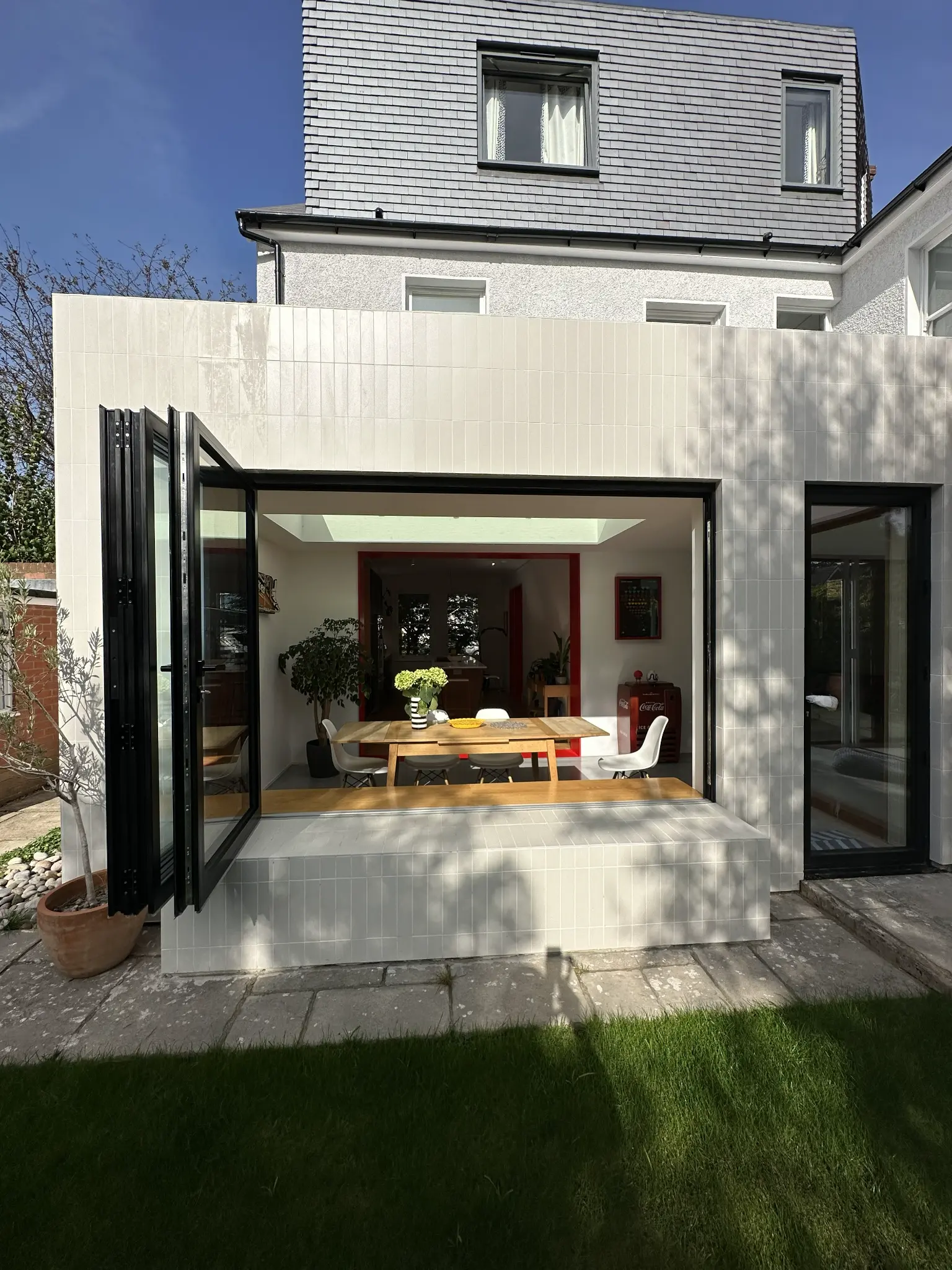

Owning a property along the UK coastline offers unparalleled views and a unique lifestyle, but it presents specific challenges for building materials, especially glazing. The harsh maritime environment—characterised by high winds, driving rain, and corrosive salt spray—demands materials and specifications far more robust than those used inland. Choosing the right glazing is crucial for long-term durability, energy efficiency, and structural integrity.
This comprehensive guide details the technical considerations, material choices, and regulatory requirements necessary when specifying glazing for coastal locations.
Understanding the Maritime Environment Challenges
The primary threats to glazing systems in coastal areas are corrosion, structural loading (wind), and abrasion.
Corrosion from Salt Spray
Salt spray, carried by wind, deposits chloride ions onto all exterior surfaces. This is highly corrosive, particularly to metal components. Standard aluminium frames, hardware (hinges, locks, fasteners), and even low-emissivity (low-E) coatings on glass can be compromised if not adequately protected.
- Aluminium Frames: Standard powder coating may not suffice. The UK often classifies coastal areas as C4 or C5 environments (high or very high corrosivity) according to ISO 9223. Frames require enhanced surface preparation (e.g., pre-anodising or marine-grade chromate conversion) followed by a high-performance powder coating (e.g., minimum 60-80 microns thickness, Class 2 or higher).
- Hardware and Fixings: All screws, hinges, locks, and handles must be specified in corrosion-resistant materials. A4 Marine Grade Stainless Steel (316) is the industry standard recommendation for coastal environments, offering significantly better resistance than standard A2 (304) stainless steel.
Increased Wind Loads
Coastal areas experience significantly higher wind speeds and turbulence. Glazing systems must be designed to withstand these increased structural loads, which are calculated based on the property's location, height, and surrounding topography (e.g., exposed cliff face vs. sheltered bay).
The glass thickness, the size of the pane, and the strength of the frame profile must all be engineered to prevent excessive deflection or failure under extreme pressure. Always ensure your supplier provides wind load calculations compliant with relevant Eurocodes and British Standards.
Glazing Specification for Durability and Performance
Selecting the right type of glass and frame material is paramount for longevity in a coastal setting.
Glass Selection and Coatings
While standard double or triple glazing is essential for thermal performance, coastal properties require careful consideration of the glass surface itself.
- Low-E Coatings: Standard soft-coat low-E coatings are applied on the internal surface (usually face 2 or 3) of the insulated glass unit (IGU). If the seal of the IGU fails, moisture ingress can quickly attack this coating. Ensure the IGU manufacturer uses highly durable sealants and spacers (warm edge technology) to minimise seal failure risk.
- Self-Cleaning Glass: While not a substitute for maintenance, self-cleaning coatings can help mitigate the build-up of salt residue and dirt, reducing the frequency of external cleaning required.
- Toughened Glass: Due to the increased risk of impact from wind-borne debris (pebbles, sand), specifying toughened safety glass for all external panes is highly recommended, even where not strictly mandatory under Building Regulations Part K (Safety Glazing).
Frame Material Comparison
| Material | Pros for Coastal Use | Cons for Coastal Use | Key Requirement |
|---|---|---|---|
| Aluminium | High strength, slim profiles, excellent structural stability. | Highly susceptible to corrosion if finish is inadequate. | Marine-grade powder coating (Class 2), minimum 60 microns, 316 stainless steel fixings. |
| uPVC (Vinyl) | Naturally resistant to corrosion, low maintenance, cost-effective. | Can suffer UV degradation over time, lower structural strength than aluminium for large openings. | Ensure high-quality UV stabilisers are used to prevent chalking/yellowing. |
| Timber/Composite | Aesthetically pleasing, excellent natural insulation. | Requires meticulous, regular maintenance (re-painting/re-staining) to prevent moisture ingress and rot. | Specify durable hardwoods or engineered timber; use high-performance marine-grade paint systems. |
Pro Tip
When specifying aluminium frames, ask for evidence that the profile manufacturer adheres to the Qualicoat Seaside Class 2 standard. This certification confirms enhanced pre-treatment and coating thickness specifically designed to resist filiform corrosion caused by chlorides in maritime environments.
UK Building Regulations and Thermal Performance (Part L)
All new and replacement glazing must comply with the current thermal performance requirements set out in the UK Building Regulations, specifically Part L (Conservation of Fuel and Power).
For homeowners in England, the 2022 uplift mandates very stringent U-value targets to reduce carbon emissions. A U-value measures how effectively a component prevents heat loss; the lower the value, the better the insulation.
Required U-Values (England, 2022 Standards)
- New Dwellings/Extensions: Windows and glazed doors must achieve a maximum U-value of 1.2 W/m²K.
- Replacement Windows/Doors (Existing Dwellings): Windows and glazed doors must achieve a maximum U-value of 1.4 W/m²K.
Achieving these low U-values often necessitates high-performance double glazing with warm edge spacers and argon gas filling, or high-specification triple glazing, especially when dealing with large expanses of glass common in coastal designs.
Airtightness and Weather Sealing
In high-exposure coastal locations, airtightness is just as critical as thermal performance. High winds can force air and water through minor gaps, leading to draughts, heat loss, and internal dampness. Look for systems that have been rigorously tested for weather tightness (BS 6375) and have high ratings for air permeability, water tightness, and wind resistance.
Ensure the installation process includes robust perimeter sealing and appropriate flashing details to prevent water penetration where the frame meets the building structure.
Maintenance and Practical Considerations
Even the most robust coastal glazing system requires regular maintenance to ensure its longevity and performance. Neglecting cleaning and inspection in a salt-laden environment will drastically shorten the lifespan of the installation.
Regular Cleaning Regime
The single most effective way to combat corrosion is frequent cleaning. Salt deposits must be removed regularly—ideally monthly, or quarterly at minimum—depending on the proximity to the sea and the severity of the weather.
- Use fresh water, preferably de-ionised, to rinse away salt.
- Use a mild, pH-neutral detergent and a soft cloth or sponge.
- Pay particular attention to drainage channels (weep holes) and hardware components, ensuring they are free of salt build-up and debris.
Drainage and Weep Holes
All window and door frames are designed with drainage systems (weep holes) to allow any water that penetrates the outer seal to escape safely. In coastal areas, these channels are prone to blockage from sand, salt crust, and wind-blown debris. Blocked weep holes can lead to water pooling inside the frame, accelerating corrosion and potentially breaching the internal seal.
Regularly inspect and clear these holes using a small, non-abrasive tool.
Acoustic Performance
Coastal properties are often subject to high levels of noise pollution from strong winds, wave action, and sometimes maritime traffic. While not strictly a regulatory requirement, specifying laminated glass can significantly improve acoustic dampening. Laminated glass incorporates a plastic interlayer (PVB) which is excellent at absorbing sound vibrations, offering a quieter internal environment.
The Benefits of High-Specification Coastal Glazing
Investing in glazing specifically engineered for the maritime environment yields significant long-term returns beyond mere compliance.
Superior Durability
Marine-grade materials (316 stainless steel, Class 2 coatings) resist corrosion and UV degradation, ensuring the system maintains its aesthetic appeal and structural integrity for decades.
Enhanced Energy Efficiency
Meeting or exceeding Part L 2022 U-value targets reduces heat loss, resulting in lower energy bills and a more comfortable internal climate, even during severe winter storms.
Increased Safety and Security
Thicker, toughened glass and robust frames designed for high wind loads also offer superior resistance against potential intruders and damage from wind-borne debris.
Reduced Maintenance Burden
While regular cleaning is essential, high-quality, corrosion-resistant components require less frequent replacement and repair compared to standard systems that quickly degrade in a salt environment.
Selecting Your Glazing Partner
Specifying glazing for a coastal property is a complex process that requires expertise in structural engineering, material science, and UK Building Regulations compliance. It is highly recommended to consult with local Building Control early in your project, especially regarding wind load calculations for highly exposed sites.
When choosing a supplier, ensure they have proven experience delivering projects in C4/C5 corrosive environments and can provide documentation confirming the marine-grade specification of their frames, hardware, and fixings.
If you are planning a project along the UK coastline, Shard Architectural Glazing specialises in designing, supplying, and installing high-performance glazing systems tailored for extreme weather conditions. Our specifications consistently meet the stringent requirements for corrosion resistance and thermal performance mandated by UK standards, ensuring your investment is protected against the harshest elements the sea can deliver.