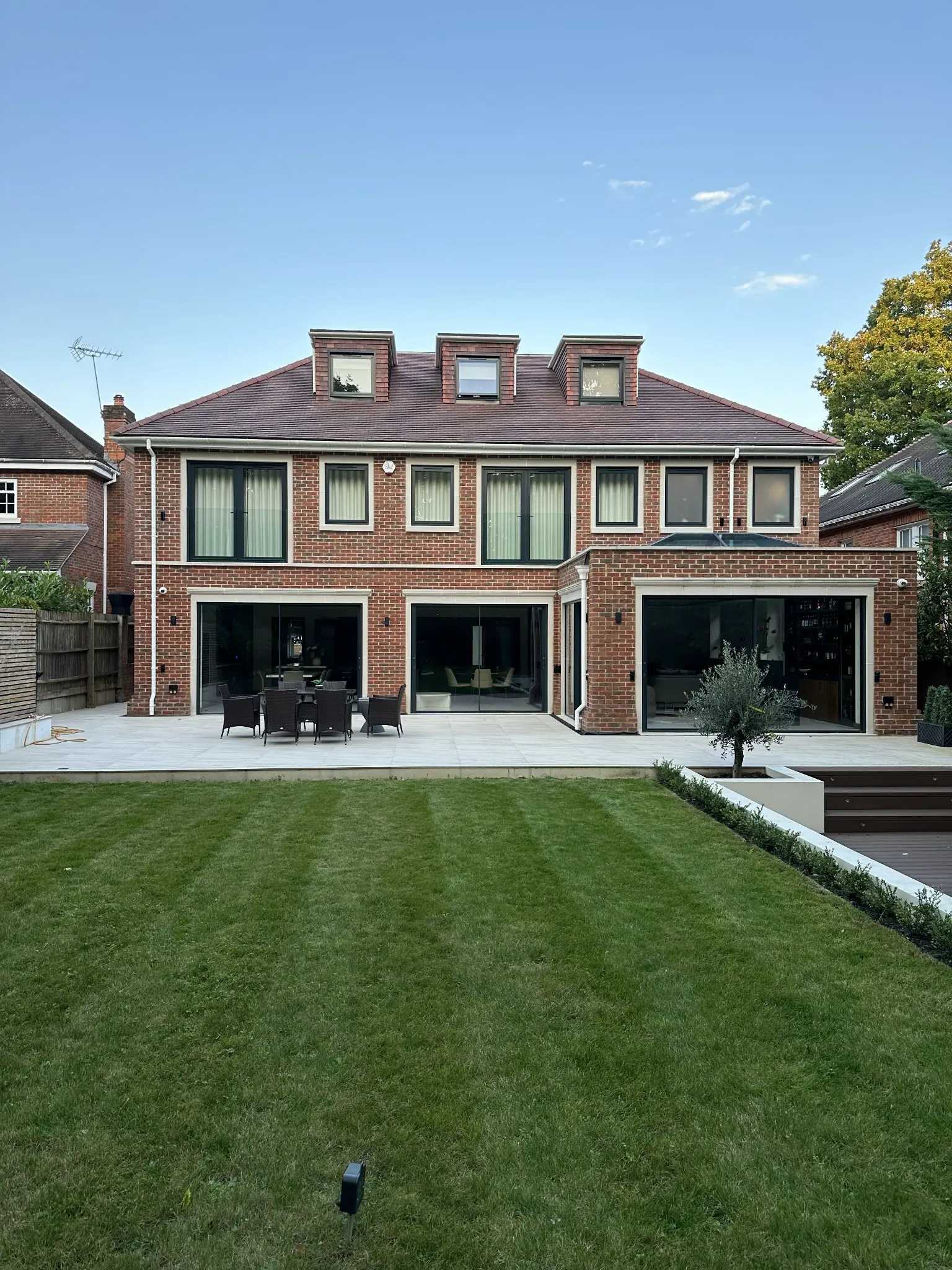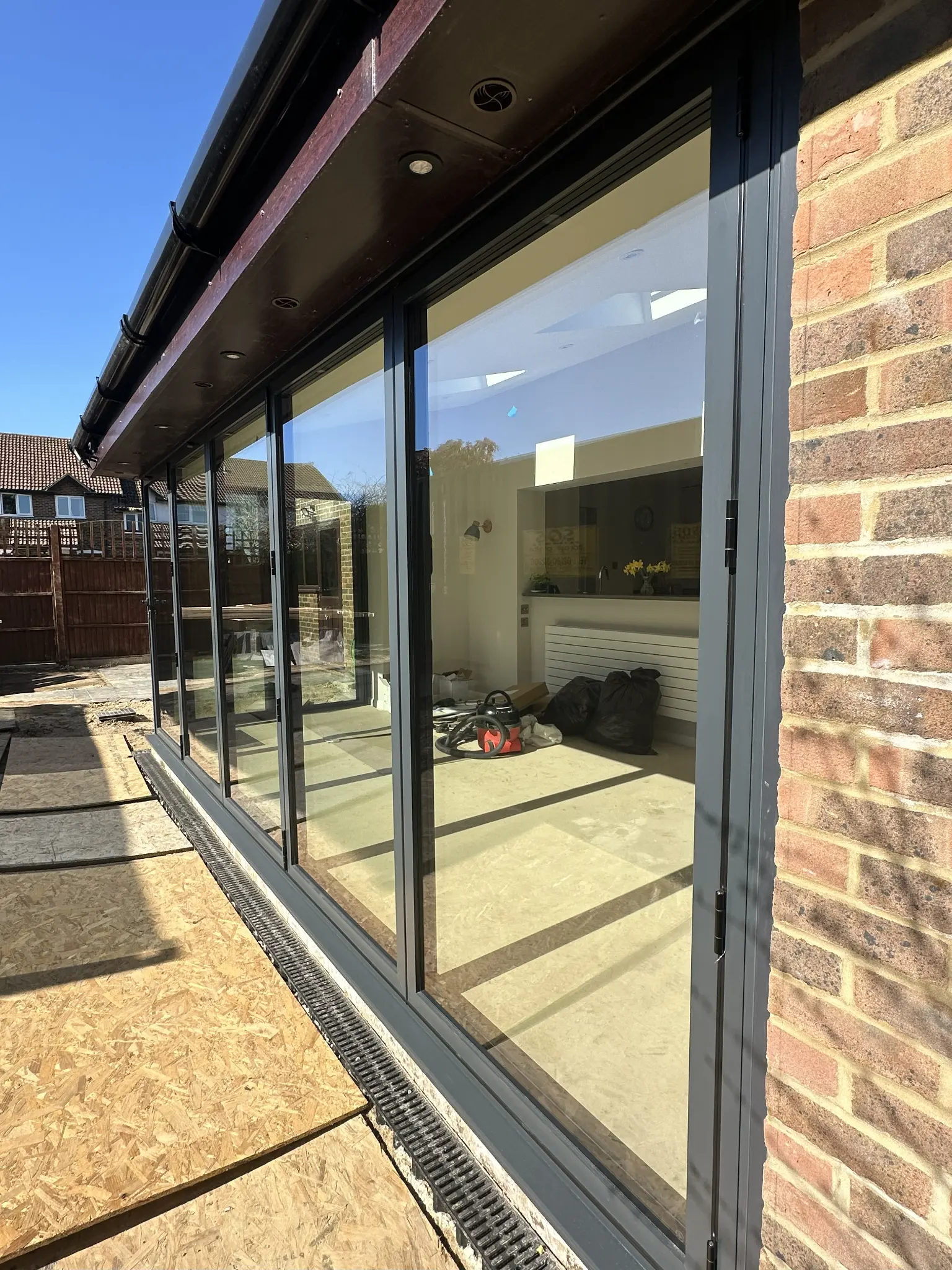


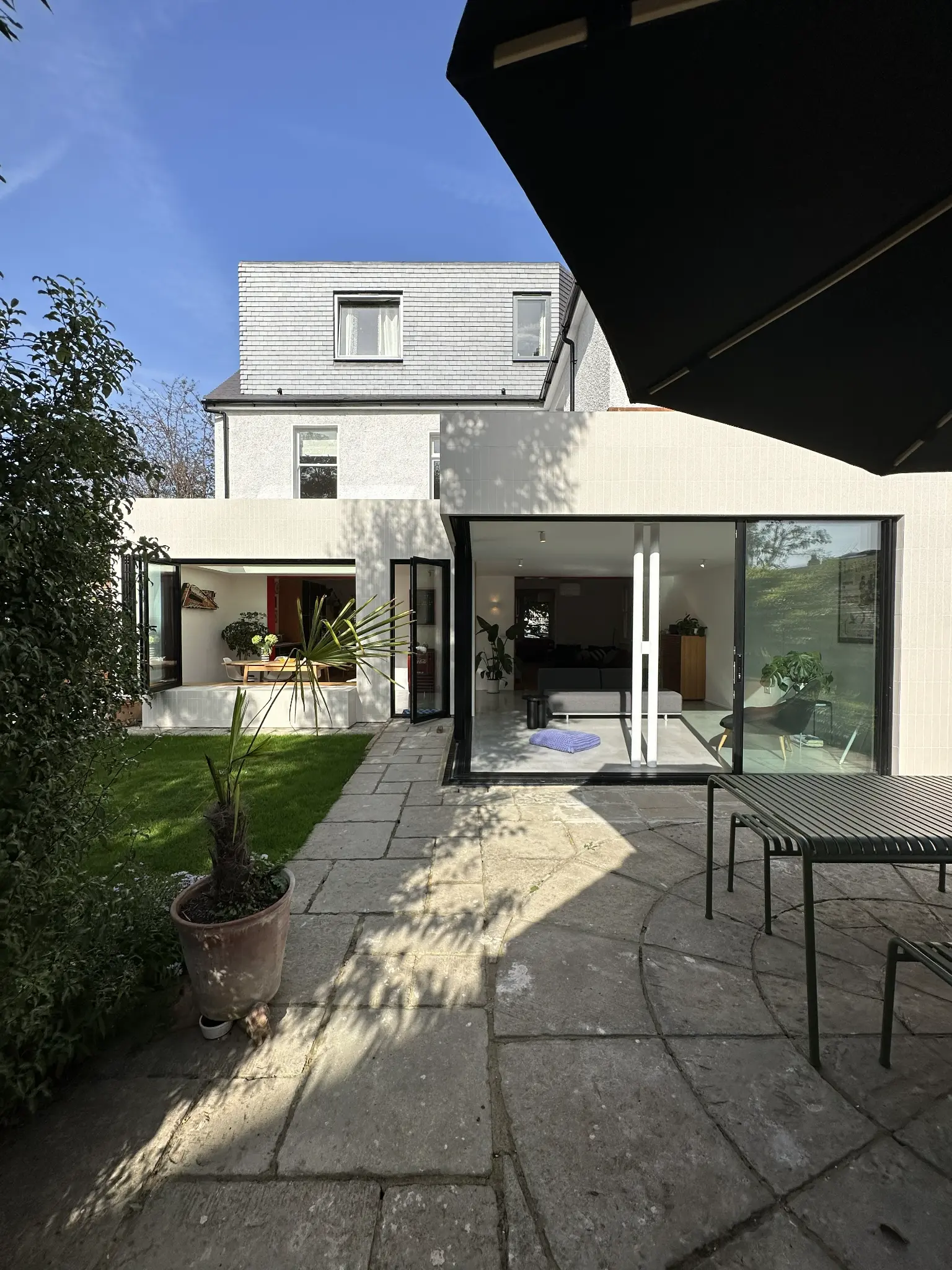

Owning a property on the UK coastline offers stunning views and a unique lifestyle, but it also subjects the building fabric to some of the harshest environmental conditions the country experiences. When specifying architectural glazing—windows, doors, and large glass installations—for a coastal location, standard specifications often fall short. The combination of high wind loads, abrasive salt spray, and intense UV radiation requires a robust, specialised approach to material selection and installation.
This guide provides UK homeowners with the essential technical knowledge needed to ensure their coastal glazing remains durable, energy-efficient, and compliant with current Building Regulations.
Coastal Challenges: Understanding Salt, Wind, and UV
The primary threats to glazing systems in coastal environments are corrosion, structural fatigue, and degradation of seals and coatings. Addressing these threats requires careful consideration of three main components: the glass unit, the frame material, and the hardware.
The Impact of Salt Spray and Corrosion
Salt (sodium chloride) is highly corrosive, particularly to metals. When salt spray settles on window frames and hardware, it accelerates rust and pitting. This is especially critical for components like hinges, locks, and runners, which must remain functional under constant exposure.
- Frame Protection: Aluminium frames require specific marine-grade powder coatings (often exceeding 60 microns thickness) or anodising treatments to prevent oxidation. PVC-U is naturally resistant to corrosion but must be UV-stable.
- Hardware Longevity: All exposed metallic hardware—screws, hinges, handles—should be made from high-grade 316 stainless steel. Standard 304 stainless steel or zinc-plated components will fail rapidly in a marine environment.
Managing High Wind Loads
Coastal areas are often classified as high-exposure zones, meaning glazing must be specified to withstand significantly higher wind pressures than inland properties. Failure to do so can lead to glass breakage, frame distortion, and water ingress.
The specification of the glass itself must account for these loads. The thickness of the glass (e.g., 6mm or 8mm rather than standard 4mm) and the use of laminated glass are often necessary. Furthermore, the frame system must be structurally rigid, often requiring steel reinforcement within PVC-U profiles or thicker aluminium extrusions.
UV Degradation and Glass Coatings
The reflection of sunlight off the sea surface can intensify UV exposure. This intense radiation can degrade polymeric materials (like seals and gaskets) and potentially cause fading to internal furnishings. Low-emissivity (Low-E) coatings are standard for energy efficiency, but some specialised coatings can also offer enhanced UV filtration without significantly compromising visible light transmission.
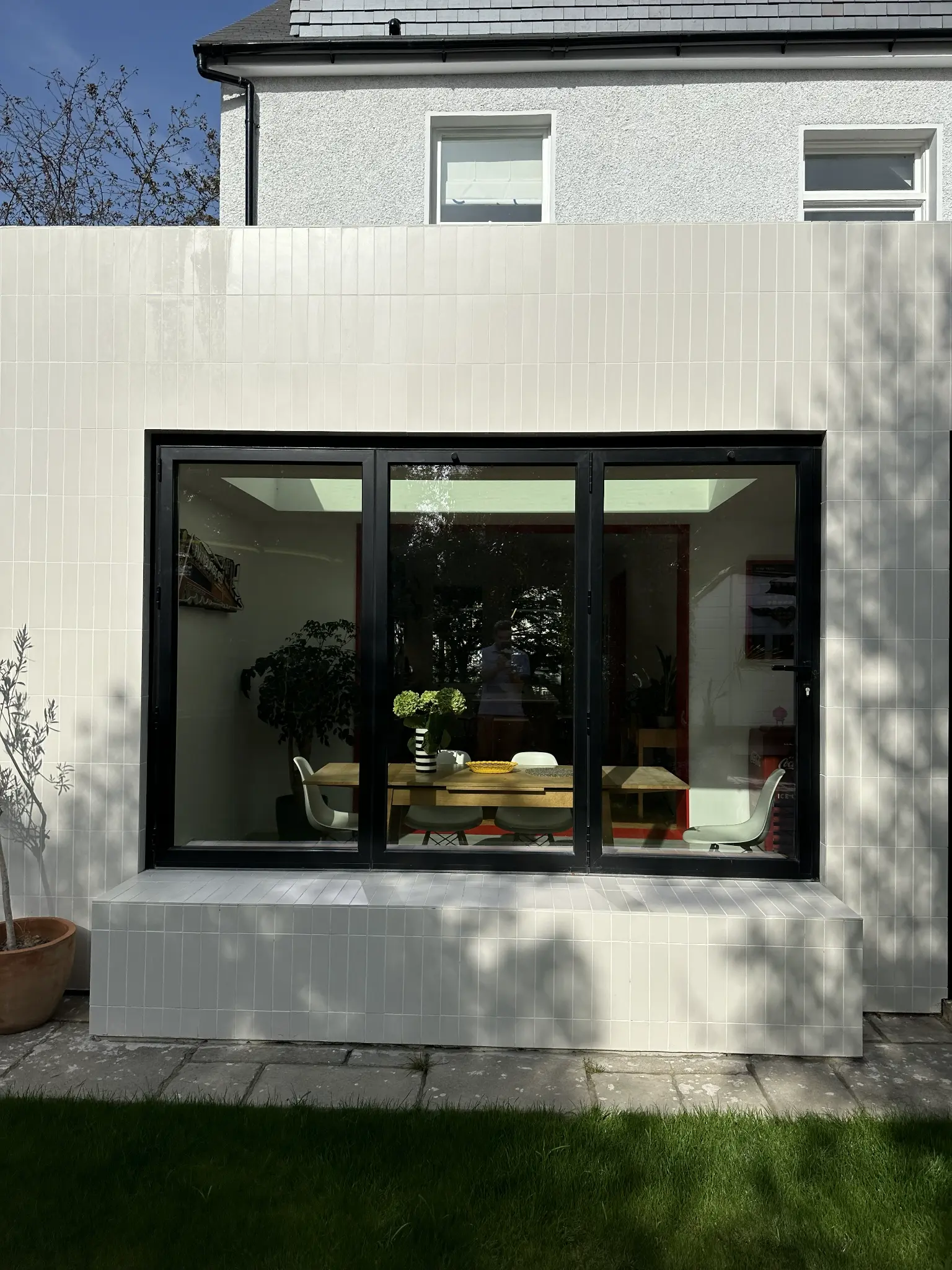
Glazing Specification for Durability and Performance
The sealed unit itself—the double or triple glazing—is the heart of the system. For coastal applications, the focus shifts slightly from purely thermal performance to resilience and safety.
Laminated vs. Toughened Glass
While standard double glazing typically uses toughened glass for safety, coastal locations often benefit significantly from the use of laminated glass, especially on the outer pane.
- Toughened Glass: Shatters into small, relatively harmless pieces upon impact. Good for safety, but leaves a large, immediate hole in the building envelope if broken by debris (e.g., storm-driven stones).
- Laminated Glass: Consists of two panes bonded together by a plastic interlayer (PVB). If broken, the glass adheres to the interlayer, remaining largely intact. This offers superior security and weather protection during severe storms.
Spacer Bars and Seals
The integrity of the sealed unit is crucial. Standard aluminium spacer bars can act as a thermal bridge, but more importantly, their proximity to the sea air can accelerate seal failure if the unit is not perfectly sealed. Warm Edge Spacer Bars (made of composite materials) are highly recommended for both thermal performance and enhanced longevity of the seal against moisture ingress.
Pro Tip
When specifying glazing for a coastal property, always request units that use a dual-seal system (primary butyl seal and secondary polysulphide or silicone seal). This provides maximum resistance against moisture penetration, which is accelerated by salt-laden air, preventing premature failure and 'misting' between the panes.
Frame Material Comparison for Coastal Environments
Choosing the right frame material is perhaps the most critical decision for long-term durability in a marine environment.
| Material | Pros for Coastal Use | Cons for Coastal Use | Maintenance Requirement |
|---|---|---|---|
| Aluminium | Extremely strong; suitable for large spans; marine-grade powder coating (Qualicoat Class 3 or Seaside Specification) offers excellent corrosion resistance. | Requires specific, high-quality pretreatment and coating; standard coatings will fail quickly. Higher cost. | Low, provided the coating is maintained and not scratched. |
| PVC-U | Excellent inherent corrosion resistance; good thermal performance; cost-effective. | Requires steel reinforcement for high wind loads; can suffer UV degradation (yellowing) if not specified with high-quality UV stabilisers. | Low; occasional cleaning. |
| Timber | Aesthetically pleasing; naturally resistant if treated correctly (e.g., Accoya or hardwoods). | Requires rigorous, regular maintenance (painting/staining) to prevent moisture ingress and rot, which is accelerated by salt. | High; essential annual checks. |
| Composite (Timber/Aluminium) | Combines the warmth of timber internally with the durability of marine-grade aluminium externally. | High initial cost; potential for differential expansion if not manufactured correctly. | Low on the external face. |
Installation and Weatherproofing
Even the best window will fail if poorly installed. In high-exposure coastal locations, the focus must be on robust sealing and drainage.
- Air and Water Tightness: Installation must achieve extremely high levels of air permeability (Class 4) and water tightness (E1200 or higher) as defined by BS 6375.
- Flashing and Sealants: Use high-performance, UV-stable, neutral-cure silicone sealants. Ensure that external seals are meticulously applied to prevent water and salt ingress into the wall cavity.
- Drainage: Ensure that the frame's drainage system (weep holes) remains clear. Salt deposits can easily block these channels, leading to water accumulation within the frame profile.
Building Regulations and Thermal Performance
All replacement and new glazing installations in England must comply with Part L (Conservation of Fuel and Power) of the Building Regulations 2022. While coastal demands focus on structural strength, thermal performance cannot be overlooked.
U-Values for Compliance
The U-value measures how effectively a component prevents heat loss. Lower U-values indicate better insulation. Current requirements stipulate:
- New Build (Windows/Doors): Maximum U-value of 1.2 W/m²K.
- Replacement Windows/Doors: Maximum U-value of 1.4 W/m²K.
Achieving these low U-values often requires high-performance double glazing (Low-E coatings, argon gas fills) or, increasingly, triple glazing, especially if the window-to-wall ratio is high.
Ventilation (Part F)
Coastal homes often rely on tightly sealed, high-performance glazing to combat the elements. However, this necessitates careful planning for ventilation (Part F). Adequate background ventilation, often provided by trickle vents, is required to maintain air quality and prevent condensation, especially in humid coastal conditions. Ensure that trickle vents specified are also rated for high wind and water resistance.
Note on Planning: While Building Regulations are mandatory, properties in conservation areas or Areas of Outstanding Natural Beauty (AONBs) often have additional planning restrictions regarding materials, colour, and frame depth. Always check with the local authority planning department before commencing work.
Maintenance and Longevity in a Marine Environment
Even the most robust coastal glazing requires specific maintenance to ensure its lifespan reaches its full potential. Ignoring maintenance in a high-salt environment will inevitably lead to premature failure.
- Regular Cleaning: Salt deposits must be washed off regularly. Salt attracts moisture and accelerates corrosion. Use fresh, clean water and a mild detergent. Avoid abrasive cleaners that can damage specialised coatings.
- Hardware Lubrication: Hinges, runners, and locking mechanisms should be lubricated every six months using a marine-grade lubricant (silicone or PTFE-based), not standard oil, which can attract dirt.
- Seal Checks: Periodically inspect all perimeter seals (silicone around the frame) and the internal seals of the glass unit for signs of cracking or degradation. Damaged seals must be replaced immediately to prevent moisture ingress into the structure.
Superior Durability
Selecting marine-grade materials (316 stainless steel hardware, Qualicoat aluminium) ensures the glazing system resists corrosion and structural fatigue for decades.
Enhanced Security
Laminated glass and robust, multi-point locking systems provide superior protection against intrusion and damage from storm-driven debris.
Optimised Energy Efficiency
High-performance Low-E glazing, combined with tight seals, helps maintain comfortable internal temperatures and meets stringent Part L thermal requirements.
Reduced Maintenance Burden
While regular cleaning is necessary, choosing materials like marine-grade aluminium or high-quality PVC-U significantly reduces the long-term maintenance required compared to traditional timber.
Summary and Specification Checklist
Specifying glazing for a coastal property is an investment in resilience. It requires a holistic approach that prioritises structural integrity and corrosion resistance alongside thermal performance.
- Glass: Specify laminated glass (at least the outer pane) for safety and storm resistance.
- Frame Material: Choose marine-grade aluminium (Qualicoat Class 3) or high-quality, UV-stable PVC-U with internal reinforcement.
- Hardware: Insist on 316-grade stainless steel for all exposed hinges, screws, and handles.
- Seals: Ensure the use of warm edge spacers and high-performance, UV-stable perimeter sealants.
- Testing: Verify that the chosen system has high ratings for air permeability, water tightness, and wind load resistance (BS 6375).
Consulting with specialists experienced in high-exposure coastal installations is highly recommended to ensure all specifications meet the demanding requirements of the UK’s shoreline environment.
***
If you are planning a renovation or new build on the UK coast, understanding these technical requirements is essential. Shard AG specialises in bespoke architectural glazing solutions engineered specifically for high-exposure environments. Our team works closely with architects and homeowners to specify systems that combine exceptional durability with stringent regulatory compliance, ensuring your coastal views are protected by the highest standards of engineering.