

Coastal Glazing: Protecting Your Home from the UK Elements
Discover essential glazing considerations for UK coastal properties. Learn about durability, insulation, and maintenance to safeguard your home against harsh marine environments.

Shard Architectural Glazing
2 April 2026
Discover essential glazing considerations for UK coastal properties. Learn about durability, insulation, and maintenance to safeguard your home against harsh marine environments.
📋In This Article
Living by the sea in the UK offers unparalleled beauty and a unique lifestyle. However, coastal environments present specific challenges for property owners, particularly when it comes to architectural glazing. The relentless combination of salt spray, strong winds, driving rain, and intense UV radiation can significantly impact the longevity and performance of windows and doors. Choosing the right glazing for a coastal property isn't just about aesthetics; it's about ensuring durability, thermal efficiency, and long-term protection for your home.
This comprehensive guide will delve into the critical factors to consider when selecting and maintaining glazing for coastal properties across the UK, helping you make informed decisions that stand the test of time and weather.
The Coastal Challenge: What Makes Glazing Different?
The marine environment is notoriously harsh on building materials. For glazing, the primary adversaries are:
- Salt Spray & Corrosion: Airborne salt particles are highly corrosive. They can degrade metal frames, hinges, and even attack certain glass coatings, leading to pitting, clouding, and structural weakening.
- High Winds & Impact: Coastal areas frequently experience higher wind speeds, placing immense pressure on windows and doors. This necessitates robust frames and secure fixings to prevent structural failure and air infiltration. Debris carried by wind can also cause impact damage.
- UV Radiation: While often overlooked, the reflective properties of water and open skies can intensify UV exposure. This can lead to accelerated degradation of sealants, gaskets, and even some frame materials, causing discolouration and embrittlement.
- Driving Rain & Moisture: Persistent rain, often wind-driven, tests the weatherproofing of glazing. Inadequate sealing can lead to water ingress, dampness, and mould within the property.
Understanding these challenges is the first step in selecting glazing that is truly fit for purpose in a coastal setting.
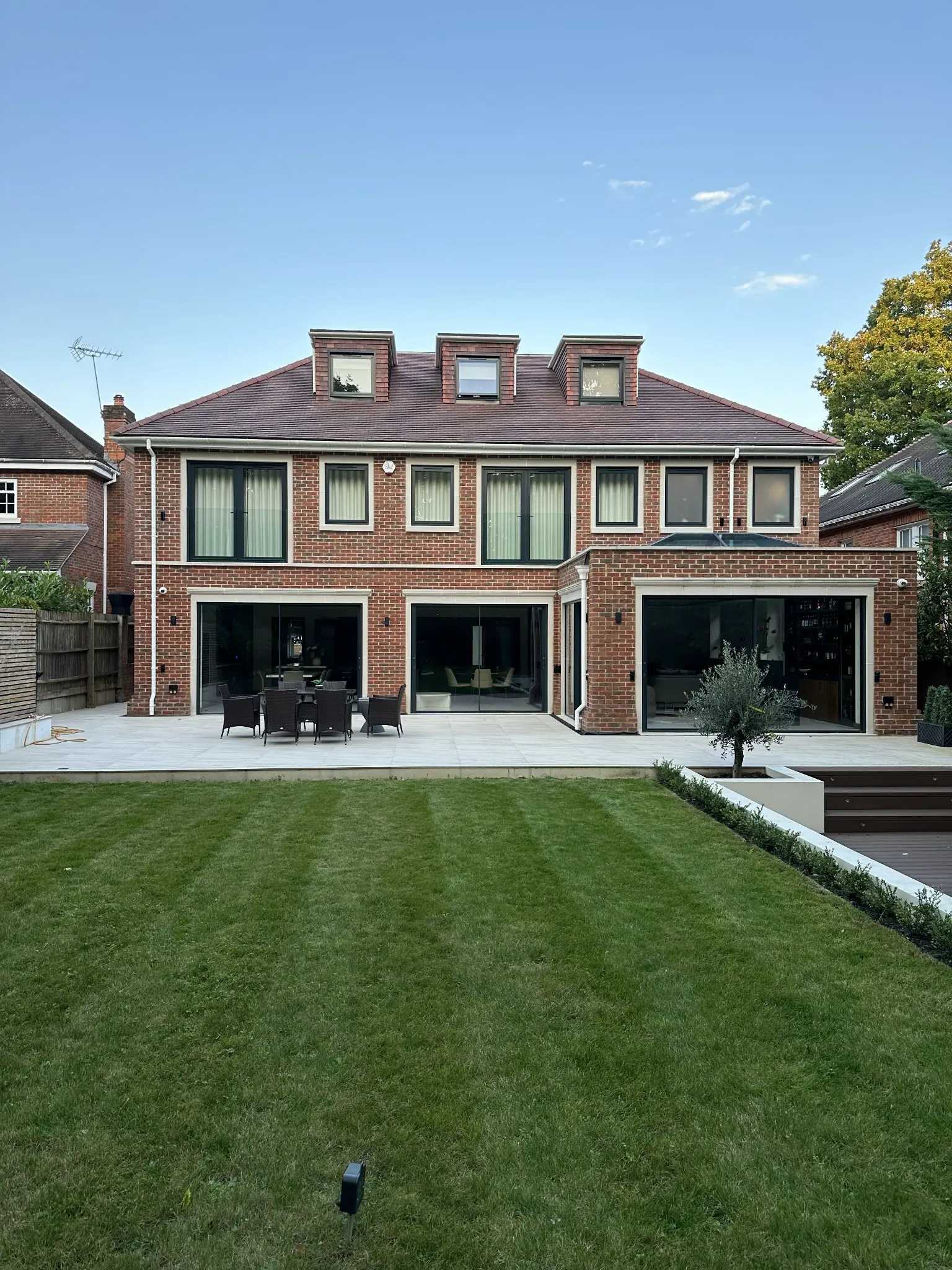
Frame Materials: Durability and Resistance
The frame material is crucial for coastal glazing, as it provides the structural integrity and often the primary defence against the elements. Each material has its advantages and disadvantages:
uPVC (Unplasticised Polyvinyl Chloride)
- Pros: Highly resistant to salt corrosion, moisture, and UV degradation. Excellent thermal performance, low maintenance, and cost-effective. Modern uPVC frames are available in a wide range of colours and finishes.
- Cons: Can sometimes be perceived as less premium than other materials. While durable, extreme temperature fluctuations can, over many decades, lead to some expansion/contraction.
Aluminium
- Pros: Extremely strong, allowing for slim sightlines and large glass expanses. Aluminium frames are inherently resistant to rust. Modern aluminium frames are typically powder-coated, providing an additional protective layer against salt and UV.
- Cons: Historically, aluminium was a poor thermal insulator, but modern systems incorporate thermal breaks to significantly improve U-values. Can be more expensive than uPVC. Ensure the powder coating is of high quality (e.g., marine-grade specification) for coastal use.
Timber
- Pros: Aesthetically pleasing, offering a natural look. Timber is a good natural insulator.
- Cons: Requires significant regular maintenance (painting, staining) to protect against moisture, salt, and UV. Without proper and frequent treatment, timber can rot, warp, and swell, especially in damp, salty environments. Certain timber species are more durable than others.
Composite (e.g., Timber-Aluminium)
- Pros: Combines the best of both worlds – the warmth of timber internally with the durability and low maintenance of aluminium externally. Excellent thermal performance.
- Cons: Generally the most expensive option.
Pro Tip
When considering aluminium or uPVC, always ask about the specific finish or coating. For aluminium, a high-quality, marine-grade powder coating (e.g., Qualicoat Class 2 or higher) is highly recommended. For uPVC, ensure it's UV-stabilised to prevent discolouration over time.
Glass Specifications: Beyond the Basic Pane
The glass itself is a critical component, and several factors need consideration for coastal applications:
Thermal Performance (U-values)
While coastal areas might not always experience the lowest inland temperatures, efficient thermal insulation is vital for comfort and reducing heating bills. UK Building Regulations Part L (Conservation of Fuel and Power) sets minimum performance standards:
- New Build Properties: Windows and doors must achieve a U-value of 1.2 W/m²K or better.
- Replacement Windows/Doors: Must achieve a U-value of 1.4 W/m²K or better.
To achieve these U-values, double glazing is the minimum standard, but triple glazing or advanced double glazing with low-emissivity (low-e) coatings and inert gas (e.g., Argon) infills are often preferred for superior performance.
Strength and Safety
- Toughened Glass: Essential for safety and impact resistance, especially in areas prone to high winds or potential debris. Building Regulations (Approved Document K – Protection from falling, collision and impact) mandate toughened or laminated glass in critical locations, such as within 800mm of the floor level, in or adjacent to doors, and in large panes.
- Laminated Glass: Offers enhanced security and acoustic insulation. If broken, the interlayer holds the glass in place, preventing large shards from falling. This can be beneficial in high-wind zones where impact is a concern.
Corrosion Resistance and Coatings
Some glass coatings, particularly certain low-e types, can be susceptible to damage from salt spray if not properly manufactured or installed. Discuss with your supplier about the suitability of specific coatings for marine environments. Self-cleaning glass, while not directly related to corrosion, can be a practical consideration for reducing maintenance from salt deposits.
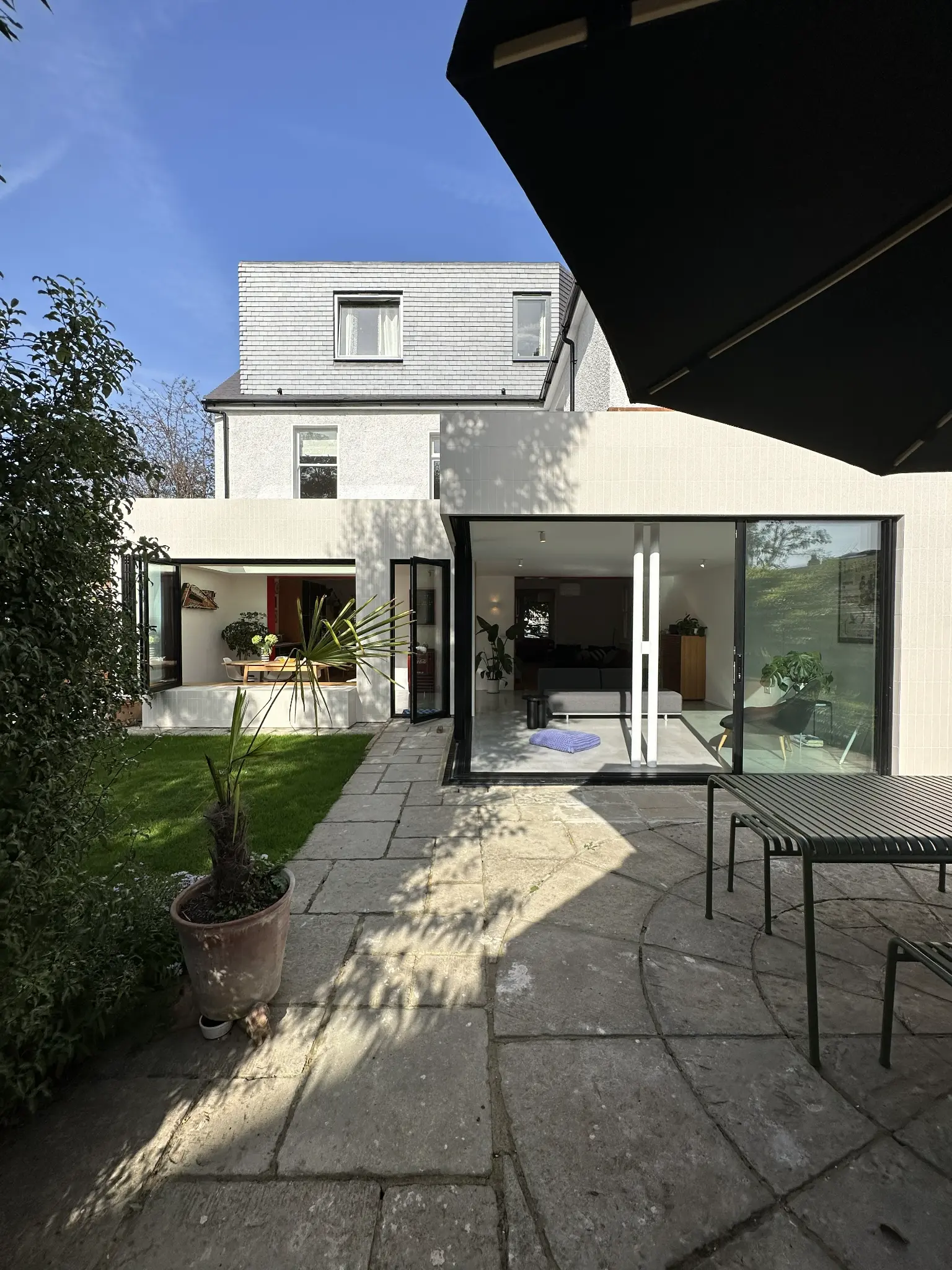
Hardware and Sealants: The Unsung Heroes
The best frames and glass can be undermined by poor quality hardware and sealants.
- Hardware: Hinges, handles, locks, and fixings should be made from corrosion-resistant materials such as 316 marine-grade stainless steel. Standard galvanised or chrome-plated hardware will quickly corrode in a coastal environment, leading to unsightly rust, stiff operation, and potential security issues.
- Sealants and Gaskets: High-quality, UV-stable EPDM (Ethylene Propylene Diene Monomer) or silicone-based gaskets and sealants are crucial. They maintain a watertight and airtight seal against driving rain and wind, and resist degradation from UV radiation and salt. Ensure that all internal and external seals are robust and properly installed.
UK Building Regulations and Standards
Any new installation or significant replacement of windows and doors must comply with current UK Building Regulations. For coastal properties, particular attention should be paid to:
- Part L (Conservation of Fuel and Power): As mentioned, U-values are critical. New build walls must achieve 0.18 W/m²K, floors 0.18 W/m²K, and roofs 0.15 W/m²K. Windows/doors for new builds must be 1.2 W/m²K, and replacements 1.4 W/m²K.
- Part F (Ventilation): Adequate ventilation must be maintained, often through trickle vents in windows, to prevent condensation and ensure good indoor air quality.
- Part K (Protection from Falling, Collision and Impact): Specifies safety glazing requirements.
- Part B (Fire Safety): Dictates requirements for means of escape through windows in certain rooms.
- Exposure Ratings: While not a specific Part of Building Regulations, British Standards like BS 6375 (Performance of windows and doors) are highly relevant. Manufacturers should be able to provide test data showing their products' resistance to wind load, water tightness, and air permeability, often categorised by exposure ratings. For coastal areas, products tested to higher exposure ratings are essential.
It is always advisable to consult with your local Building Control Body or a qualified professional to ensure your chosen glazing meets all specific requirements for your property's location and proposed works.
Enhanced Durability
Resists corrosion, impact, and UV degradation for a longer lifespan.
Superior Thermal Efficiency
Maintains comfortable indoor temperatures and reduces energy bills.
Increased Security & Safety
Robust frames and safety glazing protect against intruders and impact.
Reduced Maintenance
Materials and finishes chosen for coastal resilience minimise upkeep.
Maintenance for Longevity
Even with the most robust coastal glazing, regular maintenance is key to preserving its performance and appearance.
- Regular Cleaning: Frequent washing with fresh water (and a mild detergent if necessary) is essential to remove salt deposits. This prevents corrosion and etching, especially on glass and metal frames.
- Hardware Checks: Periodically lubricate hinges, locks, and moving parts with a suitable, non-corrosive lubricant (e.g., silicone-based spray). Check for any signs of rust or stiffness.
- Sealant Inspection: Inspect gaskets and sealants for cracks, shrinkage, or degradation. Damaged seals should be replaced promptly to prevent water ingress.
- Drainage Holes: Ensure drainage holes in the bottom of window and door frames are clear of debris to allow water to escape.
Coastal Glazing Comparison Table
| Feature | uPVC | Aluminium | Timber | Composite (Timber-Alu) |
|---|---|---|---|---|
| Corrosion Resistance | Excellent (inherently salt-resistant) | Excellent (with marine-grade powder coating) | Poor (requires constant maintenance) | Excellent (external aluminium) |
| Wind Load Resistance | Good (robust multi-chamber profiles) | Excellent (inherently strong, slim profiles) | Good (if well-maintained) | Excellent |
| Thermal Performance | Very Good (multi-chambered, good U-values) | Excellent (with thermal breaks) | Good (natural insulator) | Excellent |
| Maintenance | Very Low (wash with fresh water) | Low (wash with fresh water) | High (regular painting/staining) | Low (external aluminium) |
| Cost (Relative) | ££ | £££ | £££ | ££££ |
| Aesthetics | Versatile, modern finishes | Modern, slim sightlines | Traditional, natural look | Premium, modern/traditional blend |
Choosing glazing for a coastal property is a significant investment that pays dividends in comfort, energy efficiency, and peace of mind. By prioritising durable materials, high-performance glass, and robust hardware, you can ensure your home remains a safe, warm, and beautiful sanctuary, protected from the elements for many years to come.
At Shard AG, we specialise in high-performance architectural glazing solutions tailored for challenging environments, including coastal properties across the UK. Our expert team can guide you through the selection process, ensuring your windows and doors meet the highest standards of durability, thermal efficiency, and aesthetic appeal, all while complying with the latest UK Building Regulations. Contact us today to discuss your project and discover how our bespoke glazing can enhance and protect your coastal home.
Explore Our Products
Discover how Shard Architectural Glazing can transform your home with our premium glazing solutions:
Ready to Transform Your Home?
Get in touch with our expert team for a free consultation and personalised quote. We'll help you choose the perfect glazing solution for your property.