

Corner Sliding Doors: Maximising Light & Space in UK Homes
Explore the benefits of corner sliding doors for UK homes, from expansive views and natural light to seamless indoor-outdoor living. Understand design, regulations, and practical considerations.

Shard Architectural Glazing
22 February 2026
Explore the benefits of corner sliding doors for UK homes, from expansive views and natural light to seamless indoor-outdoor living. Understand design, regulations, and practical considerations.
📋In This Article
In modern architectural design, the pursuit of natural light, expansive views, and a seamless connection between indoor and outdoor spaces is paramount. For homeowners in the UK looking to elevate their property's aesthetic and functionality, corner sliding doors offer a sophisticated and highly effective solution. Moving beyond traditional patio doors, these innovative glazing systems eliminate the need for a fixed corner post, creating an uninterrupted panoramic opening that can transform any room.
This comprehensive guide delves into the myriad benefits of corner sliding doors, exploring their design principles, practical considerations, and how they integrate with UK building regulations. Whether you're planning a new build, an extension, or a significant renovation, understanding these systems can help you make an informed decision for your home.
What Are Corner Sliding Doors?
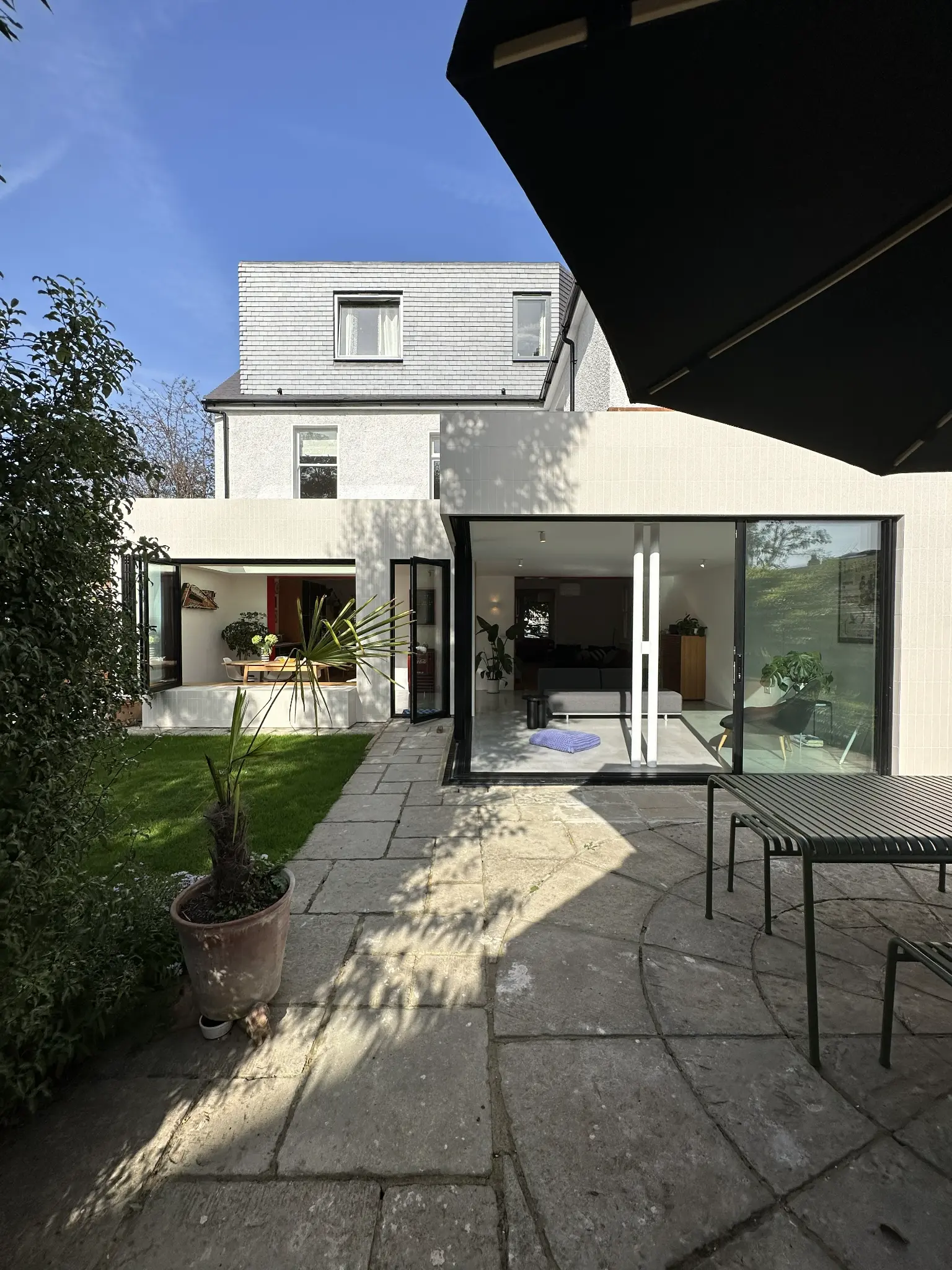
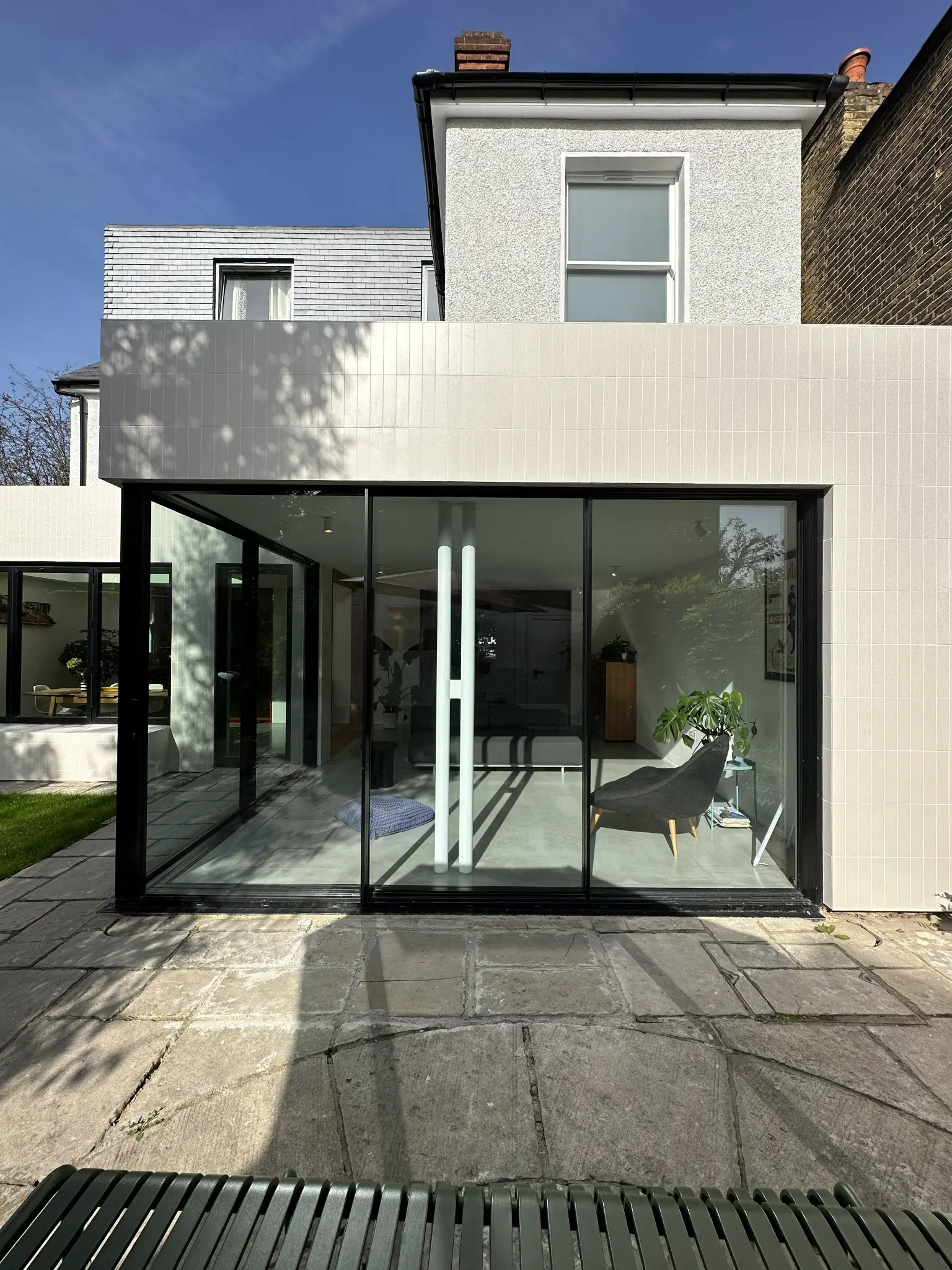
At their core, corner sliding doors are a variation of standard sliding patio doors, but with a crucial difference: they meet at a 90-degree angle and, when fully open, allow the corner itself to disappear. Unlike conventional corner glazing which typically features a fixed structural post at the junction, corner sliding doors are engineered to create a 'floating' or 'postless' corner. This is achieved through clever structural design, where the load-bearing elements are positioned away from the corner opening, often integrated into the walls adjacent to the door system.
The door panels themselves can be configured in various ways, such as two sets of doors meeting at the corner, or a single large panel sliding into a pocket wall while another slides along an external track. The result is an impressive, unobstructed opening that blurs the lines between your interior living space and your garden or patio.
Key Benefits of Corner Sliding Doors
The appeal of corner sliding doors extends far beyond their striking appearance. They offer a host of practical and aesthetic advantages for UK homeowners.
Unrivalled Views & Light
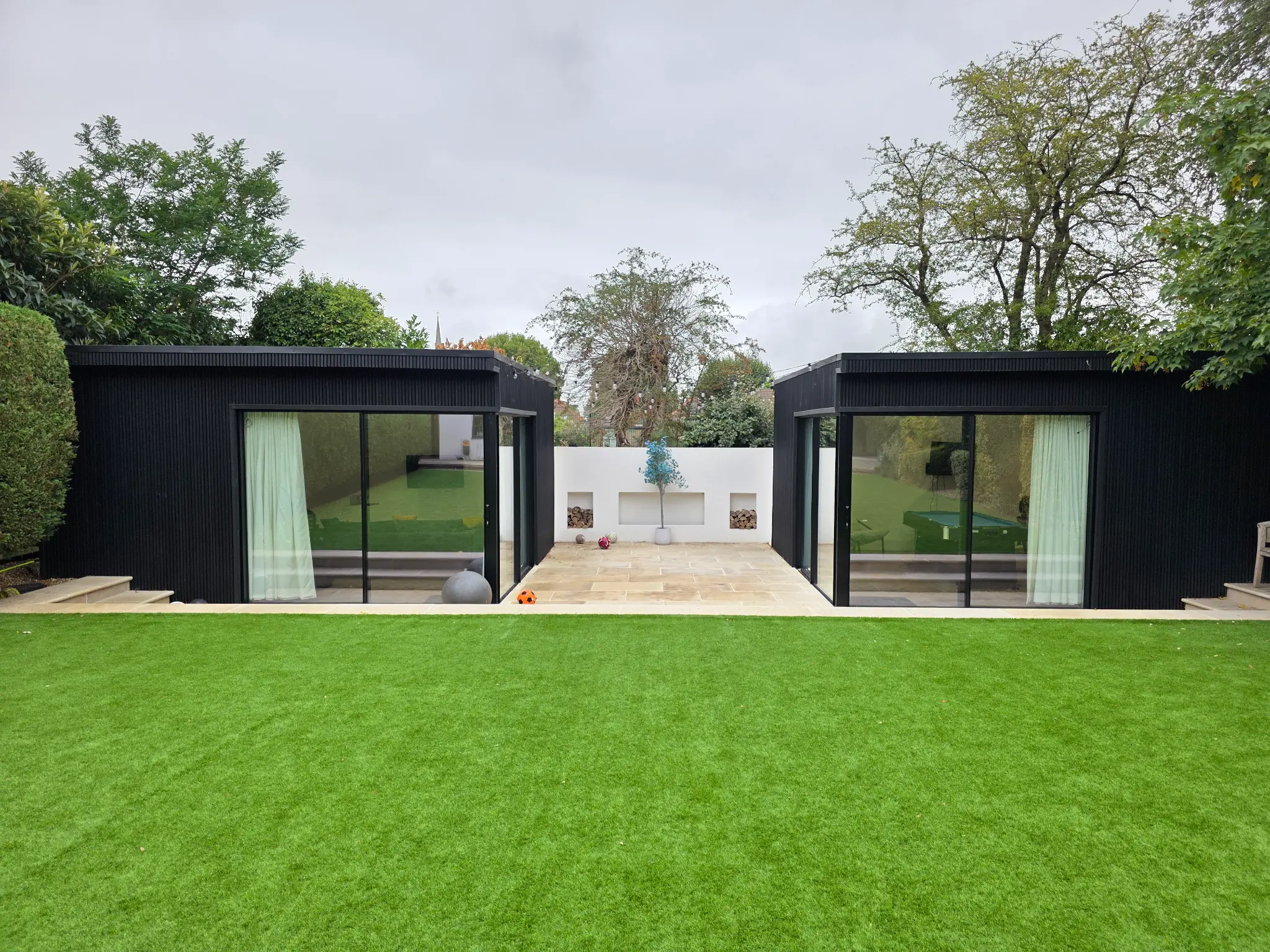
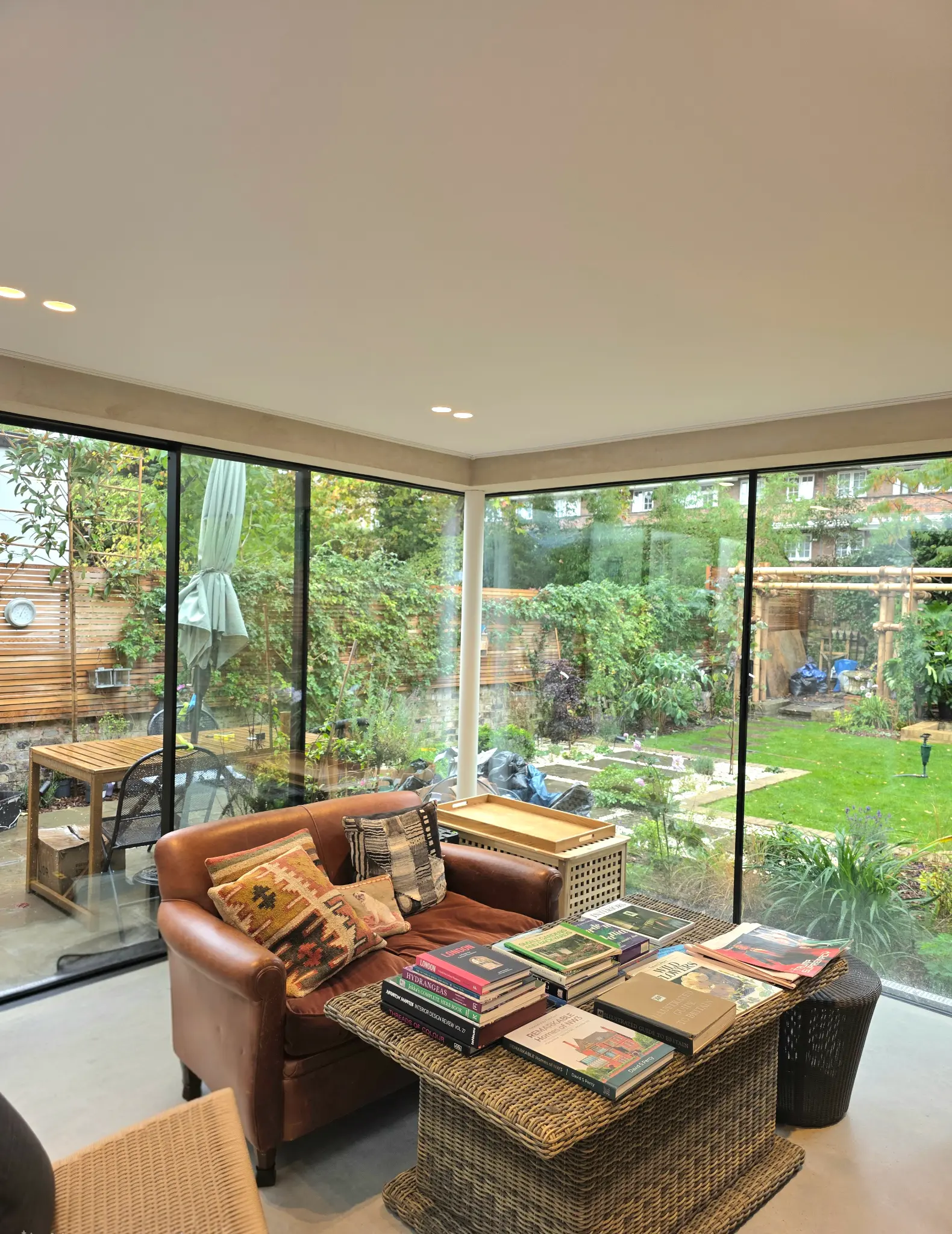
By removing the corner post, these doors provide an expansive, panoramic vista, maximising natural light penetration deep into your home. This creates a brighter, more inviting atmosphere and can make smaller spaces feel significantly larger.
Seamless Indoor-Outdoor Flow
When fully open, the corner disappears, creating an extraordinary connection to the outdoors. This is ideal for entertaining, allowing guests to move freely between your living space and garden, or simply enjoying your outdoor area from the comfort of your home.
Modern Aesthetic Appeal
The clean lines and minimalist design of corner sliding doors lend a contemporary, high-end finish to any property. They are a significant architectural feature that can enhance kerb appeal and potentially increase property value.
Optimised Space Utilisation
Unlike hinged doors that require clearance for opening, sliding doors operate within their own footprint. Corner configurations further enhance this by creating a large, functional opening without encroaching on internal or external space.
Pro Tip
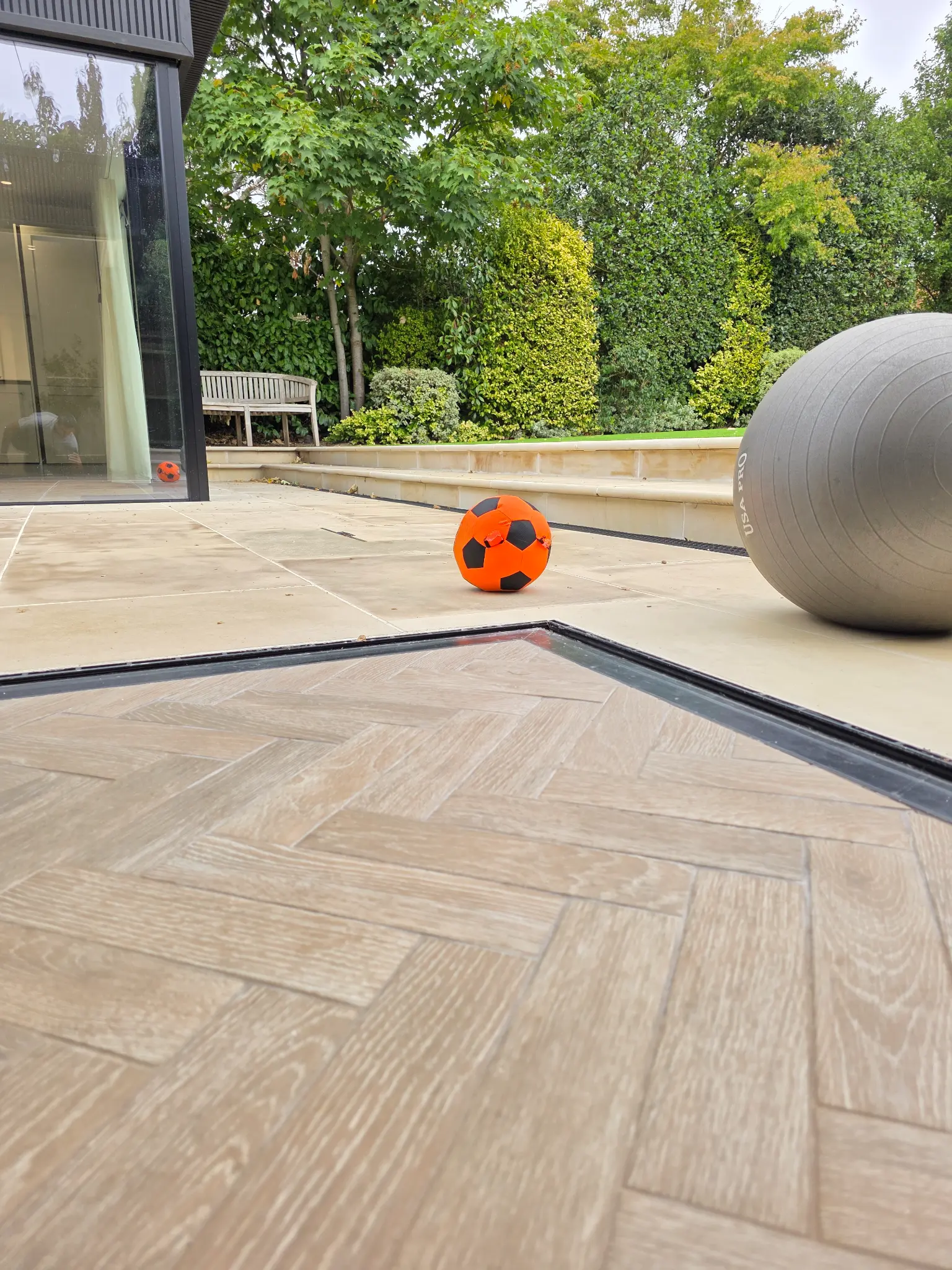
Consider a flush threshold design for your corner sliding doors. This eliminates any step between your internal floor and external patio, enhancing accessibility and further blurring the indoor-outdoor boundary. Ensure proper drainage is incorporated to prevent water ingress.
Design and Technical Considerations
While the benefits are clear, installing corner sliding doors requires careful planning and attention to technical details.
Structural Requirements
The most critical aspect is the structural support. Since the corner post is removed, the loads from the roof and any upper floors must be transferred elsewhere. This typically involves installing a substantial steel beam or a series of posts hidden within the adjacent walls, extending across the corner opening. An experienced structural engineer will be essential to design and specify the correct support system, ensuring the structural integrity of your property.
Glazing Performance and UK Building Regulations
As with all external glazing, corner sliding doors must comply with UK Building Regulations, particularly Part L (Conservation of Fuel and Power). This mandates specific thermal performance standards to ensure energy efficiency.
- U-values: The U-value measures how effectively a building element prevents heat from escaping. For new build properties and extensions in England, windows and doors (including corner sliding doors) typically require a U-value of 1.2 W/m²K or better. For replacement doors, the requirement is 1.4 W/m²K. Your chosen system must meet or exceed these values.
- Glass Specification: Double glazing is the minimum standard, often with a low-emissivity (low-e) coating and argon gas infill to improve thermal performance. Triple glazing may be considered for even better insulation, though it adds weight and cost.
- Frame Material: The frame material significantly impacts the overall U-value. Thermally broken aluminium is a popular choice for its strength, slim sightlines, and excellent thermal performance. Timber and composite frames can also achieve high performance.
- Weather Resistance: Given the large opening, robust weather sealing and drainage systems are crucial to protect against wind, rain, and draughts.
Security
Large glazing systems, including corner sliding doors, must offer adequate security. Look for systems that comply with PAS 24:2016, a UK standard for enhanced security performance. Key features include multi-point locking mechanisms, anti-lift devices, and toughened or laminated glass.
Operation and Configuration
Consider how the doors will operate:
- Sliding into a pocket: Some designs allow panels to slide entirely into a cavity wall, completely disappearing from view. This offers the ultimate unobstructed opening but requires significant structural work for the pocket.
- Sliding externally: Panels slide along tracks and stack externally, either against an adjacent wall or a dedicated stacking area. This is often simpler to install but means the panels remain visible when open.
- Manual vs. Automated: Most corner sliding doors are manually operated, but larger, heavier systems can be automated for ease of use.
Comparison with Other Glazing Options
To help you decide, here's how corner sliding doors stack up against other popular large glazing solutions:
| Feature | Corner Sliding Doors | Bi-Fold Doors | Standard Sliding Doors |
|---|---|---|---|
| Corner Opening | Full, unobstructed 'floating' corner | Fixed corner post typically required | Fixed corner post typically required |
| Open Space (%) | Up to 90-100% (with pocket systems) | Up to 90% (panels stack) | Typically 50% (one panel slides over another) |
| Sightlines (Frame Width) | Often very slim (e.g., 20-30mm) | Generally wider (e.g., 80-120mm per panel) | Slim to moderate (e.g., 20-50mm) |
| Thermal Performance (U-value) | Excellent (1.2-1.4 W/m²K achievable) | Very Good (1.2-1.4 W/m²K achievable) | Excellent (1.2-1.4 W/m²K achievable) |
| Cost | High (due to complex engineering) | Moderate to High | Moderate |
| Maintenance | Low (smooth operation, durable materials) | Moderate (more moving parts) | Low (smooth operation) |
Planning and Installation
The successful integration of corner sliding doors into your home relies heavily on meticulous planning and professional installation.
Engaging Professionals
You will need a team of experts:
- Architect/Designer: To integrate the doors seamlessly into your overall design, considering aesthetics, light, and flow.
- Structural Engineer: Absolutely critical for designing the necessary support structure to remove the corner post safely.
- Building Control: Your local authority's Building Control department will need to approve the plans and inspect the work to ensure compliance with all relevant Building Regulations. This is a legal requirement for structural alterations and new glazing.
- Specialist Glazing Installer: Choose a company with proven experience in installing complex glazing systems, particularly corner sliding doors. They should be FENSA or CERTASS registered for replacement installations, or work closely with Building Control for new builds/extensions.
Budgeting
Corner sliding doors represent a significant investment. Their cost is typically higher than standard sliding or bi-fold doors due to the bespoke engineering and structural work involved. Factor in not just the door system itself, but also the structural steelwork, architectural fees, engineering fees, and installation costs.
Long-Term Considerations
Maintenance
Modern corner sliding door systems are designed for durability and low maintenance. Regular cleaning of glass and frames, along with occasional lubrication of tracks and moving parts, will ensure smooth operation for many years. Always follow the manufacturer's specific maintenance guidelines.
Energy Efficiency and Comfort
While meeting U-value requirements is essential, also consider factors like solar gain. Large expanses of glass can lead to overheating in summer. Specifying glass with solar control coatings or incorporating external shading solutions (e.g., brise soleil, external blinds) can help maintain comfortable internal temperatures year-round.
Conclusion
Corner sliding doors are a truly transformative architectural feature, offering unparalleled views, abundant natural light, and an extraordinary connection to the outdoors. For UK homeowners seeking to create a truly modern and open living space, they represent an investment that can significantly enhance both the enjoyment and value of their property.
However, their successful implementation demands careful planning, expert structural design, and adherence to stringent building regulations. By engaging the right professionals and understanding the technical nuances, you can confidently bring the vision of a 'disappearing corner' to life in your home.
At Shard AG, we specialise in designing, supplying, and installing high-performance architectural glazing solutions, including bespoke corner sliding door systems. Our team works closely with architects, builders, and homeowners across the UK to deliver innovative and compliant glazing projects. Contact us to discuss how a corner sliding door could redefine your living space.
Explore Our Products
Discover how Shard Architectural Glazing can transform your home with our premium glazing solutions:
Ready to Transform Your Home?
Get in touch with our expert team for a free consultation and personalised quote. We'll help you choose the perfect glazing solution for your property.