

Crittall Style Doors: A Comprehensive UK Homeowner's Guide
Explore Crittall style doors and screens, their history, benefits, and technical considerations for UK homes. Understand materials, regulations, and installation.

Shard Architectural Glazing
11 February 2026
Explore Crittall style doors and screens, their history, benefits, and technical considerations for UK homes. Understand materials, regulations, and installation.
📋In This Article
In the world of architectural design, certain styles transcend fleeting trends to become enduring classics. Crittall style doors and screens are a prime example, renowned for their distinctive industrial aesthetic, slim profiles, and exceptional light-maximising qualities. Originating from a British manufacturer with a rich heritage, these steel-framed glazing systems have experienced a significant resurgence in popularity, becoming a sought-after feature in contemporary and period properties across the UK.
This comprehensive guide will delve into everything UK homeowners need to know about Crittall style doors, from their historical roots and design principles to modern material options, technical specifications, and crucial Building Regulation considerations. Whether you're planning a renovation, an extension, or simply seeking to inject a touch of timeless elegance into your home, understanding the nuances of Crittall style will empower you to make informed decisions.
History and Design Principles of Crittall Style
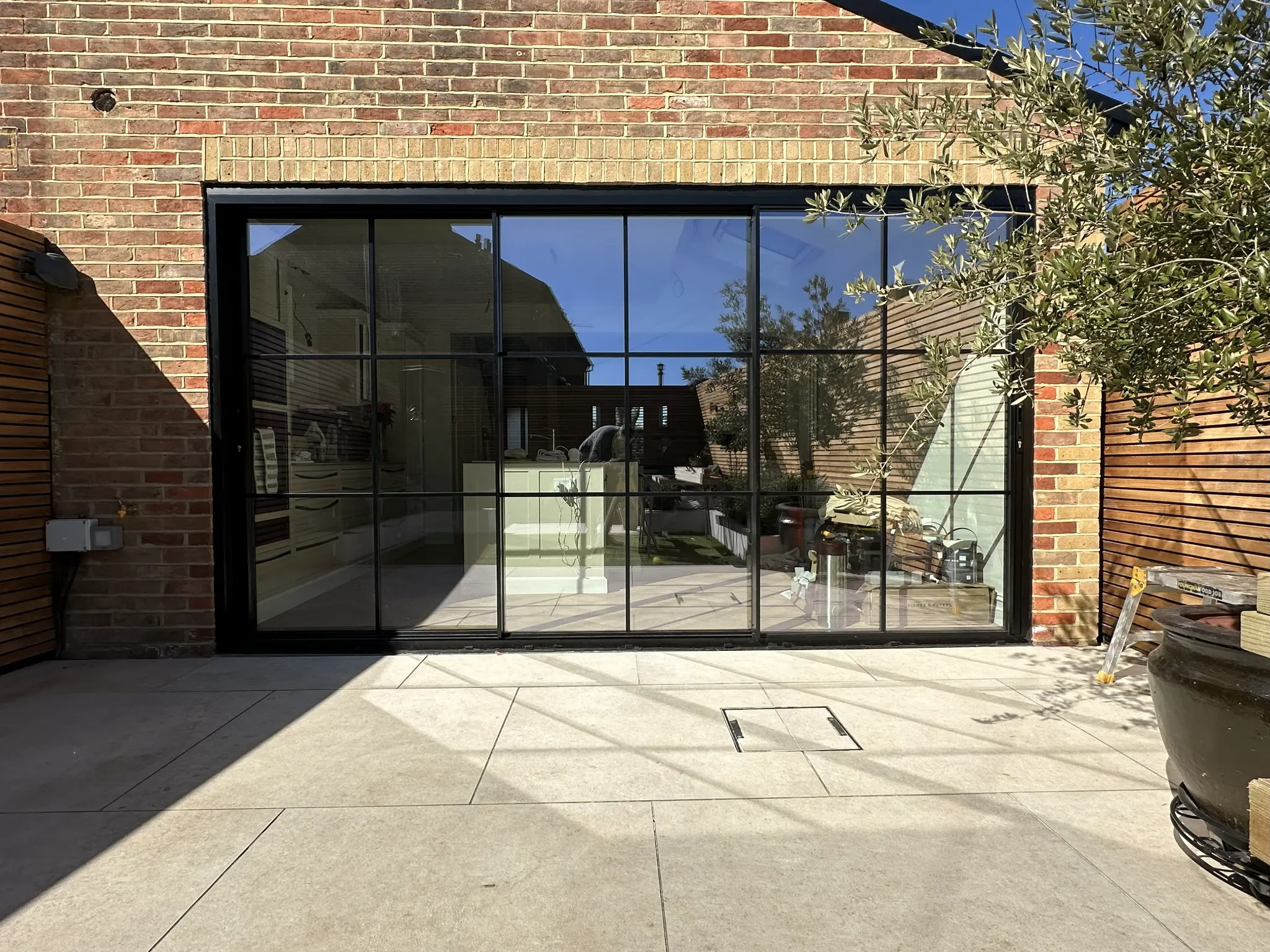
The term 'Crittall' often refers to a specific aesthetic rather than solely the products of the original Crittall Windows Ltd. The company, founded in 1849 in Braintree, Essex, pioneered the manufacture of modular steel windows and doors. Their innovative designs, characterised by slender frames and multiple glazing bars creating a grid-like pattern, became synonymous with the Art Deco and Modernist movements of the early 20th century.
The Enduring Appeal of the Aesthetic
The distinctive look of Crittall style is defined by several key design principles:
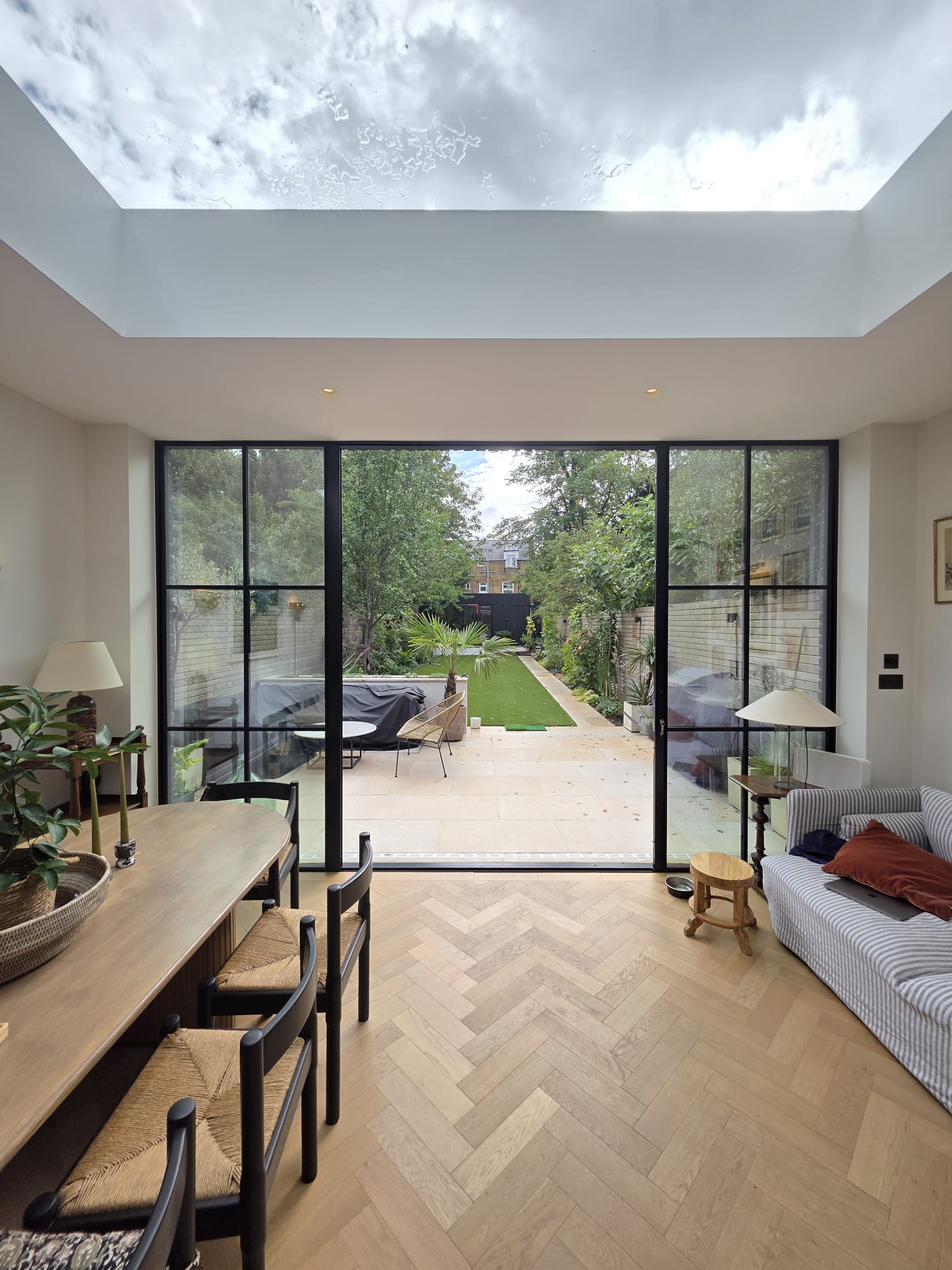
- Slim, Minimalist Frames: Traditionally crafted from steel, these frames are incredibly strong, allowing for very narrow sightlines that maximise the glazed area.
- Grid-Like Panes: The use of multiple glazing bars (muntins and transoms) creates a characteristic grid pattern, often with small, individual panes of glass. This design not only adds visual interest but also historically provided structural integrity for larger openings before the advent of large single glass sheets.
- Industrial Elegance: The raw, robust nature of steel, typically finished in black or dark grey, lends an industrial edge that complements both period architecture and modern minimalist interiors.
- Maximised Light Transmission: Despite the grid, the slim frames ensure that a significant amount of natural light can penetrate, brightening interiors and creating a sense of openness.
This combination makes Crittall style incredibly versatile, suitable for internal partitions, external doors, windows, and even shower screens, seamlessly blending functionality with sophisticated design.
Materials and Modern Alternatives: Steel vs. Aluminium
While the original Crittall products are made from hot-rolled steel, the popularity of the style has led to the development of alternatives, primarily in aluminium. Understanding the differences between these materials is crucial for making the right choice for your project.
Steel Crittall Style Doors
- Authenticity: For true authenticity and the slimmest possible sightlines, hot-rolled steel remains the benchmark. Steel's inherent strength allows for incredibly slender profiles, often as narrow as 20-30mm.
- Durability: Steel is exceptionally strong and durable, offering excellent longevity. Modern steel frames are typically galvanised and powder-coated for enhanced corrosion resistance, though they may require more maintenance than aluminium in certain environments.
- Thermal Performance: Traditional steel frames are highly conductive, meaning they are not inherently thermally efficient. However, modern steel systems often incorporate thermal breaks – a non-conductive barrier within the frame – to significantly improve their U-values.
- Cost: Generally, steel Crittall style systems are at the higher end of the price spectrum due to the material cost, manufacturing complexity, and specialist installation.
Aluminium Crittall Style Doors
- Versatility: Aluminium offers a highly versatile and often more cost-effective alternative. It can be extruded into profiles that mimic the slim lines of steel, though typically slightly thicker (e.g., 35-50mm).
- Thermal Performance: Aluminium is an excellent conductor, but modern aluminium frames almost always feature integrated thermal breaks as standard, making them highly thermally efficient. This is a significant advantage for external applications.
- Maintenance: Aluminium is naturally corrosion-resistant and requires very little maintenance beyond occasional cleaning.
- Weight: Aluminium is lighter than steel, which can simplify installation and reduce structural load, though this is rarely a primary concern for doors.
- Cost: Generally more affordable than genuine steel systems, making the Crittall aesthetic accessible to a broader range of budgets.
Pro Tip
When comparing steel and aluminium, always ask for the specific frame thickness (sightline) and the U-value of the complete system (frame + glazing). This will give you a clear picture of both the aesthetic impact and the thermal performance.
Comparison Table: Steel vs. Aluminium Crittall Style
| Feature | Steel Crittall Style | Aluminium Crittall Style |
|---|---|---|
| Authenticity | High (original material) | High (modern interpretation) |
| Frame Sightlines | Extremely slim (20-30mm) | Slim (35-50mm typically) |
| Thermal Performance | Requires thermal breaks; can achieve good U-values | Excellent with thermal breaks (standard) |
| Durability | Very high; galvanised & powder-coated | High; naturally corrosion-resistant |
| Maintenance | Low-medium (powder coating) | Very low |
| Cost | Higher | Medium-High |
| Typical Use | Internal partitions, external doors/windows | Internal partitions, external doors/windows |
UK Building Regulations and Technical Considerations
For any significant home improvement involving doors and glazing, compliance with UK Building Regulations is paramount. This is particularly true for external Crittall style doors and screens, but internal installations also have considerations.
Thermal Performance (Part L)
For external doors and windows, thermal performance is a critical factor. Part L (Conservation of Fuel and Power) of the Building Regulations (England, 2022 edition) sets stringent requirements for U-values:
- New Build & Extensions: External windows and doors must achieve a U-value of 1.2 W/m²K or better.
- Replacement Windows & Doors: External replacement windows and doors must achieve a U-value of 1.4 W/m²K or better.
Achieving these values with slim-framed systems requires advanced glazing and thermally broken frames. Double glazing is almost always essential, and sometimes triple glazing or specialist low-emissivity glass may be needed, especially for steel frames without robust thermal breaks.
Safety Glazing (Part K)
Part K (Protection from Falling, Collision and Impact) dictates where safety glazing is required to prevent injury. This includes:
- Any glazing in a door.
- Glazing adjacent to a door, where the glazing is within 300mm of the door's opening edge and extends to floor level.
- Glazing in critical locations, such as low-level glazing (below 800mm from floor level) in walls.
Safety glazing must be either toughened or laminated glass, complying with BS EN 12150 (toughened) or BS EN ISO 12543 (laminated). For Crittall style, individual small panes within a grid are often subject to these rules.
Ventilation (Part F)
When replacing windows or doors, you must ensure that the ventilation provisions of the building are not worsened. This often means installing trickle vents in new or replacement windows/doors, especially in habitable rooms, to comply with Part F (Ventilation).
Fire Safety (Part B)
For internal Crittall style doors, particularly those separating different parts of a dwelling or leading to an escape route, fire safety (Part B) may be a consideration. Fire-rated Crittall style systems are available, incorporating specialist fire-resistant glass and intumescent strips, but these will be thicker and more expensive than standard options.
Acoustic Performance (Part E)
If your Crittall style doors are intended to reduce noise transmission (e.g., between a busy living area and a quiet study, or for external doors in a noisy urban environment), consider the acoustic performance of the glass. Laminated glass generally offers better sound insulation than toughened glass.
Installation and Structural Considerations
The installation of Crittall style doors, especially large external screens, requires precision. The frames are heavy, particularly steel, and the opening must be perfectly square and plumb. For large openings, a structural engineer may need to assess the lintel and surrounding structure to ensure it can support the weight.
(1).jpg)
Benefits and Considerations for UK Homeowners
Crittall style doors offer a compelling blend of aesthetics and functionality, but it's important to weigh both the advantages and potential drawbacks.
Enhanced Aesthetics
The distinctive grid pattern and slim frames create a sophisticated, timeless look that complements both period and contemporary architecture. They add character and a touch of industrial chic.
Maximised Natural Light
The minimal frame profiles allow an abundance of natural light to flood interiors, making spaces feel larger, brighter, and more inviting, even in smaller rooms or hallways.
Space Division & Connection
Ideal for open-plan living, they can delineate zones without sacrificing light or a sense of connection. Internal screens create 'broken plan' layouts, offering privacy when needed without full enclosure.
Increased Property Value
As a highly desirable architectural feature, well-designed and installed Crittall style doors can significantly enhance the perceived value and market appeal of a property.
Potential Considerations
- Cost: Genuine steel Crittall systems are a premium product. Aluminium alternatives are more accessible but still represent a significant investment compared to standard doors.
- Thermal Performance (for external use): While modern systems incorporate thermal breaks, achieving the very best U-values can be more challenging with the slimmest frames compared to chunkier, purpose-built thermally efficient frames. Always check the U-value.
- Privacy: The extensive glazing means less privacy. For areas requiring discretion, consider frosted, reeded, or obscured glass options for some or all panes.
- Cleaning: While individual panes are small, the sheer number of them, plus the frame, can mean more cleaning effort than a single large pane of glass.
- Installation Complexity: Due to their weight and precision engineering, professional installation is crucial to ensure proper operation, weatherproofing (for external doors), and longevity.
Applications and Design Ideas
The versatility of Crittall style doors and screens makes them suitable for a myriad of applications within the UK home.
Internal Applications
- Room Dividers: Perfect for separating a kitchen from a dining area, a living room from a hallway, or creating a home office within an open-plan space. They maintain light flow and visual connection.
- Shower Screens: A popular choice for contemporary bathrooms, offering a chic, minimalist enclosure.
- Wardrobe Doors: Can create a striking feature for walk-in wardrobes or built-in cupboards.
- Wine Cellars/Pantries: Ideal for showcasing contents while maintaining a distinct boundary.
External Applications
- Garden Room/Orangery Doors: Maximise light and views, creating a seamless transition between indoor and outdoor spaces.
- French Doors/Bifold Doors: Crittall style bifold or French doors offer a unique take on these popular external door types, adding an industrial edge.
- Front Doors: A Crittall style front door can make a powerful architectural statement, often combined with matching side panels.
- Extensions: Large Crittall style screens are a fantastic way to bring light into new extensions, particularly those with a contemporary or industrial design.
Choosing the Right Supplier and Installer
Given the technical nature and investment involved, selecting a reputable supplier and installer is paramount. Look for companies with a proven track record in manufacturing and installing Crittall style systems, whether genuine steel or high-quality aluminium alternatives.
- Experience: Choose a company with extensive experience in this specific product type.
- Accreditations: Check for industry accreditations (e.g., FENSA, CERTASS for external glazing) and memberships in professional bodies.
- Warranty: Understand the warranty offered on both the product and the installation.
- Building Regulations Knowledge: Ensure they are fully conversant with current UK Building Regulations and can advise on compliance for your specific project.
- Site Survey: A detailed site survey is essential to ensure accurate measurements and identify any structural considerations.
Crittall style doors and screens offer a timeless, elegant, and highly functional glazing solution for UK homes. By understanding the materials, technical requirements, and design possibilities, homeowners can confidently incorporate this iconic aesthetic into their property, creating spaces that are both beautiful and compliant.
At Shard AG, we specialise in bespoke architectural glazing solutions, including high-performance Crittall style doors and screens. Our expert team can guide you through the options, ensuring your project meets all aesthetic, functional, and regulatory requirements. Contact us today to discuss how we can bring the enduring appeal of Crittall style to your home.
Explore Our Products
Discover how Shard Architectural Glazing can transform your home with our premium glazing solutions:
Ready to Transform Your Home?
Get in touch with our expert team for a free consultation and personalised quote. We'll help you choose the perfect glazing solution for your property.