

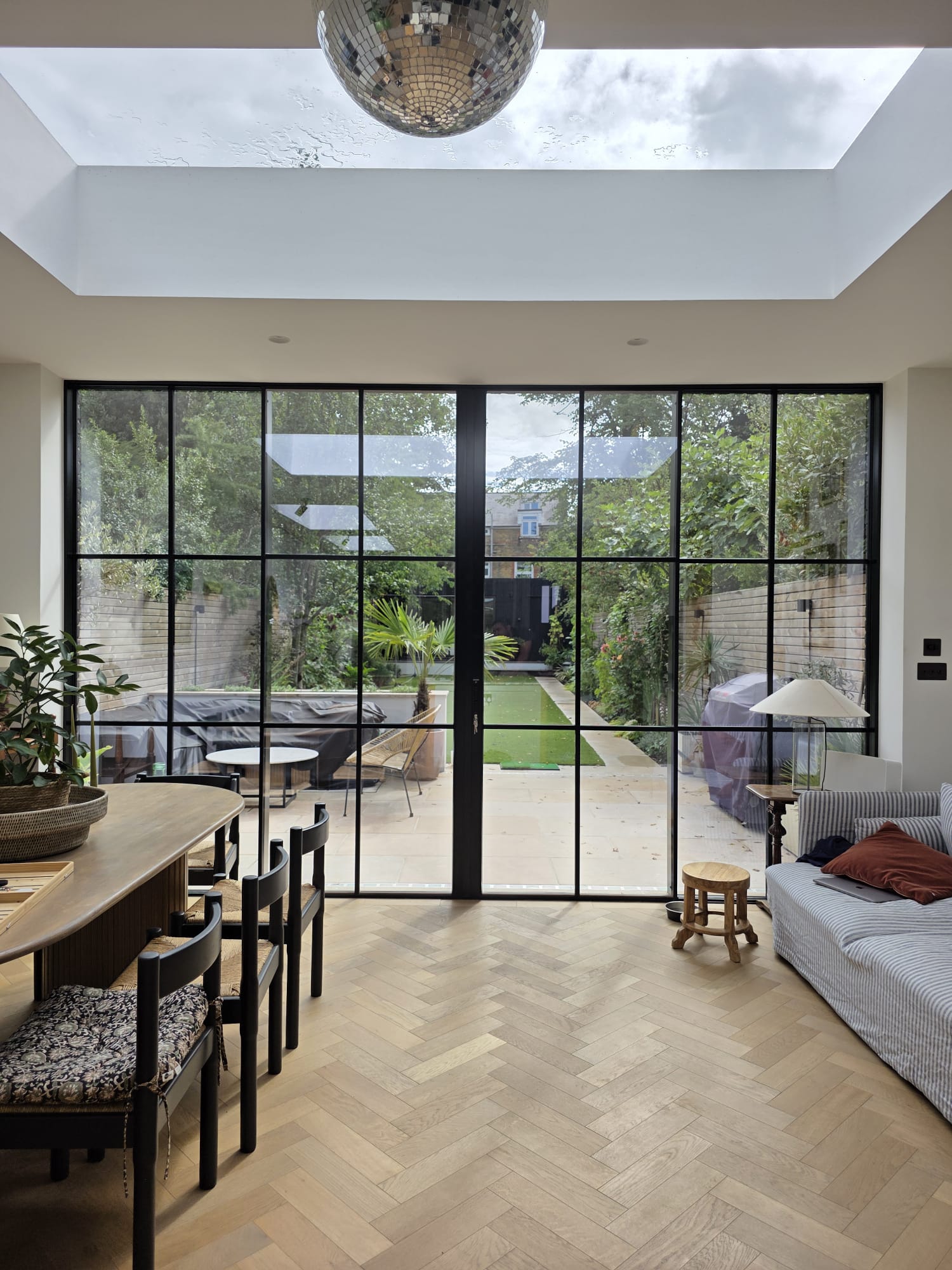
Crittall Style Doors: A Comprehensive UK Homeowner's Guide
Explore the enduring appeal of Crittall style doors. This guide covers their history, design, materials, thermal performance, UK Building Regulations, and installation considerations for your home.

Shard Architectural Glazing
7 March 2026
Explore the enduring appeal of Crittall style doors. This guide covers their history, design, materials, thermal performance, UK Building Regulations, and installation considerations for your home.
📋In This Article
Crittall style doors and windows have seen a remarkable resurgence in popularity, becoming a defining feature in contemporary and traditional UK homes alike. Their distinctive industrial aesthetic, characterised by slim frames and multiple glazing panels, offers a unique blend of elegance and functionality. But what exactly are Crittall style doors, and what should UK homeowners consider before investing in them?
This comprehensive guide will delve into the history, design principles, materials, thermal performance, and crucial Building Regulation considerations for Crittall style doors, helping you make an informed decision for your property.
History and Design Evolution of Crittall Style
The term 'Crittall' originates from the Crittall Windows company, established in 1849 by Francis Henry Crittall in Braintree, Essex. Initially producing metal components, the company pioneered the mass production of steel-framed windows and doors in the early 20th century. Their innovative design, featuring slender frames and large glass panes, quickly became synonymous with modern architecture, gracing iconic buildings like the Houses of Parliament and even the RMS Queen Mary.
The aesthetic was driven by the strength of steel, allowing for minimal frame profiles and maximising natural light penetration. This industrial yet sophisticated look became highly desirable, particularly during the Art Deco and Modernist periods. While 'Crittall' is a brand name, 'Crittall style' now broadly refers to any glazing system that emulates this distinctive aesthetic: thin, often black-painted metal frames divided into smaller panes by horizontal and vertical glazing bars.
Maximised Natural Light
The slim frames allow for larger glass areas, flooding interiors with natural light and reducing reliance on artificial lighting during the day.
Distinctive Aesthetic
Offers a timeless, industrial-chic look that complements both period properties and modern, minimalist designs, adding character and value.
Space Definition
Ideal for creating zones within open-plan living spaces without sacrificing light or a sense of openness, enhancing spatial flow.
Durability & Longevity
When made from high-quality steel or aluminium, these doors are incredibly robust, offering excellent security and a long lifespan with proper maintenance.
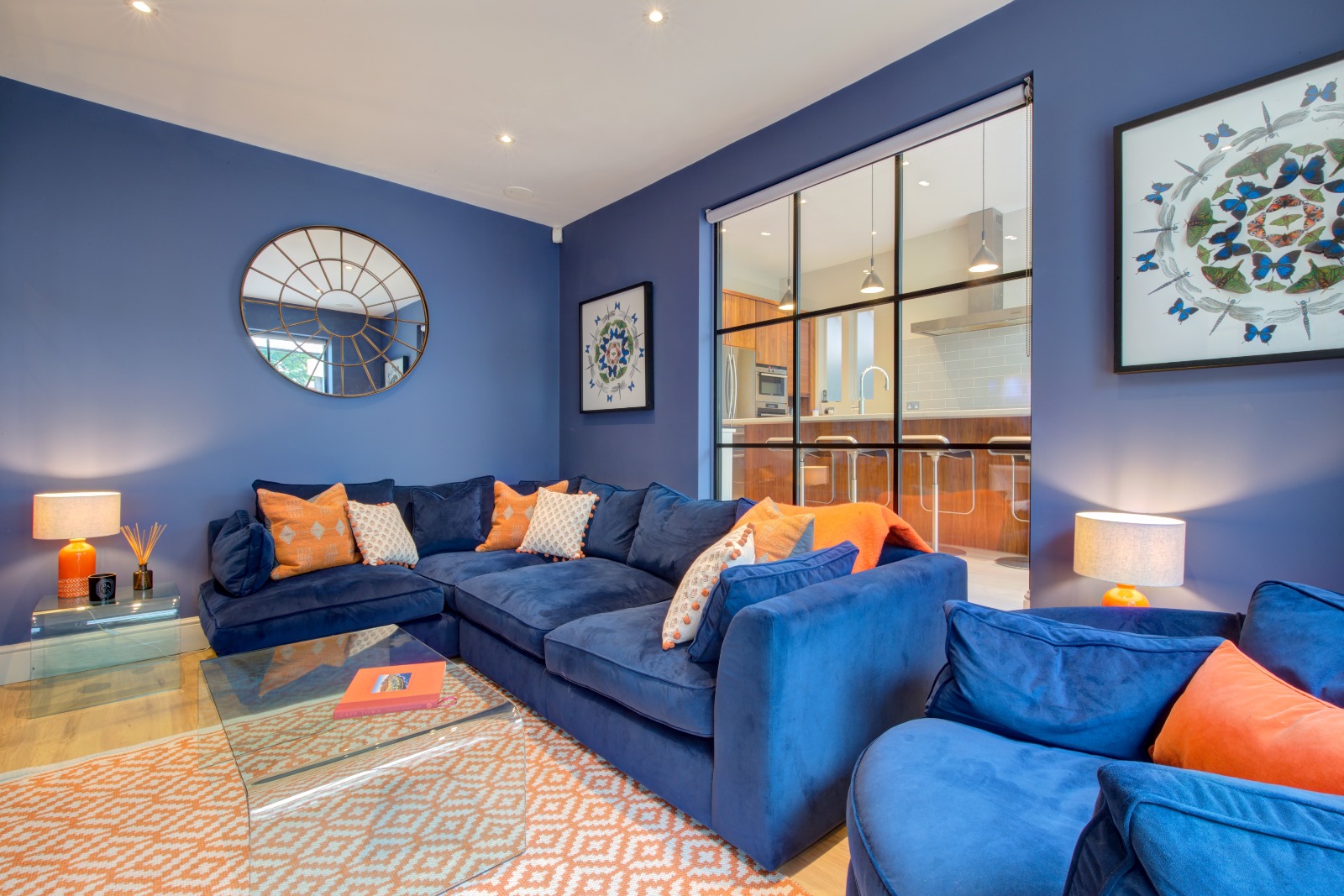
Materials and Construction: Steel vs. Aluminium
Traditionally, Crittall doors were made exclusively from steel. Today, while genuine Crittall products are still steel, many 'Crittall style' alternatives are manufactured from aluminium. Understanding the differences between these materials is crucial for making an informed choice.
Steel Crittall Doors
- Strength and Durability: Steel is incredibly strong, allowing for the slimmest possible sightlines (the visible width of the frame). This is the key characteristic of the authentic Crittall look.
- Weight: Steel is heavy, which can impact installation and the type of hardware required.
- Thermal Performance: Traditional steel frames are highly conductive, meaning they can be poor insulators. However, modern steel systems often incorporate thermal breaks to improve U-values, though achieving the same thermal efficiency as high-performance aluminium can be challenging without increasing frame depth.
- Cost: Generally more expensive due to the material cost, specialised manufacturing processes, and often bespoke nature.
- Maintenance: Requires proper galvanisation and powder coating to prevent rust, especially in external applications.
Aluminium Crittall Style Doors
- Strength-to-Weight Ratio: Aluminium is lighter than steel but still very strong, allowing for relatively slim frames, though typically slightly thicker than genuine steel.
- Thermal Performance: Aluminium is highly versatile for thermal efficiency. Modern aluminium frames are almost always designed with integrated thermal breaks, significantly reducing heat transfer and making it easier to meet stringent Building Regulations for U-values.
- Corrosion Resistance: Naturally resistant to rust and corrosion, making it ideal for external use with minimal maintenance.
- Cost: Often a more cost-effective option than steel, while still offering a premium aesthetic.
- Versatility: Easier to fabricate into various shapes and sizes, offering more design flexibility.
Pro Tip
When comparing steel and aluminium Crittall style doors, always ask about the thermal break technology. A well-designed thermal break is essential for achieving good energy efficiency, especially for external doors and windows in the UK climate.
Thermal Performance and UK Building Regulations
Energy efficiency is paramount in UK home improvement, and Crittall style doors are no exception. Compliance with Part L (Conservation of Fuel and Power) of the Building Regulations is a legal requirement for new builds, extensions, and replacement glazing.
The key metric for thermal performance is the U-value, measured in Watts per square metre Kelvin (W/m²K). A lower U-value indicates better insulation and less heat loss.
Current UK Building Regulations Part L (2022, England) for Glazing:
- New Build Properties: Windows and doors must achieve a U-value of 1.2 W/m²K or lower.
- Replacement Glazing (Existing Properties): Windows and doors must achieve a U-value of 1.4 W/m²K or lower.
Achieving these U-values with Crittall style doors requires careful specification:
- Double Glazing: This is standard. Look for units with a low-emissivity (low-e) coating, warm edge spacer bars, and argon or krypton gas-filled cavities.
- Thermal Breaks: As mentioned, these are critical. A thermal break is a non-metallic, low-conductive material inserted into the frame profile to separate the inner and outer parts of the frame, preventing heat transfer. Without effective thermal breaks, even the best double glazing will struggle to compensate for heat loss through the frame.
- Frame Depth: Thinner frames can sometimes make it harder to incorporate robust thermal breaks and accommodate thicker, more thermally efficient glazing units. This is where the balance between aesthetics and performance becomes important.
Important Note on Building Regulations: While the above U-values are general requirements, specific projects might have different compliance paths (e.g., Target Fabric Energy Efficiency (TFEE) rates for new dwellings). Always consult with your local Building Control Body or an approved inspector to ensure your chosen doors meet the precise requirements for your project.
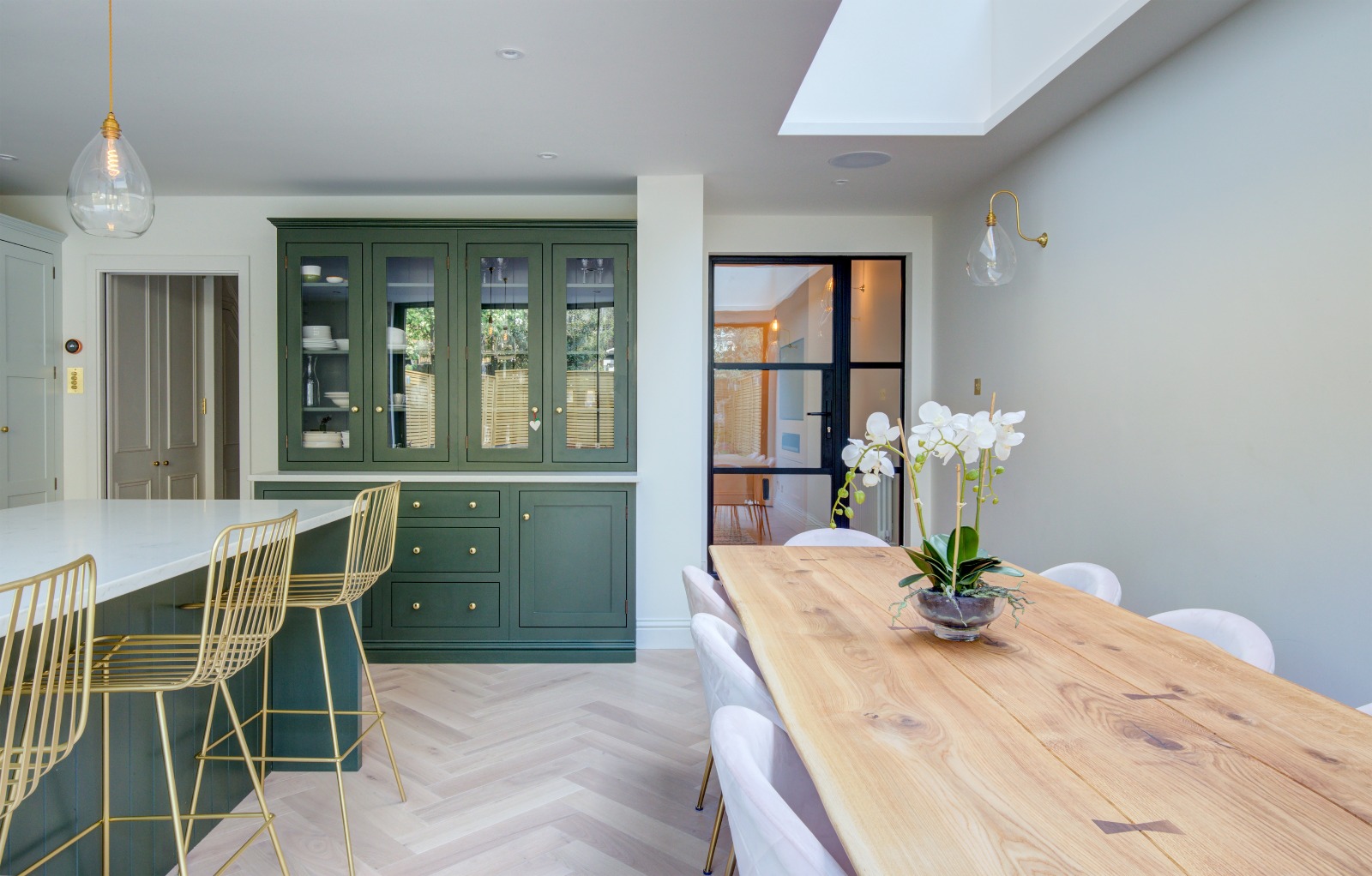
Design Considerations and Applications
Crittall style doors are incredibly versatile and can be used in various applications, both internally and externally.
Internal Applications
Internally, Crittall style doors are often used to segment open-plan spaces, create partitions, or enclose areas like home offices, utility rooms, or walk-in wardrobes. They allow light to flow freely between rooms, maintaining a sense of openness while providing sound separation and defining distinct zones.
- Room Dividers: Perfect for separating a living room from a dining area or kitchen.
- Home Office Partitions: Create a quiet workspace without feeling cut off from the rest of the home.
- Shower Screens/Enclosures: A popular, stylish alternative to traditional shower enclosures in bathrooms.
For internal doors, thermal performance is less critical, so simpler, non-thermally broken frames can be used, often allowing for even slimmer profiles.
External Applications
Externally, Crittall style doors are commonly used as:
- French Doors: Offering a classic look with excellent light ingress.
- Bifold Doors: While less common than traditional bifold designs, Crittall style bifolds offer a dramatic opening.
- Sliding Doors: Can create large expanses of glass that slide away.
- Entrance Doors: A bold, stylish statement for a main entrance.
For external applications, strict adherence to Building Regulations for thermal performance, weather resistance, and security (Part Q) is essential. Look for doors that are independently tested for weather tightness (air, water, wind resistance) and security standards like PAS 24.
Glazing Options
- Clear Glass: The most common choice, maximising light.
- Obscure/Frosted Glass: For privacy in bathrooms or utility areas.
- Patterned/Textured Glass: To add a decorative element.
- Laminated or Toughened Glass: Essential for safety in doors and low-level glazing, as per Building Regulations Part K (Protection from falling, collision and impact).
Installation and Maintenance Considerations
Proper installation is crucial for the performance and longevity of Crittall style doors. Given their weight (especially steel) and precision engineering, professional installation by experienced fitters is highly recommended.
Key Installation Points:
- Structural Support: Ensure the surrounding structure can adequately support the weight of the doors, particularly for large installations.
- Accurate Measurements: Precision is vital for a perfect fit and smooth operation.
- Weatherproofing: For external doors, correct sealing and flashing are essential to prevent water ingress and draughts.
- Security: Ensure locks and hinges meet security standards, especially for external doors.
Maintenance:
- Cleaning: Regular cleaning of frames and glass with mild soap and water will keep them looking their best. Avoid abrasive cleaners.
- Hardware: Periodically check hinges, locks, and handles for smooth operation. Lubricate moving parts as recommended by the manufacturer.
- Seals: Inspect rubber seals and gaskets for signs of degradation and replace if necessary to maintain thermal performance and weather tightness.
- Paintwork (Steel): For steel frames, monitor for any chips or scratches in the powder coating, especially externally, and touch up to prevent rust.
Cost Implications and Value
Crittall style doors are generally a premium product, reflecting their bespoke nature, material quality, and intricate design. The cost can vary significantly based on:
- Material: Steel is typically more expensive than aluminium.
- Size and Configuration: Larger doors, more panels, and complex opening mechanisms (e.g., bifolds) will increase the cost.
- Glazing Specification: High-performance double or triple glazing with specific coatings or gas fills will add to the price.
- Thermal Performance: Doors designed to meet the strictest U-value requirements will often be more expensive due to advanced thermal break technology.
- Installation: Professional installation is an additional cost but a worthwhile investment.
While the initial outlay might be higher than standard UPVC or timber alternatives, Crittall style doors offer significant long-term value. Their durability, timeless aesthetic, and ability to enhance natural light and space can add considerable appeal and value to your property. Furthermore, well-specified, thermally efficient doors can contribute to lower energy bills over time.
| Feature | Traditional Steel Crittall | Aluminium Crittall Style |
|---|---|---|
| Frame Material | Steel | Aluminium |
| Sightlines | Extremely slim (often 20-30mm) | Very slim (often 30-50mm) |
| Thermal Breaks | Often integrated in modern designs, but can be challenging to achieve very low U-values with minimal frame depth. | Standard in modern designs, highly effective for low U-values. |
| U-value Potential | Can meet 1.4 W/m²K, some can meet 1.2 W/m²K with advanced design. | Easily meets 1.4 W/m²K, often achieves 1.2 W/m²K or lower. |
| Corrosion Resistance | Requires galvanisation and powder coating. | Naturally resistant. |
| Weight | Heavy | Lighter |
| Cost | Higher | Moderate to High |
| Maintenance | Regular checks for paint integrity, especially externally. | Low, general cleaning. |
Conclusion: A Timeless Investment for Your UK Home
Crittall style doors offer a compelling blend of historical charm, contemporary design, and practical functionality. Whether you opt for authentic steel or a high-performance aluminium alternative, these doors can dramatically enhance the aesthetic appeal, natural light, and perceived spaciousness of your home.
For UK homeowners, understanding the nuances of materials, thermal performance, and Building Regulations is key to making a successful investment. Always prioritise products that offer robust thermal breaks and meet the latest U-value requirements for your specific application, especially for external installations. By doing so, you can enjoy the iconic Crittall aesthetic without compromising on comfort or energy efficiency.
If you're considering Crittall style doors for your property, consulting with experienced glazing specialists like Shard Architectural Glazing can provide invaluable guidance. We can help you navigate the options, ensuring your chosen doors meet both your design aspirations and the stringent performance standards required for modern UK homes. Our expertise in high-performance glazing solutions ensures you receive products that are not only beautiful but also energy-efficient and compliant with all relevant Building Regulations.
Explore Our Products
Discover how Shard Architectural Glazing can transform your home with our premium glazing solutions:
Ready to Transform Your Home?
Get in touch with our expert team for a free consultation and personalised quote. We'll help you choose the perfect glazing solution for your property.