Crittall Style Doors Explained: A UK Homeowner's Guide
Explore the enduring appeal of Crittall style doors and windows. Learn about materials, U-values, UK Building Regulations compliance, and practical installation considerations.

Shard Architectural Glazing
3 January 2026
Explore the enduring appeal of Crittall style doors and windows. Learn about materials, U-values, UK Building Regulations compliance, and practical installation considerations.
📋In This Article
Crittall Style Doors Explained: A UK Homeowner's Guide
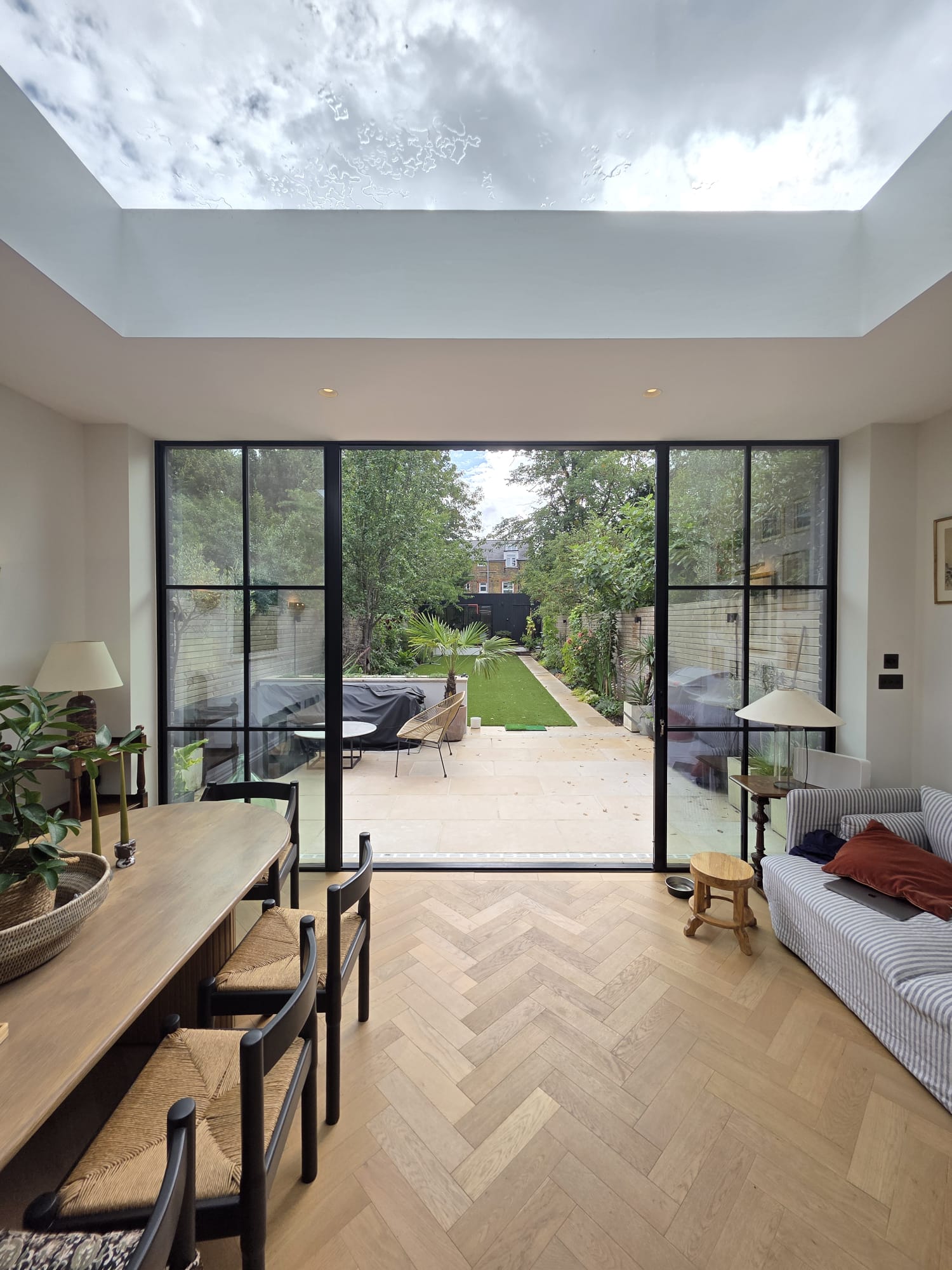
Crittall style glazing, characterised by its slim sightlines, modular panels, and industrial aesthetic, has experienced a significant resurgence in popularity across the UK. While the term 'Crittall' is a registered trademark referring specifically to products manufactured by Crittall Windows Ltd., the style itself—often referred to as 'industrial look', 'steel look', or 'heritage style' glazing—is widely adopted in both renovation projects and new builds.
This comprehensive guide delves into the technical specifications, practical considerations, and regulatory requirements associated with installing Crittall style doors and screens in UK homes.
The Appeal and Material Options
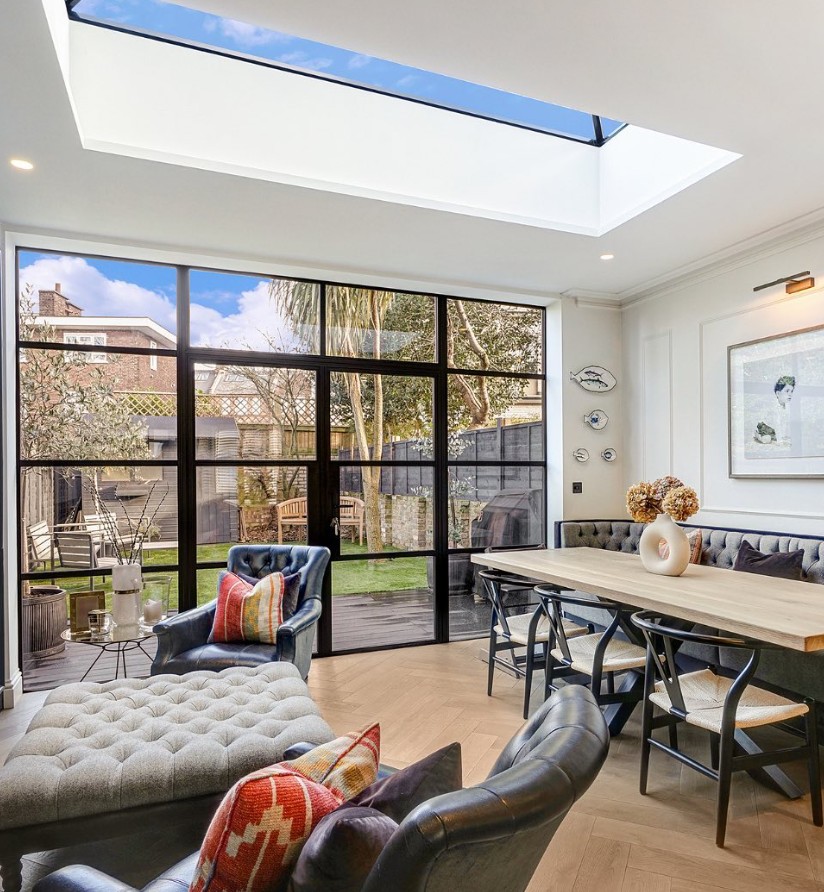
The primary attraction of this style lies in its ability to maximise natural light while providing visual separation. The characteristic grid pattern, achieved through narrow frames and glazing bars (astragals), offers a sophisticated, minimalist look that complements both period properties and contemporary interiors.
Steel vs. Aluminium: Understanding the Frame Materials
When selecting Crittall style glazing, homeowners typically choose between genuine steel frames and high-quality aluminium alternatives. Each material presents distinct advantages and limitations.
| Feature | Genuine Steel (Crittall Style) | Aluminium (Steel Look) |
|---|---|---|
| Sightlines (Frame Width) | Extremely narrow (often 20-30mm) | Narrow, but typically slightly wider than steel (35-50mm) |
| Durability & Strength | Exceptional strength; highly durable | Very strong; excellent resistance to corrosion |
| Thermal Performance (U-value) | Requires thermal breaks; historically challenging, but modern systems meet standards. | Excellent thermal breaks are standard; easier to achieve low U-values. |
| Maintenance | Requires careful maintenance to prevent rust, especially if powder coating is breached. | Low maintenance; highly resistant to weathering. |
| Cost | Generally higher investment due to material and specialised manufacturing. | Typically more cost-effective than genuine steel. |
Thermal Performance and Building Regulations
For any external glazing installation in the UK, compliance with Part L (Conservation of Fuel and Power) of the Building Regulations is mandatory. This is particularly crucial for Crittall style doors, as their slim profiles historically presented challenges for thermal efficiency.
U-Values and Part L (England 2022)
The U-value measures how effectively a building element prevents heat transfer (lower is better). Modern Crittall style systems, whether steel or aluminium, must incorporate sophisticated thermal breaks—layers of non-conductive material inserted between the inner and outer frame sections—to meet current standards.
- Replacement Windows/Doors (Existing Dwelling): The maximum permissible U-value is 1.4 W/m²K.
- New Build/Extensions: The limiting U-value is 1.2 W/m²K.
When obtaining quotes, always request the specific, tested U-value for the entire system (frame and glass combined) to ensure it meets the requirements for your specific project type. Failure to meet these standards could affect compliance and the issuance of a completion certificate from Building Control.
Pro Tip
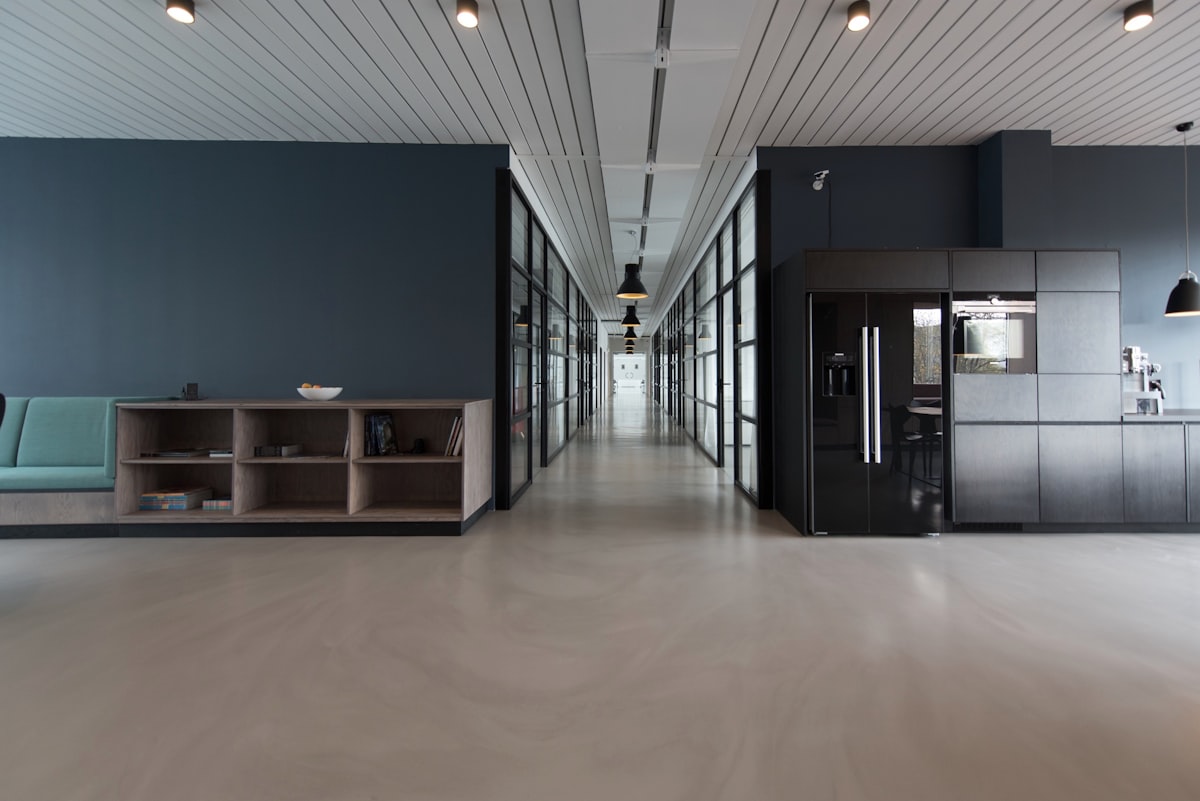
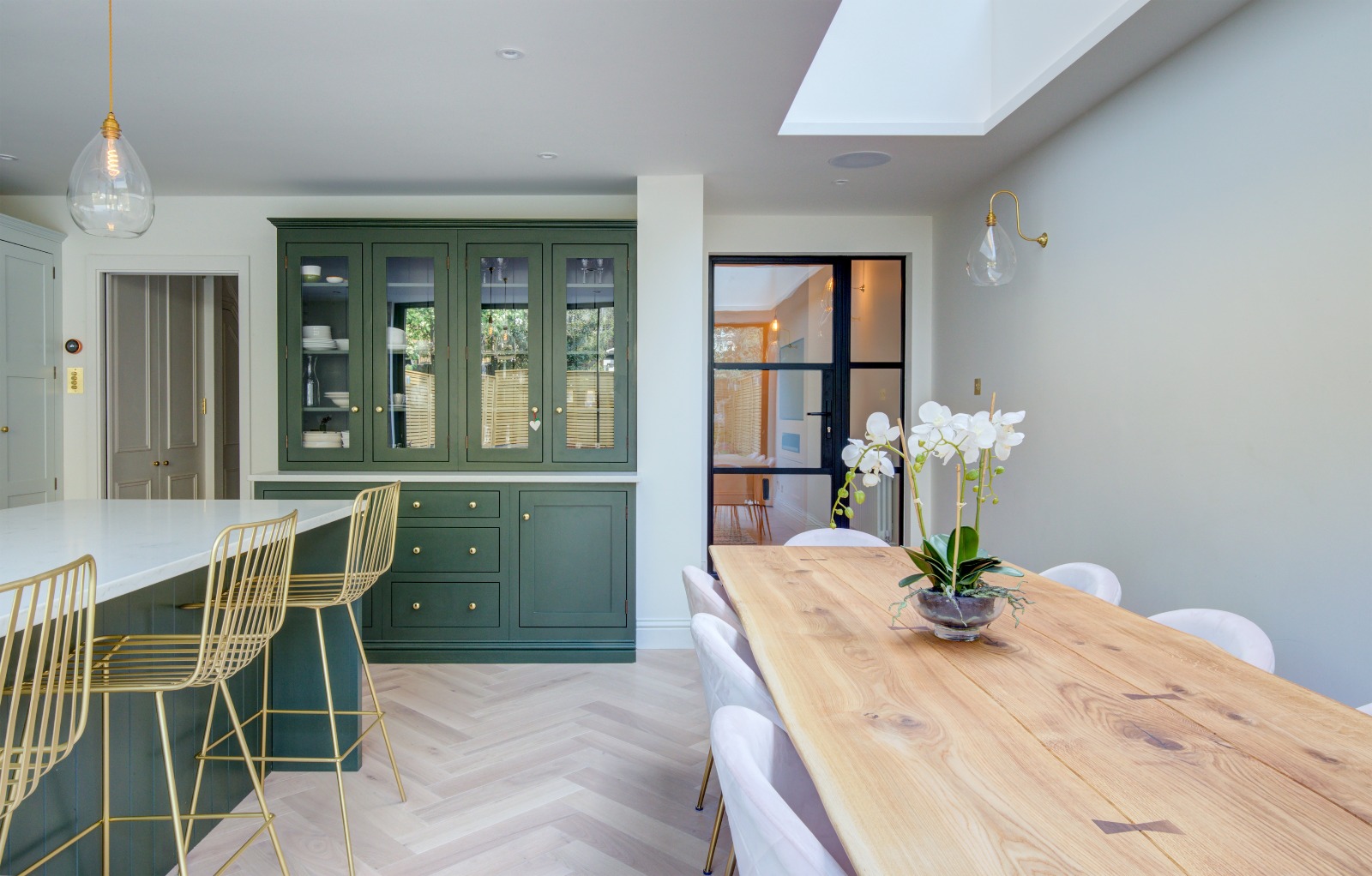
For internal Crittall style screens and doors (e.g., separating a kitchen diner from a hallway), thermal performance is irrelevant, allowing you to opt for single glazing and the absolute slimmest sightlines. However, ensure the glass meets safety standards (e.g., toughened or laminated safety glass) where required by proximity to the floor or in high-traffic areas.
Glazing Specifications and Safety
The choice of glass significantly impacts both the aesthetic and the performance of Crittall style doors.
Double Glazing Requirements
For external applications, double glazing is essential for thermal compliance. Due to the narrow frames, the thickness of the Insulated Glazing Unit (IGU) is often limited (typically 14mm to 20mm). This means high-performance components are necessary:
- Low-E Coating: Essential coating on the inner pane to reflect heat back into the room.
- Warm Edge Spacer Bars: Non-metallic spacers that separate the panes, significantly reducing thermal bridging at the edge of the glass unit.
- Inert Gas Fill: Filling the cavity with Argon or Krypton gas improves insulation compared to standard air.
Safety Glazing (Part K)
UK Building Regulations Part K (Protection from falling, collision and impact) dictates where safety glazing must be used. Generally, any glazing in a door, or within 800mm of floor level in a critical location (like a side panel), must be either toughened glass or laminated glass. This ensures that if the glass breaks, it does so safely (shattering into small, blunt pieces or remaining held together by the interlayer).
Design and Installation Considerations
While the aesthetic is simple, the installation of large, heavy, modular glazing systems requires careful planning.
Panel Configuration and Sightlines
The number and size of the individual glass panels (the grid pattern) are critical design choices. More panels mean more glazing bars, which slightly increases the overall frame percentage and can marginally reduce light transmission, but enhances the industrial look.
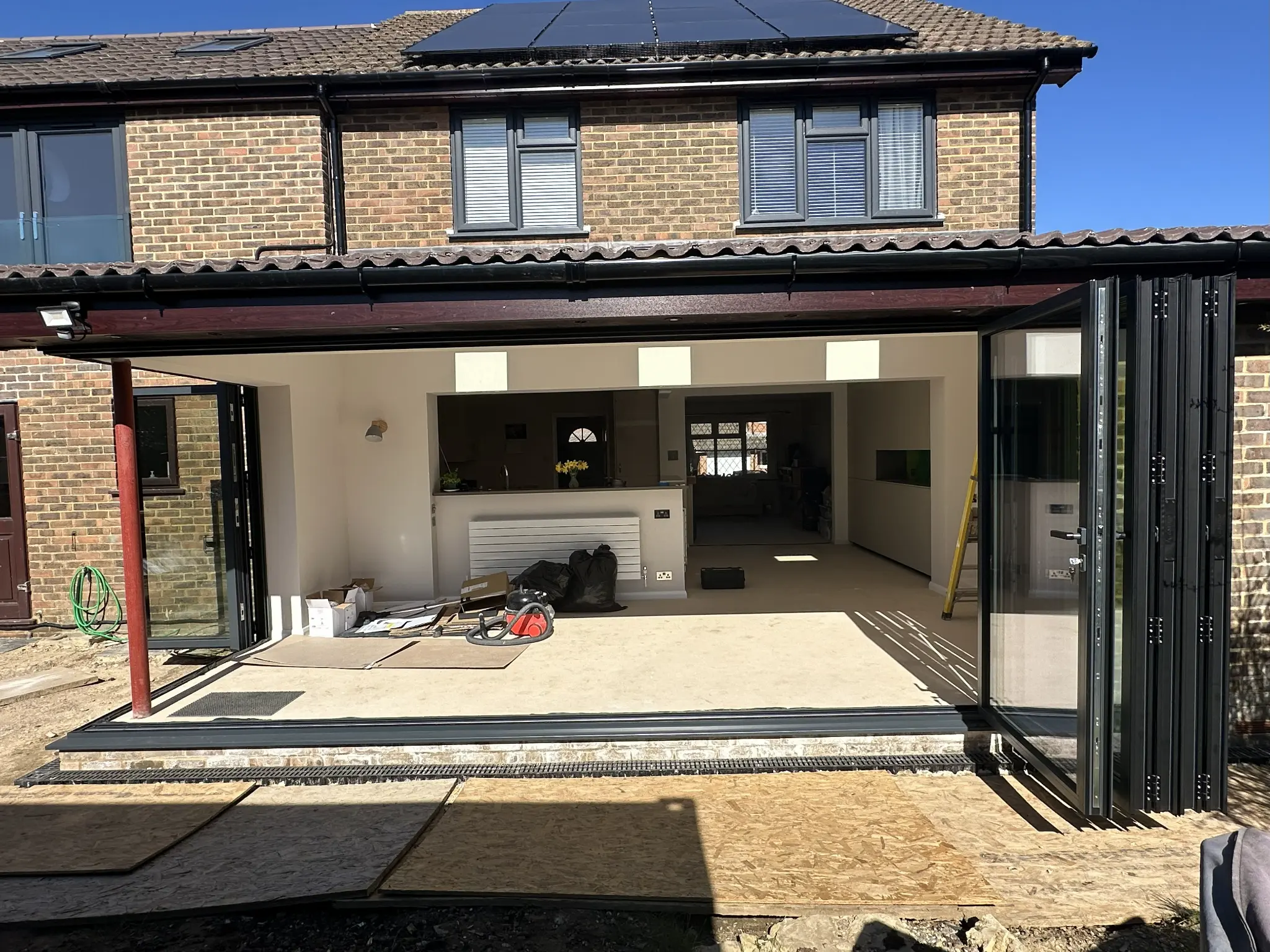
- Doors: Options include single doors, French doors (double opening), and large sliding or bi-fold configurations, although bi-folds often require slightly wider profiles than traditional hinged Crittall style doors.
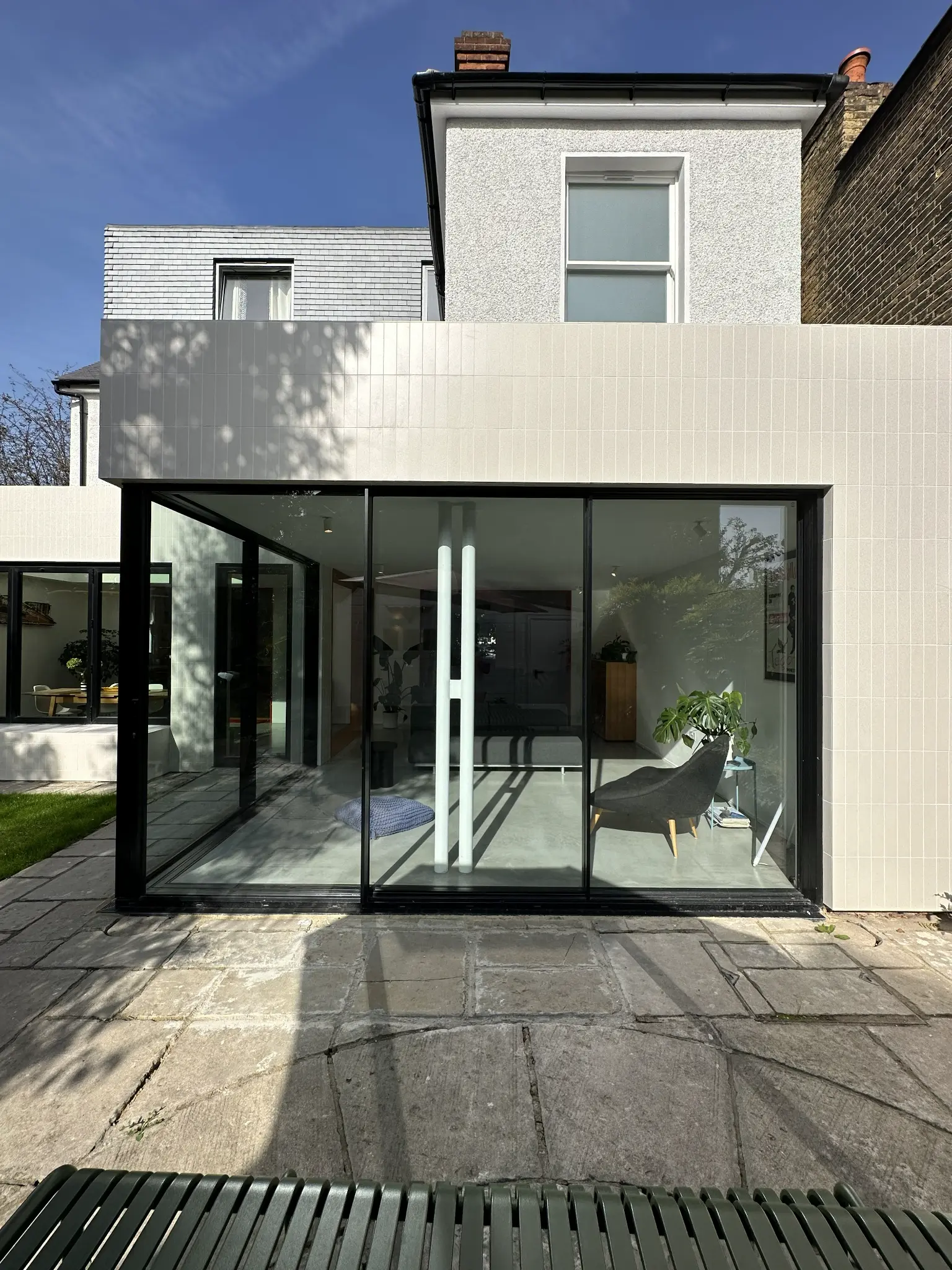
- Fixed Screens: Used to divide spaces or provide large expanses of light, fixed screens offer the slimmest possible sightlines.
Weight and Structural Support
Genuine steel frames, particularly when glazed, are very heavy. Aluminium is significantly lighter. For large installations, especially those replacing existing walls or spanning wide openings, it is essential to ensure the surrounding structure (lintels, supporting walls) is adequate to bear the load. Always consult a structural engineer for confirmation before removing existing structural elements.
Finishes and Hardware
The standard finish is a matte black powder coat (RAL 9005), which provides the classic industrial look and excellent weather protection. However, other colours (e.g., dark grey, bronze) are available. Hardware, such as handles and hinges, should be robust and designed specifically for the weight and narrow profile of the system.
Maintenance and Longevity
The longevity of high-quality steel or aluminium Crittall style doors is excellent, often exceeding 50 years with proper care.
Aesthetic Durability
The powder-coated finish is highly resilient against UV damage and fading, maintaining its deep colour for decades.
Structural Integrity
Both steel and high-grade aluminium are inherently robust materials, resisting warping or twisting over time.
Low Maintenance (Aluminium)
Aluminium systems require minimal maintenance, typically just cleaning the frames with mild soapy water.
Long-Term Value
Due to their timeless design and durability, these installations significantly enhance the architectural value and market appeal of a property.
Specific Care for Steel
If you opt for genuine steel, inspect the powder coating periodically, especially near the bottom of the frame or where hardware meets the metal. Any chips or breaches in the coating should be touched up immediately to prevent moisture ingress and subsequent corrosion (rust).
Summary: Choosing the Right System
Deciding between genuine steel and high-performance aluminium often comes down to budget, thermal priority, and the desire for the absolute slimmest possible sightline.
- Choose Steel if: The absolute authenticity of the industrial aesthetic and the narrowest possible sightlines are your top priority, and you are prepared for the higher cost and potential maintenance.
- Choose Aluminium if: Thermal performance (achieving lower U-values) and minimal maintenance are key, and you require a slightly more cost-effective solution that still delivers the heritage look.
Regardless of the material, always verify that the chosen system has third-party certification (such as CE marking) and a guaranteed U-value that complies with current UK Building Regulations Part L for your specific application.
---
Expert Glazing Solutions by Shard AG
At Shard AG, we specialise in supplying and installing premium architectural glazing systems throughout the UK, including bespoke Crittall style doors and screens. We offer both genuine steel systems and advanced thermally broken aluminium alternatives, ensuring that your project achieves the perfect balance of aesthetic appeal, structural integrity, and regulatory compliance. Our experts are on hand to guide you through the complexities of U-values, safety glazing requirements (Part K), and design configurations to bring your vision to life.
Explore Our Products
Discover how Shard Architectural Glazing can transform your home with our premium glazing solutions:
Ready to Transform Your Home?
Get in touch with our expert team for a free consultation and personalised quote. We'll help you choose the perfect glazing solution for your property.