


Crittall style doors and windows have experienced a significant resurgence in popularity across the UK, moving from industrial chic to a staple of high-end residential design. Characterised by their slim sightlines, modular glazing, and distinctive black frames, these systems offer unparalleled elegance and light transmission. However, for the discerning UK homeowner, understanding the technical specifications, material differences, and compliance with modern Building Regulations is crucial before investing.
What Are Crittall Style Doors and Screens?
The term 'Crittall' is technically a brand name, referring to the original manufacturer of steel-framed windows established in the mid-19th century. Today, 'Crittall style' or 'industrial style' refers to any architectural glazing system that mimics the aesthetic of these traditional steel frames: narrow profiles, often painted black (or dark grey/anthracite), featuring multiple small panes separated by horizontal and vertical glazing bars (known as 'astragals').
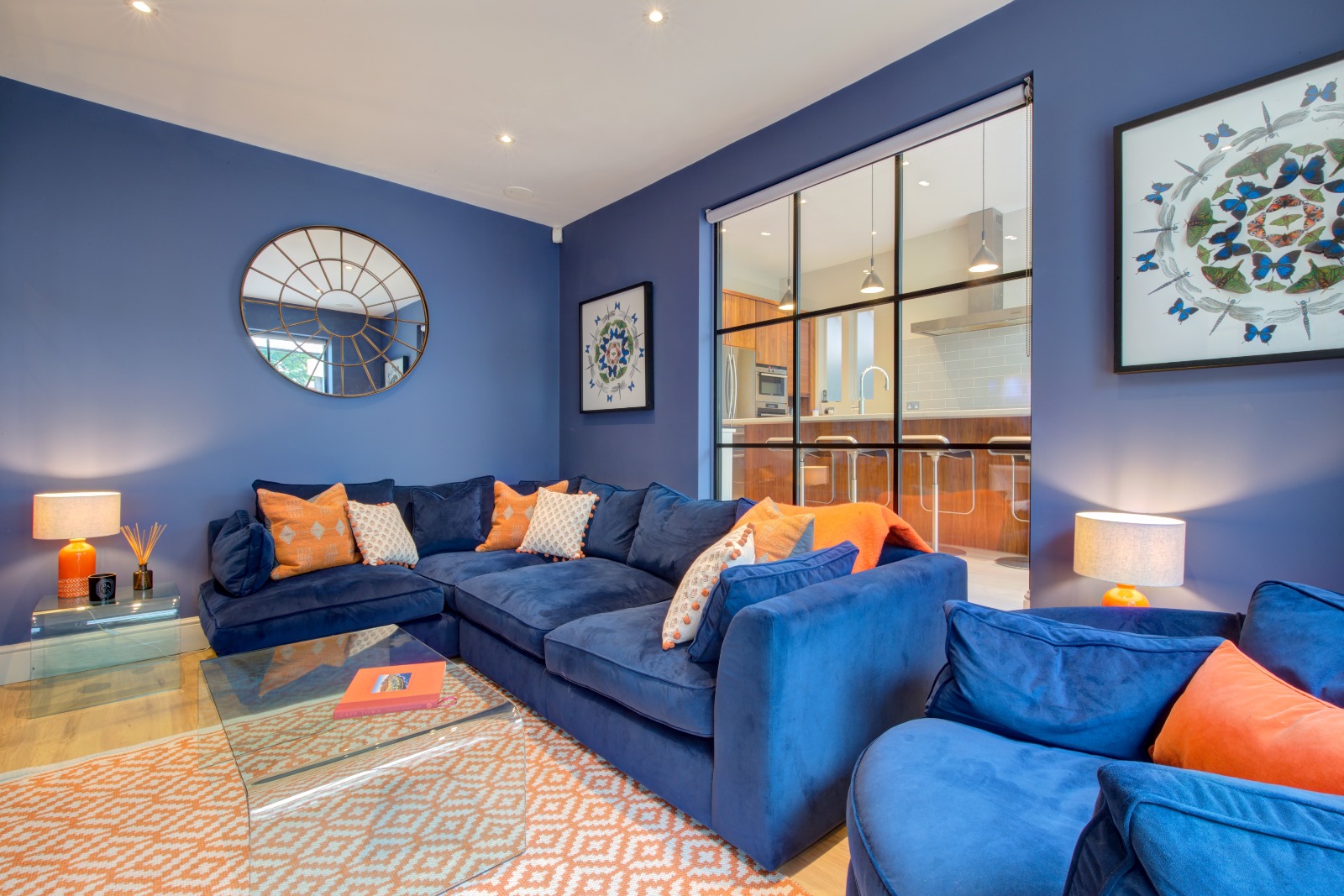
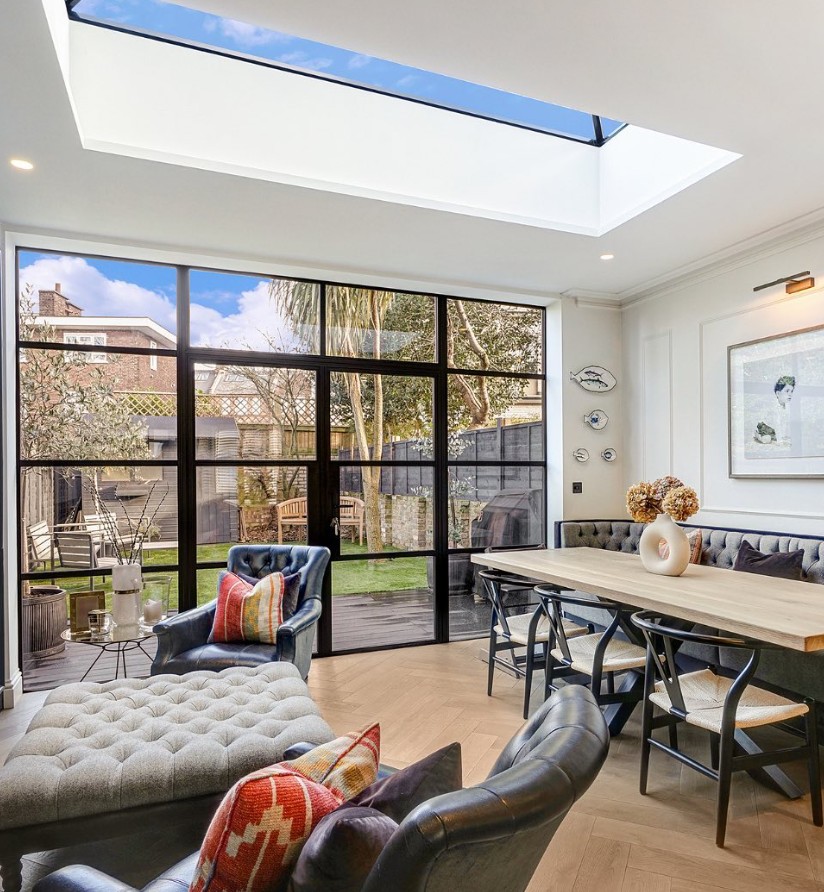
These systems are typically used for internal partitioning, external doors (French doors, sliding doors), and fixed screens, offering a sophisticated way to zone open-plan areas while maintaining visual connectivity and maximising natural light.
The Difference Between Steel and Aluminium
While genuine Crittall products are made from hot-rolled steel, the market now offers high-quality alternatives, primarily constructed from aluminium. Understanding the material difference is key to making an informed choice:
- Steel (Genuine Crittall Style): Offers the absolute slimmest sightlines due to steel's inherent strength. It provides a highly authentic, industrial aesthetic. However, steel is highly conductive, meaning thermal breaks are essential for external applications to meet modern energy efficiency standards. Steel systems tend to be heavier and often more expensive.
- Aluminium (Crittall Style Alternative): Aluminium systems are lighter, corrosion-resistant, and generally more cost-effective. Modern aluminium profiles are designed with excellent thermal breaks, making it easier to achieve the required U-values for external use. While the sightlines are slightly thicker than steel, they remain exceptionally slim compared to standard PVC-U or typical residential aluminium frames.
Thermal Performance and UK Building Regulations (Part L)
For any external glazing system installed in a UK dwelling, compliance with Part L (Conservation of Fuel and Power) of the Building Regulations is mandatory. This is perhaps the most critical consideration when choosing Crittall style doors, particularly if opting for the authentic steel look.
The measurement used for thermal performance is the U-value, measured in Watts per square metre Kelvin (W/m²K). A lower U-value indicates better insulation and less heat loss.
Part L (2022 England) Requirements for Glazing:
- Replacement Windows/Doors: The U-value must not exceed 1.4 W/m²K.
- New Build or Extensions: The U-value must not exceed 1.2 W/m²K.
Achieving these low U-values with a slim frame is technically challenging. Traditional, single-glazed steel frames are completely unsuitable for external use today. Modern systems must incorporate:
- Thermal Breaks: Non-conductive materials (usually polyamide strips) inserted between the inner and outer parts of the metal frame to prevent heat transfer.
- High-Performance Glazing: Typically, sealed double-glazed units (DGUs) filled with an inert gas (like Argon) and featuring Low-E (low emissivity) coatings.
When obtaining quotes, homeowners must insist on seeing the certified U-value documentation for the specific door system being proposed, ensuring it meets or exceeds the 1.4 W/m²K threshold for replacement projects.
Pro Tip
If you are installing Crittall style screens internally (e.g., separating a kitchen from a hallway), Part L regulations regarding U-values do not apply, as the screen is not separating a conditioned space from the external environment. This allows for more design flexibility, sometimes permitting single glazing or non-thermally broken frames if preferred, though acoustic performance may be reduced.
Glazing Specifications and Safety
The characteristic look of Crittall style doors relies on dividing the glass into smaller panes. This requires careful consideration of glass type, thickness, and safety standards.
Safety Glazing Requirements
In the UK, specific areas of glazing must comply with safety standards (BS EN 12600) to prevent serious injury if broken. These areas include:
- Any glazing in doors or within 300mm of a door edge.
- Any glazing that is below 800mm from floor level (in a window or fixed screen).
For Crittall style doors, this means all glass used must be toughened safety glass. If the panes are very small (typically less than 0.5m²), laminated glass may also be used, though toughened glass is standard for most residential applications.
Acoustic Performance
While Crittall style doors excel visually, their acoustic performance can vary. If the door is internal and intended to dampen noise (e.g., separating a home office from a living room), consider:
- Using thicker laminated glass (e.g., 6.8mm instead of standard 4mm).
- Ensuring the door has excellent perimeter seals and a drop-down acoustic seal at the threshold.
Design Considerations and Installation
The beauty of these systems lies in their bespoke nature, but this requires precise planning.
Configuration and Sightlines
The layout of the glazing bars (astragals) dictates the final aesthetic. Common configurations include three-by-five or four-by-six grids. Discuss the desired sightline thickness with your supplier. Genuine steel offers sightlines as narrow as 20mm, while high-end aluminium systems typically range from 30mm to 50mm.
Hardware and Finishes
The standard finish is usually RAL 9005 (Jet Black) or a dark anthracite grey (RAL 7016). Hardware choices are crucial for functionality and style:
- Handles: Often minimalist lever handles or pull handles are used, maintaining the clean lines.
- Hinges: Must be heavy-duty, especially for steel doors, to support the weight.
- Thresholds: For external doors, a low-profile, weathered threshold is necessary to ensure water tightness and thermal efficiency.
Installation Complexity
Due to the weight (especially steel) and the need for precision to ensure the slim frames align perfectly, installation requires specialist expertise. Unlike standard off-the-shelf doors, Crittall style systems are often installed into structural openings, demanding accurate measurements and structural preparation.
Maximise Natural Light
The slim profiles allow for maximum glass area, flooding interiors with light and reducing the need for artificial illumination.
Timeless Aesthetic Appeal
Offers a classic, industrial look that seamlessly integrates with both period properties and ultra-modern architecture.
Zoning Open Plan Spaces
Provides effective visual and acoustic separation between rooms without sacrificing the open, airy feel of the layout.
Durability and Longevity
Both steel and high-grade aluminium frames are exceptionally durable, offering decades of service with minimal maintenance.
Cost Comparison and Maintenance
Crittall style systems are considered a premium product. Costs are significantly higher than standard PVC-U or basic aluminium doors due to the bespoke fabrication, the complexity of achieving thermal efficiency in slim profiles, and the quality of the materials.
| Feature | Aluminium Crittall Style | Steel Crittall Style (Authentic) | Standard Residential Aluminium |
|---|---|---|---|
| Sightlines | Slim (30mm - 50mm) | Ultra-Slim (20mm - 30mm) | Medium (50mm +) |
| Thermal Performance (External) | Excellent (Easily meets 1.4 W/m²K) | Very Good (Requires complex thermal breaks) | Excellent |
| Cost | High | Very High | Medium to High |
| Weight | Moderate | Heavy | Moderate |
| Maintenance | Low (Corrosion resistant) | Moderate (Requires occasional inspection/treatment) | Low |
Maintenance Requirements
Aluminium systems require minimal maintenance—typically just cleaning the frames and checking the seals annually. Since aluminium is naturally corrosion-resistant, it is highly suitable for coastal or high-humidity environments.
Steel systems, while exceptionally robust, require more attention. While modern steel frames are treated with durable powder coatings, any scratch or breach in the coating can expose the steel to moisture, leading to rust. Regular checks and immediate touch-ups are essential to preserve the integrity of the frame.
Finding the Right Supplier and Installer
Given the bespoke nature and the technical demands of Part L compliance, selecting a reputable supplier is vital.
Look for companies that:
- Specialise in slimline architectural glazing, not just general window fitting.
- Can provide certified U-value documentation for their specific systems.
- Offer comprehensive warranties covering both the frame and the thermal performance of the sealed units.
- Have a proven track record of complex installations in residential settings.
Always obtain detailed quotes specifying the material (steel vs. aluminium), the glass specification (e.g., 28mm double-glazed, Argon filled, Low-E coating, toughened safety glass), and the confirmed U-value.
For UK homeowners seeking to integrate this iconic style, Shard AG offers a range of premium, thermally broken aluminium and authentic steel systems designed to meet the rigorous demands of modern UK Building Regulations. Our expertise ensures that you receive stunning aesthetics without compromising on energy efficiency or structural integrity, providing a tailored solution for both internal screens and external doors.