
Designing a Glass Kitchen Extension: UK Homeowner's Guide
Explore the benefits, design considerations, and regulatory requirements for creating a stunning glass kitchen extension in your UK home. Expert insights.

Shard Architectural Glazing
11 February 2026
Explore the benefits, design considerations, and regulatory requirements for creating a stunning glass kitchen extension in your UK home. Expert insights.
📋In This Article
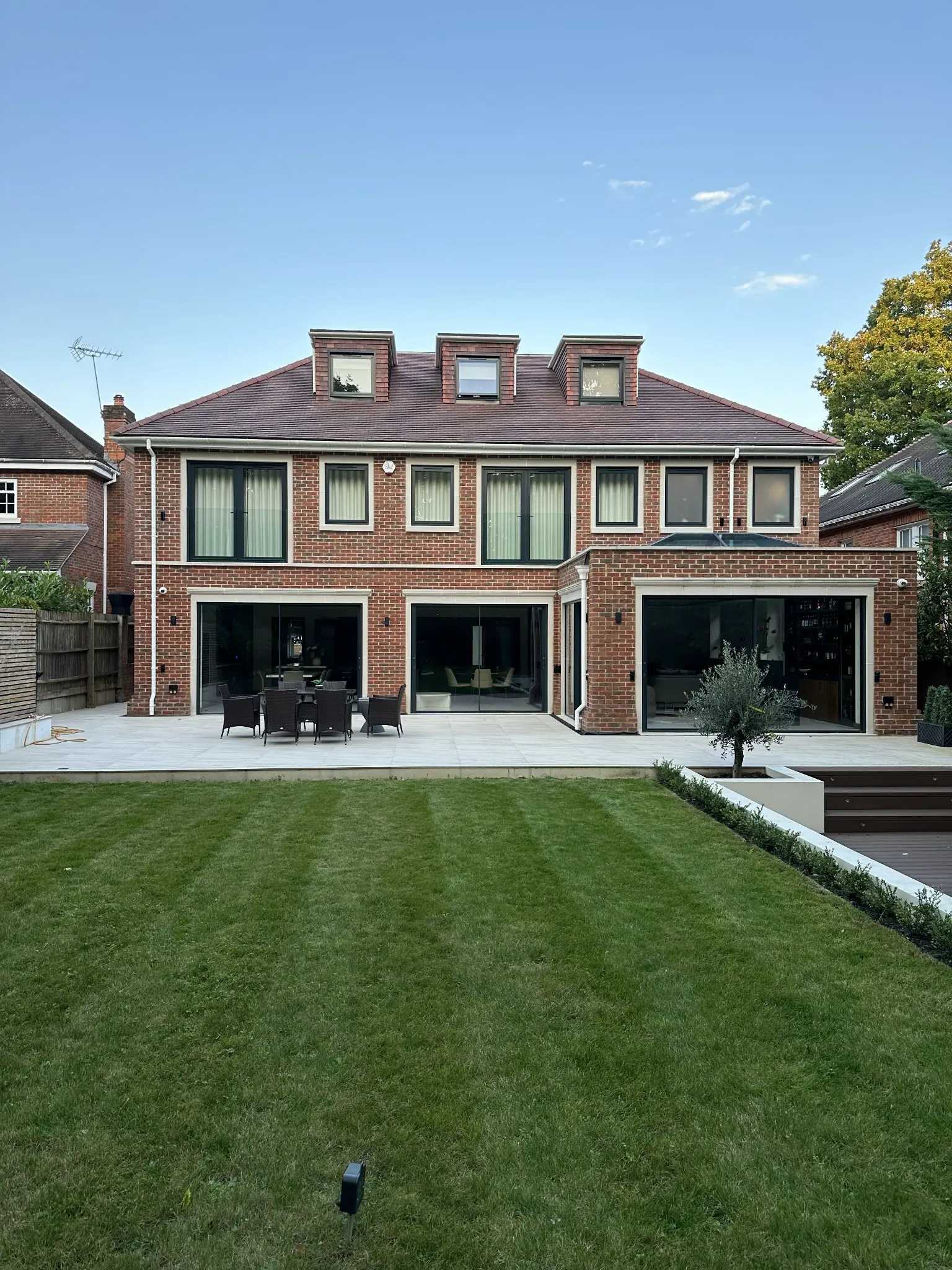
A kitchen is often considered the heart of a home, and for many UK homeowners, extending this vital space is a popular way to enhance both functionality and lifestyle. Integrating glass into a kitchen extension design can transform a dark, cramped area into a bright, airy, and visually stunning hub. This comprehensive guide delves into the world of glass kitchen extensions, offering practical advice, technical insights, and crucial considerations for your project.
Why Choose Glass for Your Kitchen Extension?
The appeal of glass in architectural design is undeniable, particularly when it comes to extensions. It offers a unique blend of aesthetics and practicality that can dramatically improve your living environment. Opting for a significant amount of glazing in your kitchen extension can unlock a multitude of benefits.
Maximised Natural Light
Glass allows an abundance of natural light to flood into your home, reducing the need for artificial lighting during the day. This creates a brighter, more inviting atmosphere and can even improve mood and well-being.
Seamless Indoor-Outdoor Flow
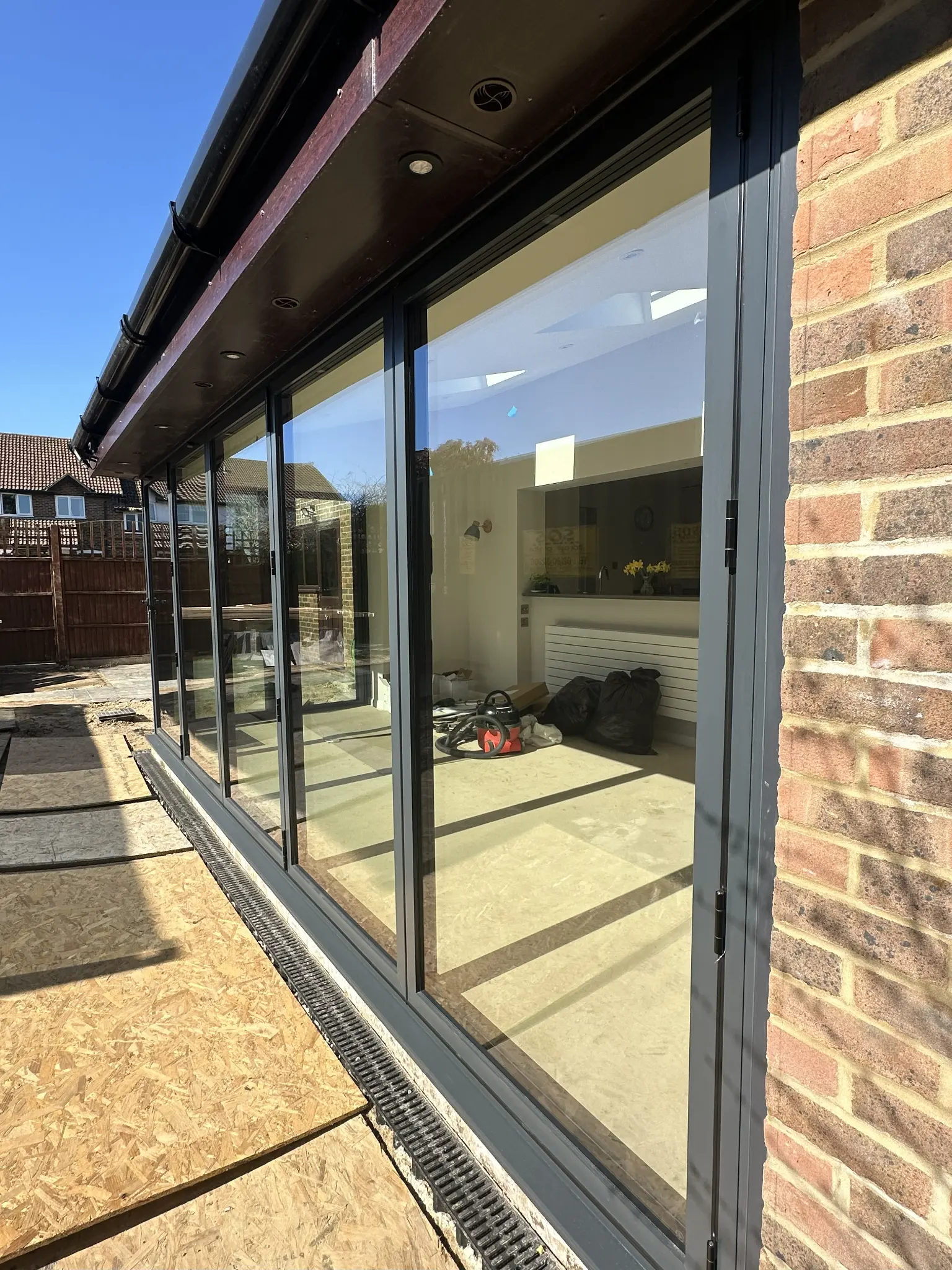
Large expanses of glass, such as bi-fold or sliding doors, blur the lines between your kitchen and garden. This creates a cohesive living space, perfect for entertaining and enjoying your outdoor area year-round.
Enhanced Sense of Space
The transparency of glass makes a room feel larger and more open, even if the physical footprint hasn't changed dramatically. It connects the interior to the external environment, preventing a feeling of being enclosed.
Modern Aesthetic Appeal
Glass extensions offer a sleek, contemporary look that can significantly boost the architectural appeal and market value of your property. They provide a striking visual statement.
Design Considerations for Glass Kitchen Extensions
While the benefits are clear, designing a glass kitchen extension requires careful thought and planning. Several factors need to be addressed to ensure your extension is not only beautiful but also functional, comfortable, and compliant with regulations.
Glazing Options: Choosing the Right Glass
The type of glass you choose is paramount for performance and aesthetics. Modern glazing technology offers solutions for various challenges:
- Double Glazing: The standard for energy efficiency, consisting of two panes of glass separated by a gas-filled cavity.
- Triple Glazing: Offers superior thermal and acoustic insulation, ideal for maximising comfort and reducing energy bills, though it comes at a higher cost and weight.
- Low-Emissivity (Low-E) Glass: Features a microscopic coating that reflects heat, keeping warmth inside during winter and excessive heat out during summer.
- Solar Control Glass: Specifically designed to reduce solar heat gain, preventing overheating in south-facing extensions.
- Self-Cleaning Glass: A coating reacts with sunlight to break down organic dirt, which is then washed away by rain, reducing maintenance.
- Laminated or Toughened Glass: Essential for safety, particularly in large panels or overhead glazing, as it is designed to be more resistant to impact or to break safely.
Thermal Performance and UK Building Regulations
One of the most critical aspects of any extension is its thermal performance. UK Building Regulations Part L (Conservation of Fuel and Power) sets stringent standards to ensure new constructions are energy efficient. For glass kitchen extensions, this means careful consideration of U-values.
The U-value measures how effectively a material insulates, with lower values indicating better insulation. For new build and extension projects in England, the current (2022) Building Regulations Part L specify:
- Walls: 0.18 W/m²K
- Floors: 0.18 W/m²K
- Roofs: 0.15 W/m²K
- Windows/Doors: 1.2 W/m²K (for new build), 1.4 W/m²K (for replacement)
Achieving these U-values with large expanses of glass requires high-performance glazing, often double or triple glazed units with low-E coatings and warm-edge spacer bars. Your architect and glazing supplier will be crucial in specifying compliant materials.
Pro Tip
When designing a glass extension, consider the orientation. South-facing extensions will benefit greatly from solar control glass to prevent overheating, while north-facing extensions will need maximum thermal insulation to retain heat. Discuss these aspects with your designer early in the process.
Ventilation and Temperature Control
While glass brings in light, it can also lead to overheating in summer and excessive heat loss in winter if not properly managed. Effective ventilation and temperature control strategies are vital:
- Opening Vents/Windows: Incorporate plenty of operable windows or roof vents (e.g., rooflights, roof lanterns) to allow for natural cross-ventilation.
- Bi-fold or Sliding Doors: These can be opened wide to connect the indoor and outdoor spaces, providing excellent airflow.
- Shading Solutions: External or internal blinds, solar films, or even strategically planted deciduous trees can help manage solar gain.
- Underfloor Heating: A popular choice for extensions, providing even heat distribution and freeing up wall space.
- Air Conditioning/MVHR: For ultimate comfort, especially in large, highly glazed areas, mechanical ventilation with heat recovery (MVHR) or air conditioning might be considered.
Structural Considerations and Foundations
A glass extension, particularly one with large, heavy panels, requires robust structural support. Foundations must be adequate to bear the load, and the framing system (aluminium, timber, or steel) must be engineered to withstand wind loads and support the glazing. An experienced structural engineer will be essential for this aspect of the design.
Planning Permission and Building Regulations
Navigating the regulatory landscape is a critical step for any extension project in the UK.
Planning Permission
Many smaller extensions can be built under Permitted Development Rights, meaning you don't need to apply for full planning permission. However, there are strict limits on size, height, and proximity to boundaries. For example, a single-storey rear extension can extend up to 4 metres from the original rear wall for a detached house, and 3 metres for semi-detached or terraced houses. Larger or more complex glass extensions, or those in conservation areas or on listed buildings, will almost certainly require full planning permission.
It's always advisable to check with your local planning authority or a planning consultant to confirm your specific requirements, as rules can vary.
Building Regulations
Regardless of whether you need planning permission, all extensions must comply with Building Regulations. These cover aspects such as structural integrity, fire safety, drainage, ventilation, and crucially, energy efficiency (Part L). A Building Control Body (either local authority or approved inspector) will inspect your project at various stages to ensure compliance. Failure to comply could lead to issues when selling your property or even enforcement action.
Key Building Regulations considerations for glass extensions include:
- Thermal Performance (Part L): As discussed, U-values must be met.
- Structural Stability (Part A): Ensuring the extension is sound and safe.
- Fire Safety (Part B): Means of escape, fire resistance of materials.
- Ventilation (Part F): Adequate airflow to prevent condensation and ensure good air quality.
- Safety Glazing (Part K): Ensuring glass in critical locations is toughened or laminated to prevent injury in case of breakage.
Cost and Maintenance Considerations
A glass kitchen extension is an investment, and understanding the associated costs and long-term maintenance is important.
Cost Factors
The cost of a glass extension can vary significantly based on:
- Size and Complexity: Larger, more intricate designs with bespoke glazing will be more expensive.
- Glazing Specification: Triple glazing, low-E coatings, solar control, and self-cleaning glass all add to the cost.
- Frame Material: Aluminium is popular for its strength and slim profiles, but timber or composite options are also available.
- Foundations and Structural Work: Site-specific challenges can increase costs.
- Internal Finishes: Kitchen units, flooring, lighting, and heating will form a significant part of the overall budget.
- Professional Fees: Architects, structural engineers, and Building Control fees must be factored in.
While a glass extension may have a higher initial outlay than a traditional brick extension, the long-term benefits in terms of natural light, energy efficiency (with correct specification), and property value can often justify the investment.
Maintenance
Modern glazing requires relatively low maintenance. Regular cleaning of glass, frames, and drainage channels is usually sufficient. Self-cleaning glass can reduce the frequency of external cleaning, but internal surfaces will still need attention. Inspect seals and moving parts (e.g., bi-fold door mechanisms) periodically to ensure they remain in good working order.
Comparing Glazing Options
To help you visualise the differences, here's a comparison of common glazing types for extensions:
| Feature | Double Glazing (Standard) | Triple Glazing (High Performance) | Solar Control Glazing |
|---|---|---|---|
| U-Value (approx.) | 1.2 - 1.6 W/m²K | 0.8 - 1.0 W/m²K | 1.0 - 1.4 W/m²K (with solar control properties) |
| Thermal Insulation | Good | Excellent | Good (balanced with solar heat rejection) |
| Acoustic Insulation | Good | Excellent | Good |
| Solar Heat Gain | Moderate | Moderate | Low (designed to reduce overheating) |
| Weight | Standard | Heavier | Standard to slightly heavier |
| Cost | Standard | Higher | Higher |
| Best Use Case | General extensions, compliant with minimum regs | Maximising energy efficiency, noise reduction | South-facing extensions, conservatories, preventing overheating |
Conclusion and Next Steps
A glass kitchen extension can be a truly transformative addition to your UK home, offering unparalleled light, space, and a contemporary aesthetic. However, success hinges on meticulous planning, adherence to Building Regulations, and the selection of appropriate high-performance materials.
To embark on your project, it is highly recommended to:
- Consult an Architect: They can help you design a space that meets your needs, aesthetic preferences, and regulatory requirements.
- Engage a Structural Engineer: Essential for ensuring the structural integrity of your extension.
- Speak to Glazing Specialists: Experts can advise on the best glass types, frame materials, and door/window systems for your specific design and thermal performance goals.
- Contact Your Local Building Control: For definitive guidance on planning permission and Building Regulations in your area.
By taking these steps, you can create a stunning and functional glass kitchen extension that enhances your home for years to come.
Shard AG specialises in high-performance architectural glazing solutions for modern UK homes. With a focus on quality, innovation, and expert installation, we partner with homeowners, architects, and builders to bring ambitious glass extension visions to life. From bespoke bi-fold doors to advanced solar control rooflights, our team is dedicated to delivering precision-engineered glazing that meets the most demanding aesthetic and performance standards. Contact us to discuss your project and discover how our expertise can illuminate your home.
Explore Our Products
Discover how Shard Architectural Glazing can transform your home with our premium glazing solutions:
Ready to Transform Your Home?
Get in touch with our expert team for a free consultation and personalised quote. We'll help you choose the perfect glazing solution for your property.