Designing a Glass Kitchen Extension: UK Homeowner's Guide
Explore the benefits, design considerations, and technical aspects of glass kitchen extensions in the UK. Understand regulations, materials, and costs.

Shard Architectural Glazing
8 April 2026
Explore the benefits, design considerations, and technical aspects of glass kitchen extensions in the UK. Understand regulations, materials, and costs.
📋In This Article
A kitchen is often considered the heart of the home, and for many UK homeowners, extending this vital space has become a popular way to enhance both functionality and lifestyle. Integrating glass into a kitchen extension design offers a unique blend of natural light, seamless indoor-outdoor living, and contemporary aesthetics. However, achieving this vision requires careful planning, an understanding of building regulations, and a keen eye for design details.
This comprehensive guide will delve into the world of glass kitchen extensions, providing valuable insights for homeowners considering this transformative home improvement project. We'll cover everything from design principles and material choices to crucial building regulations and practical considerations, ensuring you're well-equipped to make informed decisions.
The Appeal of Glass Kitchen Extensions
Glass kitchen extensions have surged in popularity, and for good reason. They offer a multitude of benefits that can significantly improve your living space and daily experience.
Abundant Natural Light
Maximising daylight is a primary driver for glass extensions. Large expanses of glass, whether in bi-fold doors, sliding doors, rooflights, or entire glass walls, flood the kitchen with natural light, reducing reliance on artificial lighting and creating a brighter, more inviting atmosphere. This can also make smaller spaces feel larger and more open.
Seamless Indoor-Outdoor Living
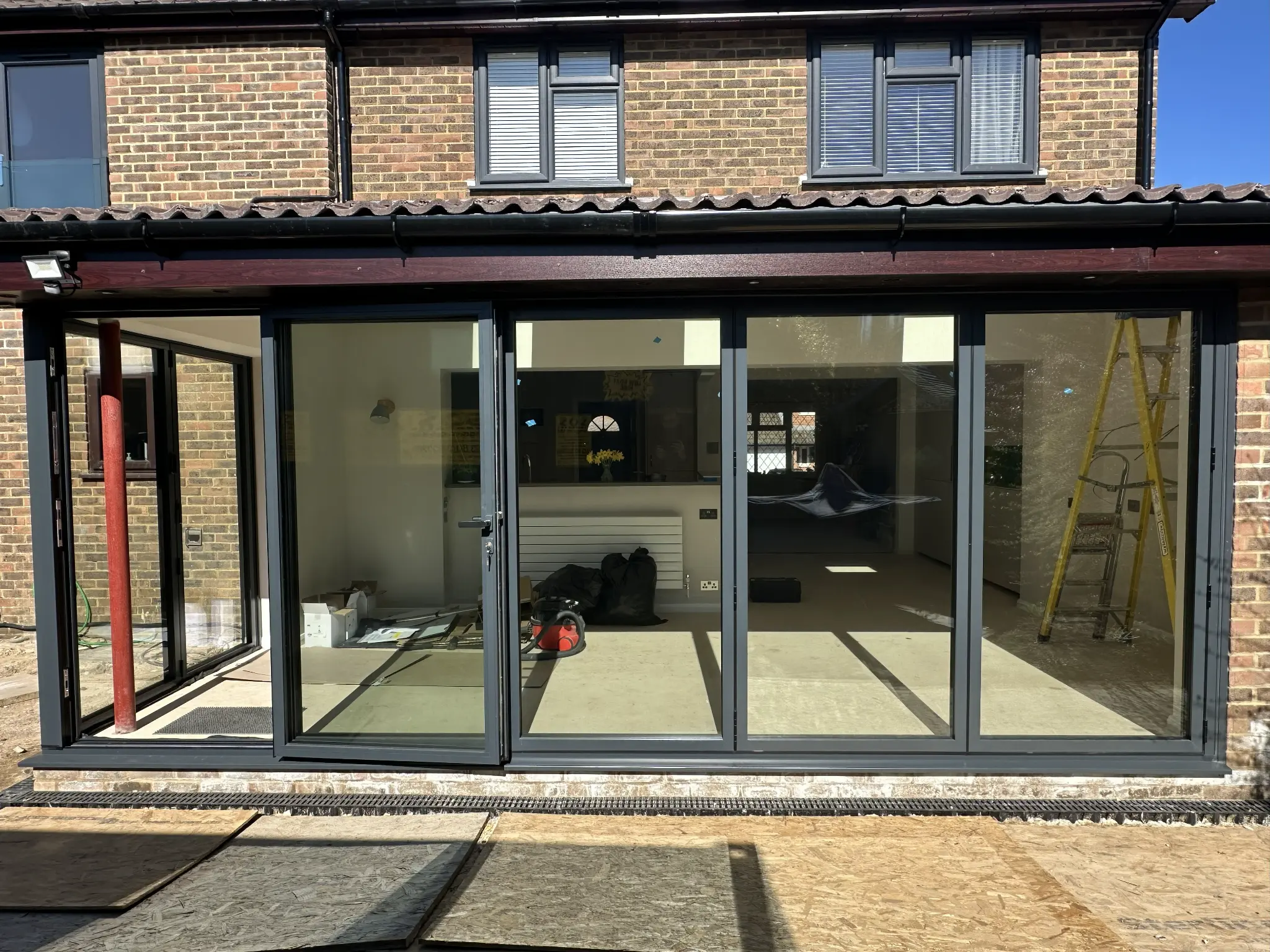
One of the most compelling advantages is the ability to blur the lines between your kitchen and garden. Bi-fold or sliding doors can open up an entire wall, creating a continuous flow perfect for entertaining, family life, and enjoying your outdoor space during warmer months. This connection enhances the feeling of spaciousness and brings the outside in.
Modern Aesthetic & Value
Glass extensions lend a contemporary, sophisticated look to any property, often increasing its aesthetic appeal and market value. The sleek lines and minimalist frames of modern glazing systems complement various architectural styles, from period homes to new builds, offering a striking contrast or harmonious integration.
Enhanced Views
If your property boasts a beautiful garden or scenic surroundings, a glass extension provides an uninterrupted panorama. This allows you to enjoy your views year-round, transforming your kitchen into a dynamic space that changes with the seasons.
Design Considerations and Glazing Options
Designing a glass kitchen extension involves more than just choosing large windows. It requires careful thought about how the glass integrates with the overall structure, its performance, and its aesthetic impact.
Key Design Elements
- Orientation: Consider the sun's path throughout the day and year. South-facing glass can lead to overheating in summer, while north-facing might feel colder. Strategic shading solutions (e.g., overhangs, integrated blinds) can mitigate solar gain.
- Ventilation: Adequate ventilation is crucial to prevent overheating and manage condensation. Incorporate opening sections in your glazing, such as tilt-and-turn windows or trickle vents, and consider mechanical ventilation systems.
- Privacy: Large glass areas can compromise privacy, especially in urban environments. Explore options like obscured glass, integrated blinds, or strategic landscaping to maintain seclusion.
- Structural Integration: The glass elements must be seamlessly integrated with the structural framework of the extension. This often involves steel or aluminium supports to carry the weight of the roof and glazing.
Popular Glazing Options for Kitchen Extensions
The choice of glazing will significantly impact the look, performance, and cost of your extension.
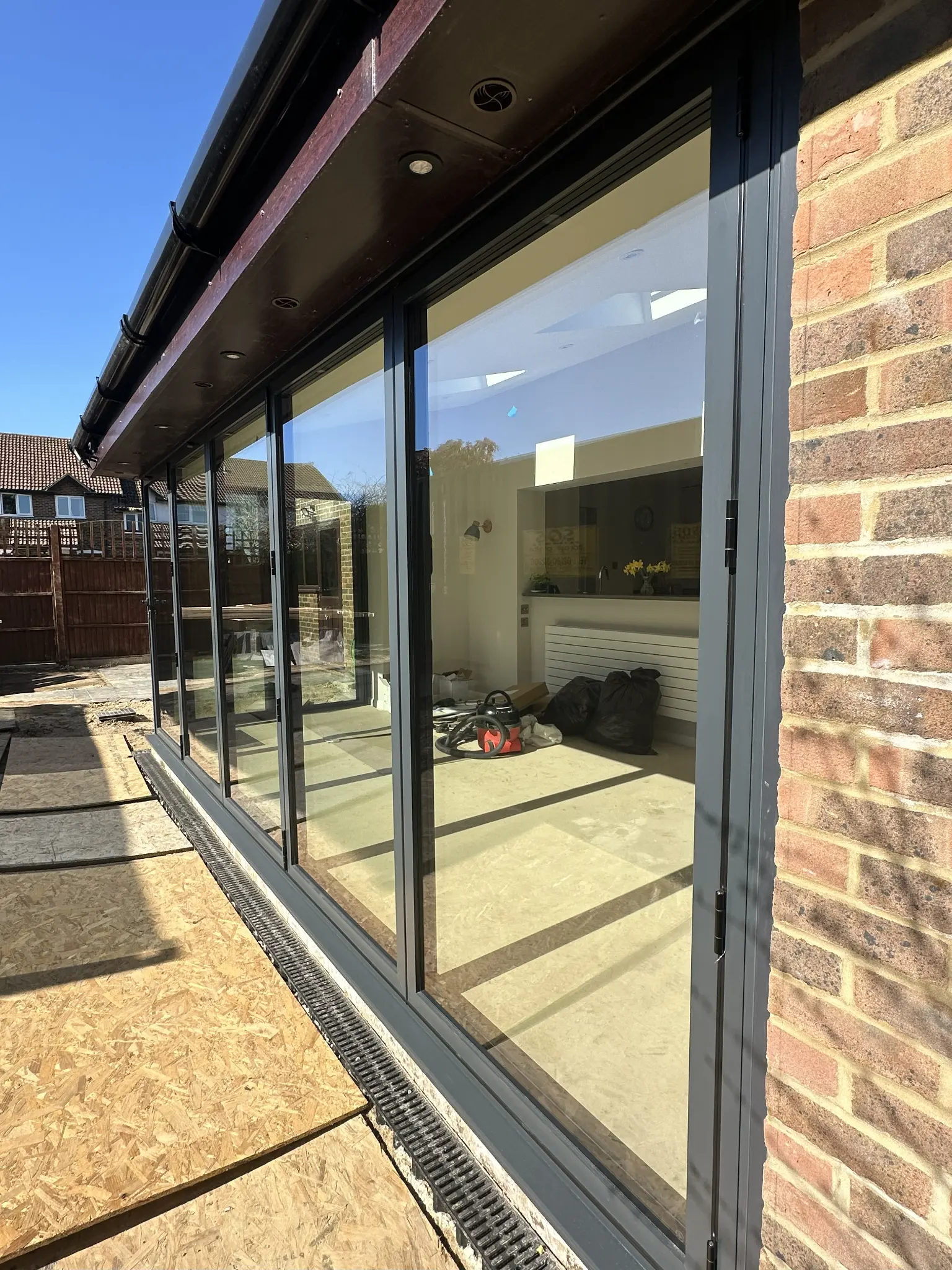
- Bi-fold Doors: These allow entire walls to fold back, creating a wide opening and a seamless transition to the garden. Available in various configurations and panel numbers.
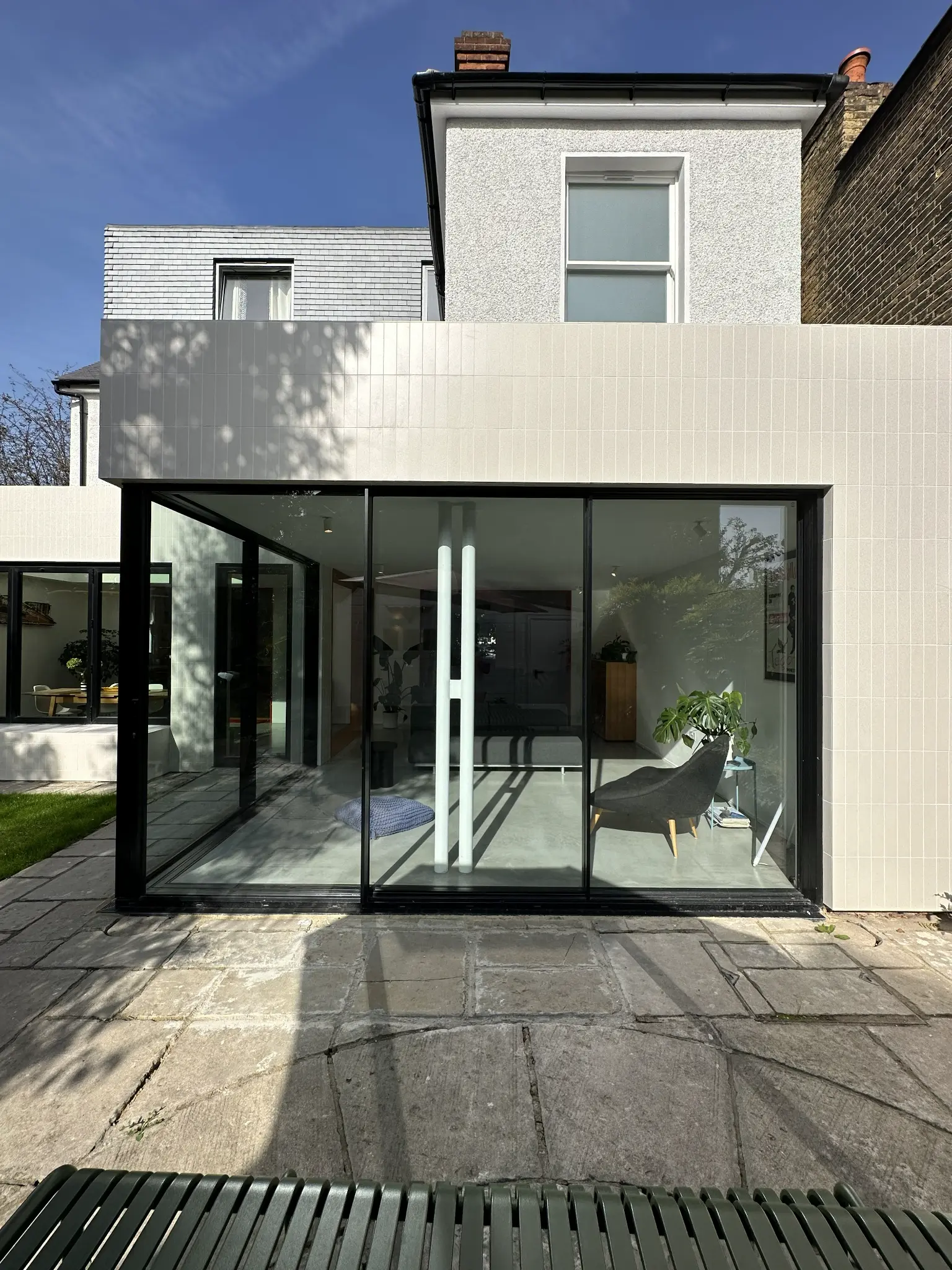
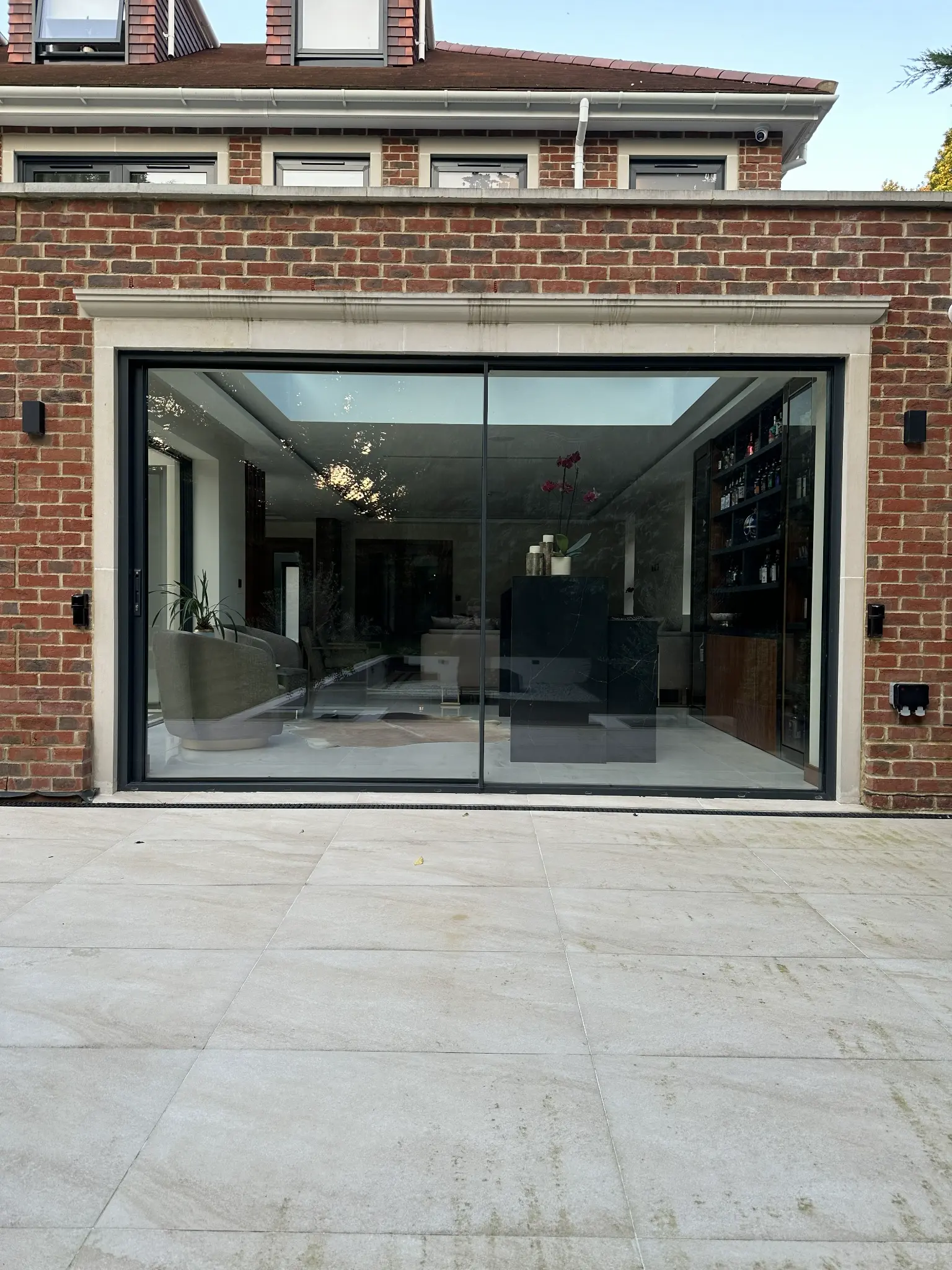
- Sliding Doors (e.g., Lift & Slide): Offer large, uninterrupted glass panels that slide effortlessly, providing expansive views even when closed. They can achieve larger individual panel sizes than bi-folds.
- Fixed Glass Panels/Walls: Ideal for maximising light and views where an opening function isn't required. Can be used to create stunning floor-to-ceiling glass features.
- Rooflights & Lanterns: Essential for bringing light deep into the extension, especially if it's overshadowed by the existing property. Options include flat rooflights, pyramid lanterns, or bespoke glass roofs.
- Frameless Glazing: For the ultimate minimalist aesthetic, frameless glass walls or doors offer an almost invisible barrier, though they often come at a higher cost and require specialist installation.
Pro Tip
When selecting glazing, pay close attention to the U-value (a measure of heat loss) and G-value (solar gain) of the glass. A lower U-value indicates better insulation, while a suitable G-value helps manage solar heat. For UK extensions, aim for U-values of 1.2 W/m²K or lower for windows and doors, and consider solar control coatings for south-facing glass.
Materials and Thermal Performance
The frame material and glass specification are critical for both aesthetics and energy efficiency.
Frame Materials
- Aluminium: Highly popular for modern extensions due to its strength, slim sightlines, and durability. Aluminium frames are thermally broken to prevent heat transfer. They are low maintenance and available in a vast range of RAL colours.
- Timber: Offers a natural, warm aesthetic and excellent thermal properties. Requires more maintenance than aluminium and typically has thicker frames.
- uPVC: A cost-effective option, offering good thermal performance. However, uPVC frames are generally thicker than aluminium and may not achieve the same minimalist aesthetic for very large spans.
- Composite (e.g., Aluminium Clad Timber): Combines the best of both worlds – the warmth of timber internally with the low maintenance and durability of aluminium externally.
Glass Technology
Modern glass technology is key to achieving comfortable and energy-efficient glass extensions.
- Double Glazing: The minimum standard, consisting of two panes of glass separated by an inert gas (e.g., argon) and a spacer bar.
- Triple Glazing: Offers superior thermal performance with three panes of glass and two gas-filled cavities, ideal for maximising insulation, especially in colder orientations or for very large glass areas.
- Low-Emissivity (Low-E) Coatings: Microscopic metallic coatings applied to one of the glass surfaces reflect heat back into the room in winter and reduce heat gain from the sun in summer.
- Solar Control Glass: Specifically designed to reduce the amount of solar heat entering a building, crucial for large south or west-facing glass areas to prevent overheating.
- Self-Cleaning Glass: Features a special coating that reacts with sunlight to break down organic dirt, which is then washed away by rain, reducing maintenance.
UK Building Regulations and Planning Permission
Any significant extension project in the UK will likely require both planning permission and Building Regulations approval.
Planning Permission
Many smaller extensions can fall under 'Permitted Development' rights, meaning they may not require a full planning application. However, there are strict criteria regarding size, height, proximity to boundaries, and materials. For example, a single-storey rear extension can extend up to 4m from the original rear wall of a detached house, or 3m for a semi-detached or terraced house, without planning permission (subject to neighbour consultation scheme). Exceeding these limits or building on certain types of land (e.g., conservation areas) will necessitate a full planning application. Always check with your local planning authority.
Building Regulations
Building Regulations are mandatory standards for the design and construction of buildings, ensuring health, safety, welfare, and energy efficiency. A glass kitchen extension must comply with various parts of the regulations, most notably:
- Part A (Structure): Ensuring the extension is structurally sound and safe.
- Part B (Fire Safety): Requirements for means of escape and fire resistance.
- Part C (Site Preparation and Resistance to Contaminants and Moisture): Ensuring foundations are adequate and the structure is protected from damp.
- Part F (Ventilation): Adequate ventilation to prevent condensation and ensure good air quality.
- Part L (Conservation of Fuel and Power): This is particularly critical for glass extensions. There are stringent requirements for thermal performance.
UK Building Regulations Part L (2022 England) - Thermal Performance Requirements:
For new extensions, the components must meet specific U-values:
- Walls: 0.18 W/m²K
- Floors: 0.18 W/m²K
- Roofs: 0.15 W/m²K
- Windows/Doors (New Build): 1.2 W/m²K
- Windows/Doors (Replacement): 1.4 W/m²K
A glass extension, by its nature, has a higher proportion of glazing compared to solid walls. This means that while individual windows and doors must meet the 1.2 W/m²K (or 1.4 W/m²K for replacements) standard, the overall extension's thermal performance is assessed. This is typically done using the 'U-value method' or the 'area-weighted U-value method', or by demonstrating that the extension does not increase the overall carbon emissions of the dwelling (the 'whole dwelling' approach). It is highly recommended to consult with an architect or Building Control officer early in the design process to ensure compliance.
Legal Note: Failure to comply with Building Regulations could lead to enforcement action from your local authority, making it difficult to sell your property in the future. Always obtain Building Control approval before starting work.
Cost and Budgeting
The cost of a glass kitchen extension can vary significantly depending on size, complexity, materials, and specification. It's an investment, and budgeting accurately is crucial.
Factors Influencing Cost:
- Size and Design Complexity: Larger, more intricate designs with bespoke glass elements will naturally cost more.
- Glazing Specification: Triple glazing, specialist coatings (e.g., solar control, self-cleaning), and frameless systems are more expensive than standard double glazing.
- Frame Material: Aluminium and composite frames are generally more expensive than uPVC.
- Foundations: Ground conditions can impact foundation costs significantly.
- Internal Finishes: Kitchen units, flooring, lighting, and appliances will form a substantial part of the overall budget.
- Professional Fees: Architects, structural engineers, and Building Control fees must be factored in.
- Site Access: Difficult site access can increase labour and material delivery costs.
As a very rough guide, a high-quality glass kitchen extension in the UK could range from £30,000 to well over £100,000, depending on the factors above. Obtaining detailed quotes from several reputable contractors is essential.
Maintenance and Longevity
While modern glazing systems are designed for durability, some maintenance is required to ensure longevity and optimal performance.
- Cleaning: Regular cleaning of glass and frames will maintain aesthetics and prevent dirt build-up. Self-cleaning glass can reduce the frequency of cleaning, but won't eliminate it entirely.
- Hardware Checks: Periodically check hinges, locks, and operating mechanisms on doors and opening windows. Lubricate moving parts as recommended by the manufacturer.
- Seals and Gaskets: Inspect seals and gaskets for any signs of perishing or damage, which could compromise thermal performance and weather resistance.
- Drainage: Ensure drainage channels in door and window frames are clear of debris to prevent water build-up.
With proper care, a well-designed and installed glass kitchen extension can provide many decades of enjoyment and add significant value to your home.
Comparing Glazing Options
Here's a comparison of common glazing choices for your kitchen extension:
| Feature | Bi-fold Doors | Sliding Doors | Fixed Glass Walls | Rooflights/Lanterns |
|---|---|---|---|---|
| Opening Type | Concertina fold, full opening | Slide horizontally, partial opening | No opening function | Fixed, or some offer ventilation |
| View Clarity | Interrupted by vertical frames when closed | Large, uninterrupted panes | Maximum clarity, no frames | Overhead views, sky focus |
| Space Requirement | Panels stack internally/externally | Panels slide within frame, minimal intrusion | None (fixed) | Roof space |
| Thermal Performance | Excellent (with thermal breaks, double/triple glazing) | Excellent (with thermal breaks, double/triple glazing) | Excellent (with double/triple glazing) | Excellent (with double/triple glazing, often self-cleaning) |
| Cost (Relative) | Medium to High | Medium to High | Medium | Medium to High (depending on size/type) |
| Best For | Seamless indoor-outdoor flow, entertaining | Maximising views, large openings | Maximising light, minimalist aesthetic | Bringing light deep into the space |
A glass kitchen extension is a significant undertaking that promises to transform your home. By understanding the design possibilities, technical requirements, and regulatory landscape, you can embark on this exciting project with confidence. Investing in high-quality materials and professional expertise will ensure your new space is not only beautiful but also comfortable, energy-efficient, and a joy to live in for years to come.
When considering your glass kitchen extension, partnering with experienced glazing specialists is paramount. Shard AG offers a comprehensive range of high-performance glazing solutions, from bespoke bi-fold and sliding doors to stunning rooflights and structural glass. Our team of experts can guide you through every stage, from initial design concepts to meticulous installation, ensuring your vision for a light-filled, contemporary kitchen extension becomes a reality, fully compliant with UK Building Regulations and tailored to your specific needs.
Explore Our Products
Discover how Shard Architectural Glazing can transform your home with our premium glazing solutions:
Ready to Transform Your Home?
Get in touch with our expert team for a free consultation and personalised quote. We'll help you choose the perfect glazing solution for your property.