

Designing Open Plan Living with Architectural Glazing
Explore the technical and design considerations for integrating architectural glazing into open plan living spaces in the UK, covering Building Regulations and U-values.

Shard Architectural Glazing
28 December 2025
Explore the technical and design considerations for integrating architectural glazing into open plan living spaces in the UK, covering Building Regulations and U-values.
📋In This Article
Designing Open Plan Living with Architectural Glazing
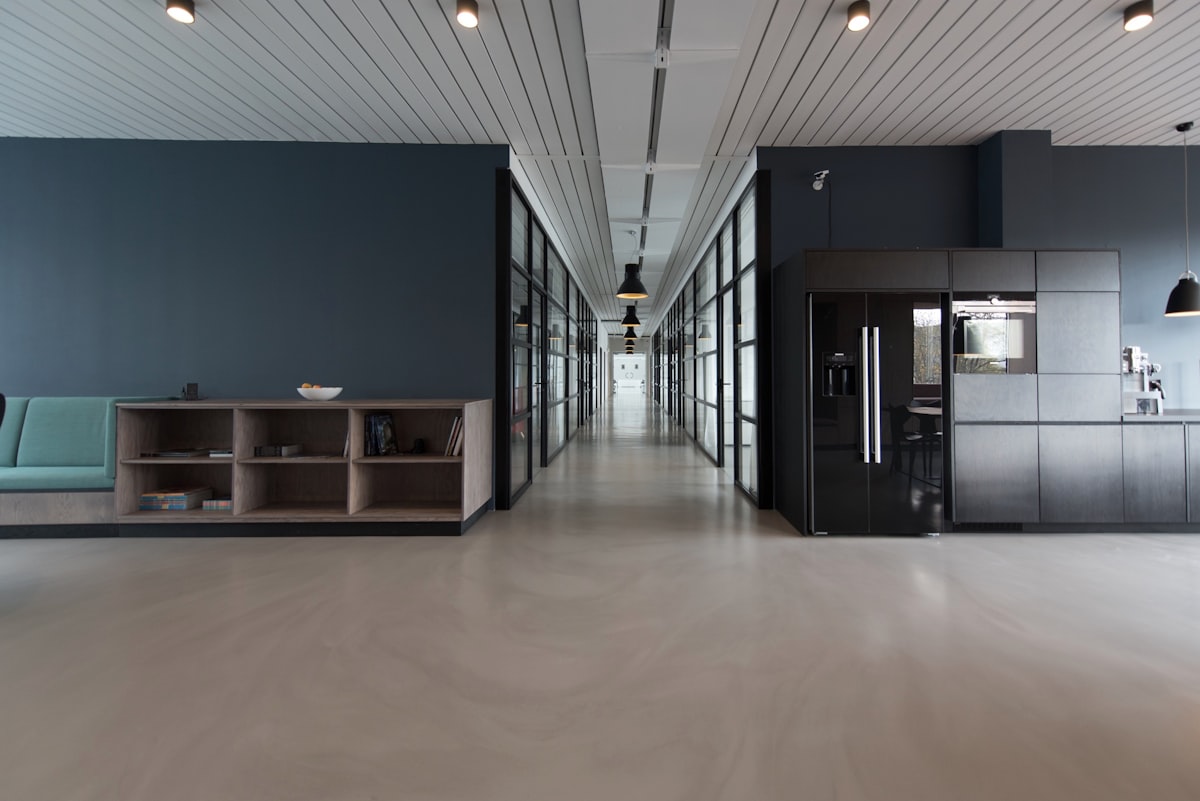
Open plan living has become a cornerstone of modern UK home design, offering flexibility, increased natural light, and a better connection between indoor and outdoor spaces. Architectural glazing – including bifold doors, sliding systems, large picture windows, and structural glass – is instrumental in achieving this aesthetic. However, integrating significant amounts of glazing into an open plan layout requires careful consideration of structural integrity, thermal performance, and compliance with UK Building Regulations.
Thermal Performance and UK Building Regulations Part L (2022)
One of the primary challenges when designing open plan spaces featuring extensive glazing is maintaining thermal efficiency. Historically, large glass areas were associated with significant heat loss. Modern architectural glazing technology, combined with strict adherence to Building Regulations Part L (Conservation of Fuel and Power), ensures that contemporary designs can be both bright and energy efficient.
Understanding U-Values
The U-value measures how effectively a component (like a window or door) prevents heat from passing through it. The lower the U-value, the better the insulation. For UK homeowners undertaking extensions or new builds, meeting the current standards is mandatory.
- Replacement Windows/Doors: The maximum allowable U-value is typically 1.4 W/m²K.
- New Build/New Openings: The target U-value for windows and doors is 1.2 W/m²K.
When incorporating large expanses of glass, it is crucial to select high-performance products, often featuring low-emissivity (Low-E) coatings, thermally broken frames, and high-quality inert gas fills (like Argon) within the double or triple glazing units.
The Glazing Ratio and SAP Calculations
In a typical extension or new build, Building Control will assess the overall thermal performance of the dwelling using the Standard Assessment Procedure (SAP) calculation. While there isn't a strict maximum percentage for glazing, if the glazed area exceeds the standard allowance (often around 25% of the floor area plus existing openings), the designer must demonstrate that the overall dwelling performance compensates for the increased heat loss through the glass.
This usually means upgrading the insulation elsewhere in the building fabric:
| Component (England Part L 2022) | Target U-Value (W/m²K) | Purpose |
|---|---|---|
| Walls (New Build/Extension) | 0.18 | Minimising heat transfer through solid structure. |
| Roofs (New Build/Extension) | 0.15 | Preventing upward heat loss. |
| Windows/Doors (New Openings) | 1.2 | Ensuring high thermal efficiency of glazing. |
| Floors | 0.18 | Insulating the ground floor slab. |
Pro Tip
If you are planning an extension with substantial glazing, engage an energy assessor early in the design process. They can run a SAP calculation to ensure your chosen wall, floor, and roof insulation levels compensate for the large glass areas, preventing potential delays with Building Control approval.
Structural Considerations and Load Bearing
The transition to open plan living often involves removing internal load-bearing walls. This requires the installation of structural supports, typically steel beams (RSJs) or large timber members, which must be carefully integrated with the glazing system.
Integrating Steelwork
When installing large bifold or sliding doors, the lintel or steel beam above must carry the weight of the structure above (e.g., the first floor or roof). Crucially, this steelwork must be adequately insulated using thermal breaks or insulation wraps to prevent cold bridging. Cold bridging occurs when heat bypasses the insulation through a conductive material, leading to significant heat loss and potential condensation issues.
Pocket Doors and Structural Glass
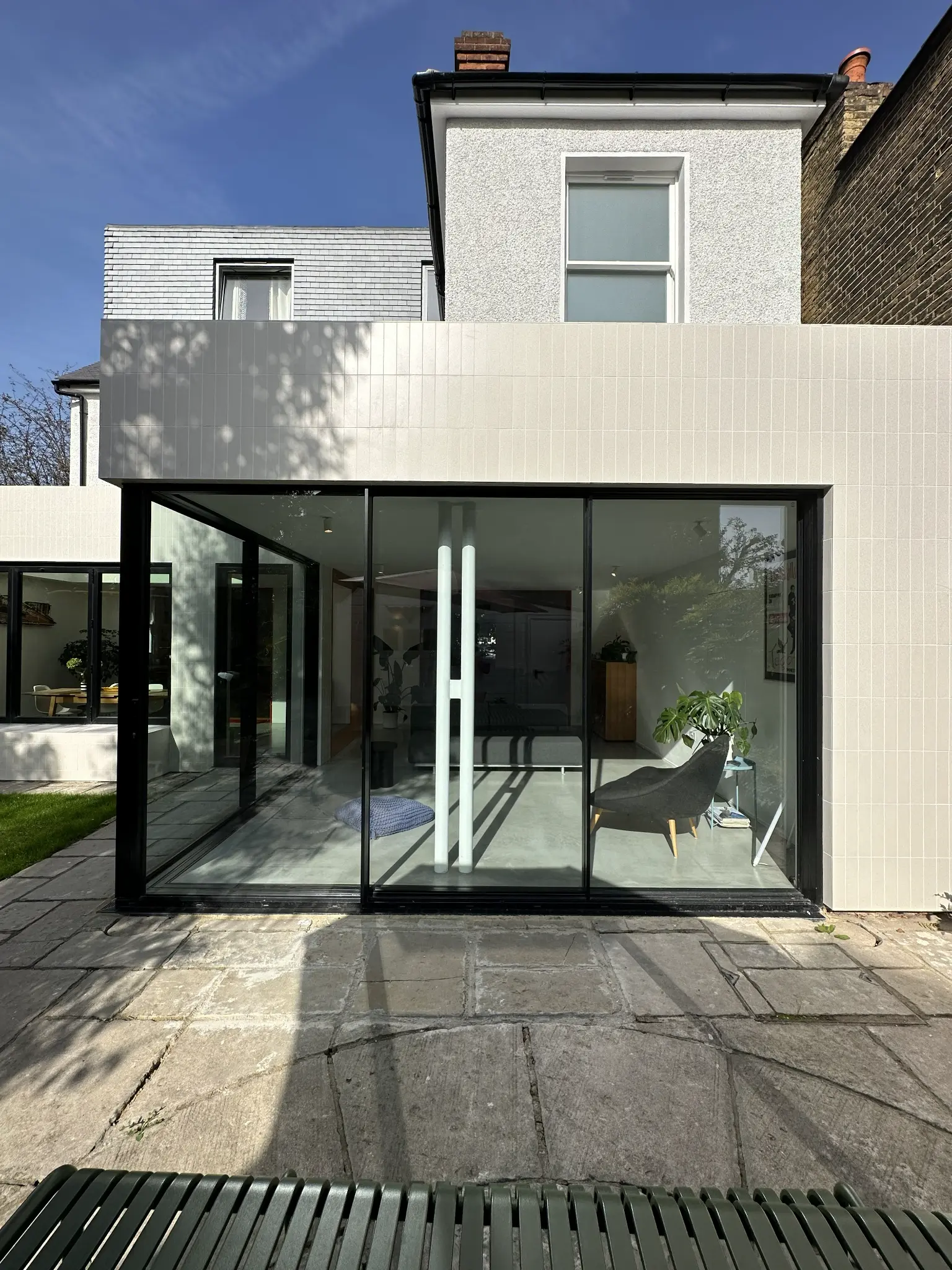
For seamless transitions, homeowners often opt for pocket sliding doors, where the panels disappear entirely into a cavity wall. This requires precise structural planning to ensure the pocket walls remain stable while accommodating the door gear. Similarly, structural glass installations, which use glass fins or minimal framing, require detailed engineering calculations to manage wind loads and structural deflection.
Choosing the Right Glazing System for Open Plan Flow
The choice of glazing system significantly impacts the functionality and aesthetic of the open plan space, particularly the connection to the garden or patio.
Bifold Doors vs. Sliding Doors
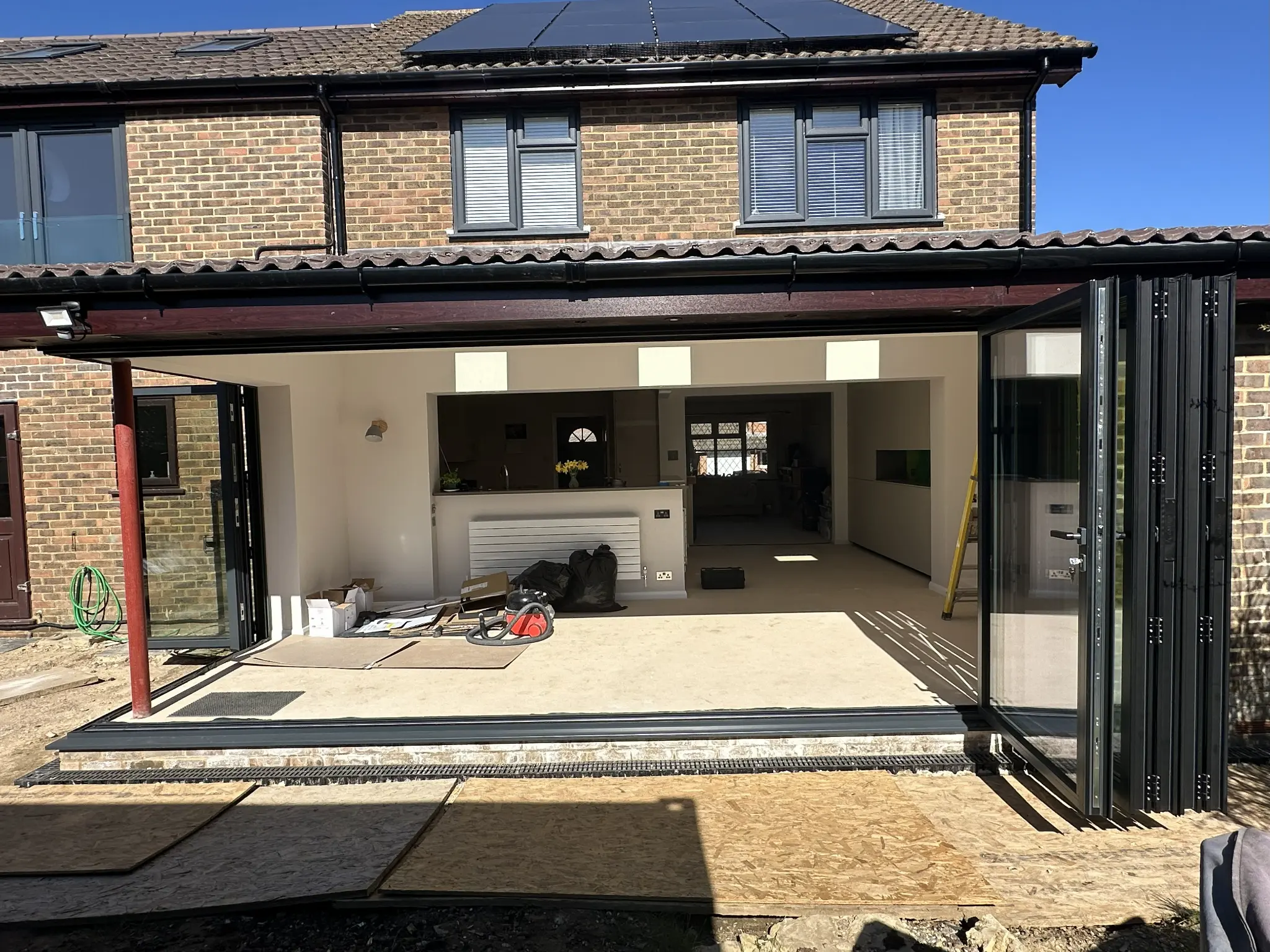
Bifold Doors: These fold back concertina-style, offering an opening that can be up to 90% of the aperture width. They are excellent for completely merging two spaces, making them ideal for kitchen-dining areas that flow onto a patio. However, they require space for the folded stack of panels.
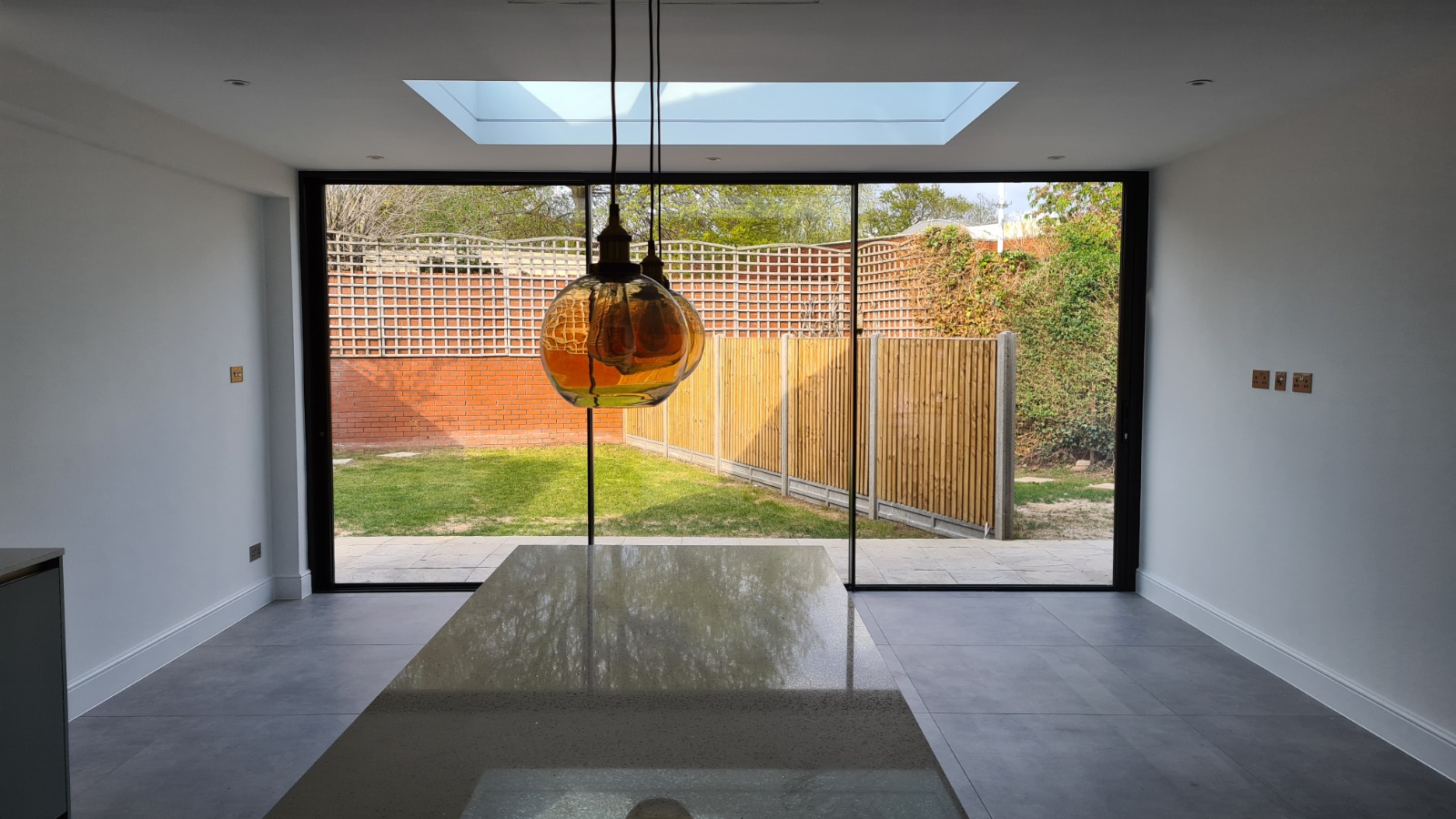
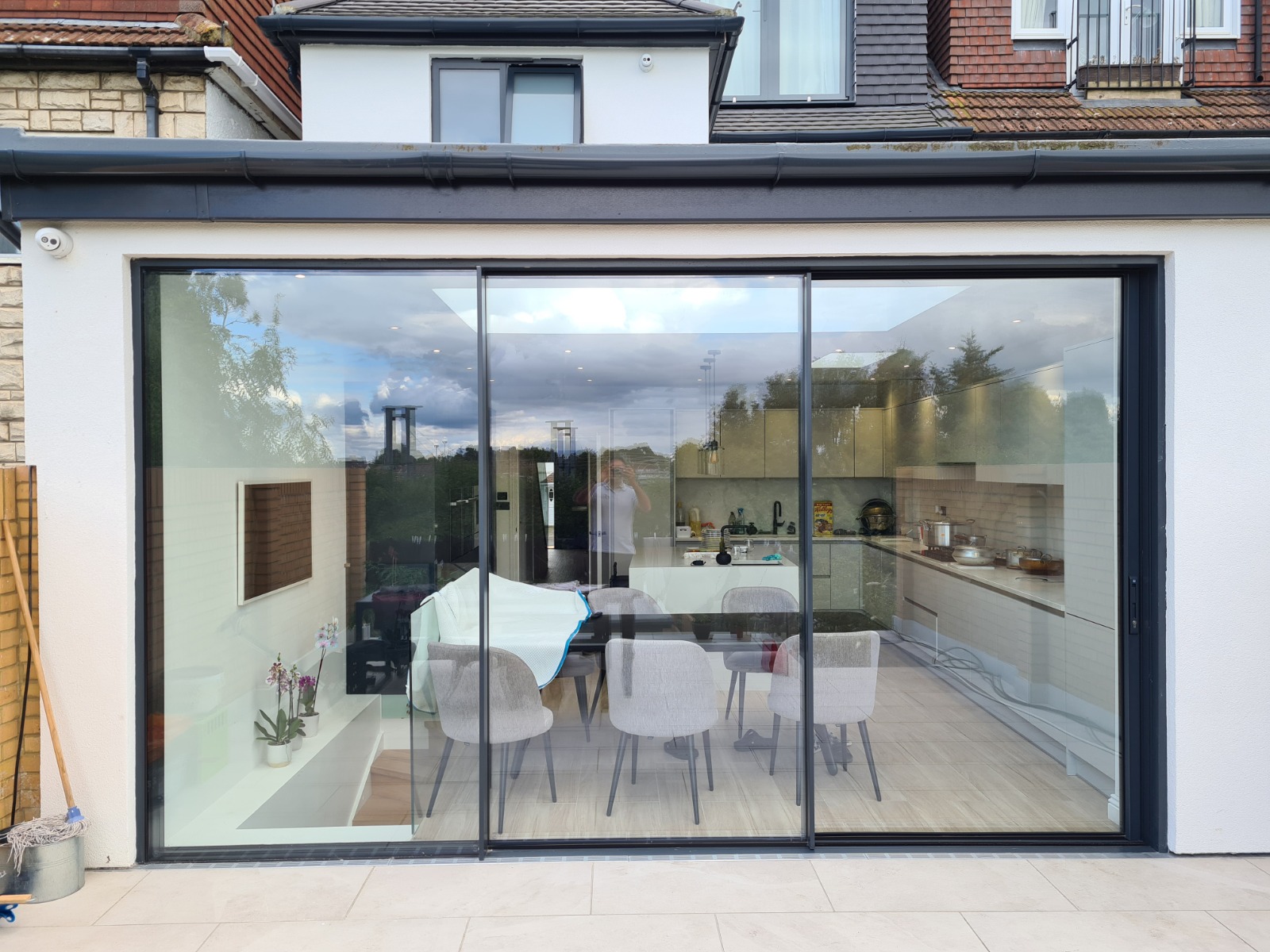
Sliding Doors (e.g., Lift & Slide): These typically offer larger, uninterrupted glass panels, maximising views even when closed. While the maximum opening is usually around 50-66% (as one panel slides behind another), their slim sightlines are highly sought after for minimalist aesthetics. Modern sliding systems often feature very low-profile thresholds for a near-flush transition.
Flush Thresholds and Drainage
Achieving a truly seamless, flush threshold between the inside floor and the external patio is a key goal for open plan design. However, this must be balanced against effective drainage and compliance with Building Regulations Part H (Drainage and Waste Disposal).
A flush threshold requires a robust drainage solution, such as a linear channel drain, situated immediately outside the door track. Building Control typically requires a slight step or adequate drainage to prevent surface water from entering the dwelling, particularly in severe weather. A minimum 150mm step down to the ground level is often required unless a specific, compliant drainage system is installed.
Practical Considerations and Potential Drawbacks
While open plan living with glazing offers numerous benefits, homeowners must be aware of potential practical drawbacks and plan accordingly.
Acoustics and Noise Transfer
Removing internal walls increases sound travel. Noise from the kitchen (appliances, cooking) or external noise entering through large glazed areas can be disruptive. Selecting glazing with good acoustic performance (e.g., laminated glass or thicker units) can mitigate external noise. Internally, careful material choices (soft furnishings, rugs, acoustic panels) are necessary to absorb sound and prevent echo.
Solar Gain and Overheating
Large south- or west-facing glazed elevations can lead to excessive solar gain during summer months, causing overheating. This requires proactive planning:
- Solar Control Coatings: Glazing can be treated with coatings that reflect solar heat while still allowing light transmission.
- External Shading: Overhangs, brise soleils, or external automated blinds are highly effective at blocking high-angle summer sun before it hits the glass.
- Ventilation Strategy: Ensure adequate cross-ventilation can be achieved, often through high-level opening vents or rooflights, to purge hot air.
Security
Large glazed doors must not compromise home security. Ensure any system chosen meets UK security standards, such as PAS 24 (Enhanced Security Performance Requirements) and has multi-point locking mechanisms. Look for certification from schemes like Secured by Design (SBD).
Maximised Natural Light
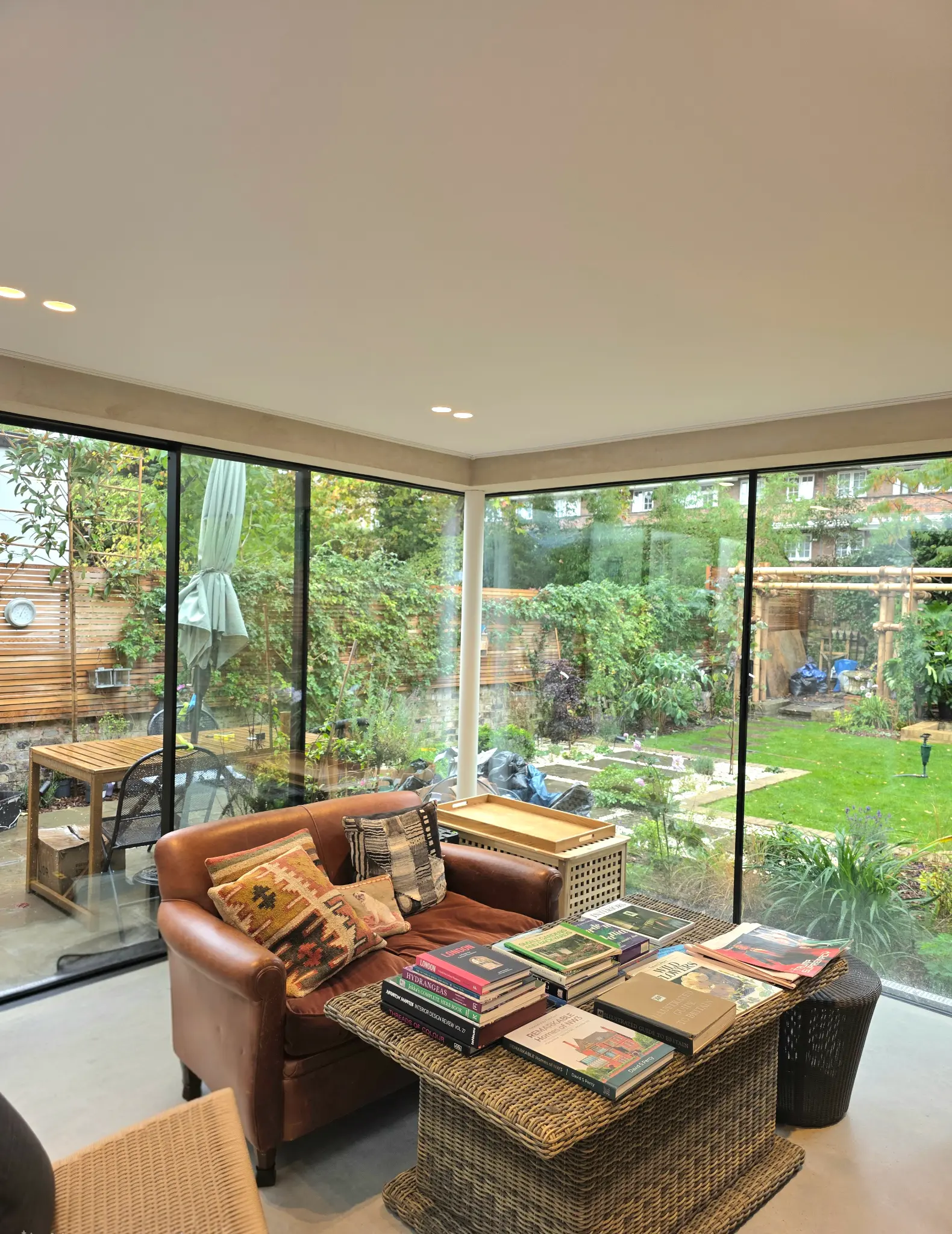
Glazing floods open plan areas with daylight, reducing reliance on artificial lighting and improving well-being.
Seamless Indoor-Outdoor Flow
Large doors create a continuous living space, ideal for entertaining and enjoying the garden.
Enhanced Property Value
Modern, energy-efficient open plan extensions are highly desirable and typically increase resale value.
Flexible Living Spaces
The ability to open or close large sections allows the space to adapt quickly to different social or family needs.
Working with Professionals and Compliance
Successfully executing a large-scale glazing project in an open plan setting requires a collaborative approach involving several professionals:
- Architect/Designer: To plan the layout, aesthetics, and overall flow.
- Structural Engineer: Essential for calculating steel beam sizes and ensuring the remaining structure can handle the loads after wall removal.
- Energy Assessor: To perform SAP calculations and ensure compliance with Part L thermal requirements.
- Building Control: Local authority or approved inspector sign-off is mandatory for structural alterations and thermal upgrades. Failure to obtain sign-off could affect future property sales.
Always ensure your chosen glazing supplier provides products that are certified and compliant with current UK standards, including BS EN 1279 for sealed units and BS EN 14351 for windows and doors.
Conclusion: Achieving the Vision
Open plan living enhanced by architectural glazing transforms a home, offering light, space, and connection. While the technical demands—particularly concerning U-values, structural support, and drainage—are significant, careful planning and collaboration with qualified professionals ensure the final result is both stunning and compliant with stringent UK Building Regulations.
If you are planning a major renovation or extension in the UK and require expert guidance on high-performance bifold doors, sliding systems, or structural glazing to realise your open plan vision, consulting with specialists like Shard AG can provide the necessary technical expertise and quality products required to meet the latest Part L standards and achieve a seamless, energy-efficient design.
Explore Our Products
Discover how Shard Architectural Glazing can transform your home with our premium glazing solutions:
Ready to Transform Your Home?
Get in touch with our expert team for a free consultation and personalised quote. We'll help you choose the perfect glazing solution for your property.