

Garden Room Glazing: Choosing the Right Windows & Doors
Explore garden room glazing options, from uPVC to aluminium, understanding U-values, security, and UK Building Regulations for optimal comfort and efficiency.

Shard Architectural Glazing
1 February 2026
Explore garden room glazing options, from uPVC to aluminium, understanding U-values, security, and UK Building Regulations for optimal comfort and efficiency.
📋In This Article
Garden rooms have become an increasingly popular addition to UK homes, offering versatile spaces for home offices, gyms, art studios, or simply a tranquil retreat. While the overall design and construction are crucial, the choice of glazing – your windows and doors – plays a pivotal role in the garden room's comfort, energy efficiency, security, and aesthetic appeal. This guide will delve into the various glazing options available, helping you make an informed decision for your garden room project.
Understanding U-Values and Building Regulations
Before exploring material options, it's essential to grasp the concept of U-values. A U-value measures how effectively a material or component prevents heat from passing through it. A lower U-value indicates better insulation and less heat loss. For garden rooms, especially those intended for year-round use, achieving good thermal performance is paramount.
In England, if your garden room is considered an 'extension' or a 'new building' (e.g., if it's over 30m² internal floor area, or has sleeping accommodation, or is attached to the main dwelling without being separated by a wall that meets house standards), it will typically need to comply with Part L (Conservation of Fuel and Power) of the Building Regulations 2022. For new build and extension projects, the maximum U-value for windows and doors is 1.2 W/m²K. For replacement windows and doors, it's 1.4 W/m²K. Even if your garden room is exempt from full Building Regulations (e.g., under 30m² and unattached), specifying glazing that meets or exceeds these standards is highly recommended for comfort and energy efficiency.
Pro Tip
Always check with your local Building Control department early in your project planning. They can confirm whether your specific garden room design requires Building Regulations approval and what U-value targets you'll need to achieve for your glazing.
Common Glazing Frame Materials
The frame material significantly impacts the glazing's aesthetics, thermal performance, durability, and cost.
uPVC (Unplasticised Polyvinyl Chloride)
- Pros:
- Cost-Effective: Generally the most affordable option.
- Low Maintenance: Requires minimal cleaning and no painting.
- Good Thermal Performance: Modern uPVC frames, especially multi-chambered designs, offer excellent insulation.
- Durability: Resistant to rot, rust, and corrosion.
- Cons:
- Aesthetics: Can sometimes appear less premium than other materials, though modern designs have improved.
- Limited Colour Range: While white is standard, other colours (e.g., anthracite grey, black) are available but may cost more.
- Environmental Impact: Production and disposal can be a concern, though recycling efforts are improving.
Aluminium
- Pros:
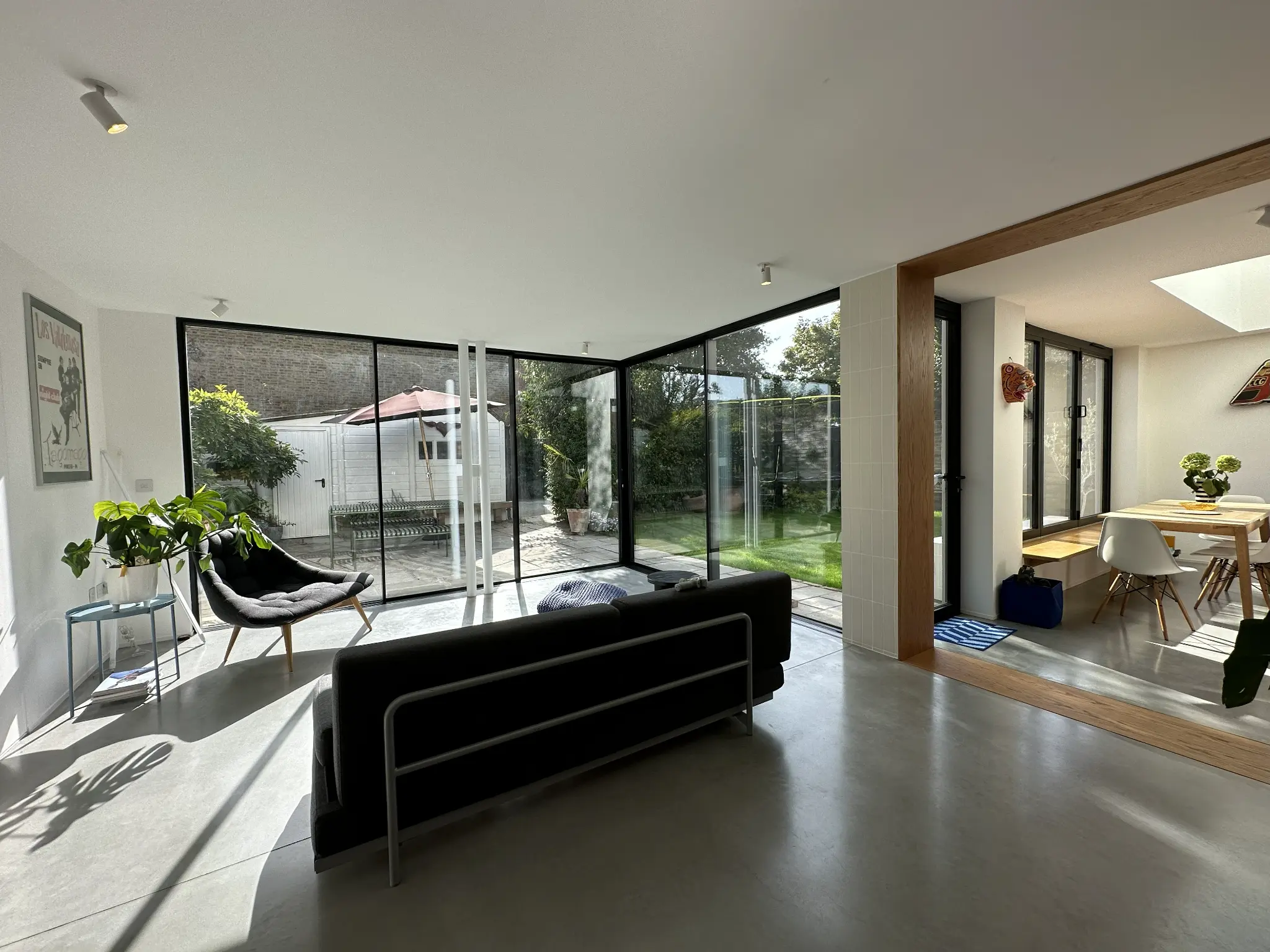
- Strength & Slim Sightlines: Extremely strong, allowing for very slim frames and larger glass panels, maximising natural light.
- Modern Aesthetics: Offers a sleek, contemporary look, popular in modern architectural designs.
- Durability: Highly resistant to corrosion, rust, and warping. Long lifespan.
- Low Maintenance: Easy to clean, no painting required.
- Colour Versatility: Available in a vast range of RAL colours, often with a durable powder-coated finish.
- Cons:
- Cost: Typically more expensive than uPVC.
- Thermal Performance (Historically): Aluminium is a good conductor of heat. However, modern aluminium frames incorporate 'thermal breaks' (insulating barriers within the frame) to achieve excellent U-values, often matching or exceeding uPVC.
Timber (Wood)
- Pros:
- Natural Aesthetics: Offers a classic, warm, and traditional look.
- Excellent Thermal Performance: Wood is a natural insulator.
- Sustainability: If sourced from responsibly managed forests (FSC or PEFC certified), timber is a renewable resource.
- Customisation: Can be painted or stained to any colour.
- Cons:
- Maintenance: Requires regular painting or staining to protect against weathering, typically every 3-7 years depending on exposure and finish.
- Cost: Can be more expensive than uPVC, comparable to or more than aluminium depending on timber type and finish.
- Durability (if untreated): Susceptible to rot and insect attack if not properly maintained.
Timber-Aluminium Composite
- Pros:
- Best of Both Worlds: Combines the natural warmth of timber internally with the durability and low maintenance of aluminium externally.
- Exceptional Thermal Performance: Often achieves very low U-values.
- Long Lifespan: Highly durable.
- Cons:
- Highest Cost: Typically the most expensive option.
- Complex Installation: Can be more involved due to the composite nature.
Glass Specifications and Performance
Beyond the frame, the glass itself is crucial for insulation, security, and comfort.
Double Glazing vs. Triple Glazing
- Double Glazing: Two panes of glass separated by a sealed gap, typically filled with an inert gas like argon. This is the standard for modern glazing and usually sufficient to meet Building Regulations.
- Triple Glazing: Three panes of glass with two sealed gaps. Offers superior thermal and acoustic insulation compared to double glazing, resulting in lower U-values (e.g., 0.8 W/m²K or lower). While more expensive and heavier, it can be beneficial for garden rooms used year-round, especially in exposed locations or where noise reduction is critical.
Low-Emissivity (Low-E) Coatings
A microscopic, transparent metallic coating applied to one of the glass surfaces reflects heat back into the room, reducing heat loss. This is standard in most modern double and triple-glazed units and is essential for achieving good U-values.
Warm Edge Spacer Bars
These are the components that separate the glass panes. Traditional aluminium spacers can act as a thermal bridge, allowing heat to escape. Warm edge spacer bars are made from less conductive materials (e.g., composite plastic) and significantly improve the overall U-value of the glazed unit, reducing condensation around the edges.
Security Glazing
For garden rooms, security is a major consideration. Options include:
- Laminated Glass: Two panes of glass bonded together with a plastic interlayer. If broken, the glass remains adhered to the interlayer, preventing a hole and providing enhanced security and safety (it doesn't shatter into dangerous shards).
- Toughened Glass: Heat-treated glass that is much stronger than standard glass. If it breaks, it shatters into small, relatively harmless pieces. Required in critical locations (e.g., low-level glazing, doors) by Building Regulations for safety.
Combined with multi-point locking systems on frames, security glazing offers peace of mind.
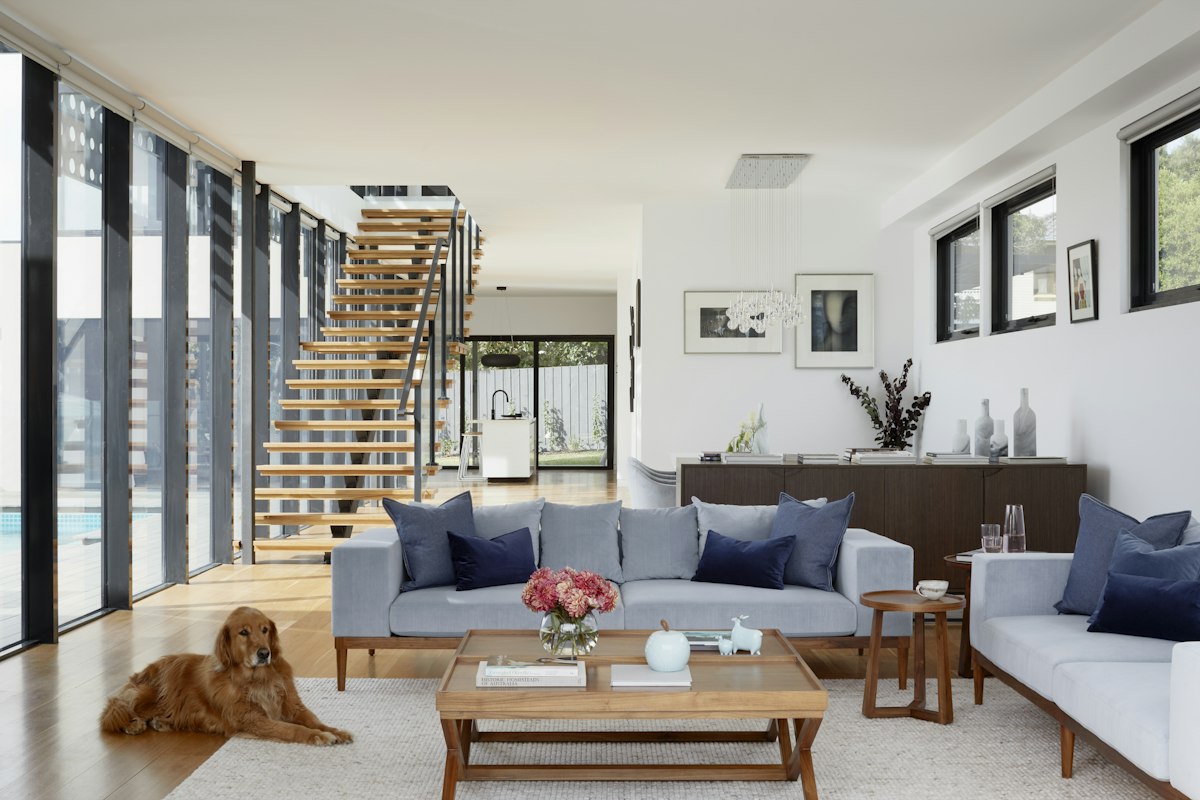
Types of Glazing Units for Garden Rooms
The choice of window and door types will impact functionality, ventilation, and aesthetics.
Windows
- Casement Windows: The most common type, hinged at the side or top, opening outwards. Offer good ventilation and security.
- Tilt & Turn Windows: Can either tilt inwards from the top for ventilation or open fully inwards like a casement window. Excellent for ventilation and easy cleaning.
- Fixed Panes (Picture Windows): Non-opening windows designed to maximise light and views. Often used in conjunction with opening windows for ventilation.
Doors
- French Doors: Two hinged doors that open outwards or inwards, creating a wide opening. Classic and elegant.
- Sliding Patio Doors: One or more panels slide horizontally along a track. Space-saving as they don't require outward or inward swing space.
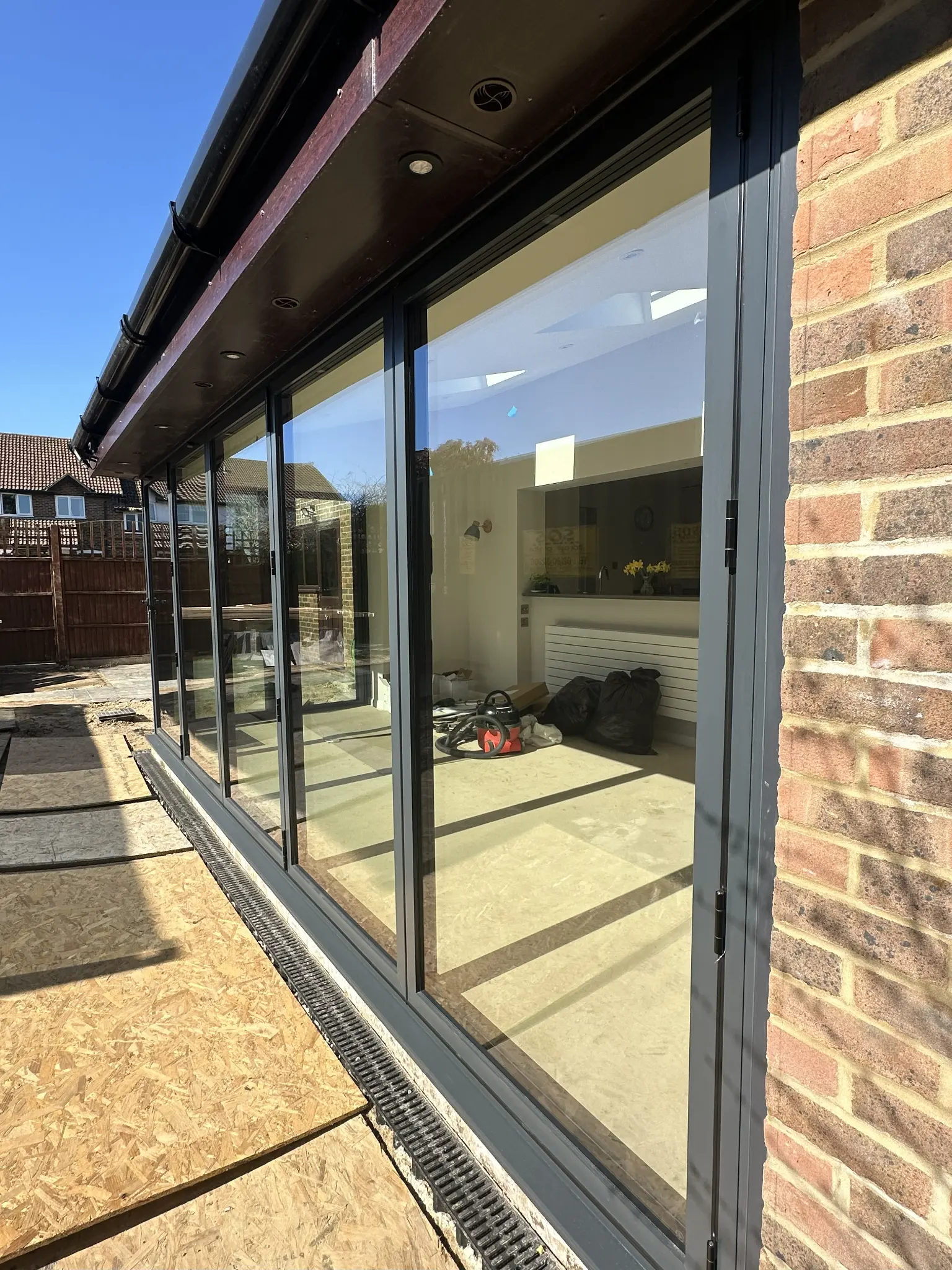
- Bi-Fold Doors: Multiple panels that fold back concertina-style, creating a large, unobstructed opening that seamlessly connects the garden room to the outdoors. A popular choice for a contemporary feel.
Maximise Natural Light
Large glazing units, especially bi-fold doors or fixed picture windows, flood your garden room with daylight, reducing the need for artificial lighting and creating a bright, airy atmosphere.
Thermal Comfort
High-performance double or triple glazing with low U-values ensures your garden room stays warm in winter and cool in summer, making it a comfortable space for year-round use.
Enhanced Security
Modern glazing options, including laminated or toughened glass and multi-point locking systems, provide robust security, protecting your garden room and its contents.
Aesthetic Appeal
The right choice of frame material and glazing style can significantly enhance the visual appeal of your garden room, complementing your home and garden design.
Comparison of Glazing Options
Here's a quick comparison of common frame materials for garden room glazing:
| Feature | uPVC | Aluminium | Timber | Timber-Aluminium |
|---|---|---|---|---|
| Cost (Relative) | £ | £££ | £££ | ££££ |
| Thermal Performance | Excellent | Excellent (with thermal breaks) | Excellent | Outstanding |
| Maintenance | Very Low | Very Low | High (regular treatment) | Very Low (external) |
| Durability | Good | Excellent | Good (with maintenance) | Excellent |
| Aesthetics | Versatile, modern | Sleek, contemporary | Natural, traditional | Premium, modern/natural blend |
| Slim Sightlines | Moderate | Excellent | Moderate | Good |
| Colour Options | Limited standard, more bespoke | Extensive RAL range | Paint/stain any colour | Extensive RAL (external) |
Practical Considerations for Your Garden Room
- Orientation: A south-facing garden room will benefit from solar gain but may require solar control glass to prevent overheating in summer. North-facing rooms will need maximum insulation.
- Ventilation: Ensure you have adequate opening windows or doors to allow for airflow and prevent overheating, especially if it's a sunny space. Roof vents can also be a good option.
- Shading: Consider external shading solutions like overhangs, pergolas, or internal blinds to manage solar gain and glare.
- Acoustics: If your garden room is near a noisy road or neighbours, consider acoustic glazing (often laminated glass or thicker glass panes) to reduce sound transmission.
- Security: Always prioritise robust locking mechanisms on all windows and doors, along with security glazing where appropriate.
- Budget: Glazing can be a significant portion of your garden room budget. Balance your desired performance and aesthetics with what's financially viable.
Choosing the right glazing for your garden room is a critical decision that impacts its functionality, comfort, and longevity. By understanding the different materials, glass specifications, and regulatory requirements, you can create a space that is not only beautiful but also energy-efficient, secure, and perfectly suited to your needs.
For expert advice and a wide range of high-performance glazing solutions tailored to your garden room project, consider consulting with specialists like Shard AG. We offer a comprehensive selection of uPVC, aluminium, and timber-aluminium composite windows and doors, designed to meet the highest standards of thermal efficiency, security, and aesthetic appeal for UK homeowners.
Explore Our Products
Discover how Shard Architectural Glazing can transform your home with our premium glazing solutions:
Ready to Transform Your Home?
Get in touch with our expert team for a free consultation and personalised quote. We'll help you choose the perfect glazing solution for your property.