

Glass Door Maintenance: A UK Homeowner's Guide
Discover essential maintenance tips for glass doors in UK homes. Learn about cleaning, hardware care, safety, and compliance with Building Regulations.

Shard Architectural Glazing
12 January 2026
Discover essential maintenance tips for glass doors in UK homes. Learn about cleaning, hardware care, safety, and compliance with Building Regulations.
📋In This Article
Glass Door Maintenance: A UK Homeowner's Guide
Glass doors, whether internal or external, add a touch of modern elegance, natural light, and a sense of spaciousness to any UK home. From bi-fold and sliding patio doors to internal frameless designs, their aesthetic appeal is undeniable. However, like any significant home improvement, glass doors require proper maintenance to ensure their longevity, optimal performance, and continued safety. This comprehensive guide will equip UK homeowners with the knowledge and practical tips needed to keep their glass doors in pristine condition, covering everything from routine cleaning to hardware care and understanding relevant building regulations.
Understanding Your Glass Doors
Before delving into maintenance specifics, it's crucial to understand the different types of glass doors commonly found in UK homes and their components. This knowledge will help you tailor your maintenance approach.
Common Types of Glass Doors:
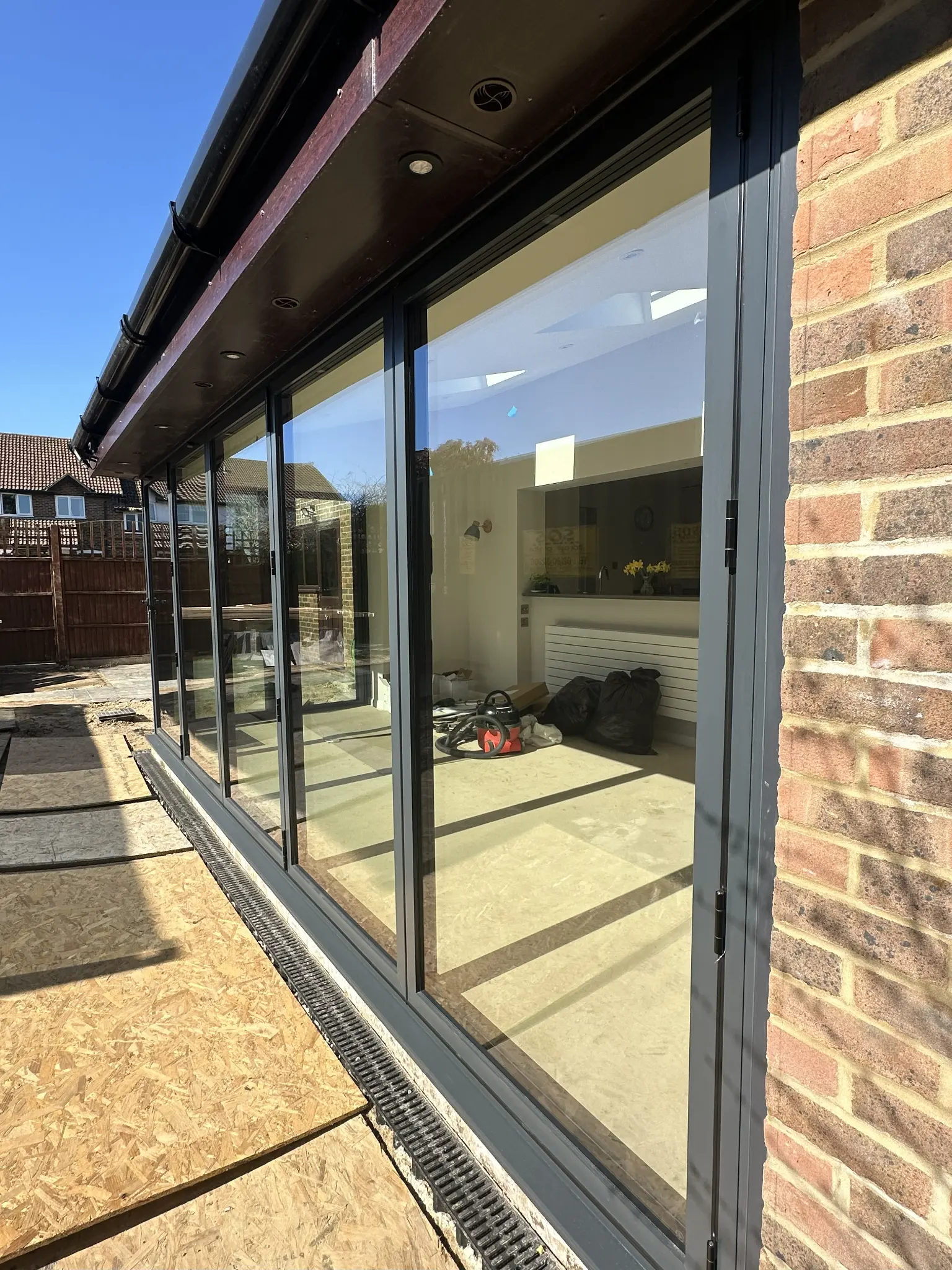
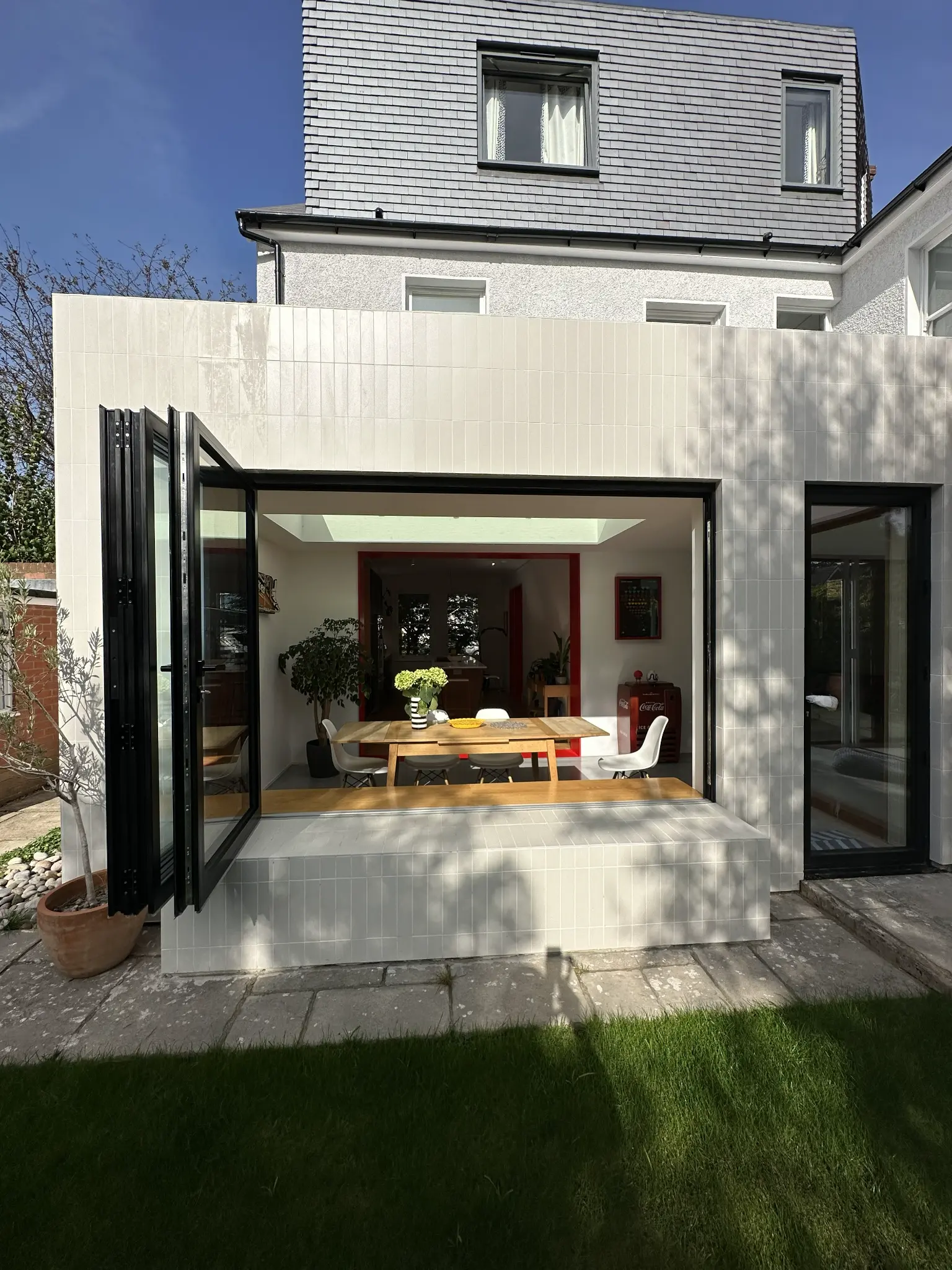
- Bi-fold Doors: Often used for external openings, connecting indoor and outdoor spaces. They feature multiple panels that fold back concertina-style.
- Sliding Patio Doors: Typically large glass panels that slide horizontally, ideal for maximising views and light.
- French Doors: Double doors, often with multiple glass panes, that open outwards or inwards from a central point.
- Frameless Glass Doors: Popular for internal applications (e.g., shower enclosures, office partitions), offering a minimalist aesthetic.
- Composite Doors with Glazing: External doors made from various materials, often featuring decorative or functional glass inserts.
Key Components:
- Glass Panels: Can be single, double, or triple glazed, often toughened or laminated for safety and thermal performance.
- Frames: Commonly made from uPVC, aluminium, or timber. Each material has different maintenance needs.
- Hardware: Includes hinges, rollers, tracks, handles, locks, and seals/gaskets. These are critical for functionality and security.

Routine Cleaning and Care
Regular cleaning is the cornerstone of glass door maintenance. Not only does it keep your doors looking their best, but it also prevents the build-up of dirt and grime that can degrade components over time.
Cleaning Glass Panels:
For streak-free results, follow these steps:
- Preparation: Start by removing any loose dust or debris from the glass surface using a soft brush or a dry microfibre cloth.
- Cleaning Solution: For most glass, a simple solution of warm water and a few drops of mild washing-up liquid is highly effective. Alternatively, a dedicated glass cleaner (ammonia-free is best to protect seals) can be used. Avoid abrasive cleaners or harsh chemicals, which can scratch the glass or damage coatings.
- Application: Apply the solution using a clean, soft cloth or sponge. For larger areas, a squeegee is invaluable. Work from top to bottom, overlapping your strokes slightly.
- Drying: Immediately wipe dry with a clean, lint-free microfibre cloth or chamois leather. For squeegee use, wipe the blade after each stroke. For external glass, consider cleaning on a cloudy day to prevent the sun from drying the solution too quickly and leaving streaks.
- Stubborn Marks: For tougher marks like sap or bird droppings, a plastic scraper (carefully!) or specialist glass cleaning paste may be needed. Always test on an inconspicuous area first.
Cleaning Frames and Hardware:
- uPVC Frames: Clean with warm soapy water and a soft cloth. Avoid abrasive cleaners or solvents that can discolour or damage the plastic.
- Aluminium Frames: These are generally low-maintenance. Wipe down with warm soapy water and rinse thoroughly. For anodised or powder-coated finishes, avoid harsh chemicals.
- Timber Frames: Timber requires more specific care. Clean with a damp cloth and mild detergent. Regularly inspect for signs of rot, flaking paint, or varnish, and re-treat as necessary to protect the wood from moisture and UV damage.
- Hardware (Handles, Hinges, Locks): Wipe down with a damp cloth. For metal components, avoid abrasive cleaners. For external hardware, a light application of a silicone-based lubricant (not oil) can help maintain smooth operation, especially for hinges and lock mechanisms.
Pro Tip
Always check the manufacturer's cleaning guidelines for your specific glass doors, as some specialist coatings (e.g., self-cleaning glass) may require particular care instructions.
Hardware and Seal Maintenance
The operational components of your glass doors are just as important as the glass itself. Neglecting these can lead to stiffness, security issues, and energy inefficiency.
Lubrication and Adjustment:
- Hinges and Rollers: For bi-fold and sliding doors, the hinges and rollers should be lubricated annually (or as per manufacturer's instructions) with a silicone-based spray or dry lubricant. Avoid oil-based products, which can attract dirt. This ensures smooth operation and prevents wear.
- Tracks: For sliding and bi-fold doors, regularly clean the tracks to remove dirt, grit, and debris. A vacuum cleaner with a narrow attachment is ideal, followed by a wipe with a damp cloth. Obstructions in the tracks can cause doors to stick or become damaged.
- Locks and Cylinders: A light spray of specialist lock lubricant (graphite-based or silicone-based) into the keyway and locking mechanisms can prevent seizing and ensure smooth operation. Do this once or twice a year.
- Adjustments: Over time, doors can drop or become misaligned. If you notice your doors are stiff to operate, catching, or not sealing properly, they may need adjustment. For minor adjustments, consult your door's manual. For significant issues, it's advisable to contact a professional.
Seals and Gaskets:
The rubber or silicone seals around your glass panels and frames are crucial for thermal performance and weatherproofing. Inspect them regularly for:
- Cracking or Perishing: Exposure to UV light and temperature fluctuations can cause seals to degrade.
- Compression: Ensure seals are still providing a tight compression when the door is closed.
- Gaps: Look for any gaps that could allow draughts or water ingress.
Clean seals with warm soapy water. If seals are damaged or no longer effective, they should be replaced to maintain the door's energy efficiency and prevent water damage.
Safety, Security, and Building Regulations
Maintaining glass doors isn't just about aesthetics and functionality; it's also about ensuring the safety and security of your home, and compliance with UK Building Regulations.
Glass Safety:
Modern glass doors typically use safety glass, such as toughened glass or laminated glass, especially in critical locations (e.g., low-level glazing, doors). Toughened glass, if broken, shatters into small, relatively harmless pieces. Laminated glass holds together when broken due to an interlayer. Always ensure any replacement glass meets the required safety standards.
Regularly inspect glass for:
- Cracks or Chips: Even small damage can compromise the integrity of the glass.
- Misty Panes: For double or triple glazing, misting between the panes indicates a failed seal, which reduces thermal efficiency.
Security Considerations:
Your glass doors are a potential point of entry for intruders. Regular maintenance ensures security features remain effective:
- Lock Mechanisms: Ensure all multi-point locking systems, deadbolts, and key cylinders operate smoothly and engage fully.
- Hinges: For external doors, check that hinges are secure and cannot be easily removed from the outside.
- Glass Security: While safety glass is robust, consider additional security films or laminated glass for enhanced protection against forced entry.
UK Building Regulations (Part L & K):
When installing new glass doors or replacing existing ones, compliance with UK Building Regulations is crucial. Key areas include:
- Part L (Conservation of Fuel and Power): This dictates the thermal performance of your doors. New or replacement doors must meet specific U-value requirements to ensure energy efficiency. For new build properties, the U-value for windows/doors is typically 1.2 W/m²K. For replacement doors in existing dwellings, it's 1.4 W/m²K. Ensure your doors meet these standards to avoid heat loss and comply with regulations.
- Part K (Protection from Falling, Collision and Impact): This covers safety glazing. Glass in critical locations (e.g., within 800mm of floor level in a door, or 1500mm in a door where the pane is wider than 250mm) must be safety glass (toughened or laminated) to prevent injury from breakage.
It's always advisable to consult with your local Building Control Body or a qualified professional to ensure your glass door installations or replacements fully comply with the latest regulations.
Troubleshooting Common Issues
Even with regular maintenance, issues can arise. Here's a quick guide to common problems and potential solutions:
| Issue | Possible Cause | Solution |
|---|---|---|
| Door is stiff/hard to open/close | Dirty tracks, worn rollers/hinges, misalignment, lack of lubrication | Clean tracks, lubricate rollers/hinges, check for obstructions, adjust door (if minor) or call professional for significant misalignment. |
| Draughts or water ingress | Degraded seals/gaskets, warped frame, poor installation, misalignment | Inspect and replace seals/gaskets, check for frame damage, ensure door closes tightly. Professional assessment may be needed. |
| Misty/foggy glass (between panes) | Failed double-glazing seal | The sealed unit has failed and needs to be replaced. This is often a job for a professional glazier. |
| Squeaking hinges/rollers | Lack of lubrication, dirt build-up | Clean and apply silicone-based lubricant to hinges/rollers. |
| Lock mechanism sticking | Dirt, lack of lubrication, misalignment | Clean lock mechanism, apply specialist lock lubricant. Check door alignment. |
Enhanced Longevity
Regular maintenance significantly extends the lifespan of your glass doors, protecting your investment.
Improved Energy Efficiency
Well-maintained seals and frames prevent heat loss, keeping your home warmer and reducing energy bills.
Optimal Security & Safety
Ensuring all locks and safety glass are in good order protects your home and its occupants.
Maintained Aesthetic Appeal
Clean glass and well-kept frames ensure your doors continue to enhance your home's beauty.
When to Call a Professional
While many maintenance tasks can be handled by homeowners, there are times when professional intervention is necessary. You should contact a qualified glazier or door specialist if you encounter:
- Significant glass damage (large cracks, shattered panes).
- Failed double-glazing units (misting between panes).
- Major door misalignment that you cannot correct.
- Persistent draughts or leaks despite seal replacement.
- Issues with complex locking mechanisms.
- Any concerns regarding structural integrity or compliance with Building Regulations.
Conclusion
Glass doors are a valuable asset to any UK home, offering both beauty and functionality. By dedicating a little time to regular cleaning, hardware lubrication, and seal inspection, you can ensure they remain a stunning and efficient feature for many years to come. Understanding the basics of their construction and the relevant Building Regulations will also empower you to make informed decisions regarding their care and any necessary repairs or replacements. With proper attention, your glass doors will continue to provide light, views, and security, enhancing your living space.
For expert advice on glass door installation, maintenance, or replacement, Shard AG offers a comprehensive range of services tailored for UK homeowners. Our team of experienced professionals can assist with everything from selecting the right energy-efficient glazing to ensuring full compliance with the latest Building Regulations. Contact Shard AG today for a consultation and discover how we can help you maintain or upgrade your home's glazing solutions.
Explore Our Products
Discover how Shard Architectural Glazing can transform your home with our premium glazing solutions:
Ready to Transform Your Home?
Get in touch with our expert team for a free consultation and personalised quote. We'll help you choose the perfect glazing solution for your property.