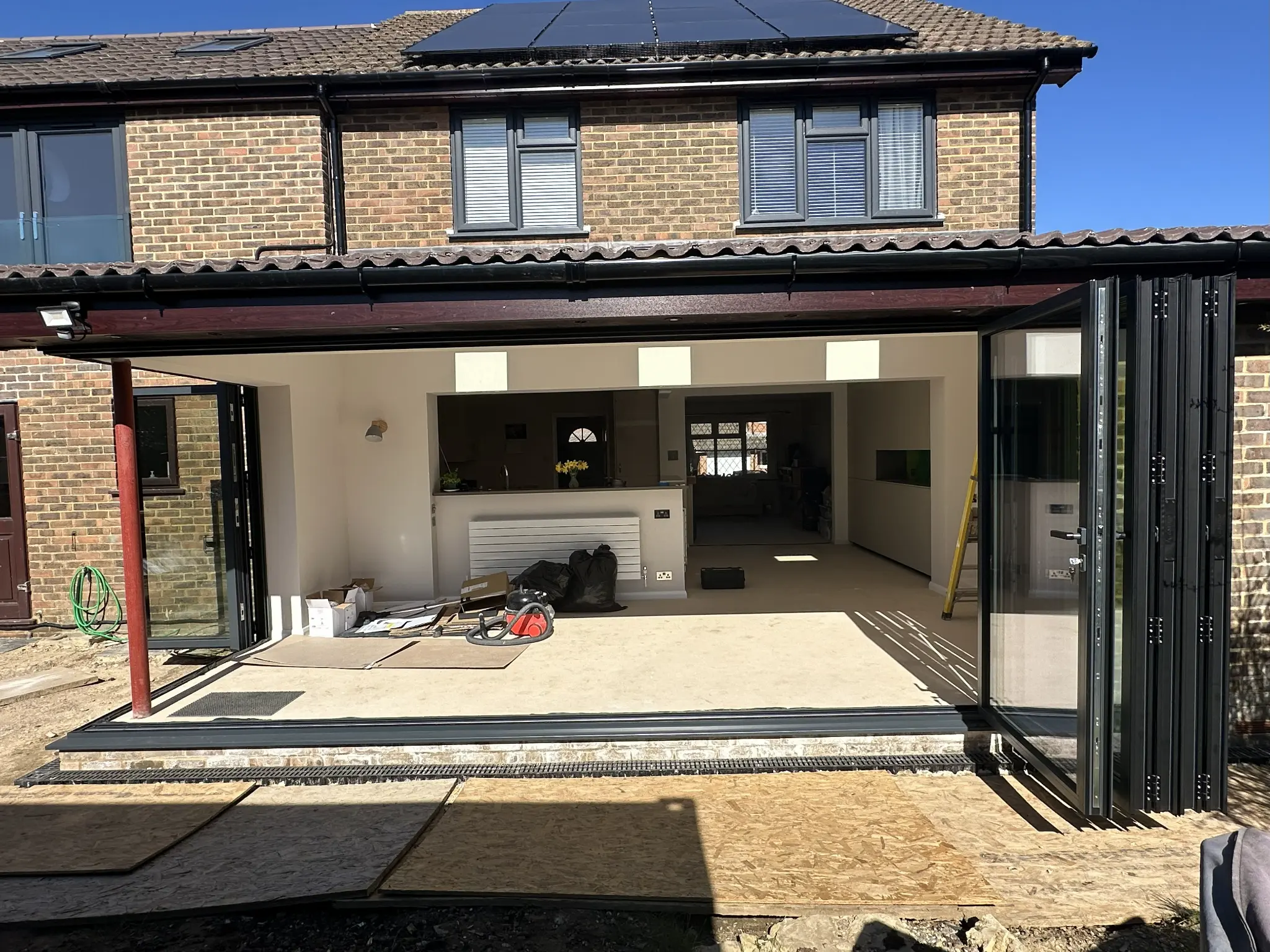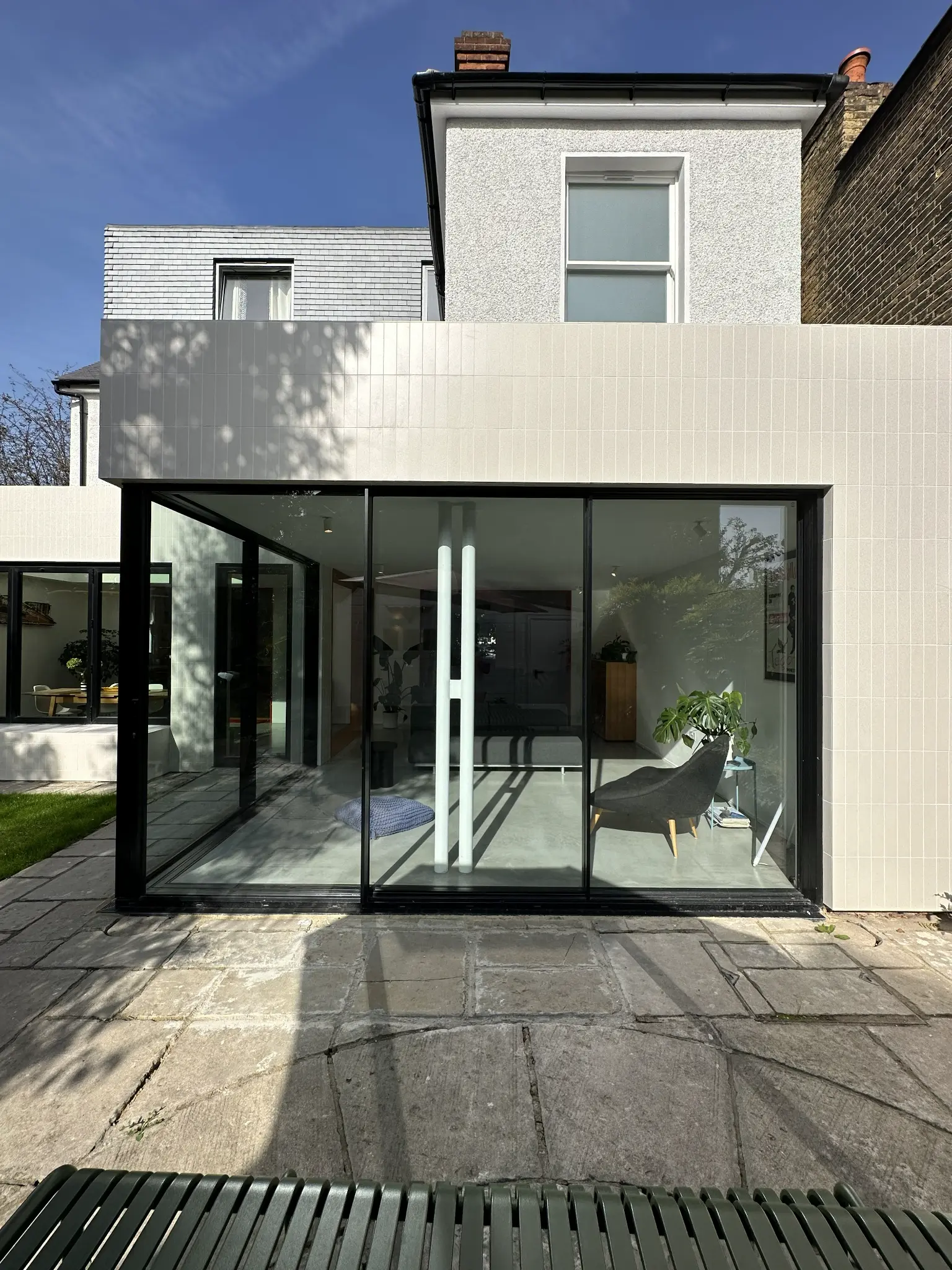


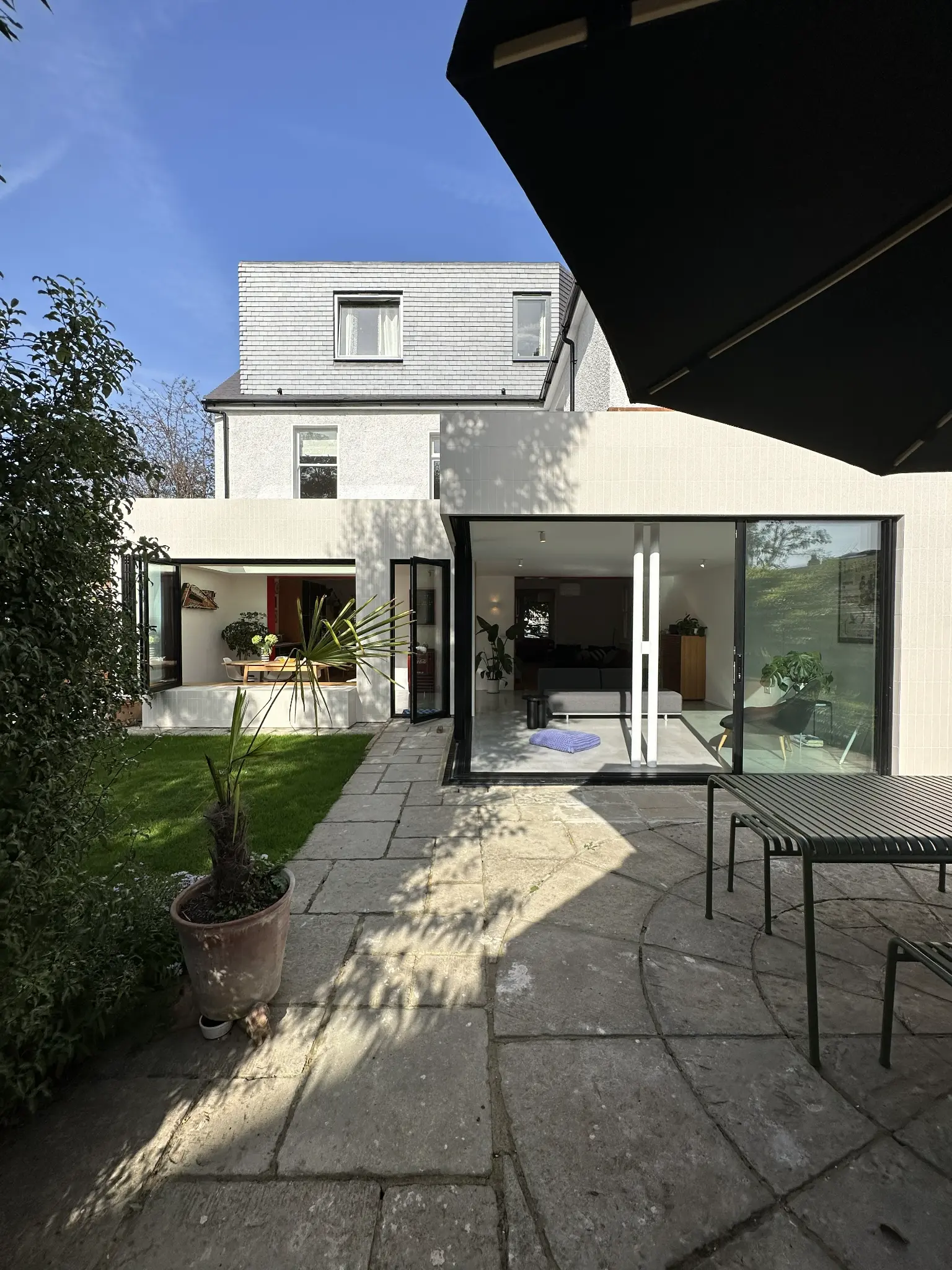

Undertaking any significant home improvement project in the UK requires careful consideration of local authority requirements. When it comes to glazing—whether you are replacing old windows, installing a new patio door, or building a large glazed extension—two key legislative areas must be addressed: Planning Permission and Building Regulations.
While many common glazing replacements fall under 'Permitted Development', extensions and significant alterations often require formal planning approval. Understanding the distinction is crucial for ensuring your project proceeds smoothly and legally.
Understanding Permitted Development Rights for Glazing
In England and Wales, certain minor building works, known as Permitted Development (PD), can be carried out without applying for formal Planning Permission from the local council. For homeowners, most like-for-like window and door replacements are covered by PD, provided they meet specific criteria.
What Usually Falls Under Permitted Development?
- Replacement Windows and Doors: Replacing existing windows or doors with new ones of a similar size, style, and opening pattern generally falls under PD.
- New Openings (Minor): Creating a new window or door opening, provided it does not significantly alter the appearance of the property or face a highway, may sometimes be permitted, though this is often a grey area and consultation is advised.
- Conservatories and Porches: Smaller, attached structures often qualify for PD, provided they do not exceed certain size limits (e.g., maximum floor area, height restrictions, and distance from boundaries).
However, even if a project is PD, it must still comply with Building Regulations, particularly regarding thermal performance and safety.
When is Planning Permission Always Required?
Planning permission is mandatory if the proposed work:
- Significantly changes the external appearance of the dwelling (e.g., changing a small window to a large bi-fold door, especially on the front elevation).
- Involves a dwelling located in a Conservation Area, a National Park, or an Area of Outstanding Natural Beauty (AONB).
- Affects a Listed Building (this requires Listed Building Consent, which is separate from standard planning permission).
- Involves extensions that exceed the size limits defined under PD rights (e.g., large single-storey rear extensions, or two-storey extensions).
Pro Tip
If you are unsure whether your glazing project qualifies as Permitted Development, always apply for a Lawful Development Certificate (LDC) from your local planning authority before starting work. This provides formal documentation confirming the legality of your project, preventing potential issues when you come to sell the property.

Glazing Restrictions in Conservation Areas and Listed Buildings
The rules governing glazing become significantly stricter if your property is protected due to its historical or architectural significance.
Conservation Areas
In a Conservation Area, the local authority seeks to preserve the area's character. This often means that even standard replacement windows must adhere strictly to the original design, materials, and aesthetic. For example, uPVC windows may be prohibited, requiring timber or aluminium alternatives that mimic traditional sightlines.
- Materiality: You may be restricted to specific materials (e.g., timber sash windows).
- Design: The ratio of glass to frame (sightlines) and the opening mechanism (e.g., vertical sliding sash versus top-hung casement) must often be maintained.
- Colour: Changes to the external colour of frames may require approval.
Listed Buildings
For Grade I, Grade II*, or Grade II Listed Buildings, virtually all external and internal alterations require Listed Building Consent (LBC). Replacing windows, even if they are decayed, is a highly sensitive process. The priority is preserving the historical fabric. Modern double or triple glazing is often rejected unless it can be installed discreetly within the existing frame structure or if slimline heritage glazing units are used.
Failure to obtain LBC before altering a Listed Building is a serious matter, potentially leading to enforcement action requiring the reversal of the work.
Building Regulations: Focusing on Thermal Performance (Part L)
Regardless of whether Planning Permission is required, all new and replacement glazing must comply with the current UK Building Regulations, specifically Part L (Conservation of Fuel and Power), which dictates thermal efficiency standards.
Compliance is typically demonstrated through the use of high-performance double or triple glazing and thermally broken frames, ensuring the U-value (a measure of heat loss) meets the minimum standard.
Key Thermal Requirements (England, 2022 Standards)
The U-value measures how effectively a component prevents heat from passing through it. A lower U-value indicates better insulation.
| Glazing Type / Application | Maximum U-Value Allowed (W/m²K) | Notes |
|---|---|---|
| Replacement Windows & Doors (Existing Dwellings) | 1.4 | Must be installed by a FENSA/CERTASS registered installer, or approved by Building Control. |
| New Windows & Doors (New Builds & Extensions) | 1.2 | Stricter standard applied to new thermal envelopes. |
| Glazed Areas (Conservatories/Sunrooms) | Varies | If the extension is thermally separate from the main house, Part L requirements may be relaxed, but if integrated, the 1.2 W/m²K rule applies. |
| Roofs (Solid Elements) | 0.15 | Context for comparison (e.g., solid roof sections of an extension). |
Compliance with Part L is usually certified in one of two ways:
- Competent Person Scheme: Using an installer registered with a scheme like FENSA or CERTASS. They self-certify the work upon completion, providing the homeowner with a certificate.
- Building Control Application: If the installer is not registered, or if the work is part of a larger extension, you must notify your local authority Building Control department before work starts. They will inspect the work and issue a completion certificate.
Safety, Ventilation, and Structural Considerations
Beyond thermal performance, Building Regulations Part B (Fire Safety) and Part F (Ventilation) are critical for glazing projects.
Fire Safety (Part B)
Windows and doors must sometimes serve as means of escape, particularly those in habitable rooms on upper floors (excluding bathrooms and kitchens). Escape windows must meet minimum size requirements:
- The clear openable area should be at least 0.33m².
- The width and height must be at least 450mm.
- The bottom of the opening must be no more than 1100mm above the floor level.
Additionally, safety glazing (laminated or toughened glass) is required in critical locations, such as within 800mm of floor level, in doors, or adjacent to doors.
Ventilation (Part F)
The 2022 revisions to Part F place a greater emphasis on adequate ventilation. When replacing windows, you must ensure that the new installation provides the same (or better) level of ventilation as the old, often requiring the inclusion of trickle vents.
Trickle vents are small, controllable openings integrated into the window frame, designed to allow continuous background ventilation, helping to reduce condensation and improve indoor air quality. Even if the old windows did not have vents, the new ones typically must, unless alternative whole-house ventilation strategies are in place.
Structural Considerations
If you are creating a new opening or significantly enlarging an existing one (e.g., installing bi-fold doors where a small window once was), the work is structural. This requires a structural engineer's calculations and a Building Control application to ensure that the necessary lintel or steel beam (RSJ) is correctly specified and installed to support the load above.
Avoid Enforcement
Proper planning ensures your project is legal, avoiding costly enforcement actions or requirements to demolish and rebuild non-compliant structures.
Future Proofing
Compliance with current Part L standards guarantees high energy efficiency, reducing future heating bills and meeting the expectations of future buyers.
Insurance & Mortgages
Valid Building Control certificates (or FENSA/CERTASS certificates) are essential documentation required by surveyors, mortgage lenders, and insurers when the property is sold or refinanced.
Preserve Aesthetics
In protected areas, consulting planning officers ensures the chosen glazing solution respects the architectural heritage while still delivering modern performance.
Summary Checklist for Glazing Projects
Before commissioning any work, follow these steps:
- Determine Status: Is the property Listed or in a Conservation Area? If yes, assume Planning Permission/LBC is required.
- Scope of Work: Are you replacing like-for-like, or creating/enlarging openings? Enlarging openings usually requires Building Control approval for structural work.
- Permitted Development Check: If the work is an extension or significant alteration, check the PD criteria. If in doubt, apply for a Lawful Development Certificate.
- Thermal Compliance: Ensure the chosen windows/doors meet the 1.4 W/m²K (replacement) or 1.2 W/m²K (new opening/extension) U-value standard.
- Safety and Ventilation: Confirm compliance with Part B (means of escape/safety glazing) and Part F (trickle vents).
- Installer Certification: Use a FENSA/CERTASS registered installer, or formally notify Building Control before work commences.
Navigating the requirements for glazing can be complex, especially when dealing with structural changes or protected properties. Consulting with professionals early in the process is the most effective way to guarantee compliance and a successful outcome.
***
Note on Professional Services: While this guide provides detailed information on UK regulations, specific local authority requirements can vary. It is always recommended to consult with your local planning department or a qualified architectural professional before commencing any major glazing installation or structural alteration.
If you are planning a significant glazing project, such as installing large sliding doors or a glazed link, seeking expert advice is essential. Reputable glazing suppliers, such as Shard AG, often work closely with architects and structural engineers and can provide guidance on product specification to meet the stringent U-value and safety requirements mandated by UK Building Regulations.