

Glazing Projects: Understanding Planning Permission and Building Regulations
Navigating the rules for new windows, doors, and glazed extensions in the UK. Learn about Permitted Development, Building Regulations Part L, and U-values.

Shard Architectural Glazing
26 January 2026
Navigating the rules for new windows, doors, and glazed extensions in the UK. Learn about Permitted Development, Building Regulations Part L, and U-values.
📋In This Article
- Planning Permission vs. Building Regulations: What's the Difference?
- Glazing and Permitted Development Rights (PDR)
- Meeting Building Regulations Part L: Energy Efficiency
- Other Critical Building Regulations Considerations
- Special Considerations: Listed Buildings and Conservation Areas
- Next Steps: Consulting Professionals
Glazing Projects: Understanding Planning Permission and Building Regulations
Undertaking any significant home improvement project in the UK requires careful consideration of legal and regulatory requirements. When dealing with architectural glazing—whether installing new windows, replacing existing doors, or building a large glazed extension—homeowners must navigate two primary legislative frameworks: Planning Permission and Building Regulations.
While many standard replacement glazing projects fall under Permitted Development (PD), larger projects or those affecting the external appearance of the property significantly may require formal planning consent. Crucially, almost all glazing work must comply with the technical standards set out in the Building Regulations, particularly concerning safety and energy efficiency (Part L).
Planning Permission vs. Building Regulations: What's the Difference?
It is vital to understand that Planning Permission and Building Regulations approval are separate processes governed by different criteria. Gaining one does not automatically grant the other.
Planning Permission
Planning Permission is concerned with the siting, appearance, and use of buildings. It ensures that changes are acceptable in the context of the surrounding area, preserving amenity and managing density. For glazing, planning permission usually becomes relevant when the work involves:
- Significantly altering the external appearance (e.g., changing the size or style of openings).
- Building a new structure (like a conservatory or orangery) that exceeds Permitted Development limits.
- Working on a Listed Building or property within a Conservation Area.
Building Regulations
Building Regulations are concerned with the technical aspects of construction, ensuring health, safety, welfare, and energy efficiency. For glazing, this primarily means ensuring the glass and frame meet minimum standards for thermal performance (Part L), safety glazing requirements (Part K), and ventilation (Part F).
Glazing and Permitted Development Rights (PDR)
For most homeowners, standard replacement windows and doors do not require Planning Permission, as they usually fall under Permitted Development Rights (PDR).
Replacement Windows and Doors
Generally, replacing existing windows or doors with new ones of a similar size and appearance does not require planning permission, provided the property is not Listed and is not subject to specific Article 4 Directions (often found in Conservation Areas).
Pro Tip
If you are changing the size of an opening, adding a new window where none existed before, or altering the material significantly (e.g., changing from timber sash windows to uPVC casements in an aesthetically sensitive area), you should check with your Local Planning Authority (LPA). While PD may cover minor changes, major alterations to the external envelope often require consent.
Glazed Extensions and Conservatories
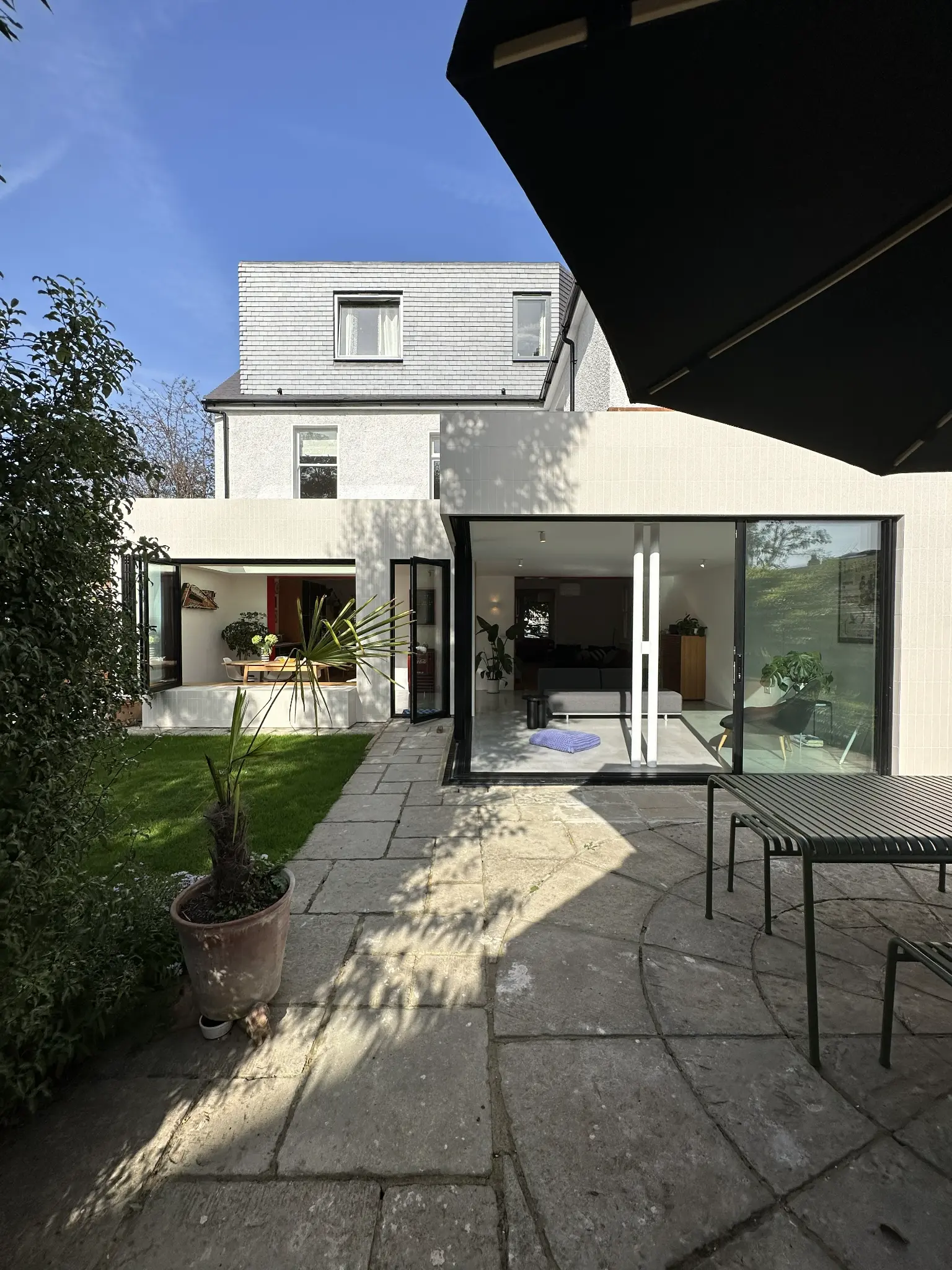
Larger glazed structures, such as orangeries, conservatories, and sunrooms, often fall under PD, provided they adhere to strict limits:
- The extension must not cover more than 50% of the land around the 'original house'.
- The extension must not be forward of the principal elevation or side elevation fronting a highway.
- Maximum height limitations apply (typically 4 metres, or 3 metres if within 2 metres of a boundary).
- Specific rules apply to side extensions and two-storey extensions.
If your proposed glazed extension exceeds these limits, or if your property is a flat, maisonette, or located in a designated area (National Park, AONB, Conservation Area), you will almost certainly need full Planning Permission.
Meeting Building Regulations Part L: Energy Efficiency
Regardless of whether planning permission is required, compliance with Building Regulations is mandatory. For glazing, the most critical section is Part L (Conservation of Fuel and Power).
Part L dictates the maximum allowable heat loss through the building fabric, measured using the U-value (Watts per square metre Kelvin, W/m²K). A lower U-value indicates better insulation and less heat loss.
Current U-Value Requirements (England, 2022 Standards)
The 2022 updates to Part L significantly tightened the requirements for thermal performance. Homeowners must ensure their new glazing meets these standards:
| Application | Maximum U-Value (W/m²K) | Compliance Note |
|---|---|---|
| Replacement Windows/Doors (Existing Dwellings) | 1.4 | Applies to replacements in existing openings. |
| New Openings/Extensions (Thermal Elements) | 1.2 | Required for new build elements or new openings in extensions. |
| Glazed Extensions (Conservatories/Orangeries) | Varies | If separated from the main dwelling by external quality doors/walls, they are often exempt from Part L requirements for the extension itself, but the separating element must comply. |
| Rooflights (Replacement) | 1.6 | Requirement for roof windows. |
Meeting a U-value of 1.4 W/m²K typically requires high-performance double glazing, often featuring low-emissivity (Low-E) coatings and warm edge spacer bars filled with inert gas (like Argon).
Compliance and Certification
Compliance with Part L is usually achieved through one of two routes:
- Competent Person Scheme: Using an installer registered with a scheme like FENSA or CERTASS. These installers are authorised to self-certify that the work complies with Building Regulations, issuing a certificate directly to the homeowner and notifying Local Authority Building Control (LABC).
- Local Authority Building Control (LABC): If you use a non-registered installer or are undertaking the work yourself, you must submit a Building Notice or Full Plans application to LABC before work commences. They will inspect the work and issue a completion certificate.
Failure to obtain a Building Regulations Compliance Certificate can cause significant issues when selling the property later, as conveyancers will require proof of compliance.
Other Critical Building Regulations Considerations
Beyond thermal performance, several other aspects of glazing must meet technical standards:
Part K: Protection from Falling, Collision and Impact
This section mandates the use of safety glazing in critical locations where there is a risk of injury from breakage. Critical locations include:
- Glazing in doors or within 300mm of a door edge.
- Glazing below 800mm from floor level in windows.
Safety glazing must be either toughened (tempered) glass or laminated glass, capable of breaking safely or remaining intact upon impact.
Part F: Ventilation
When replacing windows, you must ensure that the ventilation capacity of the room is maintained or improved. This often means incorporating trickle vents into the window frame, even if the previous windows did not have them. This is a common requirement under the 2022 standards to ensure adequate air quality and prevent condensation.
Part B: Fire Safety
In certain locations, particularly upper floors, windows must be large enough to serve as a means of escape in case of fire (an 'egress window'). The opening size requirements are specific: the clear opening must be at least 450mm high and 450mm wide, and the clear openable area must be at least 0.33m², with the bottom of the opening not more than 1100mm above the floor.
Special Considerations: Listed Buildings and Conservation Areas
If your property is a Listed Building or located within a Conservation Area, the rules change significantly.
Listed Buildings
Any alteration to a Listed Building—internal or external—requires Listed Building Consent (LBC). This includes replacing windows or doors, even if they are like-for-like. LPAs are highly protective of original features, meaning that replacing single-glazed timber sash windows with double-glazed units is often challenging. Solutions may involve secondary glazing or slimline double-glazing systems designed specifically to mimic the appearance of traditional units.
Conservation Areas
In Conservation Areas, Permitted Development Rights are often restricted or removed entirely via an Article 4 Direction. This means that replacing windows and doors, particularly if it involves changing the material or style (e.g., from timber to uPVC), will usually require full Planning Permission to ensure the character of the area is preserved.
Avoid Future Legal Issues
Proper compliance with both Planning Permission and Building Regulations ensures you have the necessary documentation (e.g., FENSA/CERTASS certificates) required during the conveyancing process when selling your home.
Maximise Energy Efficiency
Adhering to Part L U-value requirements guarantees your new glazing significantly reduces heat loss, lowering energy bills and improving internal comfort.
Ensure Safety and Egress
Compliance with Part K (safety glass) and Part B (fire escape windows) protects the occupants of the dwelling from injury and provides necessary escape routes.
Protect Property Value
Unauthorised alterations, especially in sensitive areas, can lead to enforcement action, which may require costly remedial work and negatively impact the property's market value.
Next Steps: Consulting Professionals
The regulatory landscape for glazing is complex, especially with the introduction of stricter thermal standards in 2022. For any project beyond simple like-for-like replacement, it is highly recommended to consult with professionals early in the process.
- Local Planning Authority (LPA): Contact the LPA for pre-application advice if you are unsure whether your project requires planning permission, especially if you live in a designated area or are planning a large extension.
- Building Control: If using a non-certified installer, engage LABC early to understand their inspection schedule and requirements for your specific project.
- Certified Installers: Utilising a FENSA or CERTASS registered glazing company simplifies the Building Regulations process significantly, as they handle the compliance certification on your behalf.
By treating Planning Permission and Building Regulations as separate but equally important hurdles, homeowners can ensure their investment in high-quality architectural glazing is legally sound, energy-efficient, and safe.
***
Disclaimer: This article provides general guidance on UK regulations. Specific requirements can vary between local authorities and depend on the exact nature of the property and works. Always consult your Local Planning Authority or a qualified professional for advice tailored to your specific project.
Shard AG specialises in high-performance architectural glazing solutions across the UK. We work closely with homeowners and architects to ensure all our installations meet the stringent requirements of current Building Regulations, providing energy-efficient, compliant, and aesthetically superior windows, doors, and glazed extensions.
Explore Our Products
Discover how Shard Architectural Glazing can transform your home with our premium glazing solutions:
Ready to Transform Your Home?
Get in touch with our expert team for a free consultation and personalised quote. We'll help you choose the perfect glazing solution for your property.