


For UK homeowners, improving energy efficiency is not just about saving money on heating bills; it's a fundamental aspect of modern property ownership. Glazing—windows, doors, and large architectural glass installations—plays a critical role in a building's thermal envelope. Historically, windows were the weakest link, but advancements in glass technology and frame design mean that modern glazing can contribute significantly to a warm, comfortable, and energy-efficient home.
This comprehensive guide explores the technical aspects of energy-efficient glazing, focusing on how different specifications meet the stringent requirements of UK Building Regulations Part L (Conservation of Fuel and Power).
Understanding U-Values: The Measure of Efficiency
When discussing thermal performance in construction, the most critical metric is the U-value (or thermal transmittance). The U-value measures how quickly heat transfers through a structure. In simple terms, the lower the U-value, the better the material is at insulating, and the less heat is lost through it.
U-values are measured in Watts per square metre Kelvin (W/m²K). For a window or door, the U-value represents the performance of the entire unit (the glass, the frame, and the spacer bar), known as the 'overall U-value' (Uw).
The Role of Glass Coatings and Gas Fills
Modern energy-efficient glazing achieves low U-values through a combination of technologies:
- Low-Emissivity (Low-E) Coatings: A microscopically thin, virtually invisible metallic oxide coating is applied to one of the internal glass panes. This coating reflects internal heat (long-wave infrared radiation) back into the room while allowing solar energy (short-wave radiation) to pass through.
- Inert Gas Fills: Instead of filling the gap between the panes with air, inert gases like Argon or Krypton are used. These gases are denser and less conductive than air, significantly slowing down heat transfer by convection and conduction. Argon is standard for most high-performance units, while Krypton is used for narrower cavities or when extremely low U-values are required.
- Warm Edge Spacer Bars: Traditional aluminium spacer bars (which separate the glass panes) are highly conductive, creating a 'thermal bridge' around the perimeter. Modern warm edge spacers are made from composite materials or plastic foam, dramatically reducing heat loss at the edges of the sealed unit.
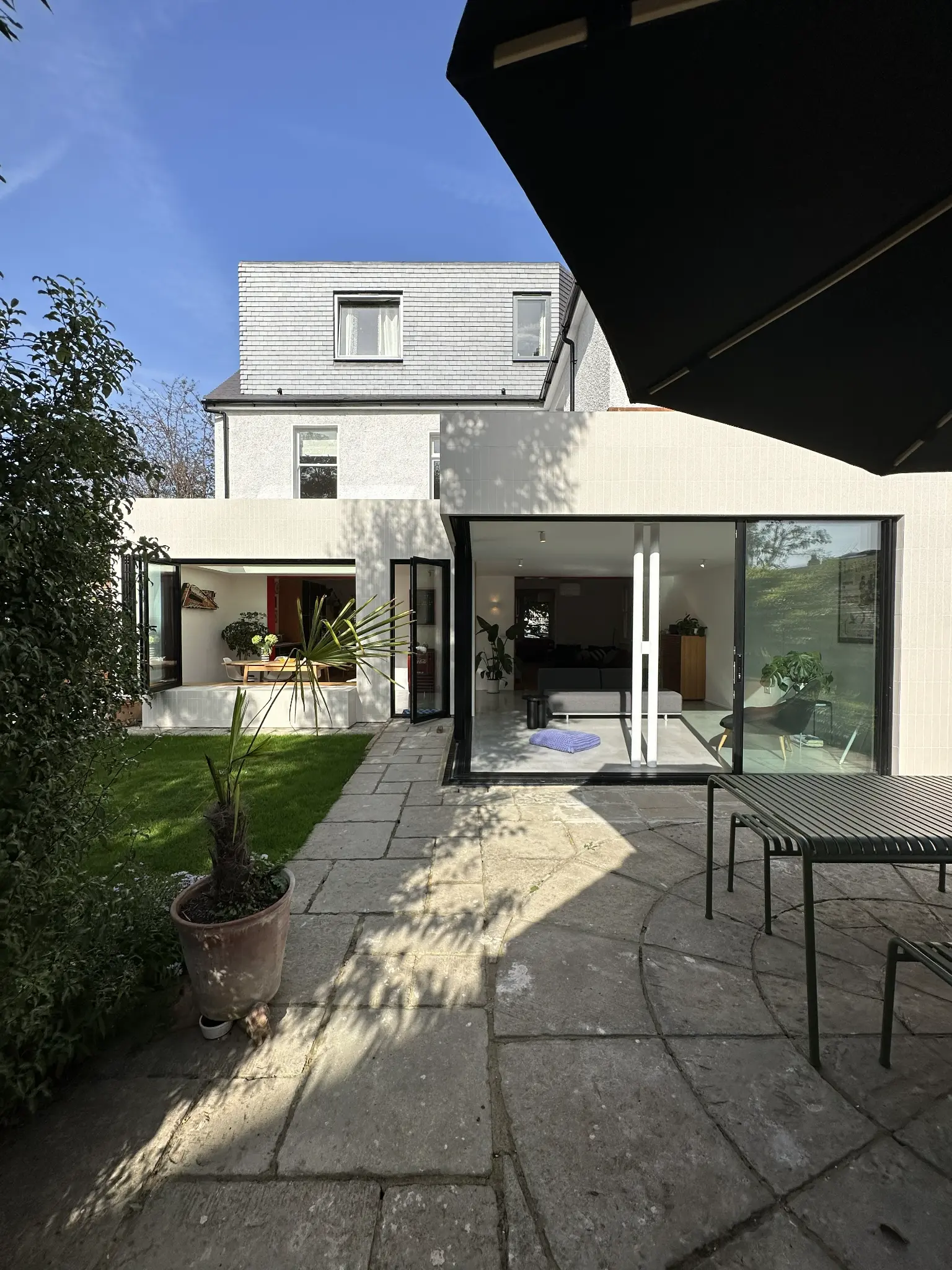
Meeting UK Building Regulations Part L (2022)
In England, the Building Regulations Part L (Conservation of Fuel and Power) sets minimum standards for thermal performance. The 2022 update introduced significantly stricter requirements, reflecting the move towards net-zero carbon construction.
Target U-Values for Glazing (England, 2022)
It is crucial that any new or replacement glazing meets or exceeds these standards. Failure to comply could affect the property's compliance certificate and future saleability.
| Project Type | Element | Maximum Target U-Value (W/m²K) |
|---|---|---|
| New Dwellings & Extensions | Windows & Doors | 1.2 |
| Replacement Glazing (Existing Homes) | Windows & Doors | 1.4 |
| New Walls (Reference) | Thermal Envelope | 0.18 |
While the 1.4 W/m²K requirement for replacement glazing is achievable with standard high-quality double glazing, achieving 1.2 W/m²K (required for new extensions) often necessitates superior specifications, sometimes pushing towards triple glazing or highly efficient double-glazed units with Krypton gas and advanced frames.
Pro Tip
Always request the specific U-value certificate (often called a Declaration of Performance or DoP) for the exact window or door system you are purchasing, not just the glass unit itself. The overall Uw value must be used for Building Control sign-off, as the frame performance is critical.
Double vs. Triple Glazing: Making the Choice
The decision between double and triple glazing depends on the desired performance, budget, and the specific location within the property.
Double Glazing (Standard High Performance)
Modern double glazing typically consists of two panes of glass, a Low-E coating, Argon gas fill, and a warm edge spacer. This configuration easily achieves U-values between 1.2 W/m²K and 1.4 W/m²K, making it suitable for most replacement projects and extensions.
- Pros: Cost-effective, lighter weight (less stress on frames and hinges), excellent acoustic performance, meets current replacement standards.
- Cons: Cannot achieve the lowest U-values possible.
Triple Glazing (Maximum Performance)
Triple glazing uses three panes of glass, creating two separate cavities, often with two Low-E coatings and Argon or Krypton gas fills. This configuration is capable of achieving U-values as low as 0.8 W/m²K or even lower.
- Pros: Superior thermal insulation (ideal for passive house standards or exposed locations), significantly reduced condensation risk, exceptional noise reduction.
- Cons: Higher material and installation cost, significantly heavier (requires robust frame systems), reduced solar gain (can be a disadvantage in winter).
.jpg)
Solar Heat Gain and G-Values
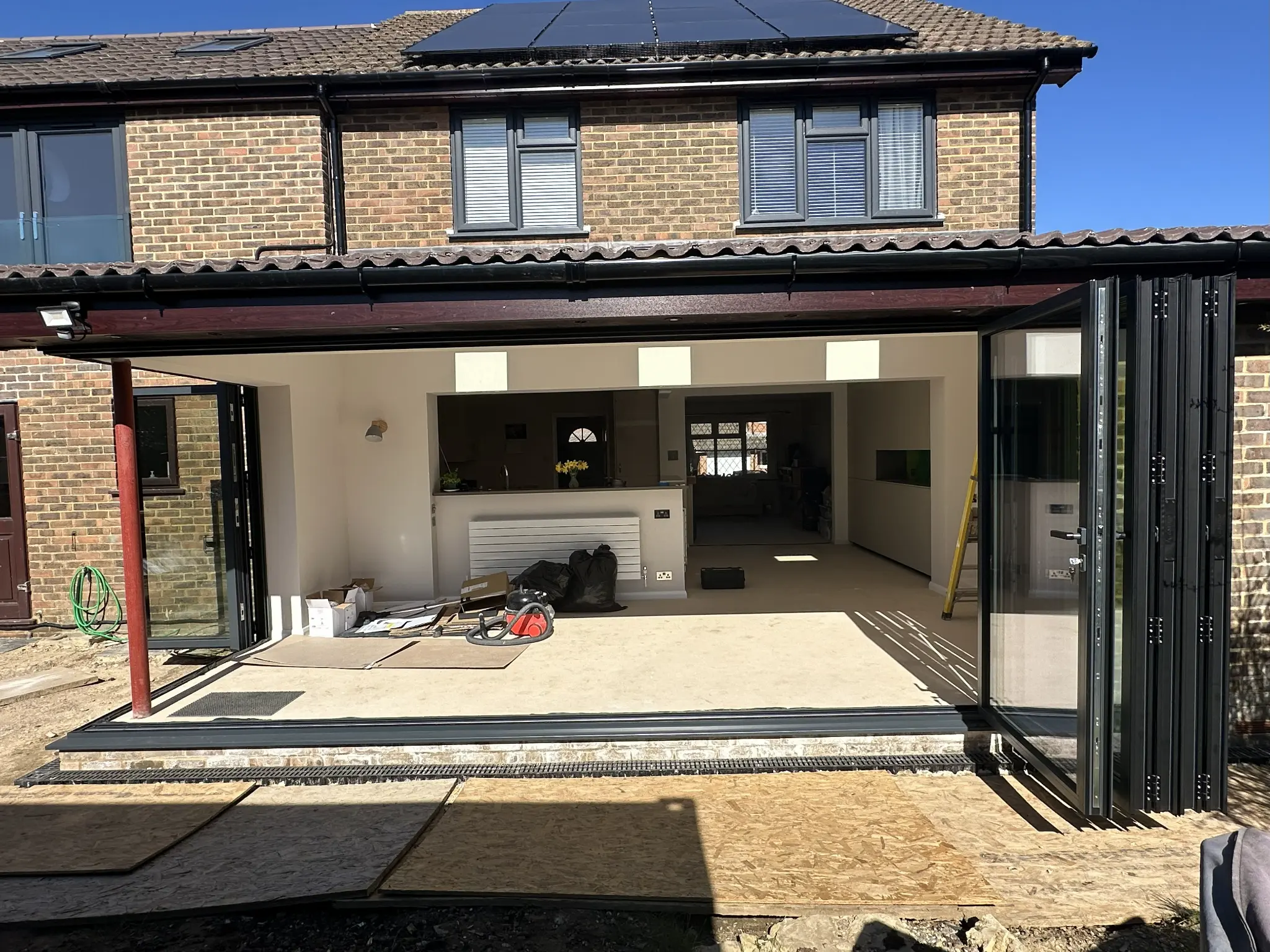
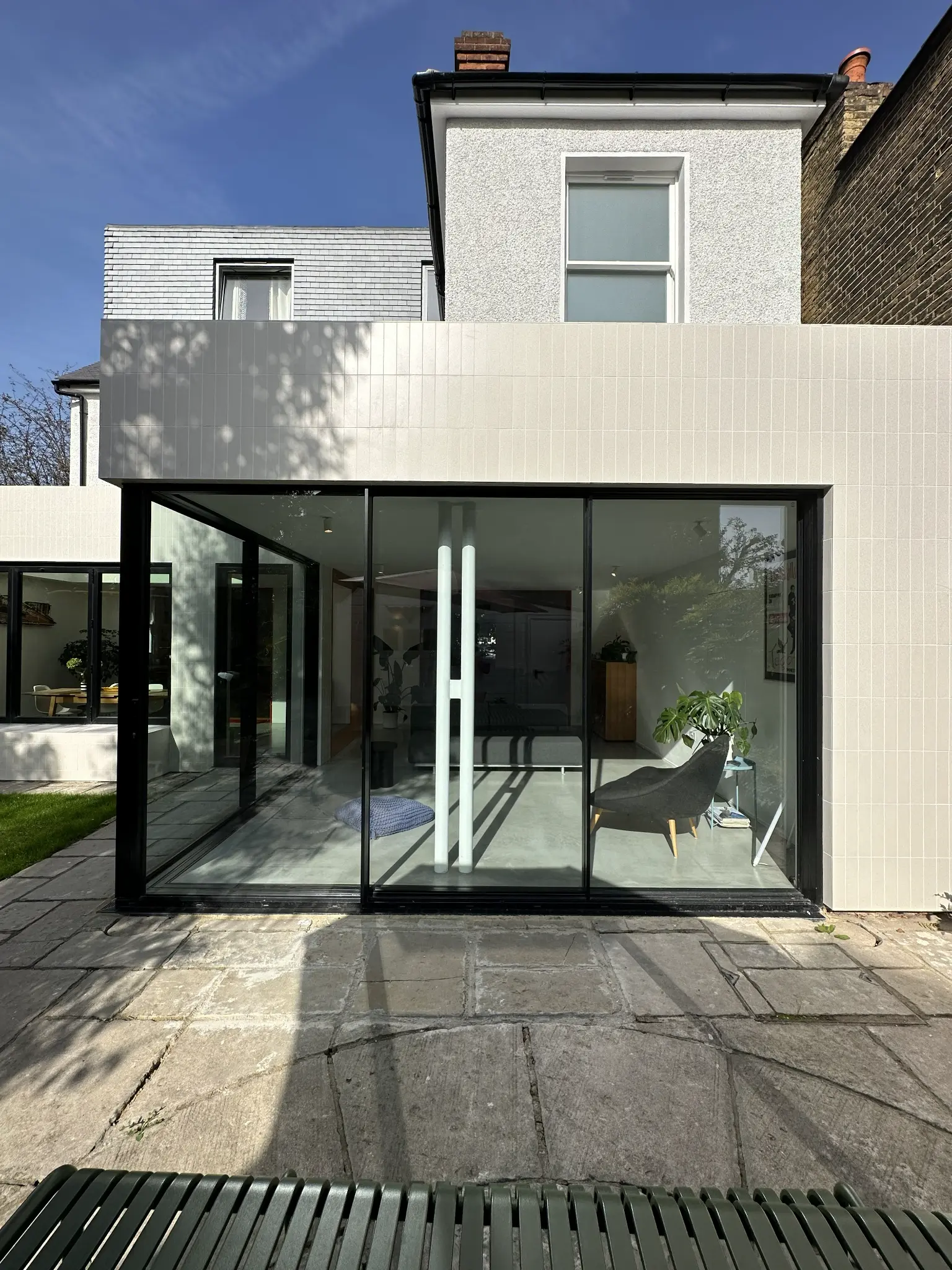
Energy efficiency isn't solely about keeping heat in; it's also about managing solar heat gain, particularly in large glazed areas like bi-fold doors or expansive glass walls.
The G-value (Solar Heat Gain Coefficient) measures the proportion of solar energy that passes through the glass and enters the building. It is expressed as a number between 0 and 1. A higher G-value means more solar heat enters the room.
- High G-value (e.g., 0.6): Desirable on north-facing elevations or in cold climates where passive solar heating is beneficial during winter.
- Low G-value (e.g., 0.3): Essential for large south or west-facing elevations to prevent overheating (solar gain) during summer, reducing the need for air conditioning or mechanical cooling.
Architectural glazing systems must balance low U-values (insulation) with appropriate G-values (solar control) to ensure year-round comfort. In large glass installations, specialist solar control coatings are often applied to achieve a low G-value without compromising the low U-value.
Frame Materials and Thermal Bridging
The frame material is just as important as the glass unit. Even the most efficient glass will underperform if housed in a frame that allows heat to escape—a phenomenon known as thermal bridging.
Aluminium Frames
Modern aluminium frames are highly popular due to their strength, durability, and slim sightlines. However, aluminium is naturally highly conductive. To mitigate this, high-performance aluminium systems incorporate polyamide thermal breaks. These are non-metallic strips inserted into the frame profile that separate the internal and external aluminium sections, drastically reducing heat transfer. Always ensure aluminium systems specify a robust thermal break system designed for UK climate requirements.
uPVC Frames
Unplasticised Polyvinyl Chloride (uPVC) is inherently less conductive than metal. Modern uPVC frames use multi-chambered profiles filled with insulating materials to achieve excellent thermal performance, often meeting the 1.4 W/m²K standard easily. They are generally the most cost-effective solution.
Timber Frames
Timber is a natural insulator. High-quality engineered timber frames offer superb thermal performance and aesthetic appeal, often achieving U-values comparable to or better than standard uPVC, provided they are well-maintained and sealed.
Benefits of High-Performance Glazing
Reduced Energy Bills
By significantly reducing heat loss, high-performance glazing lowers the reliance on central heating, leading to substantial savings on gas or electricity bills over the lifespan of the property.
Enhanced Comfort Levels
Efficient glazing maintains a more stable internal temperature, eliminating cold spots and draughts near windows. This improves comfort and usability, especially in rooms with large glazed areas.
Noise Reduction
The sealed units and gas cavities in double and triple glazing act as effective sound barriers, significantly reducing external noise pollution from traffic, neighbours, or aircraft.
Condensation Control
By keeping the internal surface temperature of the glass closer to the room temperature, modern glazing dramatically reduces the risk of surface condensation, which helps prevent mould growth and protects internal finishes.
Practical Considerations for Homeowners
While U-values are critical, homeowners must also consider installation quality and long-term maintenance.
Installation Quality
Even the best window will perform poorly if installed incorrectly. Gaps between the frame and the wall structure create air leaks and thermal bridges. Ensure your installer uses appropriate sealing tapes, expanding foams, and airtight membranes to integrate the window seamlessly into the building's thermal envelope. This is particularly important when dealing with large, heavy architectural systems.
Maintenance and Longevity
High-quality glazing systems are designed for longevity, typically lasting 20-30 years or more. Regular checks should include:
- Inspecting the seals around the glass unit for signs of failure (fogging or moisture ingress between the panes).
- Checking the frame seals and gaskets for compression or degradation.
- Ensuring drainage channels (weep holes) in the frame are clear to prevent water accumulation.
Choosing a reputable supplier and installer who provides comprehensive warranties covering both the frame and the sealed glass unit is essential for peace of mind.
---
A Note from Shard AG: Achieving peak energy efficiency requires careful selection of materials and precise installation. At Shard AG, we specialise in supplying and installing bespoke architectural glazing solutions engineered to exceed the stringent thermal performance requirements of UK Building Regulations Part L (2022). We focus on delivering systems with optimal U-values and appropriate solar control (G-values) tailored to your specific project needs, ensuring maximum comfort and long-term energy savings.