
Maximising Light & Efficiency: Glazing for Your UK Home Extension
Discover expert tips for choosing the right glazing for your UK home extension. Learn about Building Regulations, U-values, and design considerations for optimal light and energy efficiency.

Shard Architectural Glazing
22 February 2026
Discover expert tips for choosing the right glazing for your UK home extension. Learn about Building Regulations, U-values, and design considerations for optimal light and energy efficiency.
📋In This Article
Extending your home is an exciting project, offering the chance to create new, functional spaces filled with natural light. Glazing – the windows, doors, and rooflights – plays a pivotal role in the success of any extension. It dictates the amount of light, the thermal performance, the aesthetic appeal, and ultimately, the comfort of your new living area. Choosing the right glazing involves understanding various factors, from design principles and material choices to crucial Building Regulations and energy efficiency standards.
Understanding UK Building Regulations for Glazing
For any new extension in the UK, compliance with Building Regulations is mandatory. Part L (Conservation of Fuel and Power) is particularly relevant to glazing, setting stringent standards for thermal performance to ensure energy efficiency. These regulations were updated in June 2022 (for England) and are designed to reduce carbon emissions from new and existing buildings.
Key Thermal Performance Metrics: U-values
The primary measure of thermal performance for glazing is the U-value, expressed in Watts per square metre Kelvin (W/m²K). A lower U-value indicates better insulation and less heat loss. For new extensions, the requirements are strict:
- Windows and Doors: The maximum allowable U-value for new glazing in extensions is 1.2 W/m²K. This is a significant improvement over previous standards and typically necessitates high-performance double or triple glazing.
- Replacement Windows and Doors: For existing openings being replaced within an extension project, the maximum U-value is 1.4 W/m²K.
It's important to note that these are minimum standards. Exceeding them can lead to a more comfortable home and lower energy bills in the long run.
Overall Thermal Performance: The Area Weighted U-value
Building Regulations also consider the overall thermal performance of the extension. If you plan to incorporate a significant amount of glazing – for example, a large expanse of bi-fold doors or a substantial rooflight – you might need to compensate for this by improving the insulation elsewhere in the extension. This is often assessed using an 'area-weighted U-value' calculation for the entire extension or by demonstrating compliance through a SAP (Standard Assessment Procedure) calculation.
Pro Tip
Always consult with your architect or a Building Control officer early in the design process to ensure your glazing choices will comply with current Part L regulations. They can advise on the specific calculations and documentation required for your project.

Choosing the Right Glazing Type for Your Extension
The type of glazing you select will impact aesthetics, performance, security, and cost. Here's a look at popular options:
Double Glazing vs. Triple Glazing
- Double Glazing: Consists of two panes of glass separated by a sealed gap, often filled with an inert gas like argon. It's the standard for new builds and extensions, easily achieving the 1.2 W/m²K U-value requirement with modern specifications.
- Triple Glazing: Features three panes of glass with two gas-filled gaps. It offers superior thermal and acoustic performance, often achieving U-values as low as 0.6-0.8 W/m²K. While more expensive and heavier, it can be a worthwhile investment for north-facing extensions or properties in noisy areas.
Frame Materials
The frame material significantly affects both the U-value of the entire unit and the overall aesthetic.
- uPVC (Unplasticised Polyvinyl Chloride): Cost-effective, low maintenance, and offers good thermal performance. Available in various colours and finishes, though aesthetic options can be more limited than other materials.
- Aluminium: Strong, lightweight, and allows for very slim sightlines, maximising glass area. Excellent for large spans of glazing like bi-fold doors. Modern aluminium frames incorporate thermal breaks to prevent heat transfer, achieving excellent U-values.
- Timber: Offers a classic, natural aesthetic and good thermal properties. Requires more maintenance than uPVC or aluminium but can be painted or stained to match any décor. Often favoured for conservation areas or period properties.
- Composite (Timber-Aluminium): Combines the best of both worlds – timber internally for warmth and aesthetics, and aluminium externally for durability and low maintenance. Excellent thermal performance but typically the most expensive option.
Enhanced Natural Light
Large glazing elements flood your new space with daylight, reducing the need for artificial lighting and creating a brighter, more inviting atmosphere.
Improved Energy Efficiency
High-performance glazing minimises heat loss in winter and reduces solar gain in summer, leading to lower energy bills and a more stable indoor temperature.
Seamless Indoor-Outdoor Connection
Bi-fold or sliding doors can blur the lines between your extension and garden, creating expansive openings for entertaining and enjoying the outdoors.
Increased Property Value
A well-designed, energy-efficient extension with modern glazing can significantly enhance the appeal and market value of your home.
Design Considerations for Extension Glazing
Beyond thermal performance, several design aspects need careful thought to ensure your glazing complements your extension and lifestyle.
Orientation and Solar Gain
The direction your extension faces is crucial. South-facing glazing will receive significant solar gain, which is beneficial in winter but can lead to overheating in summer. Consider:
- Low-emissivity (Low-E) glass: Helps reflect heat back into the room in winter and can also reduce solar gain in summer.
- Solar control coatings: Specifically designed to reduce the amount of solar heat entering a building, ideal for large south or west-facing glazed areas.
- External shading: Overhangs, brise soleil, or even deciduous trees can provide natural shade during the hottest parts of the day.
North-facing glazing benefits from consistent, diffused light but will experience more heat loss, making triple glazing or very high-performance double glazing a sensible choice.
Security
Large glazed areas can be perceived as a security risk. Ensure your chosen glazing meets or exceeds security standards like PAS 24. Look for features such as multi-point locking systems, laminated or toughened glass, and internal glazing beads (where the glass is fitted from the inside, making it harder to remove from the outside).
Acoustic Performance
If your extension is near a busy road, railway, or other noise source, consider acoustic glazing. This often involves using laminated glass or varying the thickness of the glass panes within a double or triple glazed unit to disrupt sound waves.
Ventilation
Natural ventilation is essential for comfort and indoor air quality. Ensure your glazing design incorporates adequate opening windows, trickle vents (often a Building Regulations requirement), or even rooflights with remote opening capabilities.
Popular Glazing Options for Extensions
Modern extensions often feature specific types of glazing to achieve desired aesthetics and functionality:
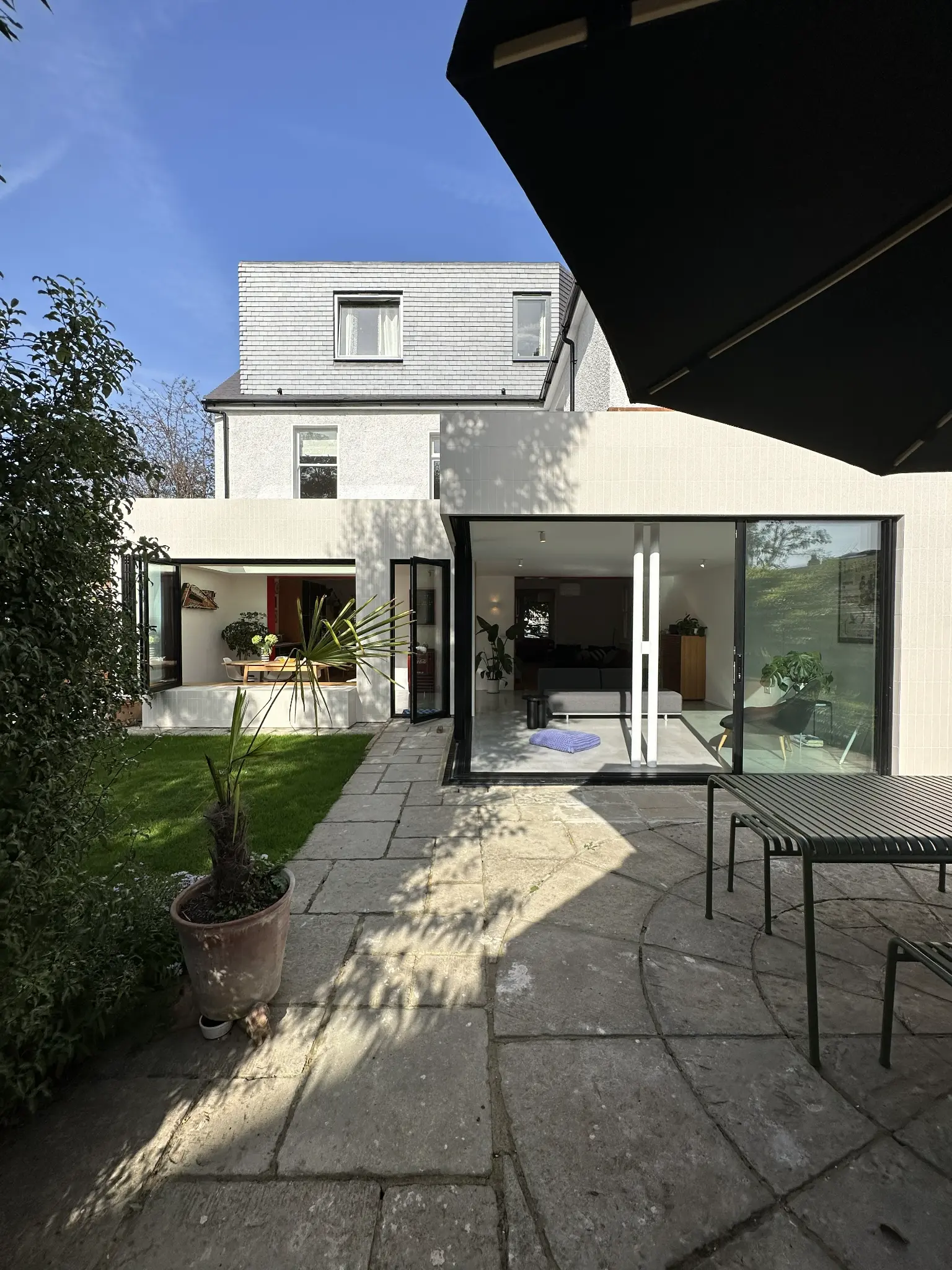
- Bi-fold Doors: Allow entire walls to open up, creating a seamless transition between indoor and outdoor spaces. Ideal for connecting living areas to gardens.
- Sliding Doors (Patio Doors): Offer large, uninterrupted glass panels and can be a good alternative to bi-folds when space for stacking panels is limited. Lift-and-slide mechanisms provide excellent weather sealing and security.
- French Doors: A classic choice for smaller openings, offering a traditional aesthetic with two hinged doors that open outwards or inwards.
- Picture Windows: Large, fixed panes of glass designed to maximise views and natural light without offering ventilation.
- Rooflights and Skylights: Bring light deep into the extension, especially useful for single-storey additions or rooms that don't have direct access to external walls. Options include fixed, manual opening, or electric opening with rain sensors.
- Lantern Roofs: A more architectural statement, these raised glazed structures sit on a flat roof, providing a dramatic influx of light and a sense of height.
Here's a comparison of common glazing types:
| Glazing Type | Typical U-value (W/m²K) | Key Benefits | Considerations |
|---|---|---|---|
| Double Glazing | 1.0 - 1.2 | Cost-effective, good thermal performance, meets regulations | Can be bulky with uPVC frames |
| Triple Glazing | 0.6 - 0.8 | Superior thermal & acoustic performance | Higher cost, heavier, thicker frames |
| Aluminium Bi-folds | 1.2 - 1.4 | Large openings, slim frames, modern aesthetic | Can be expensive, requires space for stacking panels |
| Aluminium Sliding Doors | 1.2 - 1.4 | Large glass areas, less space required than bi-folds | Limited opening percentage compared to bi-folds |
| Fixed Rooflight | 0.8 - 1.4 | Maximises overhead light, sleek appearance | No ventilation, potential for solar gain |
| Opening Rooflight | 0.9 - 1.5 | Overhead light + ventilation | Higher cost, maintenance of opening mechanism |
Installation and Long-Term Care
Even the best glazing will underperform if not installed correctly. Always use reputable installers who are FENSA or CERTASS registered. This ensures their work complies with Building Regulations and is covered by an insurance-backed guarantee. Proper installation includes:
- Correct sealing and weatherproofing to prevent draughts and water ingress.
- Accurate levelling and alignment to ensure smooth operation of opening elements.
- Appropriate fixings and structural support, especially for large or heavy units.
For long-term care, regular cleaning and occasional lubrication of moving parts will keep your glazing performing optimally and looking its best for many years.
Final Thoughts on Your Glazing Project
Choosing glazing for your home extension is a significant decision that impacts comfort, energy efficiency, and the overall enjoyment of your new space. By carefully considering thermal performance, frame materials, design aesthetics, security, and ventilation, you can make informed choices that will enhance your home for decades to come. Always prioritise compliance with UK Building Regulations and seek advice from experienced professionals to ensure a successful outcome.
At Shard AG, we specialise in providing high-performance glazing solutions tailored to the unique requirements of UK home extensions. Our expert team can guide you through the selection process, ensuring your project meets all regulatory standards while achieving your desired aesthetic and performance goals. Contact us today to discuss your extension plans and discover how our premium glazing can transform your home.
Explore Our Products
Discover how Shard Architectural Glazing can transform your home with our premium glazing solutions:
Ready to Transform Your Home?
Get in touch with our expert team for a free consultation and personalised quote. We'll help you choose the perfect glazing solution for your property.