
Maximising Light & Efficiency: Home Extension Glazing Tips
Explore expert tips for choosing the right glazing for your home extension in the UK. Understand Building Regulations, U-values, and design considerations for a bright, efficient space.

Shard Architectural Glazing
13 January 2026
Explore expert tips for choosing the right glazing for your home extension in the UK. Understand Building Regulations, U-values, and design considerations for a bright, efficient space.
📋In This Article
Extending your home is an exciting project, offering the chance to create more space, enhance functionality, and add significant value. A critical element in any modern extension, particularly in the UK, is the glazing. Windows, doors, and rooflights aren't just openings; they are integral design features that dictate light, warmth, ventilation, and the overall aesthetic of your new space. Choosing the right glazing involves balancing design aspirations with practical considerations, energy efficiency, and adherence to UK Building Regulations.
This comprehensive guide will walk you through the essential aspects of selecting glazing for your home extension, providing you with the knowledge to make informed decisions that will result in a comfortable, efficient, and beautiful new living area.
Understanding UK Building Regulations for Glazing
Before diving into design choices, it's crucial to understand the regulatory framework governing glazing in new extensions in England. Part L (Conservation of Fuel and Power) of the Building Regulations sets stringent standards for energy efficiency. These regulations are designed to minimise heat loss and ensure that new constructions contribute to a more sustainable built environment.
Key Glazing Requirements (Part L 2022, England):
- U-values: This metric measures how effectively a material insulates. A lower U-value indicates better insulation and less heat loss. For new extensions, the maximum allowable U-value for windows and doors is 1.2 W/m²K. While this is the minimum standard, aiming for even lower U-values (e.g., 1.0 W/m²K or below) can significantly improve thermal performance and reduce energy bills.
- Overall Dwelling Fabric Energy Efficiency: Beyond individual U-values, the entire extension's fabric (walls, floor, roof, and glazing) must meet an overall energy efficiency target. This means that if you opt for a large expanse of glazing, which inherently has a higher U-value than a solid wall, you might need to compensate by improving the insulation elsewhere in the extension (e.g., super-insulating walls or roof) to achieve the overall target. This is known as the 'fabric first' approach.
- Ventilation: Building Regulations also require adequate ventilation. This can be achieved through trickle vents in windows, mechanical ventilation systems, or a combination. The aim is to ensure good indoor air quality without excessive heat loss.
It is always advisable to consult with your architect, builder, or local Building Control body early in the design process to ensure your glazing choices will comply with all relevant regulations.
Types of Glazing for Extensions
The market offers a vast array of glazing options, each with distinct characteristics, benefits, and considerations. Your choice will depend on your design vision, budget, and performance requirements.
1. Standard Windows and Doors
- Casement Windows: The most common type, offering good ventilation and security.
- Tilt & Turn Windows: Provide versatile ventilation options and are easy to clean.
- Sliding Sash Windows: Often chosen for period properties, offering a classic aesthetic.
- French Doors: Classic double doors that open outwards or inwards, creating a wide opening.
- Patio Doors (Sliding Doors): Ideal for maximising glass area and saving space as they don't swing open.
2. Large Format Glazing
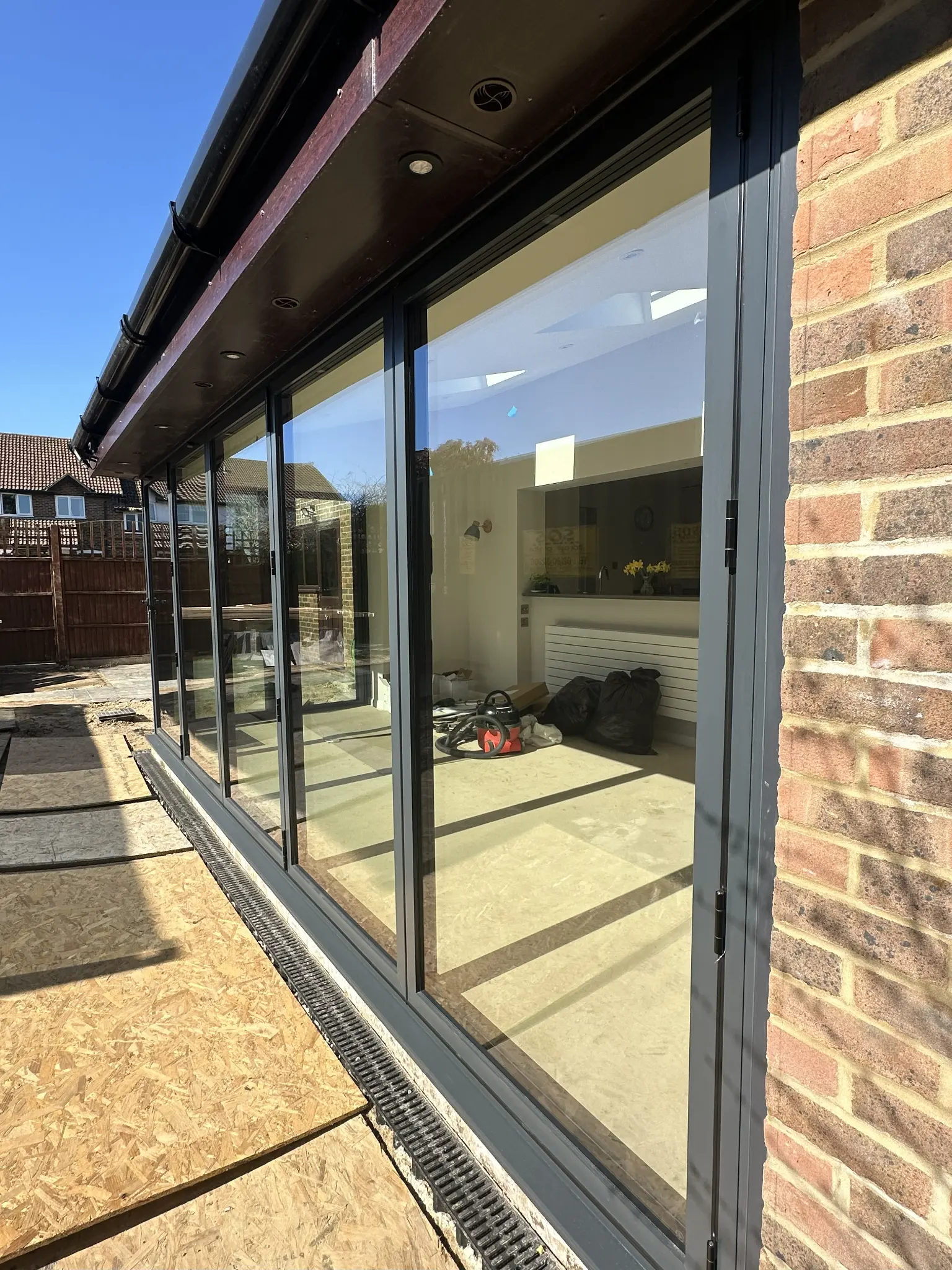
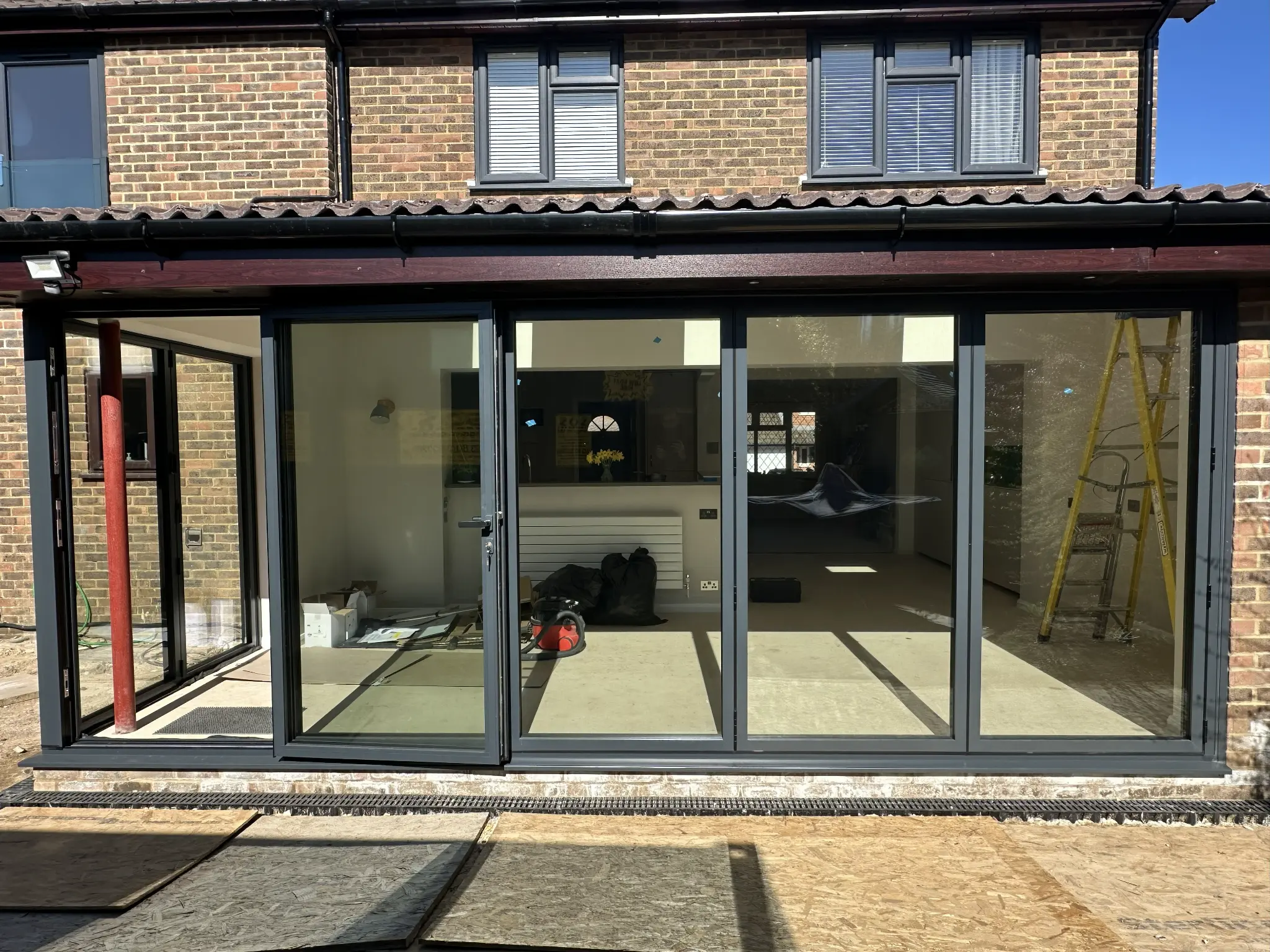
- Bi-Fold Doors: These doors fold back concertina-style, creating a seamless transition between indoor and outdoor spaces. They are incredibly popular for extensions, offering expansive openings and a 'wow' factor. Consider the threshold design for accessibility and weatherproofing.
- Sliding Doors (Lift & Slide, Inline): Modern sliding doors can achieve very large panel sizes, offering vast uninterrupted views. They are often more thermally efficient than bi-folds due to fewer frames and seals. Lift & slide mechanisms allow for easier operation of heavy panels.
- Picture Windows: Large fixed panes of glass designed purely for views and light, with no opening mechanism. Excellent for framing a landscape or bringing in abundant natural light.
3. Roof Glazing
- Rooflights/Skylights: Essential for bringing natural light deep into an extension, especially if it's overshadowed or north-facing. Available in various sizes and opening mechanisms (manual, electric, or solar-powered).
- Lantern Roofs: A raised, often pyramidal or rectangular glazed structure that sits on the roof, providing a dramatic architectural feature and flooding the space below with light.
- Flat Rooflights: Sleek, minimalist options for flat roofs, providing ample light without the visual bulk of a lantern.
Enhanced Natural Light
Well-placed glazing reduces the need for artificial lighting, creating brighter, more inviting spaces.
Improved Energy Efficiency
Modern glazing with low U-values helps retain heat, reducing energy consumption and heating bills.
Seamless Indoor-Outdoor Living
Large format doors, like bi-folds or sliders, connect your extension to your garden, enhancing lifestyle.
Increased Property Value
High-quality, energy-efficient glazing adds aesthetic appeal and market value to your home.
Key Considerations for Glazing Selection
Beyond the type of glazing, several other factors will influence your final choices.
1. Thermal Performance (U-values)
As discussed, U-values are paramount. Double glazing is standard, but for optimal performance, consider triple glazing, especially for larger expanses of glass or north-facing elevations. Triple glazing typically achieves U-values of 0.8 W/m²K or lower, significantly outperforming double glazing (which usually ranges from 1.2 to 1.6 W/m²K).
2. Frame Materials
- uPVC: Cost-effective, low maintenance, and good thermal performance. Available in various colours and finishes.
- Aluminium: Strong, durable, and allows for very slim frames, maximising glass area. Excellent for large format glazing. Good thermal performance with modern thermal breaks.
- Timber: Aesthetically pleasing, natural material. Requires more maintenance but offers excellent thermal properties and can be painted or stained.
- Composite (Alu-Clad/Timber-Alu): Combines the warmth of timber internally with the durability and low maintenance of aluminium externally. Offers superb thermal performance.
3. Solar Gain and Overheating
While maximising light is good, too much south or west-facing glazing can lead to overheating in summer. Consider:
- Solar Control Glass: Special coatings that reflect a portion of the sun's heat while still allowing light in.
- External Shading: Overhangs, brise-soleils, or external blinds can effectively manage solar gain.
- Ventilation: Ensure adequate cross-ventilation to allow hot air to escape.
4. Security
All glazing should meet modern security standards. Look for:
- Multi-point locking systems: For all opening windows and doors.
- Laminated or Toughened Glass: More resistant to impact. Toughened glass is a Building Regulation requirement for critical locations (e.g., low-level glazing).
- Accreditation: Products certified to PAS 24 or Secured by Design standards offer enhanced security.
5. Acoustic Performance
If your extension is near a noisy road or railway, consider acoustic glazing. This often involves thicker glass panes, laminated glass, or wider gaps between panes to reduce sound transmission.
Pro Tip
Don't just focus on the U-value of the glass itself. The overall U-value of the window or door unit (including the frame) is what matters for Building Regulations compliance. Always ask for the 'whole product U-value' when comparing options.
Design and Placement Strategies
The strategic placement and design of your glazing can transform your extension.
1. Maximising Natural Light
- North-Facing: North-facing glazing provides consistent, diffuse light without harsh glare or excessive solar gain. Ideal for studios or offices.
- South-Facing: Offers abundant light and potential for passive solar heating in winter. Requires careful management of solar gain in summer.
- East-Facing: Captures morning sun, creating a bright start to the day.
- West-Facing: Provides warm afternoon and evening light but can be prone to overheating.
- Rooflights: Crucial for bringing light into deep plan extensions or rooms with limited wall space for windows.
2. Creating a Connection to the Outdoors
Large format glazing, such as bi-fold or sliding doors, blurs the lines between inside and out. Consider:
- Flush Thresholds: For a seamless transition, though careful detailing is needed for weatherproofing and drainage.
- Consistent Floor Levels: Extending internal flooring materials or colours outside can enhance the connection.
- Framing Views: Position large windows to frame specific garden features or distant landscapes.
3. Privacy and Shading
While light is desirable, privacy is also essential. Consider:
- Obscure Glazing: For bathrooms or areas where privacy is paramount.
- Integrated Blinds: Blinds fitted within the sealed unit offer privacy without collecting dust.
- External Shading: Awnings, pergolas, or even strategically planted trees can provide shade and privacy.
Glazing Comparison Table
Here's a quick overview of common glazing types and their typical characteristics:
| Feature | Double Glazing (Standard) | Double Glazing (High Performance) | Triple Glazing |
|---|---|---|---|
| U-value (W/m²K) | 1.4 - 1.6 | 1.2 - 1.0 | 0.8 - 0.6 |
| Panes of Glass | 2 | 2 | 3 |
| Cavity Gas | Air or Argon | Argon or Krypton | Argon or Krypton |
| Low-E Coating | Often one side | Typically two sides | Typically two or three sides |
| Acoustic Performance | Standard | Good | Excellent |
| Cost | £ | ££ | £££ |
| Weight/Thickness | Standard | Standard | Heavier/Thicker |
Final Thoughts and Expert Advice
Choosing the right glazing for your home extension is a significant investment that impacts comfort, energy bills, and the overall enjoyment of your new space for decades to come. Don't view glazing as merely a functional element; see it as an opportunity to enhance your home's aesthetics and performance.
- Plan Early: Integrate glazing decisions into the initial design phase with your architect.
- Balance Performance & Aesthetics: Don't compromise on thermal performance for looks, but also ensure the glazing complements your home's style.
- Consider the Whole Picture: Think about how glazing interacts with heating, ventilation, and shading strategies.
- Consult Professionals: Work with reputable glazing suppliers and installers who can advise on the best products for your specific project and ensure compliance with UK Building Regulations.
By carefully considering these tips, you can ensure your home extension is not only visually stunning but also a warm, bright, and energy-efficient addition to your property.
For expert advice and a wide range of high-performance glazing solutions tailored to your home extension project in the UK, consider Shard AG. Our team specialises in delivering bespoke windows, doors, and rooflights that combine cutting-edge thermal efficiency with stunning design, ensuring your extension meets both your aesthetic aspirations and stringent Building Regulation requirements.
Explore Our Products
Discover how Shard Architectural Glazing can transform your home with our premium glazing solutions:
Ready to Transform Your Home?
Get in touch with our expert team for a free consultation and personalised quote. We'll help you choose the perfect glazing solution for your property.