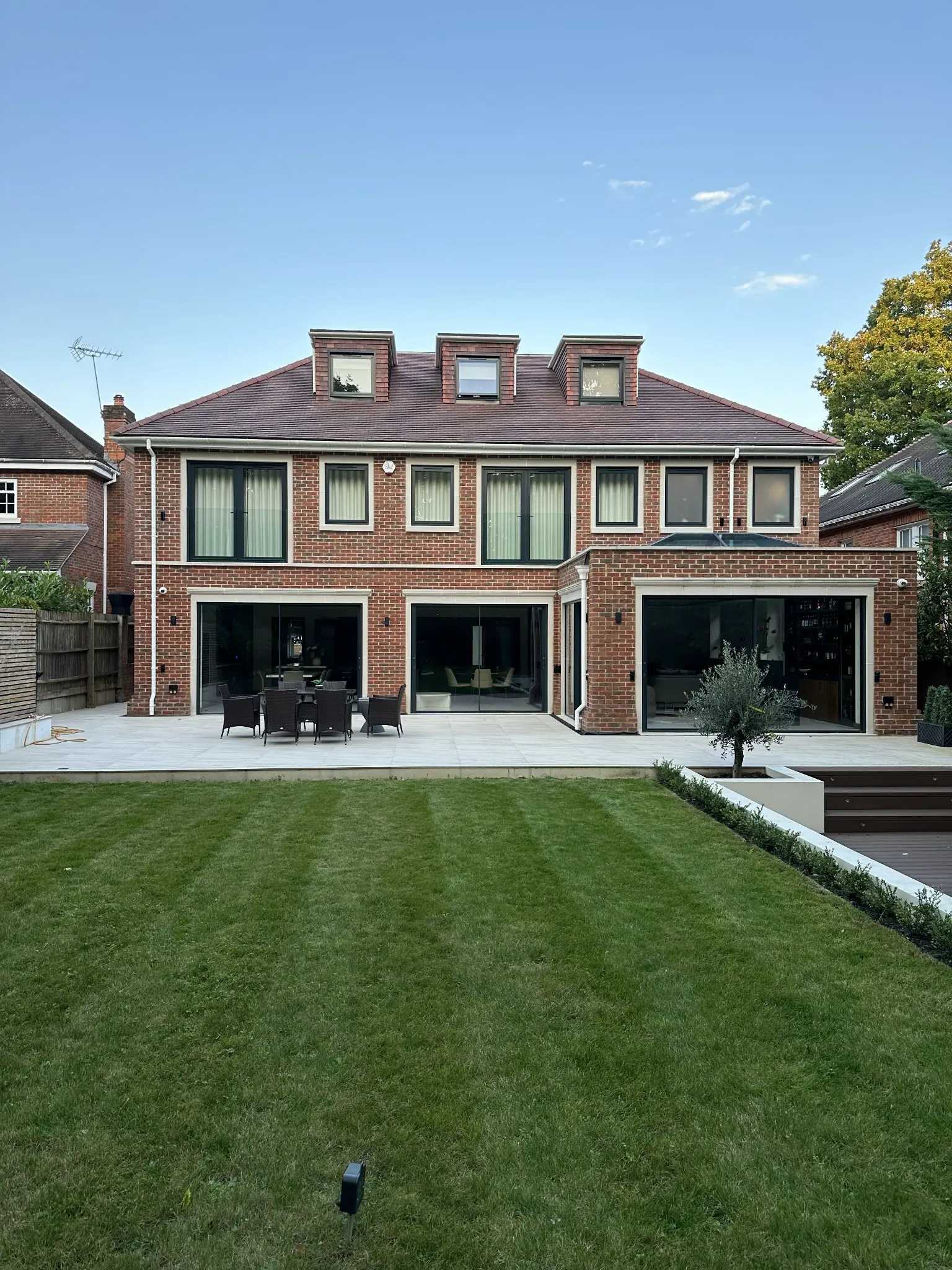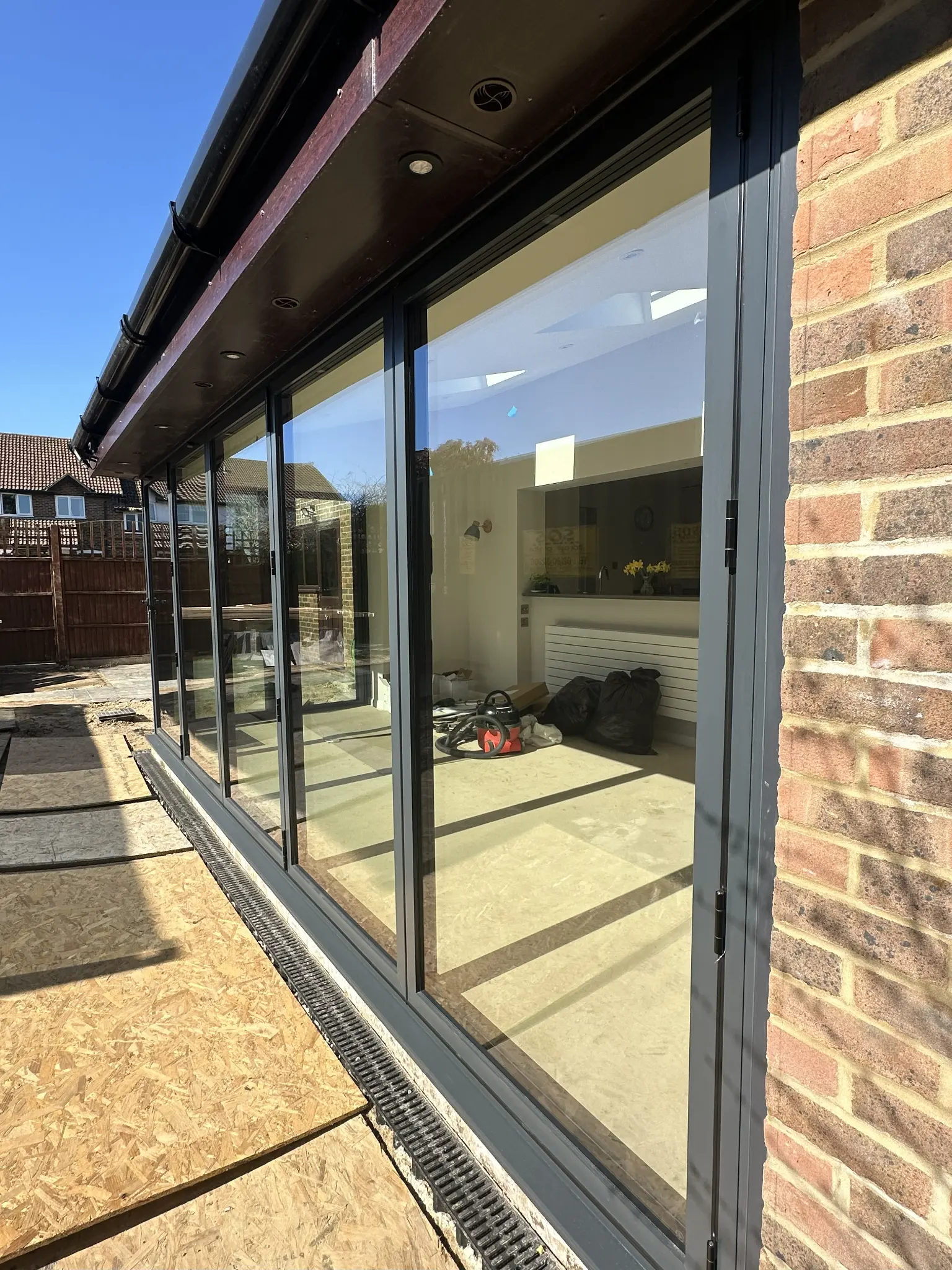


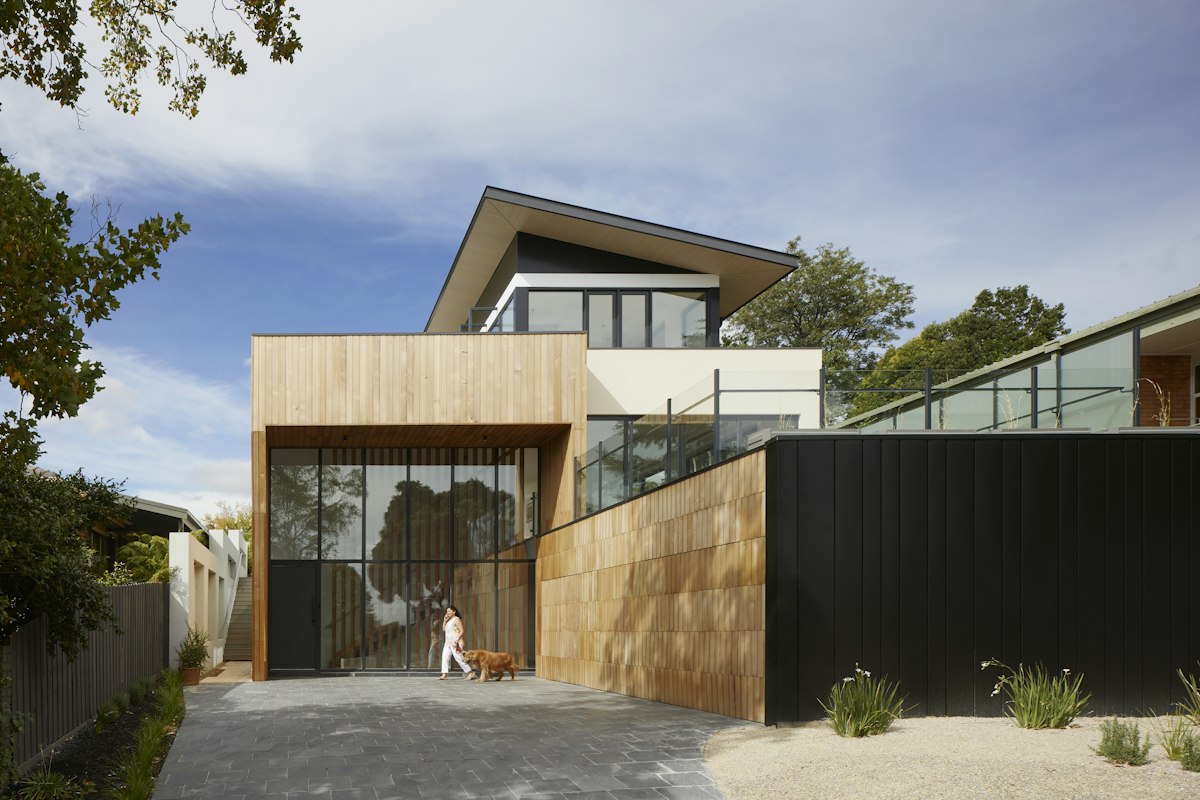

Natural light is perhaps the most undervalued element in architectural design. More than just a source of illumination, daylight profoundly influences our health, mood, productivity, and the energy efficiency of our homes. For UK homeowners considering renovation or extension, understanding how to maximise and manage natural light is crucial for creating comfortable, compliant, and beautiful living spaces.
The Science of Daylight and Wellbeing
The impact of natural light extends far beyond simple visibility; it is biologically essential. Humans are intrinsically linked to the circadian rhythm—the 24-hour cycle that regulates sleep, metabolism, and hormone production. Exposure to bright, natural light, particularly in the morning, helps synchronise this internal clock.
Health and Psychological Benefits
- Improved Sleep Quality: Adequate daytime light exposure signals the brain to suppress melatonin production, leading to better alertness. Conversely, the drop in light levels in the evening triggers melatonin release, promoting healthier sleep patterns.
- Enhanced Mood and Productivity: Studies consistently show that environments rich in natural light reduce stress and fatigue. For those working from home, maximising daylight can significantly boost concentration and productivity.
- Vitamin D Synthesis: While glass filters out most UVB rays necessary for Vitamin D production, exposure to natural light outdoors or in very open spaces still encourages healthy biological responses.
- Reduced Eye Strain: Natural light provides a full spectrum of colour, which is easier on the eyes compared to artificial light sources, reducing the likelihood of headaches and visual fatigue.
.jpg)
Architectural Strategies for Maximising Light
Achieving optimal natural light requires careful planning, considering orientation, window placement, and the type of glazing used. Simply adding a larger window is not always the most effective solution.
Understanding Orientation
The direction your windows face dictates the quality and intensity of light received throughout the day:
- North-Facing: Provides consistent, soft, and diffuse light, ideal for art studios or home offices where direct glare is undesirable. The light is cooler in tone.
- South-Facing: Receives the most intense light throughout the day. While excellent for passive solar gain in winter, it requires careful management (shading, high-performance glass) to prevent overheating (solar gain) and excessive glare in summer.
- East-Facing: Offers bright, warm morning light, perfect for kitchens or breakfast areas. Light levels drop off significantly in the afternoon.
- West-Facing: Provides warm, strong afternoon and evening light. This can lead to significant glare and heat gain later in the day, necessitating external shading or specialised solar control glass.
Glazing Solutions for Light Optimisation
Modern architectural glazing offers solutions that balance light transmission, thermal performance, and solar control.
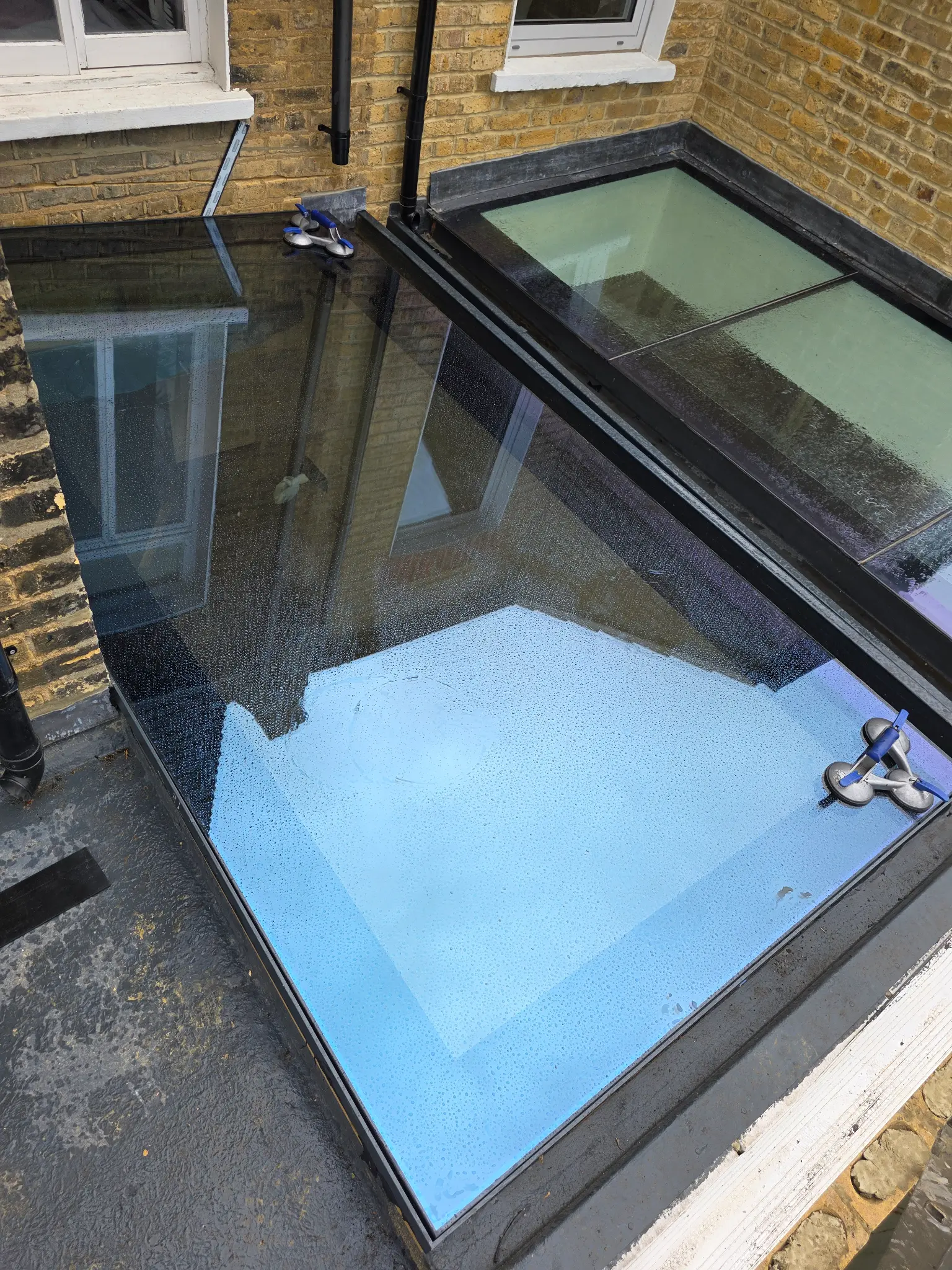
- Rooflights and Skylights: Essential for bringing light deep into the centre of a floor plan, especially in extensions or loft conversions where side walls are limited.
- Bifold and Sliding Doors: These solutions offer expansive glass areas, effectively turning a wall into a light source and seamlessly connecting indoor and outdoor spaces.
- Low Iron Glass: Standard float glass has a slight green tint due to its iron content. Low iron glass (often called extra clear or clear vision glass) significantly increases light transmission (LT) and reduces the colour distortion of the light entering the room.
- Solar Control Coatings: Applied to the glass, these coatings manage the amount of solar heat (g-value) entering the property, crucial for large south or west-facing elevations.
Pro Tip
When selecting glazing for large south-facing areas, look at the Light Transmission (LT) and the Solar Factor (g-value). Aim for a high LT (to maximise daylight) and a moderately low g-value (to prevent overheating). A g-value around 0.35 to 0.40 is often a good compromise for UK climates, balancing passive solar gain in winter with heat rejection in summer.
Energy Efficiency and UK Building Regulations
While maximising light is desirable, it must not compromise the thermal efficiency of the building envelope. In England, Part L (Conservation of Fuel and Power) of the Building Regulations sets strict standards for thermal performance.
Thermal Performance Requirements (Part L 2022)
Glazing acts as a thermal weak point compared to highly insulated walls. Therefore, all new and replacement glazing must meet stringent U-value requirements.
| Element | Maximum U-Value (W/m²K) - New Build | Maximum U-Value (W/m²K) - Replacement |
|---|---|---|
| Windows & Rooflights | 1.2 | 1.4 |
| External Doors (Glazed) | 1.2 | 1.4 |
| Walls (Target Fabric) | 0.18 | N/A |
| Roofs (Target Fabric) | 0.15 | N/A |
Meeting these standards typically requires high-performance double or triple glazing, often incorporating warm edge spacers and argon gas filling. Low-emissivity (Low-E) coatings are essential to reflect internal heat back into the room while allowing natural light through.
Dealing with Overheating (Solar Gain)
Building Regulations now place greater emphasis on preventing summer overheating, especially in new builds and large extensions with significant glazing. This is addressed in Approved Document O (Overheating). Strategies include:
- Limiting the total area of glazing relative to the floor area.
- Specifying glass with appropriate solar control (low g-value).
- Implementing external shading solutions (e.g., brise soleil, external blinds, overhangs) to block high-angle summer sun while allowing lower winter sun penetration.
- Ensuring adequate cross-ventilation strategies are in place.
Interior Design and Light Management
The amount of light entering a room can be amplified or diminished by interior choices.
Reflectivity and Colour Palette
Light-coloured surfaces are highly reflective, helping to bounce natural light deeper into the room. White, pale grey, and pastel shades are excellent choices for walls and ceilings. Using gloss or semi-gloss finishes can further enhance reflectivity compared to matt finishes.
Strategic Use of Mirrors and Glass
- Mirrors: Placing a large mirror opposite a window is a classic technique to double the perceived light and volume of a space.
- Internal Glazing: Where privacy is not paramount, using internal glazed partitions (e.g., Crittall style screens) or floor-to-ceiling glass doors can borrow light from brighter adjacent rooms or hallways, improving the overall light distribution within the home.
Controlling Glare and Privacy
While large expanses of glass are desirable, managing glare and maintaining privacy are practical necessities. Consider integrated shading solutions:
- Blinds and Curtains: Sheer blinds allow light transmission while diffusing harsh glare. Heavy curtains provide insulation and total darkness when needed.
- Smart Glass: Electrochromic or switchable glass allows homeowners to instantly change the glass from clear to opaque for privacy or solar control at the touch of a button.
The Economic Benefits of Daylighting
Beyond health and aesthetics, maximising natural light offers tangible economic advantages for UK homeowners.
Reduced Energy Bills
By relying less on artificial lighting during the day, electricity consumption drops significantly. Furthermore, south-facing glazing, when managed correctly, contributes to passive solar gain, reducing heating demand in winter months.
Increased Property Value
Homes perceived as bright, airy, and well-lit command higher prices. Natural light is consistently cited by prospective buyers as a top feature, making it a valuable investment in the property’s market appeal.
Lower Maintenance Costs
High-quality, thermally broken aluminium or timber glazing frames are designed for longevity and minimal maintenance, offering better long-term performance than older PVC or single-glazed units.
Improved Thermal Comfort
Modern glazing ensures that the internal surface temperature of the glass remains closer to the room temperature, eliminating the cold spots and draughts associated with older windows, leading to a more comfortable living environment year-round.
Summary and Professional Consultation
Integrating natural light effectively into a home design is a balance between aesthetic ambition, thermal performance, and regulatory compliance. The benefits—from improved health and mood to significant energy savings and enhanced property value—make it a worthwhile focus for any renovation project.
Achieving the optimal balance requires expert input, particularly regarding U-values, g-values, and compliance with Part L and Part O of the Building Regulations. Consulting with an experienced architectural glazing specialist or architect is highly recommended to ensure your design meets both your aspirations and the stringent requirements for modern UK homes.
Shard AG Expertise: If you are planning a project in the UK and require high-performance, bespoke architectural glazing solutions—including slimline sliding doors, structural glass installations, or advanced solar control systems—Shard AG offers consultancy and installation services tailored to meet the highest standards of design and thermal efficiency required by current UK Building Regulations.