

Maximising Space: The Strategic Use of Glass Doors in UK Homes
Discover how glass doors can transform your UK home, enhancing light, space, and flow. Learn about types, regulations, and practical considerations.

Shard Architectural Glazing
19 February 2026
Discover how glass doors can transform your UK home, enhancing light, space, and flow. Learn about types, regulations, and practical considerations.
📋In This Article
In the often-compact landscape of UK homes, every square foot counts. Homeowners are constantly seeking innovative ways to make their living spaces feel larger, brighter, and more functional. One increasingly popular and highly effective solution is the strategic incorporation of glass doors. Far beyond mere entry points, glass doors can act as architectural elements that blur boundaries, invite natural light, and create an illusion of expansive space, all while maintaining necessary divisions.
This comprehensive guide will delve into the world of glass doors, exploring their various types, the benefits they offer, crucial technical considerations, and how they align with UK Building Regulations. Our aim is to provide you with the expert knowledge needed to make informed decisions for your home improvement project.
The Power of Transparency: Why Glass Doors Maximise Space
The primary advantage of glass doors in space maximisation stems from their inherent transparency. Unlike solid doors, which create visual barriers and can make rooms feel enclosed, glass allows light to pass through, connecting spaces visually without sacrificing their individual functions. This effect is particularly pronounced in smaller rooms, corridors, or areas that lack natural light.
Key Benefits of Incorporating Glass Doors:
Enhanced Natural Light
Glass doors allow daylight to penetrate deeper into your home, reducing reliance on artificial lighting and creating a brighter, more inviting atmosphere. This can be particularly beneficial for internal rooms or north-facing areas.
Visual Expansion
By offering uninterrupted sightlines, glass doors trick the eye into perceiving a larger, more open-plan area. This visual connection between rooms makes your home feel more expansive and less compartmentalised.
Improved Flow and Connectivity
They facilitate a seamless transition between different zones of your home, promoting a sense of unity and modern living. This is ideal for open-plan living areas or connecting indoor and outdoor spaces.
Modern Aesthetic Appeal
Glass doors inherently possess a contemporary and sophisticated aesthetic. They can elevate the design of any room, adding a touch of elegance and minimalist charm that complements various interior styles.
.jpg)
Types of Glass Doors for Space-Saving
The term 'glass door' encompasses a wide variety of styles, each offering unique benefits for space optimisation. Choosing the right type depends on the specific application, available space, and desired aesthetic.
1. Sliding Glass Doors
Sliding doors operate by gliding along a track, either parallel to a wall or into a pocket within the wall. This eliminates the need for a door swing, freeing up valuable floor space that would otherwise be required for clearance. They are excellent for connecting living rooms to dining areas, kitchens to conservatories, or as wardrobe doors.
- Surface-Mounted Sliding Doors: These run on a track mounted above the door opening, with the door panel sliding along the wall. Relatively easy to install, but require clear wall space.
- Pocket Sliding Doors: These doors disappear completely into a cavity built within the wall. They offer the cleanest look and maximise space but require more extensive structural work during installation.
2. Bi-Fold Glass Doors
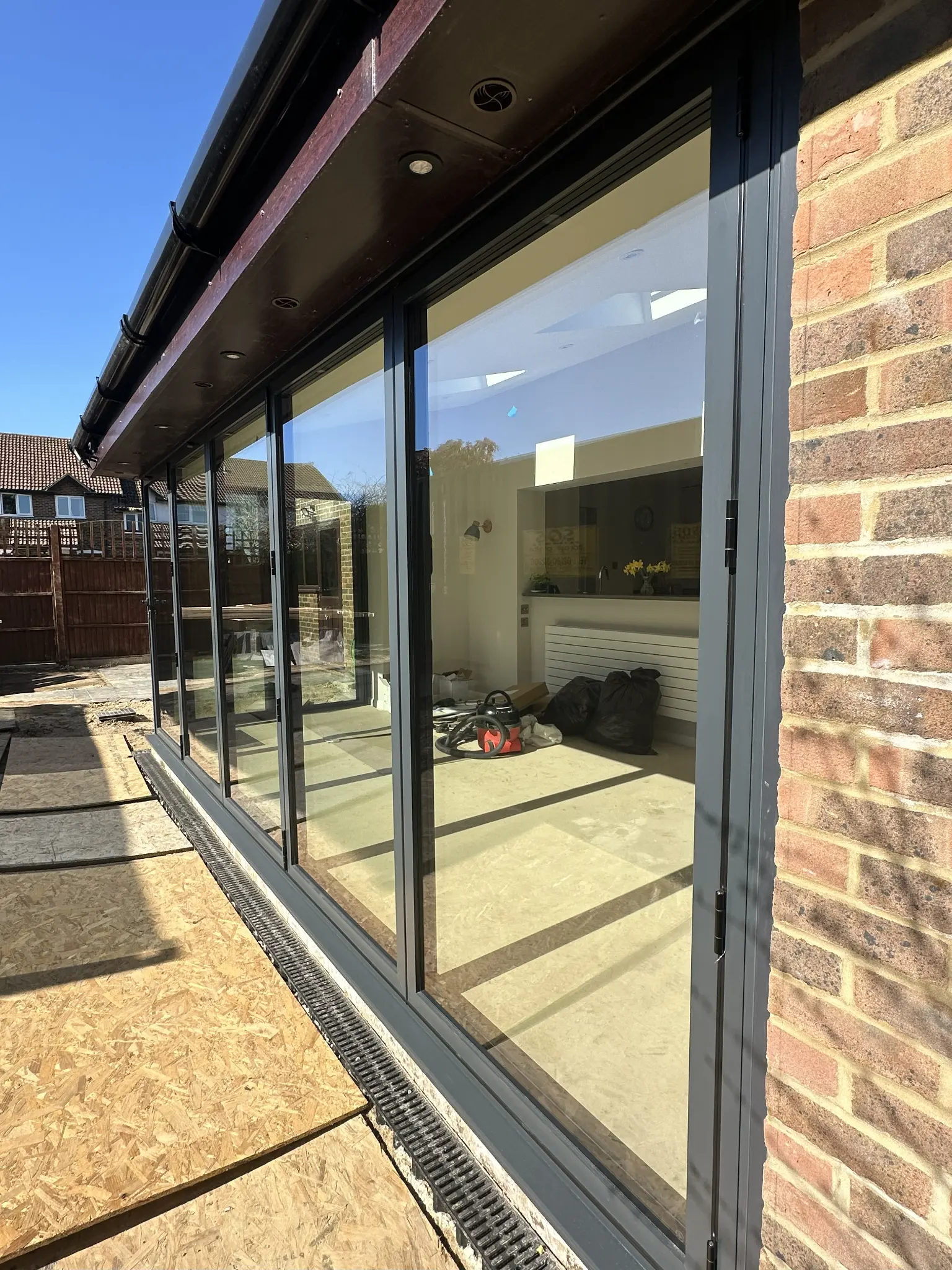
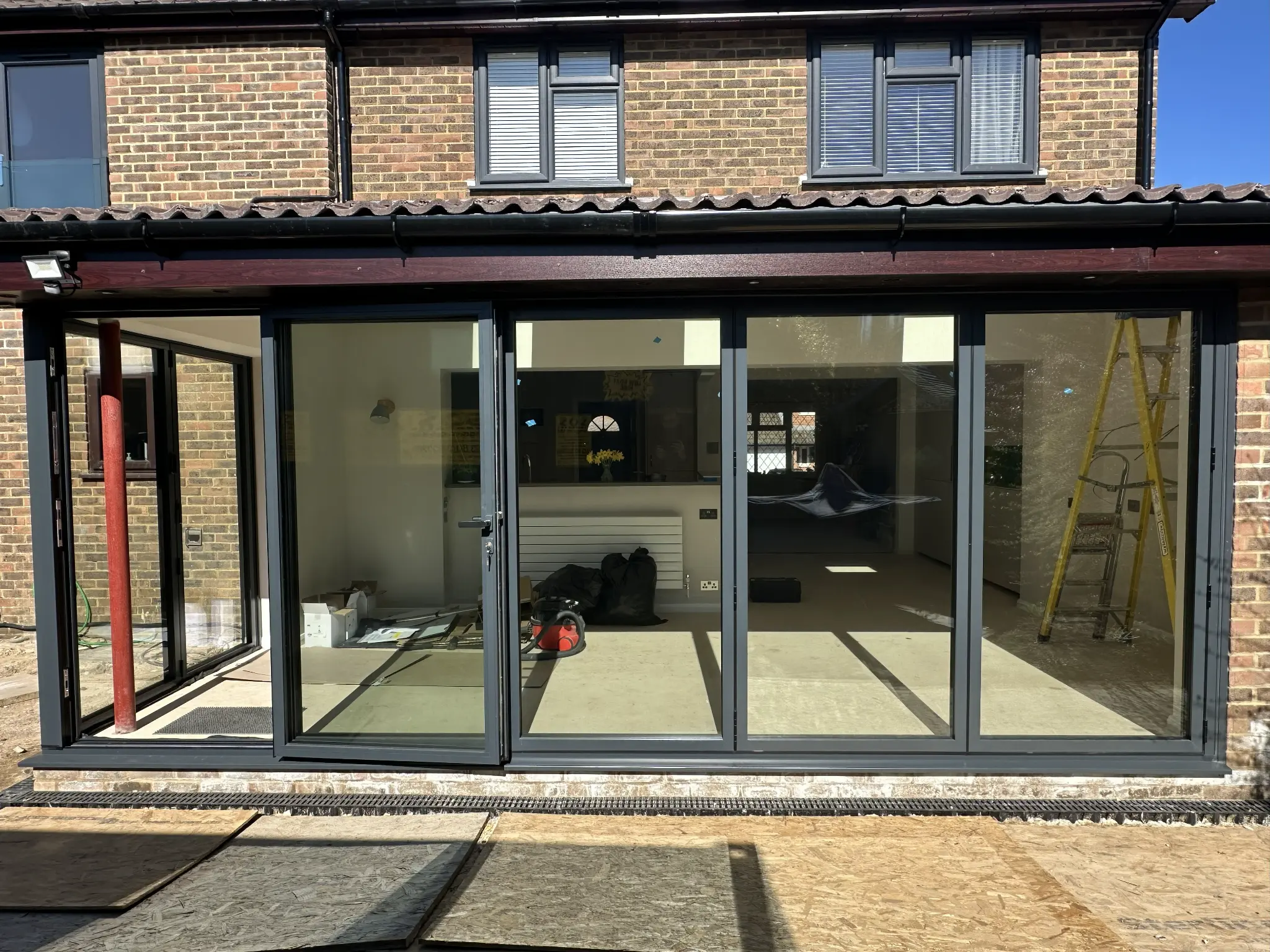
Bi-fold doors consist of multiple panels that fold back on themselves, concertina-style, to create a wide opening. While they do require some stacking space, they can open up an entire wall, making them ideal for connecting indoor living spaces to gardens or patios. They offer an unparalleled sense of openness when fully retracted.
3. French Doors (Double Doors)
While traditional French doors still require swing space, their multiple glass panes allow an abundance of light to flood in, making a room feel significantly brighter and more open. When opened, they create a generous entryway, enhancing flow between rooms. They are a classic choice for connecting living rooms to dining rooms or studies.
4. Pivot Doors
Pivot doors rotate on a vertical axis, offset from the door frame, creating a dramatic and contemporary entrance. While they do require a larger swing radius than standard hinged doors, the unique opening mechanism and often grand scale can make a statement and create a sense of expansive space, particularly in larger, modern homes.
5. Internal Glazed Partitions/Screens
Not strictly doors, but glazed partitions or screens can be incorporated with sliding or hinged glass doors to create flexible, light-filled zones within an open-plan layout. They offer acoustic separation without visual obstruction, allowing you to define areas like a home office or snug while maintaining an open feel.
Pro Tip
Consider the 'stacking space' required for bi-fold and sliding doors. While they save swing space, the panels themselves need somewhere to go when open. Measure carefully to ensure this doesn't obstruct furniture or pathways.
Technical Considerations and UK Building Regulations
Installing glass doors, especially external ones, involves several technical considerations and adherence to UK Building Regulations to ensure safety, energy efficiency, and structural integrity.
1. Glazing Type and Safety
All glass doors, particularly those in critical locations (e.g., low-level glazing, doors), must use safety glass. This typically means toughened glass (tempered glass) or laminated glass, as specified in Approved Document K (Protection from falling, collision and impact) of the Building Regulations. Toughened glass shatters into small, relatively harmless pieces, while laminated glass holds together even when broken due to an interlayer.
2. Thermal Performance (U-Values)
For external glass doors, thermal performance is paramount to prevent heat loss and ensure energy efficiency. This is measured by the U-value, which indicates how well a building element insulates. A lower U-value means better insulation. Approved Document L (Conservation of fuel and power) sets minimum standards:
- New Build Homes: Windows and doors must achieve a U-value of 1.2 W/m²K or better.
- Replacement Doors (Existing Dwellings): Doors must achieve a U-value of 1.4 W/m²K or better.
Achieving these values typically requires double glazing or triple glazing, often with low-emissivity (low-e) coatings and inert gas (like argon) in the cavities. The frame material (e.g., uPVC, aluminium, timber) also significantly impacts the overall U-value.
3. Structural Support
Removing sections of wall to install larger glass doors (e.g., bi-folds or large sliders) will almost certainly require the installation of a steel beam (RSJ) or lintel to support the structure above. This is a structural alteration that falls under Building Regulations and will require approval from your local Building Control body. An experienced structural engineer should be consulted to design the appropriate support.
4. Weatherproofing and Security
External glass doors must offer robust weatherproofing against rain and wind, and high levels of security. Look for doors with multi-point locking systems, strong frames, and secure glazing beads. Compliance with security standards like PAS 24 is a strong indicator of a door's resistance to forced entry.
5. Acoustic Performance
While glass doors enhance visual space, they can sometimes compromise acoustic privacy. If sound insulation is a concern (e.g., between a living room and a home office, or for external doors facing a busy road), consider options with thicker glass, laminated glass, or specific acoustic glazing. The frame design and seals also play a crucial role in sound reduction.
Design and Aesthetic Considerations
Beyond the technical aspects, the design of your glass doors significantly impacts the overall look and feel of your home.
Frame Materials:
- Aluminium: Offers slim sightlines, contemporary aesthetics, and excellent durability. Available in a wide range of powder-coated colours.
- Timber: Provides a classic, warm look. Can be painted or stained. Requires more maintenance than other materials.
- uPVC: A cost-effective and low-maintenance option, though frames can be thicker, potentially reducing glass area.
- Composite: Combines materials (e.g., timber internally, aluminium externally) to offer the best of both worlds in terms of aesthetics and performance.
Glazing Options:
- Clear Glass: Maximises light and views.
- Obscure/Frosted Glass: Provides privacy while still allowing light, ideal for bathrooms or studies.
- Tinted Glass: Can reduce glare and solar gain, useful for south-facing elevations.
- Integrated Blinds: Blinds fitted within the sealed glass unit offer privacy and shade without collecting dust.
Hardware and Finishes:
The choice of handles, hinges, and tracks can greatly influence the final aesthetic. Consider finishes that complement your existing interior design, whether that's sleek chrome, brushed nickel, or traditional brass.
Comparison Table: Door Types at a Glance
Here's a quick comparison of common glass door types for space maximisation:
| Door Type | Space Saving Potential | Aesthetic | Typical Application | Key Considerations |
|---|---|---|---|---|
| Sliding Doors | High (no swing space) | Modern, minimalist | Internal room dividers, wardrobes, patio doors | Requires clear wall space or pocket construction |
| Bi-Fold Doors | Very High (opens entire wall) | Contemporary, expansive | Connecting living rooms to gardens/patios | Requires stacking space for panels when open |
| French Doors | Medium (light maximisation) | Classic, elegant | Internal room dividers, external patio doors | Requires swing space for both panels |
| Pivot Doors | Medium (unique opening) | Statement, architectural | Grand entrances, large internal openings | Requires significant swing radius, often larger scale |
| Glazed Partitions | High (visual separation without obstruction) | Sleek, industrial, modern | Zoning open-plan spaces, home offices | Primarily visual/acoustic separation, not always full access |
Planning Your Glass Door Installation
A successful glass door installation requires careful planning and often the involvement of professionals.
- Consult a Professional: For any structural alterations or external door installations, it is highly advisable to consult with an architect, structural engineer, or experienced glazing specialist. They can advise on feasibility, design, and Building Regulations compliance.
- Check Building Regulations: Always verify the specific requirements with your local Building Control department before commencing work. This is particularly crucial for external doors, changes to structural openings, or installations in listed buildings/conservation areas.
- Consider Functionality: Think about how the door will be used daily. Does it need to be easily opened by children? Does it need to provide significant acoustic privacy?
- Budget: Glass doors vary significantly in price based on type, size, glazing, frame material, and complexity of installation. Obtain multiple quotes and ensure they include all necessary components and labour.
- Maintenance: Consider the long-term maintenance requirements. Aluminium and uPVC are generally low maintenance, while timber may require periodic treatment.
Conclusion
Glass doors offer a transformative solution for homeowners looking to maximise space, enhance natural light, and improve the aesthetic appeal of their properties. From the sleek efficiency of sliding doors to the expansive openness of bi-folds, there's a glass door type to suit almost any application and design preference.
By carefully considering the technical requirements, adhering to UK Building Regulations, and making informed design choices, you can unlock the full potential of your home, creating a brighter, more spacious, and visually connected living environment. Investing in high-quality glass doors is not just about adding a feature; it's about fundamentally improving the way you experience your home.
If you are planning a home improvement project involving architectural glazing, we recommend consulting with experienced professionals. Shard AG specialises in bespoke glazing solutions tailored to the unique needs of UK homeowners, ensuring compliance with all relevant standards and delivering exceptional results.
Explore Our Products
Discover how Shard Architectural Glazing can transform your home with our premium glazing solutions:
Ready to Transform Your Home?
Get in touch with our expert team for a free consultation and personalised quote. We'll help you choose the perfect glazing solution for your property.