

Maximising Space with Glass Doors: A UK Homeowner's Guide
Discover how glass doors can transform your UK home, creating an illusion of space, enhancing light, and offering practical benefits. Learn about types, regulations, and installation.

Shard Architectural Glazing
12 March 2026
Discover how glass doors can transform your UK home, creating an illusion of space, enhancing light, and offering practical benefits. Learn about types, regulations, and installation.
📋In This Article
In the often-compact world of UK homes, every square foot counts. Homeowners are constantly seeking clever solutions to make their living spaces feel larger, brighter, and more functional. One increasingly popular and highly effective strategy is the strategic use of glass doors. Far beyond their aesthetic appeal, glass doors offer tangible benefits for space maximisation, light enhancement, and creating a modern, open feel within your property.
This comprehensive guide will delve into the various types of glass doors suitable for UK homes, discuss their practical advantages, cover crucial Building Regulations, and provide expert insights to help you make an informed decision for your next home improvement project.
The Power of Transparency: How Glass Doors Create Space
The fundamental principle behind glass doors' space-enhancing capabilities lies in their transparency. Unlike solid doors, which act as visual barriers, glass allows light to pass through and the eye to see beyond, effectively blurring the lines between rooms and making areas feel more expansive.
Visual Connectivity and Light Flow
- Illusion of Greater Depth: By allowing sightlines to extend into adjacent rooms or outdoor areas, glass doors create an immediate sense of greater depth and openness.
- Enhanced Natural Light: Maximising the ingress and distribution of natural light is paramount in UK homes, especially during darker months. Glass doors facilitate this, reducing the need for artificial lighting and making spaces feel airier and more inviting.
- Seamless Transitions: They can create a more fluid transition between different zones, such as a kitchen and dining area, or an indoor living space and a garden patio, without sacrificing the ability to close off areas when needed.
.jpg)
Types of Glass Doors for UK Homes
The market offers a diverse range of glass door options, each with unique characteristics suited to different applications and design preferences. Understanding these will help you choose the best fit for your home.
- French Doors: Typically comprising two hinged doors that open outwards or inwards from a central point, French doors are a classic choice for connecting living rooms to gardens or conservatories. They offer a wide opening and a traditional aesthetic.
- Sliding Patio Doors: These doors feature one or more panels that slide horizontally along a track, stacking behind a fixed panel. They are excellent for maximising light and views, requiring no swing space, making them ideal for smaller rooms or busy areas. Available in uPVC, aluminium, and timber.
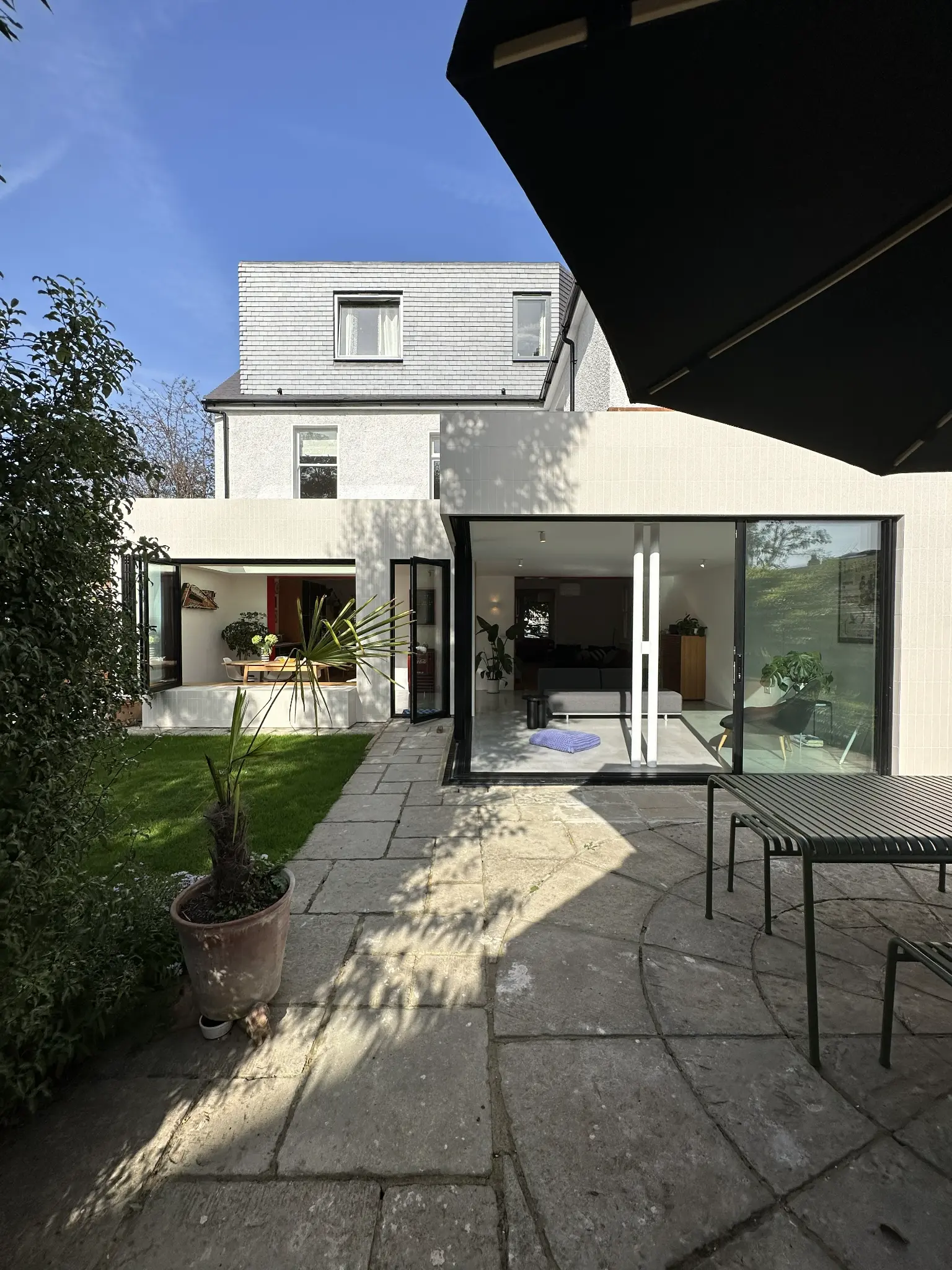
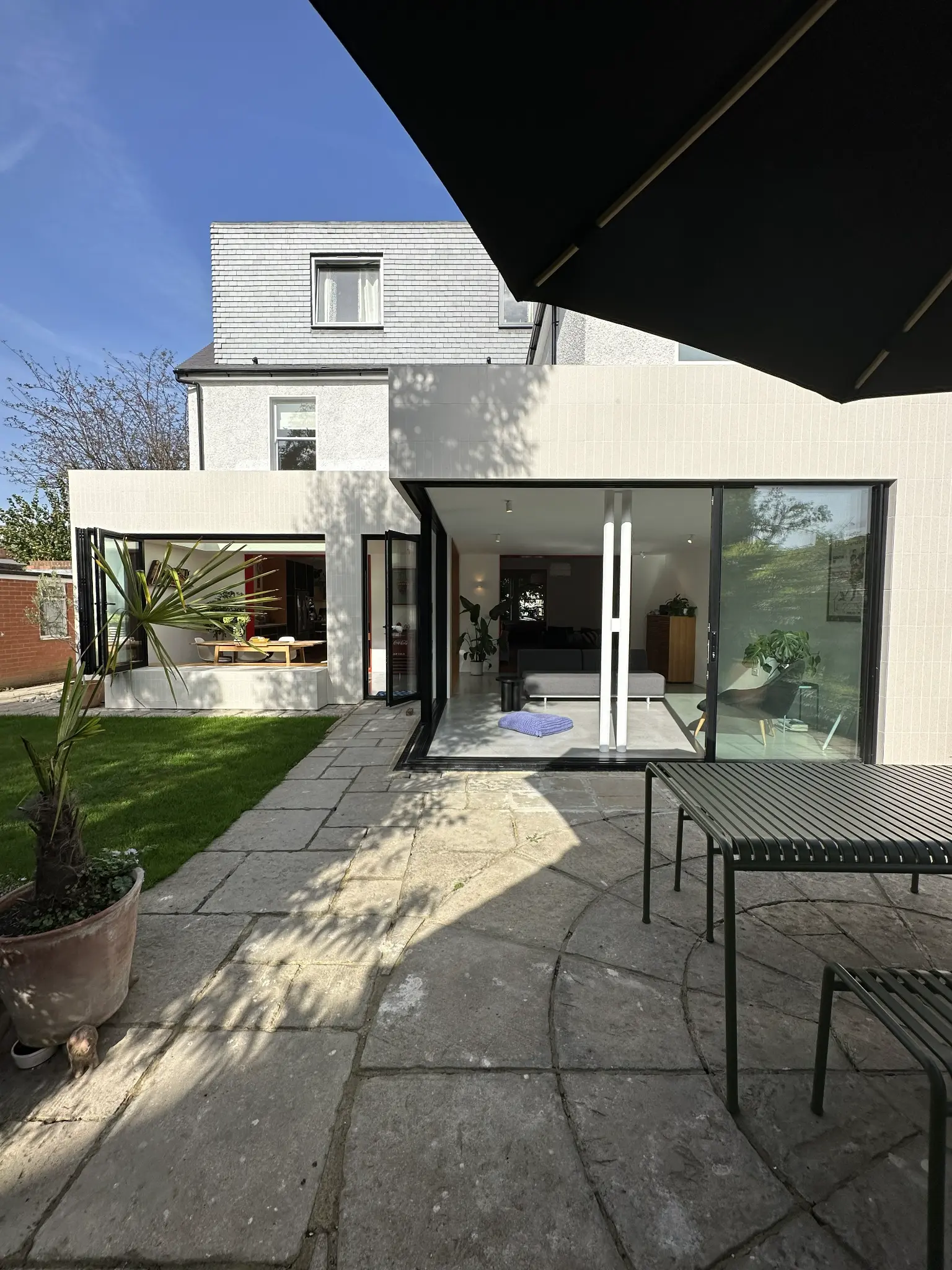
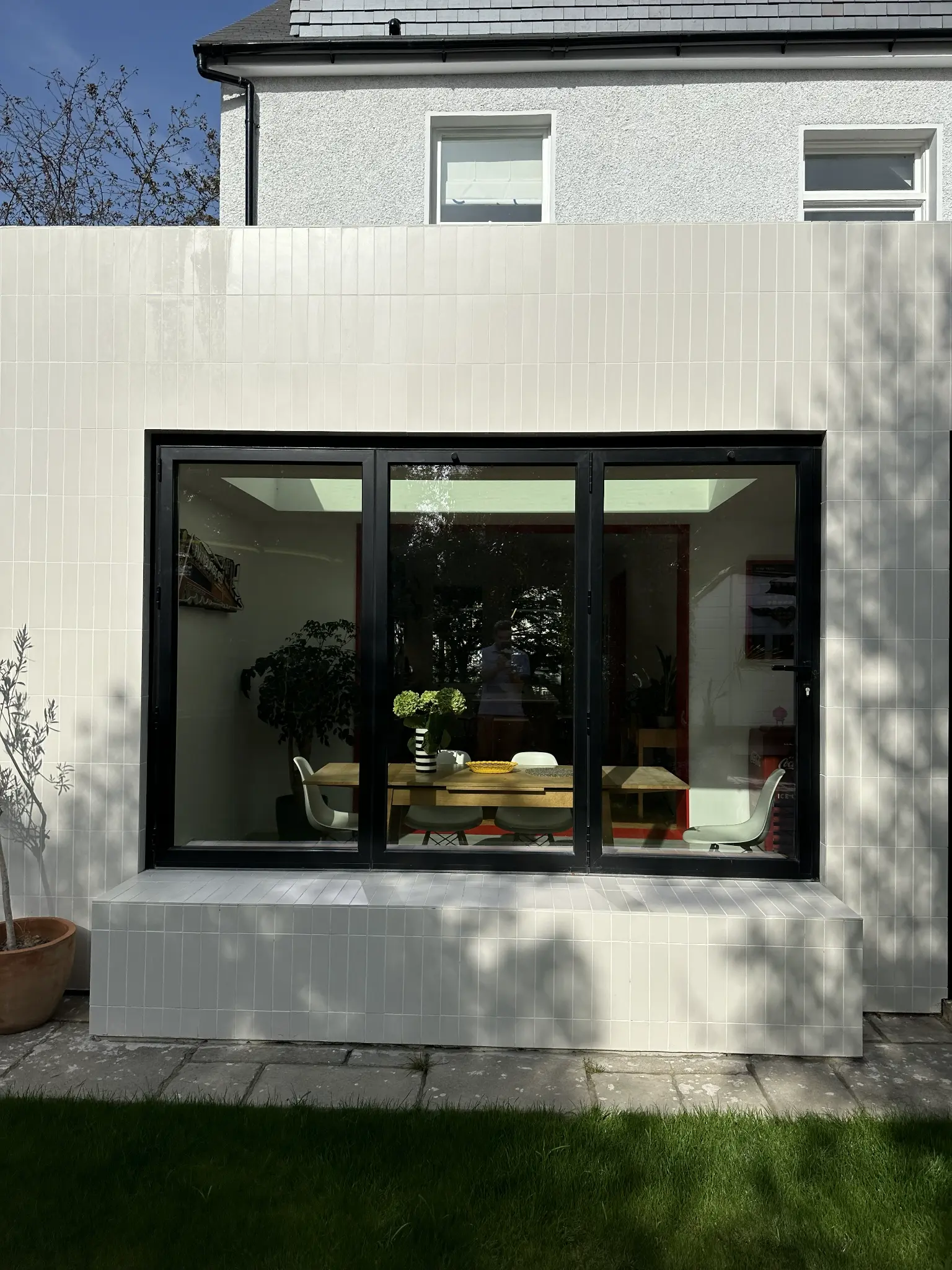
- Bifold Doors: Consisting of multiple panels that fold back concertina-style, bifold doors can open up an entire wall, creating a seamless transition between indoor and outdoor spaces. They offer the largest possible opening and are highly popular for extensions and renovations.
- Internal Glazed Doors: Used within the home, these can be single hinged doors with glass panels, or sliding/pocket doors. They allow light to penetrate deeper into hallways and internal rooms, making them feel less enclosed.
- Frameless Glass Doors: Offering a minimalist aesthetic, these doors feature minimal or no visible frame, maximising the glass surface area. They are often used internally or as shower screens, creating a sleek, contemporary look.
Pro Tip
When selecting glass for external doors, always opt for toughened safety glass as a minimum. For enhanced thermal performance and security, consider laminated glass or double/triple glazing with low-emissivity (low-e) coatings and inert gas fills (e.g., argon) to meet or exceed Building Regulations Part L requirements.
Key Considerations and UK Building Regulations
While the benefits of glass doors are clear, several practical and regulatory factors must be addressed, especially in the UK.
Thermal Performance (Part L)
For external glass doors (and internal doors if they separate heated from unheated spaces, like a conservatory), thermal performance is critical. UK Building Regulations Part L (Conservation of Fuel and Power) sets stringent U-value requirements to ensure energy efficiency.
| Element | New Build & Extensions (U-value) | Replacement (U-value) |
|---|---|---|
| Walls | 0.18 W/m²K | N/A |
| Floors | 0.18 W/m²K | N/A |
| Roofs | 0.15 W/m²K | N/A |
| Windows/Doors | 1.2 W/m²K | 1.4 W/m²K |
| Party Walls | 0.0 W/m²K | N/A |
Note: External doors must meet a U-value of 1.2 W/m²K for new builds and extensions, and 1.4 W/m²K for replacements. This typically necessitates high-performance double or triple glazing with warm edge spacers and low-e coatings.
Safety Glazing (Part K)
Building Regulations Part K (Protection from Falling, Collision and Impact) mandates the use of safety glazing in critical locations to prevent injury. This includes:
- Any glazing in a door.
- Glazing adjacent to a door (within 300mm of the opening edge).
- Glazing below 800mm from floor level in windows.
Safety glazing must be either toughened glass (which shatters into small, relatively harmless pieces) or laminated glass (which holds together when broken). Your installer should ensure compliance with these requirements.
Security (Part Q)
For external doors, Building Regulations Part Q (Security – Dwellings) applies to new builds and extensions. While not applicable to replacements, it's highly recommended to specify doors that meet or exceed its standards. This typically involves:
- Robust frames and glazing beads.
- Multi-point locking systems.
- Secure hinges.
- Laminated glass for enhanced resistance to forced entry.
Ventilation (Part F)
If replacing an existing external door or installing a new one, consider the impact on ventilation. Trickle vents may be required, especially if the new door is significantly more airtight than the old one, to maintain adequate background ventilation and prevent condensation issues.
Planning Permission vs. Building Control
Most replacement doors do not require planning permission, but new openings or significant alterations to the external appearance of a property (especially in conservation areas or for listed buildings) may. All structural alterations and changes to the thermal envelope of a building (e.g., installing new external doors) typically fall under Building Control regulations and require approval. Always consult your local authority's Building Control department or a qualified professional.
Enhanced Light
Glass doors dramatically increase natural light penetration, making rooms feel brighter and more inviting, reducing reliance on artificial lighting.
Visual Space
By allowing sightlines to extend, they create an illusion of greater depth and openness, making even smaller rooms feel more expansive.
Modern Aesthetics
They offer a sleek, contemporary look that can instantly update the style of your home, contributing to a sense of luxury and sophistication.
Improved Flow
Glass doors facilitate seamless transitions between different areas of your home or between indoor and outdoor spaces, enhancing functionality and social interaction.
Practicalities and Maintenance
Beyond regulations, consider the day-to-day practicalities of living with glass doors.
- Privacy: While transparency is a benefit, it can also be a drawback. Consider options like integral blinds, smart glass (switchable privacy), or curtains/blinds for areas where privacy is paramount.
- Cleaning: Glass requires regular cleaning to maintain its pristine appearance. Modern coatings can reduce the frequency, but it's a factor to consider, especially for large expanses of glass.
- Security: As mentioned, external glass doors must be highly secure. For internal doors, security is less of a concern, but robust hardware is still advisable for durability.
- Installation: Due to their weight and the precision required for proper operation and sealing, professional installation is highly recommended for all types of glass doors, especially bifold and large sliding systems.
Choosing the Right Frame Material
The frame material plays a significant role in the door's aesthetics, thermal performance, durability, and cost.
- uPVC: A popular, cost-effective choice offering good thermal performance and low maintenance. Available in various colours and finishes.
- Aluminium: Known for its strength, slim sightlines, and modern aesthetic. Aluminium frames are durable, low maintenance, and offer excellent thermal performance when properly designed with thermal breaks. Ideal for large bifold and sliding doors.
- Timber: Provides a natural, warm aesthetic. Timber frames offer good insulation properties but require more maintenance (painting/staining) than uPVC or aluminium. Can be engineered for enhanced stability and durability.
- Composite: Often a combination of materials, such as a timber core with a uPVC or GRP (Glass Reinforced Plastic) skin. Offers a balance of aesthetics, thermal performance, and low maintenance.
Conclusion and Shard AG
Glass doors offer a transformative solution for homeowners looking to maximise space, enhance natural light, and modernise their properties. By carefully considering the various types, adhering to UK Building Regulations, and selecting appropriate materials and glazing, you can create a home that feels more open, brighter, and more connected to its surroundings.
For expert advice, high-quality products, and professional installation services tailored to your specific needs and compliant with all UK Building Regulations, consider consulting with a specialist in architectural glazing. Shard AG offers a comprehensive range of bespoke glass door solutions, from elegant French doors to expansive bifold and sliding systems, designed to enhance your home's aesthetics, energy efficiency, and functionality. Our team is dedicated to guiding you through every step of the process, ensuring a seamless and compliant installation that brings your vision to life.
Explore Our Products
Discover how Shard Architectural Glazing can transform your home with our premium glazing solutions:
Ready to Transform Your Home?
Get in touch with our expert team for a free consultation and personalised quote. We'll help you choose the perfect glazing solution for your property.