

Maximizing Natural Light: A Guide to Roof Glazing Solutions
Explore the various roof glazing options available to flood your home with natural light, from flat rooflights to lantern skylights and everything in between.

Shard Architectural Glazing
5 December 2025
Explore the various roof glazing options available to flood your home with natural light, from flat rooflights to lantern skylights and everything in between.
Maximizing Natural Light: Your Complete Guide to Roof Glazing
Natural light transforms living spaces, making them feel larger, more inviting, and healthier. Roof glazing solutions offer the most effective way to introduce abundant natural light into your home, particularly in areas where wall windows aren't practical or sufficient.
Types of Roof Glazing
Flat Rooflights
Flat rooflights sit flush with the roof surface, creating a sleek, minimalist appearance. They're ideal for modern architecture and flat or low-pitch roofs.
Benefits:
- Clean, contemporary aesthetic
- Excellent for flat roofs
- Can be fixed or opening
- Available in various sizes
- Minimal visual impact from outside
Considerations:
- Require proper pitch for drainage (minimum 3°)
- May need regular cleaning to maintain clarity
- Less dramatic light effect than raised options
Lantern Rooflights
Lantern rooflights project above the roof surface, featuring a raised frame with glazing on all sides. They create a dramatic architectural feature and provide exceptional light levels.
Benefits:
- Maximum natural light from multiple angles
- Impressive architectural feature
- Better natural ventilation options
- Self-cleaning due to steeper pitch
- Creates sense of height internally
Considerations:
- More expensive than flat rooflights
- Greater visual impact externally
- Requires more structural support
- Higher installation complexity
Pyramid Skylights
Similar to lantern rooflights but with a pyramid shape, these provide excellent light distribution and suit both traditional and contemporary architecture.
Glazed Roof Extensions
For maximum light, entire roof sections can be glazed, creating stunning conservatory-style spaces or glass extensions.
Opening vs Fixed Rooflights
Fixed Rooflights
Advantages:
- Lower cost
- Better thermal performance
- Simpler installation
- No maintenance of opening mechanisms
Best for:
- Rooms with alternative ventilation
- High or inaccessible locations
- Maximum thermal efficiency priority
Opening Rooflights
Advantages:
- Natural ventilation
- Smoke ventilation (fire safety)
- Temperature control
- Fresh air access
Best for:
- Kitchens and bathrooms
- Rooms without wall windows
- Loft conversions
- Areas requiring ventilation
Electric Opening Options
Electric rooflights offer convenient operation via remote control or smartphone app. Many include:
- Rain sensors (auto-close when raining)
- Smart home integration
- Programmable opening schedules
- Ventilation modes
Glazing Specifications
Double vs Triple Glazing
Double Glazing:
- Standard for most applications
- U-values around 1.2 W/m²K
- Good balance of performance and cost
Triple Glazing:
- Superior thermal performance (U-values to 0.8 W/m²K)
- Better acoustic insulation
- Heavier and more expensive
- Recommended for passive house standards
Solar Control
Roof glazing receives intense solar gain, particularly in summer. Solar control options include:
Low-E Coatings: Reflect heat while allowing light through
Tinted Glass: Reduces light and heat transmission
Solar Control Glass: Specialized coatings for maximum heat rejection while maintaining light levels
External Blinds: Most effective heat control, but adds cost and complexity
Structural Considerations
Installing roof glazing requires careful structural planning:
Roof Structure
The existing roof structure must be assessed to determine if it can support the rooflight. Flat roofs typically need upstands built up, while pitched roofs may require trimming rafters and installing support beams.
Waterproofing
Proper flashing and weatherproofing are critical. Quality rooflights include comprehensive flashing kits designed for different roof coverings (tiles, slate, flat roof membranes, etc.).
Building Regulations
Roof glazing installations must comply with building regulations covering:
- Structural integrity
- Thermal performance
- Fire safety
- Ventilation requirements
- Safety glazing
Placement and Design
Kitchen Extensions
Roof glazing is perfect for kitchen extensions, providing abundant natural light for food preparation and creating an airy, pleasant cooking environment.
Bathrooms
Rooflights offer privacy while flooding bathrooms with natural light—ideal for windowless bathrooms or those overlooking neighbors.
Loft Conversions
Essential for loft conversions where wall windows may be limited. Opening rooflights provide crucial ventilation in these spaces.
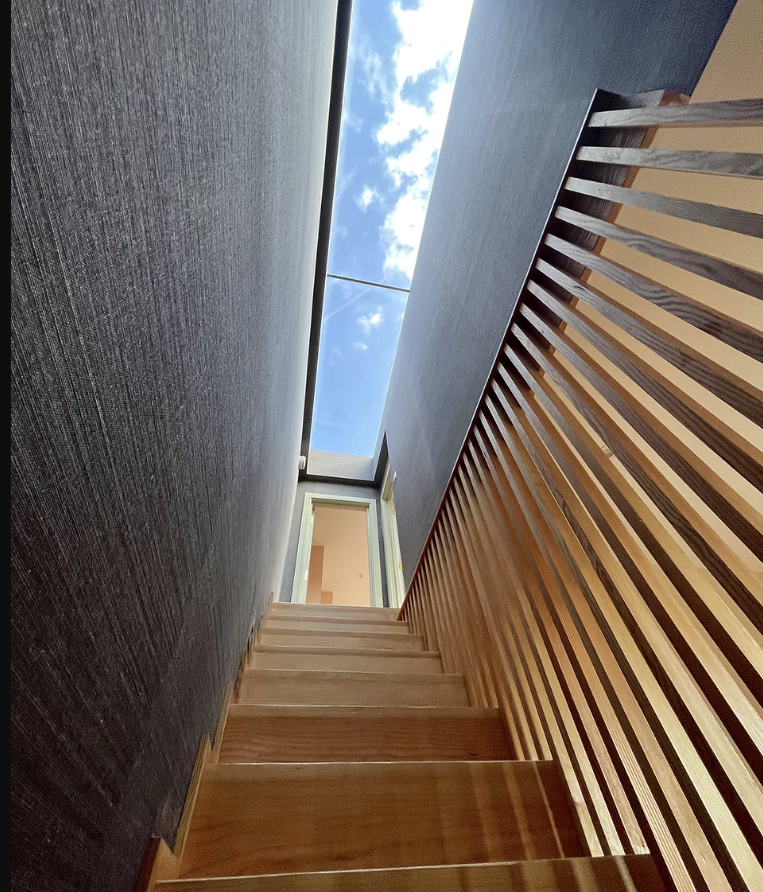
Hallways and Corridors
Transform dark internal spaces with roof glazing, creating welcoming entrance areas and bright circulation spaces.
Living Spaces
Large rooflights or glazed roof sections can transform living rooms and dining areas, creating bright, uplifting spaces perfect for family life.
Cost Considerations
Rooflight costs vary significantly based on size, type, and specifications:
Budget Range (£800-1,500):
- Small fixed flat rooflights
- Basic specifications
- DIY installation possible
Mid Range (£1,500-3,500):
- Larger fixed or opening rooflights
- Better specifications
- Professional installation
Premium Range (£3,500+):
- Large lantern rooflights
- Electric opening systems
- High-performance glazing
- Complex installations
Maintenance
Modern rooflights require minimal maintenance:
Regular Tasks:
- Clean glass periodically (frequency depends on location)
- Check and clear drainage channels
- Inspect seals annually
Occasional Tasks:
- Lubricate opening mechanisms (if applicable)
- Check flashing and weatherproofing
- Inspect for condensation issues
Energy Efficiency
Well-specified roof glazing can be highly energy efficient:
Heat Loss: Modern rooflights achieve U-values comparable to solid roofs (1.0-1.4 W/m²K)
Solar Gain: Can provide passive heating in winter, reducing heating costs
Daylighting: Reduces need for artificial lighting, cutting electricity costs
Ventilation: Opening rooflights provide natural cooling, reducing air conditioning needs
Conclusion
Roof glazing offers unparalleled opportunities to transform your home with natural light. Whether you choose sleek flat rooflights, dramatic lantern skylights, or extensive glazed roofs, the impact on your living space will be profound. With proper specification, installation, and maintenance, roof glazing provides decades of reliable performance while making your home brighter, more attractive, and more valuable.
Explore Our Products
Discover how Shard Architectural Glazing can transform your home with our premium glazing solutions:
Ready to Transform Your Home?
Get in touch with our expert team for a free consultation and personalised quote. We'll help you choose the perfect glazing solution for your property.