

Minimal Frame Glazing: Design, Performance, and UK Regulations
Explore the technical specifications and design considerations of minimal frame sliding doors. Learn about thermal performance, structural requirements, and compliance with UK Building Regulations Part L (2022).

Shard Architectural Glazing
16 January 2026
Explore the technical specifications and design considerations of minimal frame sliding doors. Learn about thermal performance, structural requirements, and compliance with UK Building Regulations Part L (2022).
📋In This Article
Understanding Minimal Frame Glazing Systems for UK Homes
Minimal frame glazing systems, often referred to as 'frameless' or 'slimline' sliding doors, represent a significant trend in contemporary architectural design. They are engineered to maximise natural light penetration and blur the lines between internal and external living spaces. However, achieving this sleek aesthetic requires careful consideration of technical performance, structural integration, and compliance with stringent UK Building Regulations.
What Defines Minimal Frame Glazing?
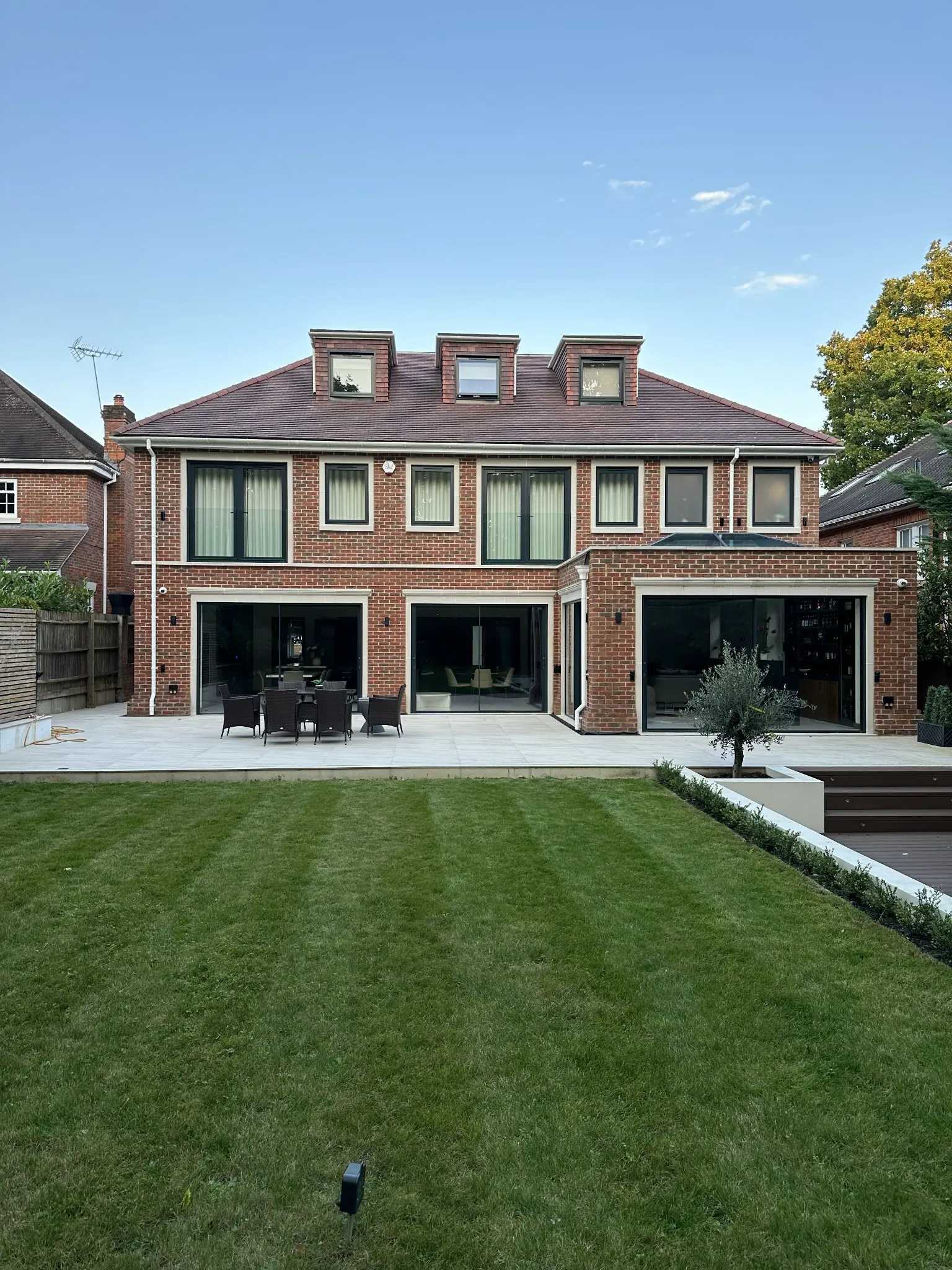
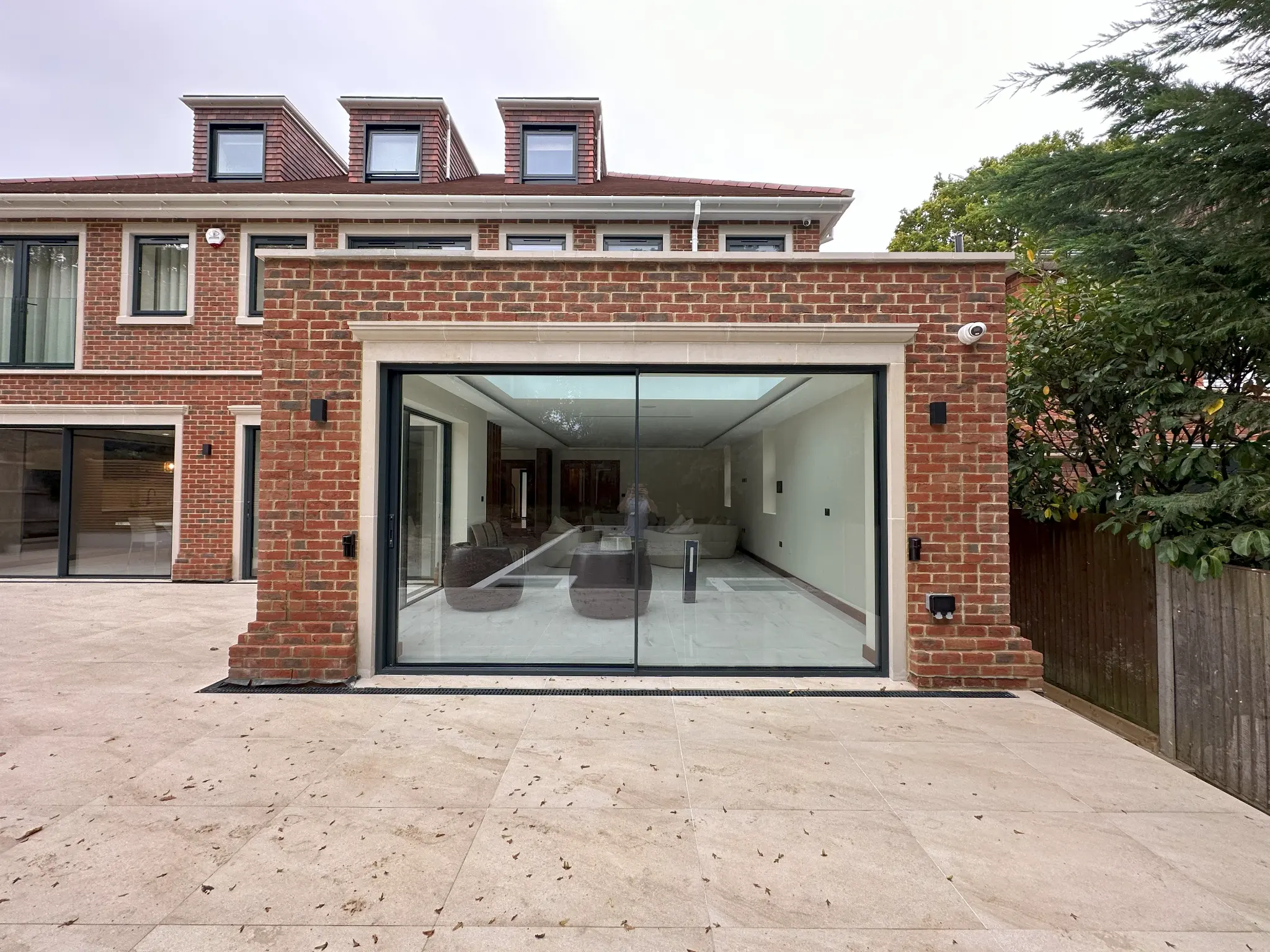
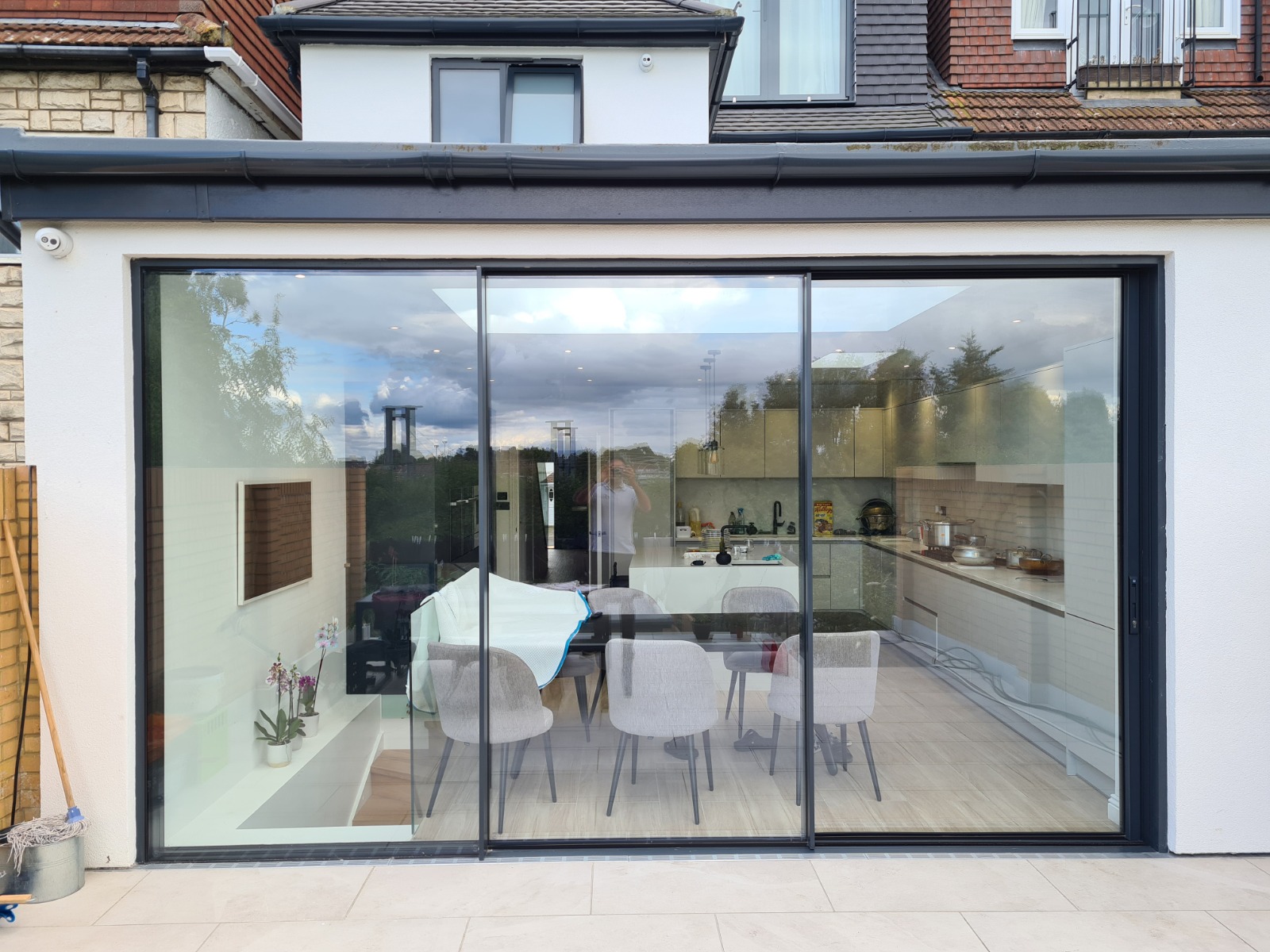
Minimal frame systems are characterised by extremely slender sightlines, often achieved by recessing or concealing the outer frame within the building structure (floors, walls, and ceilings). Unlike traditional patio doors where the frame is visible and often bulky, minimal systems prioritise the glass panel itself.
Key Characteristics of Minimal Systems
- Ultra-Slim Sightlines: Interlocks (where two sliding panels meet) typically range from just 18mm to 30mm, compared to 50mm or more on standard aluminium systems.
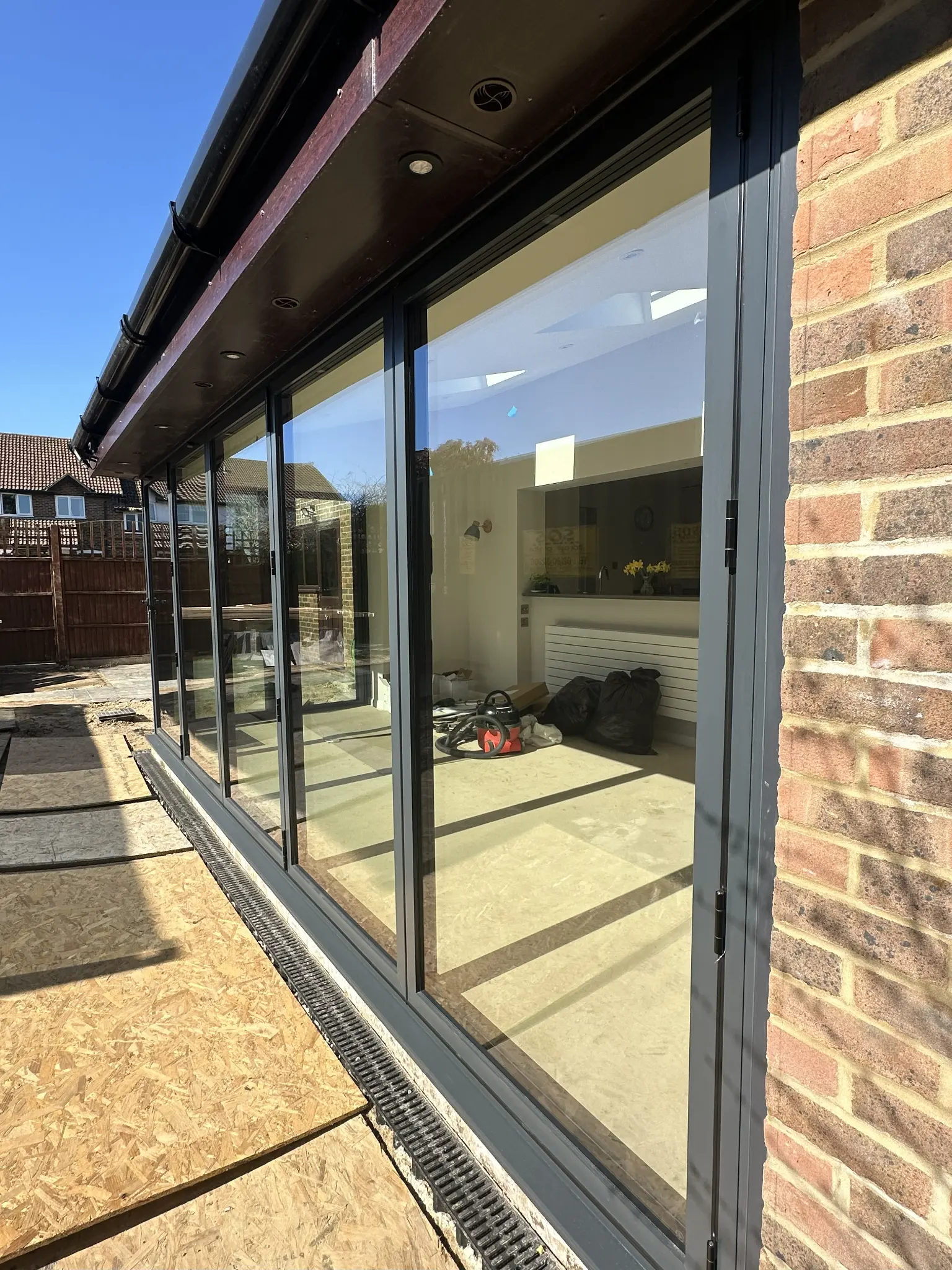
- Recessed Tracks: The bottom track is usually fully integrated into the floor structure, creating a flush threshold for seamless indoor-outdoor transitions.
- Large Panel Sizes: These systems are designed to handle exceptionally large, heavy panes of glass, often exceeding 3 metres in height and width.
- Structural Glazing Integration: The outer frame often relies on the surrounding structure for stability, necessitating precise installation and structural preparation.
Thermal Performance and UK Building Regulations
A common misconception is that large expanses of glass inherently lead to poor thermal efficiency. While glass is less thermally efficient than a solid wall, modern minimal frame systems are engineered to meet strict UK thermal performance requirements.
Compliance with Part L (Conservation of Fuel and Power)
In England, compliance with Part L of the Building Regulations (2022 edition) is mandatory for new buildings and extensions, and highly recommended for replacement installations. This regulation sets minimum standards for the thermal performance of building elements, measured by the U-value (Watts per square metre Kelvin, W/m²K).
For windows and doors, the U-value requirements are:
- New Build Homes and Extensions: The limiting U-value for windows and doors is 1.2 W/m²K.
- Replacement Windows and Doors: The limiting U-value is 1.4 W/m²K.
To achieve these low U-values, minimal frame systems rely heavily on high-specification glazing:
- Low-Emissivity (Low-E) Coatings: Essential for reflecting internal heat back into the room.
- Warm Edge Spacers: Used within the sealed unit to separate the glass panes and minimise thermal bridging around the edges.
- Argon or Krypton Gas Filling: Inert gases placed between the panes to reduce heat transfer via convection.
- Thermally Broken Frames: Although minimal, the aluminium frame elements must incorporate robust polyamide thermal breaks to separate the internal and external faces.
Pro Tip
When selecting a minimal frame system, always request the specific U-value calculation for the entire unit (the 'installed U-value' or Uw), not just the glass centre pane U-value (Ug). The overall Uw is the figure required for Building Control approval and must include the frame performance.
Structural Considerations and Installation
Due to the weight and size of the glass panels, and the requirement for recessed frames, minimal glazing requires significant structural preparation. This is not a standard fitment; it is an integrated architectural element.
Integration and Weight Management
Minimal systems often use double or triple-glazed units that can weigh hundreds of kilograms per panel. The supporting structure must be designed by a structural engineer to handle this concentrated load. Key installation elements include:
- Foundation and Drainage: The recessed track requires careful planning for drainage to prevent water ingress, especially with flush thresholds. A perimeter drainage channel (often a linear drain) is usually essential.
- Load-Bearing Lintels: Large openings require substantial steel lintels or beams (often concealed) to support the structure above the glazing.
- Tolerance and Alignment: Because the frame is concealed, tolerances are extremely tight. The structural opening must be perfectly square and plumb to ensure the heavy panels slide smoothly and seal correctly.
Comparison of Glazing Specifications
The following table illustrates the typical specifications required to meet modern UK thermal standards:
| Specification Element | Requirement for Minimal Frame Systems (UK Part L 2022) | Impact on Performance |
|---|---|---|
| Target U-value (Uw) | 1.2 W/m²K (New Build/Extension) | Ensures energy efficiency and compliance. |
| Glass Configuration | Double Glazed (4mm/16mm/4mm minimum) or Triple Glazed | Reduces conductive heat loss. |
| Cavity Gas Fill | Argon or Krypton | Reduces convective heat transfer. |
| Frame Material | Thermally Broken Aluminium | Essential for maintaining U-value through the frame. |
| Air Permeability | Class 3 or 4 (BS EN 12207) | Crucial for preventing draughts and meeting weather ratings. |
Operational Design and Maintenance
The smooth operation of minimal frame doors is dependent on high-quality running gear, typically comprising heavy-duty stainless steel rollers and tracks. Maintenance and security are also key considerations for homeowners.
Operation and Hardware
Given the weight of the panels, operation often requires sophisticated mechanisms:
- Roller Systems: Rollers must be precision-engineered and rated for the specific panel weight. Some systems use tandem or bogie rollers for even weight distribution.
- Lifting Mechanisms: For very large doors, a 'lift and slide' mechanism may be employed. This mechanism slightly lifts the panel off its seals before sliding, ensuring smooth movement and superior weather sealing when closed.
- Motorisation: Due to the effort required to move extremely heavy panels, motorisation is an increasingly popular option, allowing operation via a wall switch or remote control.
Security and Weather Resistance
Security is paramount, especially with large glass openings. Reputable minimal frame systems should meet or exceed UK security standards, such as:
- PAS 24: This standard certifies that the door has been tested against common methods of forced entry. Always check if the specific system you are considering holds a PAS 24 certification.
- Multi-Point Locking: Concealed locking mechanisms engage at multiple points along the interlock and frame perimeter.
Weather resistance (air, water, and wind tightness) is tested according to European standards (BS EN 12207, 12208, 12210). Because the frames are so slim, the quality of the seals and the precision of the installation are critical to preventing leaks and draughts.
Advantages and Potential Drawbacks
While minimal frame glazing offers unparalleled aesthetic appeal, homeowners must weigh the benefits against the practical complexities.
Unrivalled Aesthetics
Achieves the desired contemporary look with maximum glass area and minimal visual obstruction, enhancing property value and architectural appeal.
Increased Natural Light
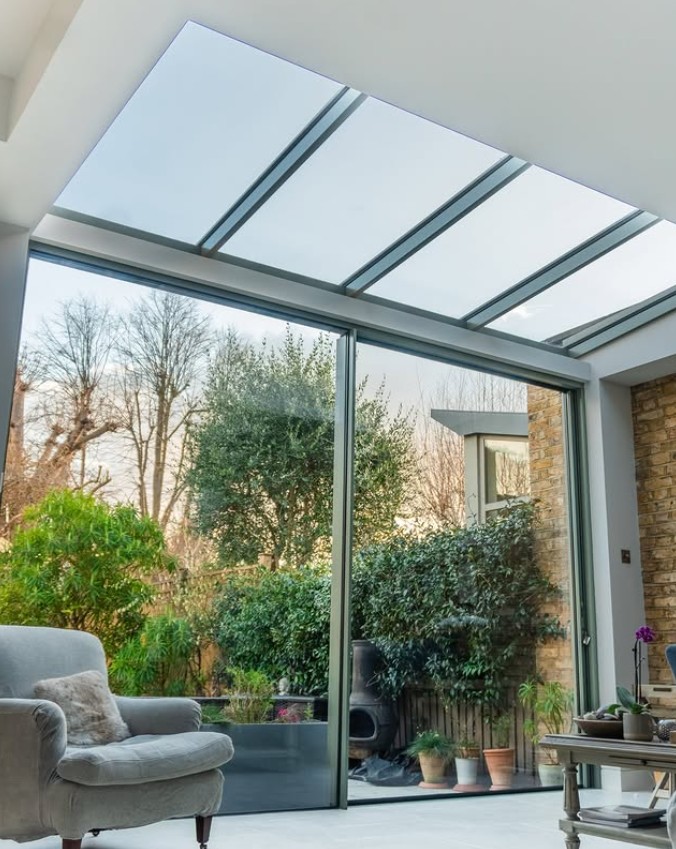
The slim profile allows deep penetration of daylight, reducing the need for artificial lighting and improving the feeling of space.
Exceptional Thermal Performance
When specified correctly with high-performance glass, these systems comfortably meet or exceed UK Part L thermal requirements.
Seamless Transition
Flush threshold options create a continuous floor level between inside and outside, ideal for accessibility and modern living.
Potential Drawbacks and Considerations
- Cost: Minimal frame systems are significantly more expensive than standard patio or bi-fold doors due to the precision engineering, specialist hardware, and complexity of installation.
- Installation Complexity: Requires highly skilled installers and detailed coordination with structural engineers, builders, and drainage specialists. Retrofitting into existing openings is often challenging.
- Weight: The large, heavy panels require careful handling, robust supporting structures, and potentially specialised lifting equipment during installation.
- Condensation Risk: While the glass itself is thermally efficient, large glass surfaces can still be prone to internal condensation in high-humidity environments, especially near the perimeter of the sealed unit. Proper ventilation is essential.
Choosing the Right System and Supplier
Selecting a minimal frame system is a long-term investment that should not be based solely on the slimmest sightline. Performance, certification, and installer expertise are far more important.
When speaking to suppliers, ensure they can provide:
- Certified U-values (Uw): Proof that the entire installed unit meets Part L requirements.
- Weather Test Data: Evidence of high ratings for air permeability, water tightness, and wind load resistance.
- Security Certification: Ideally PAS 24 or equivalent European standards.
- Installation Expertise: Confirmation that their installation teams are experienced specifically with the chosen minimal frame system, as standard glazing installers may lack the necessary precision skills.
For UK homeowners seeking to integrate these advanced systems, consulting with an architectural glazing specialist early in the design process is crucial. They can advise on the necessary structural modifications and ensure the chosen system meets both your aesthetic goals and all necessary regulatory standards.
***
If you are planning a new build or extension project in the UK and require expert guidance on high-performance minimal frame glazing systems, Shard Architectural Glazing (Shard AG) offers comprehensive design, specification, and installation services. We specialise in integrating technically demanding glazing solutions that comply fully with current UK Building Regulations, ensuring both stunning aesthetics and superior thermal efficiency.
Explore Our Products
Discover how Shard Architectural Glazing can transform your home with our premium glazing solutions:
Ready to Transform Your Home?
Get in touch with our expert team for a free consultation and personalised quote. We'll help you choose the perfect glazing solution for your property.