

Minimal Frame Glazing: Maximising Views & Energy Efficiency
Explore minimal frame glazing for UK homes. Understand its benefits, technical aspects, Building Regulations compliance, and practical considerations for stunning, efficient spaces.

Shard Architectural Glazing
26 February 2026
Explore minimal frame glazing for UK homes. Understand its benefits, technical aspects, Building Regulations compliance, and practical considerations for stunning, efficient spaces.
📋In This Article
In contemporary architectural design, the pursuit of light, space, and an uninterrupted connection with the outdoors has led to significant innovations in glazing technology. Among these, minimal frame glazing stands out as a sophisticated solution, offering homeowners the opportunity to transform their living spaces with expansive glass panels and barely-there frames. This guide delves into the world of minimal frame systems, exploring their benefits, technical specifications, and crucial considerations for UK homeowners.
What is Minimal Frame Glazing?
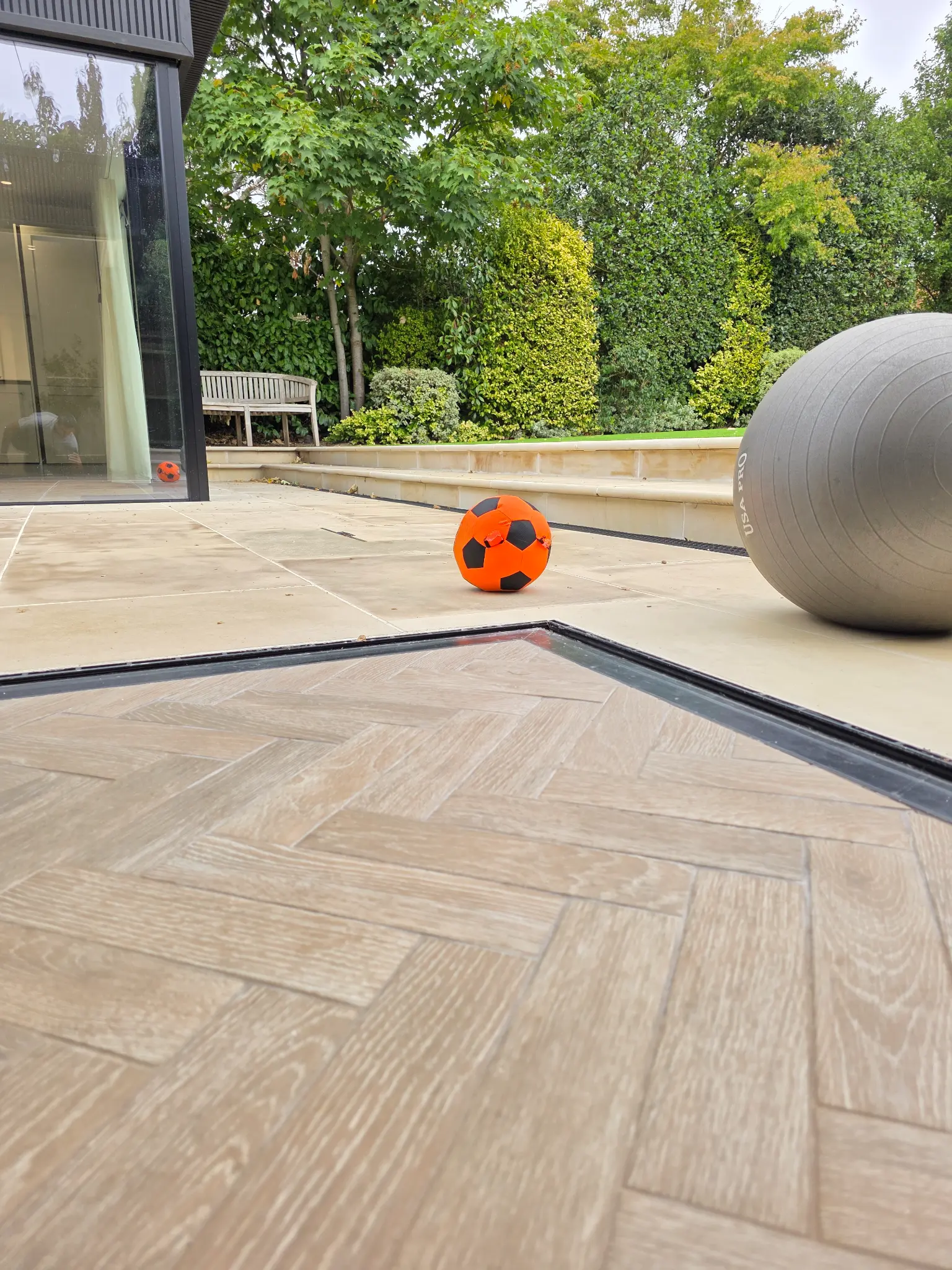
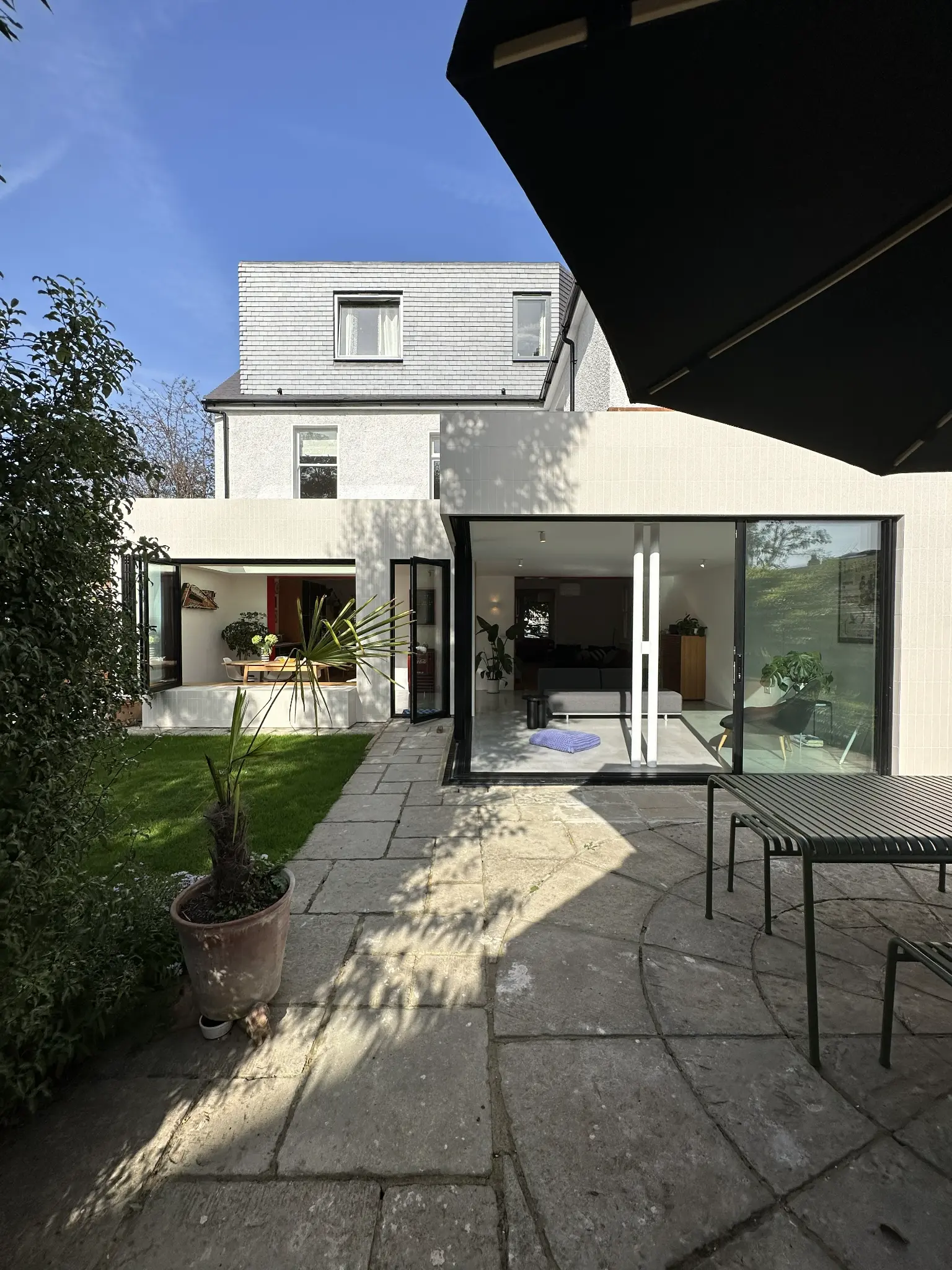
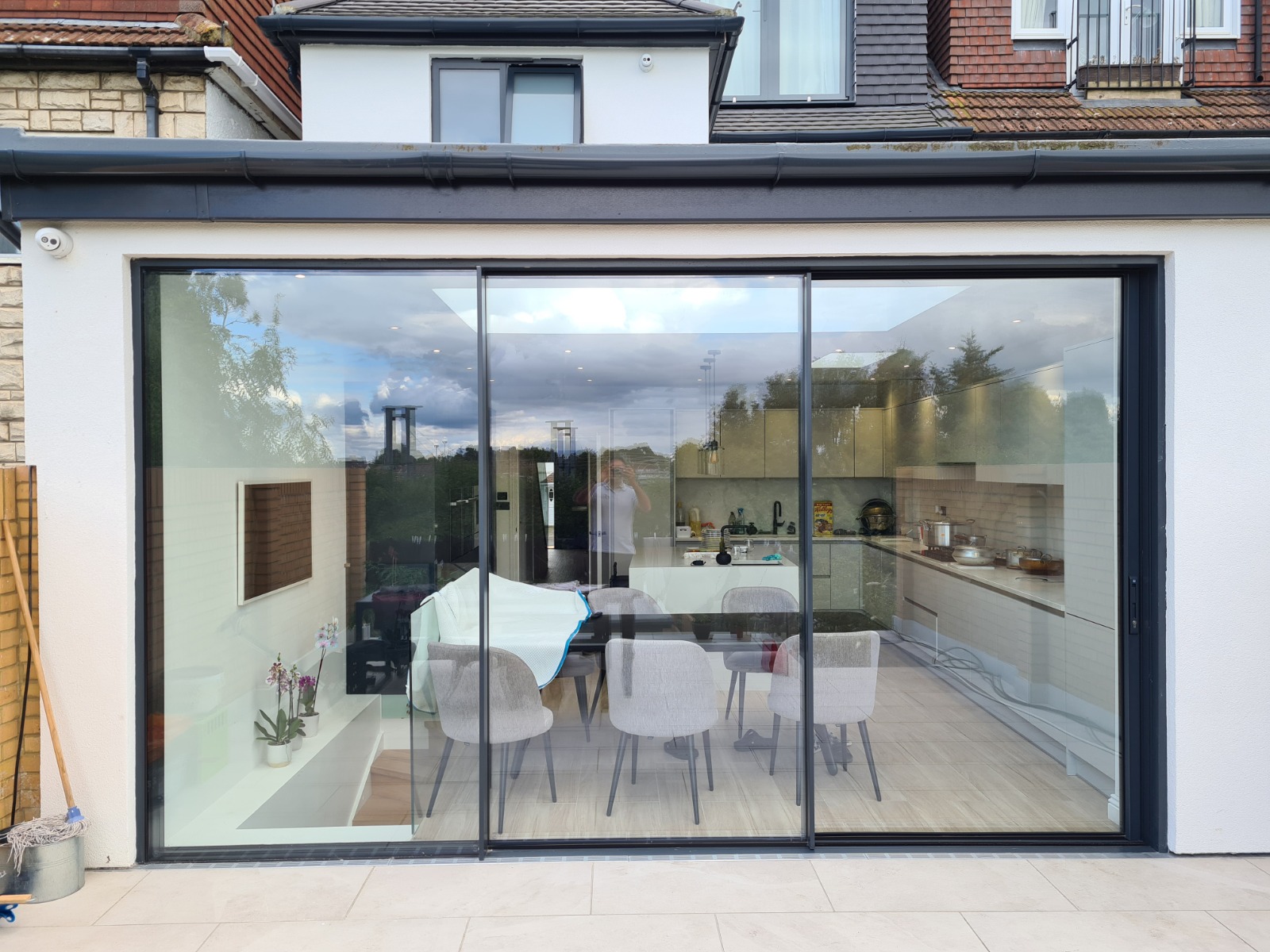
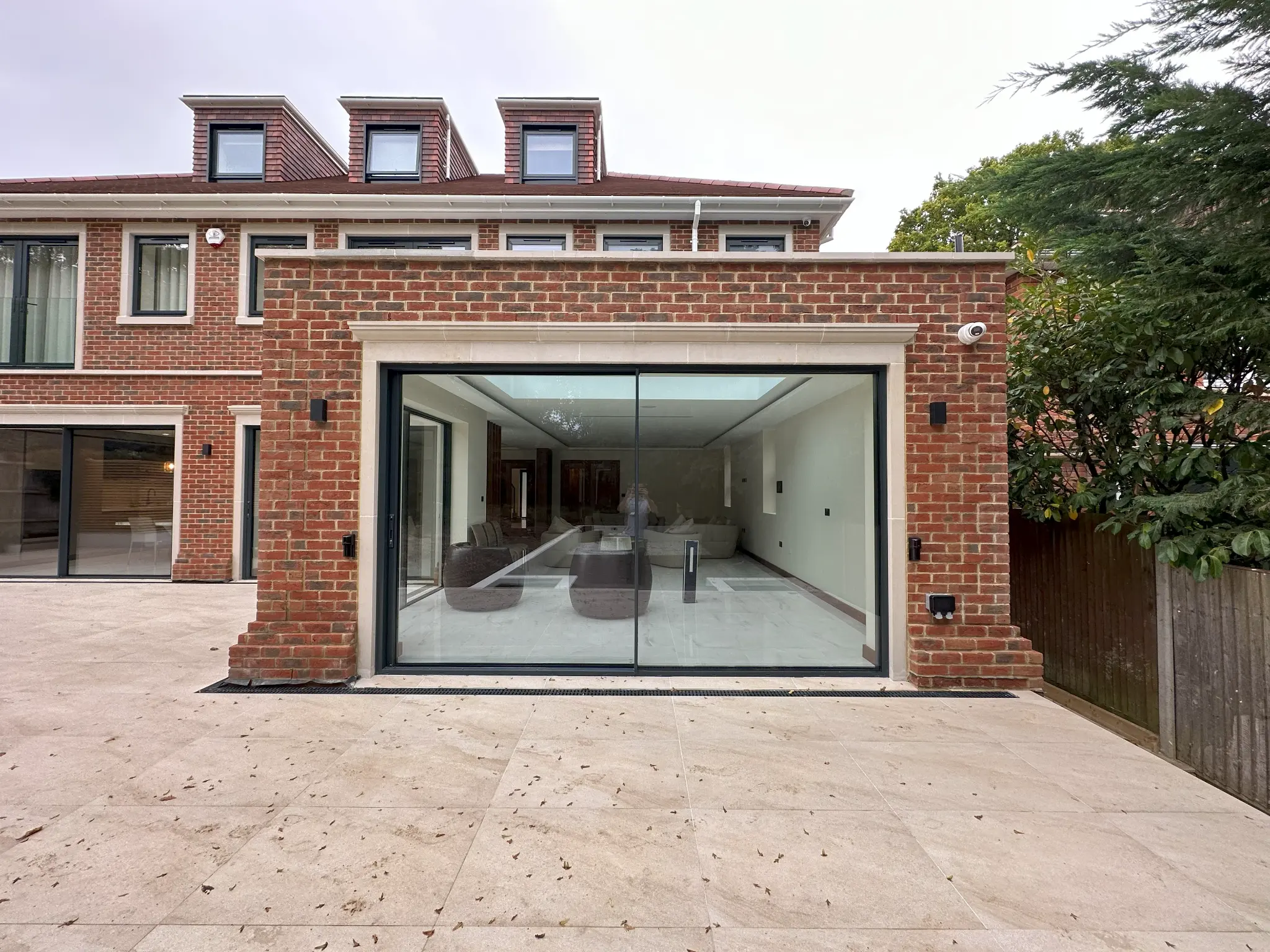
Minimal frame glazing, often referred to as slimline or frameless glazing, is an architectural system designed to maximise the visible glass area by significantly reducing the thickness and visibility of the frame elements. Unlike traditional window and door systems where frames are a prominent feature, minimal frame systems employ slender, often concealed, profiles. This design philosophy aims to create a seamless transition between indoor and outdoor environments, enhancing natural light ingress and offering panoramic views.
These systems typically feature ultra-slim aluminium profiles, which are inherently strong, allowing for large expanses of glass. The frames can be recessed into walls, floors, and ceilings, further minimising their visual impact. While often associated with modern, high-end properties, the aesthetic and functional benefits of minimal frame glazing are increasingly appealing to a broader range of renovation and new-build projects across the UK.
Benefits of Minimal Frame Systems for UK Homes
The appeal of minimal frame glazing extends beyond its striking aesthetics, offering a multitude of practical advantages for homeowners.
Enhanced Natural Light
By reducing frame obstruction, these systems allow a greater volume of natural light to penetrate interior spaces. This not only makes rooms feel brighter and more spacious but can also reduce the reliance on artificial lighting during daylight hours, contributing to energy savings.
Uninterrupted Views
The primary aesthetic advantage is the creation of panoramic, unobstructed views. Whether overlooking a garden, cityscape, or natural landscape, minimal frames ensure that the external environment becomes an integral part of the interior design, blurring the lines between inside and out.
Modern Aesthetic Appeal
Minimal frame glazing lends a sleek, contemporary, and sophisticated look to any property. It complements various architectural styles, from ultra-modern new builds to sensitively renovated period homes, adding significant kerb appeal and perceived value.
Improved Energy Efficiency
Despite their expansive glass areas, modern minimal frame systems are engineered for excellent thermal performance. When combined with high-performance double or triple glazing, they can achieve impressive U-values, helping to maintain comfortable indoor temperatures and reduce heating costs.
Pro Tip
When planning for minimal frame glazing, consider the orientation of your property. South-facing glass can maximise solar gain in winter but may require shading solutions in summer to prevent overheating. North-facing glass benefits from consistent, diffused light without excessive heat gain.
Technical Specifications and Performance
Understanding the technical aspects of minimal frame glazing is crucial for making informed decisions. Key areas include U-values, glass specifications, and structural considerations.
U-Values and Thermal Performance
The U-value (or thermal transmittance) measures how effectively a building element, such as a window or door, prevents heat from escaping. A lower U-value indicates better insulation. For minimal frame systems, achieving excellent U-values is paramount, especially given the large glass areas.
- Glass Specification: The choice of glass is critical. Standard double glazing typically consists of two panes of glass separated by a sealed cavity filled with an inert gas like argon. For enhanced performance, low-emissivity (low-e) coatings reflect heat back into the room, while warm edge spacer bars (e.g., made from composite materials rather than aluminium) reduce thermal bridging at the glass edge.
- Triple Glazing: For superior thermal performance, especially in exposed locations or for very large panels, triple glazing is an excellent option. This involves three panes of glass with two gas-filled cavities, significantly lowering the U-value.
- Frame Material: While frames are minimal, the material and its thermal break design are important. High-quality aluminium frames incorporate multi-chambered thermal breaks, which are non-conductive barriers that separate the inner and outer parts of the frame, preventing heat transfer.
UK Building Regulations Part L (Conservation of Fuel and Power) 2022 sets stringent standards for the thermal performance of building elements. For new builds, windows and doors must achieve a U-value of 1.2 W/m²K or better. For replacement windows and doors, the requirement is 1.4 W/m²K. Reputable minimal frame systems are designed to meet or exceed these standards, often achieving U-values as low as 0.8 W/m²K with triple glazing.
Here's a comparison of typical U-values:
| Component | Typical U-value (W/m²K) | UK Building Regs Part L (2022) |
|---|---|---|
| Standard Double Glazing | 1.4 - 1.6 | N/A (depends on application) |
| High-Performance Double Glazing (low-e, argon) | 1.0 - 1.2 | 1.2 (new build), 1.4 (replacement) |
| Triple Glazing (low-e, argon/krypton) | 0.6 - 0.8 | 1.2 (new build), 1.4 (replacement) |
| Minimal Frame System (Double Glazed) | 1.0 - 1.2 | 1.2 (new build), 1.4 (replacement) |
| Minimal Frame System (Triple Glazed) | 0.7 - 0.9 | 1.2 (new build), 1.4 (replacement) |
Structural Considerations
The sheer size and weight of large glass panels in minimal frame systems necessitate robust structural support. This often involves:
- Reinforced Openings: Walls and lintels around the glazing opening may require additional steelwork or reinforced concrete to bear the significant weight.
- Floor Loading: For sliding systems, the floor structure beneath the tracks must be capable of supporting the weight of the glass panels and the operating mechanism.
- Wind Loading: Large glass panels are susceptible to wind pressure. The glass thickness and specification must be carefully calculated based on the building's location, height, and exposure to ensure structural integrity.
Compliance with UK Building Regulations
Any significant alteration to your home, including the installation of new windows and doors, falls under the scope of UK Building Regulations. Compliance is not optional; it's a legal requirement to ensure safety, energy efficiency, and structural soundness.
Part L (Conservation of Fuel and Power)
As mentioned, Part L is crucial for thermal performance. Your minimal frame system must achieve the specified U-values. For new extensions, the entire extension must meet the 'fabric first' approach, with specific U-value targets:
- Walls: 0.18 W/m²K
- Floors: 0.18 W/m²K
- Roofs: 0.15 W/m²K
- Windows/Doors: 1.2 W/m²K (new build), 1.4 W/m²K (replacement)
If your glazing area exceeds 25% of the new extension's floor area, you will likely need to demonstrate compliance through a 'whole dwelling' or 'whole extension' calculation, proving that the overall thermal performance is equivalent to or better than a standard extension. This often means compensating for the large glazed area by improving insulation elsewhere in the extension beyond the minimum requirements.
Part B (Fire Safety)
For certain applications, particularly in multi-storey buildings or near boundaries, fire safety regulations may apply. This could involve requirements for fire-rated glazing or specific escape routes.
Part K (Protection from Falling, Collision and Impact)
Large glass panels must be made from safety glass (e.g., toughened or laminated) in critical locations where there is a risk of human impact, such as low-level glazing or doors. This prevents serious injury in case of breakage.
Part F (Ventilation)
New windows and doors typically require trickle vents to ensure adequate background ventilation, even when closed. While some minimal frame systems can integrate discreet trickle vents, others may require alternative ventilation strategies to comply with Part F.
It is always advisable to consult with your local Building Control body or a qualified architect/designer early in your project to ensure full compliance with all relevant regulations.
Practical Considerations and Potential Drawbacks
While minimal frame glazing offers many advantages, it's important to be aware of the practicalities and potential challenges.
Cost
Minimal frame systems are generally a premium product. The advanced engineering, high-quality materials, and specialised installation techniques contribute to a higher initial cost compared to standard glazing systems. Homeowners should budget accordingly and consider the long-term value added to their property.
Installation Complexity
Due to their size, weight, and precision engineering, minimal frame systems require specialist installation. This often involves heavy lifting equipment, meticulous levelling, and expert sealing to ensure optimal performance and weather tightness. Choosing an experienced installer is paramount.
Maintenance and Cleaning
Large expanses of glass will naturally show dirt and smudges more readily than smaller windows. Regular cleaning is necessary to maintain the pristine, clear views. Consider accessibility for cleaning, especially for very tall or wide panels.
Security
Modern minimal frame systems incorporate multi-point locking mechanisms and high-security glass to provide excellent protection. However, it's crucial to ensure your chosen system meets or exceeds industry security standards like PAS 24 (Publicly Available Specification for enhanced security performance requirements for doors and windows).
Condensation
While high-performance glazing significantly reduces the risk of internal condensation, it's not entirely eliminated, especially in rooms with high humidity. Proper ventilation (as per Part F) is key to managing indoor moisture levels.
Solar Gain and Shading
Large glazed areas, particularly on south or west-facing elevations, can lead to excessive solar gain in summer, causing overheating. Incorporating external shading solutions (e.g., overhangs, brise soleil, external blinds) or using solar control glass can mitigate this issue.
Choosing the Right Minimal Frame System
Selecting the ideal minimal frame glazing for your home involves several decisions:
- Sliding vs. Fixed: Minimal frame systems are available as fixed panels, sliding doors (often multi-panel and pocket sliding options), or pivot doors. Your choice will depend on your desired opening functionality and space.
- Frame Material: While aluminium is dominant due to its strength and slim profile capabilities, some systems may incorporate timber internally for a warmer aesthetic, or composite materials.
- Glass Specification: Decide between double or triple glazing, considering U-value requirements, acoustic performance (if near a noisy road), and solar control needs.
- Acoustic Performance: If noise reduction is a priority, specify laminated glass or glass with different thicknesses for improved sound insulation.
- Integration: Consider how the system will integrate with your existing or planned architecture. Will frames be fully concealed? How will thresholds be managed for a flush transition?
Minimal frame glazing represents a significant investment and a transformative design choice. By carefully considering the technical aspects, regulatory requirements, and practical implications, UK homeowners can achieve stunning, energy-efficient, and structurally sound glazed features that truly enhance their living environment.
At Shard AG, we specialise in providing bespoke minimal frame glazing solutions tailored to the unique requirements of UK homes. Our expert team works closely with architects, builders, and homeowners to design, supply, and install high-performance systems that combine breathtaking aesthetics with industry-leading thermal efficiency and security. Contact us today to discuss how minimal frame glazing can redefine your space.
Explore Our Products
Discover how Shard Architectural Glazing can transform your home with our premium glazing solutions:
Ready to Transform Your Home?
Get in touch with our expert team for a free consultation and personalised quote. We'll help you choose the perfect glazing solution for your property.