

Minimal Frame Glazing: Maximising Views & Light in UK Homes
Explore minimal frame glazing for UK homes. Understand its benefits, technical aspects, Building Regulations compliance, and practical considerations for stunning, light-filled spaces.

Shard Architectural Glazing
11 January 2026
Explore minimal frame glazing for UK homes. Understand its benefits, technical aspects, Building Regulations compliance, and practical considerations for stunning, light-filled spaces.
📋In This Article
In modern architectural design, the quest for seamless integration between indoor and outdoor spaces has led to significant advancements in glazing technology. Among these, minimal frame glazing has emerged as a highly sought-after solution for UK homeowners looking to maximise natural light, enhance views, and achieve a sleek, contemporary aesthetic. This comprehensive guide will delve into the world of minimal frame systems, exploring their technical specifications, benefits, potential considerations, and how they align with UK building standards.
What is Minimal Frame Glazing?
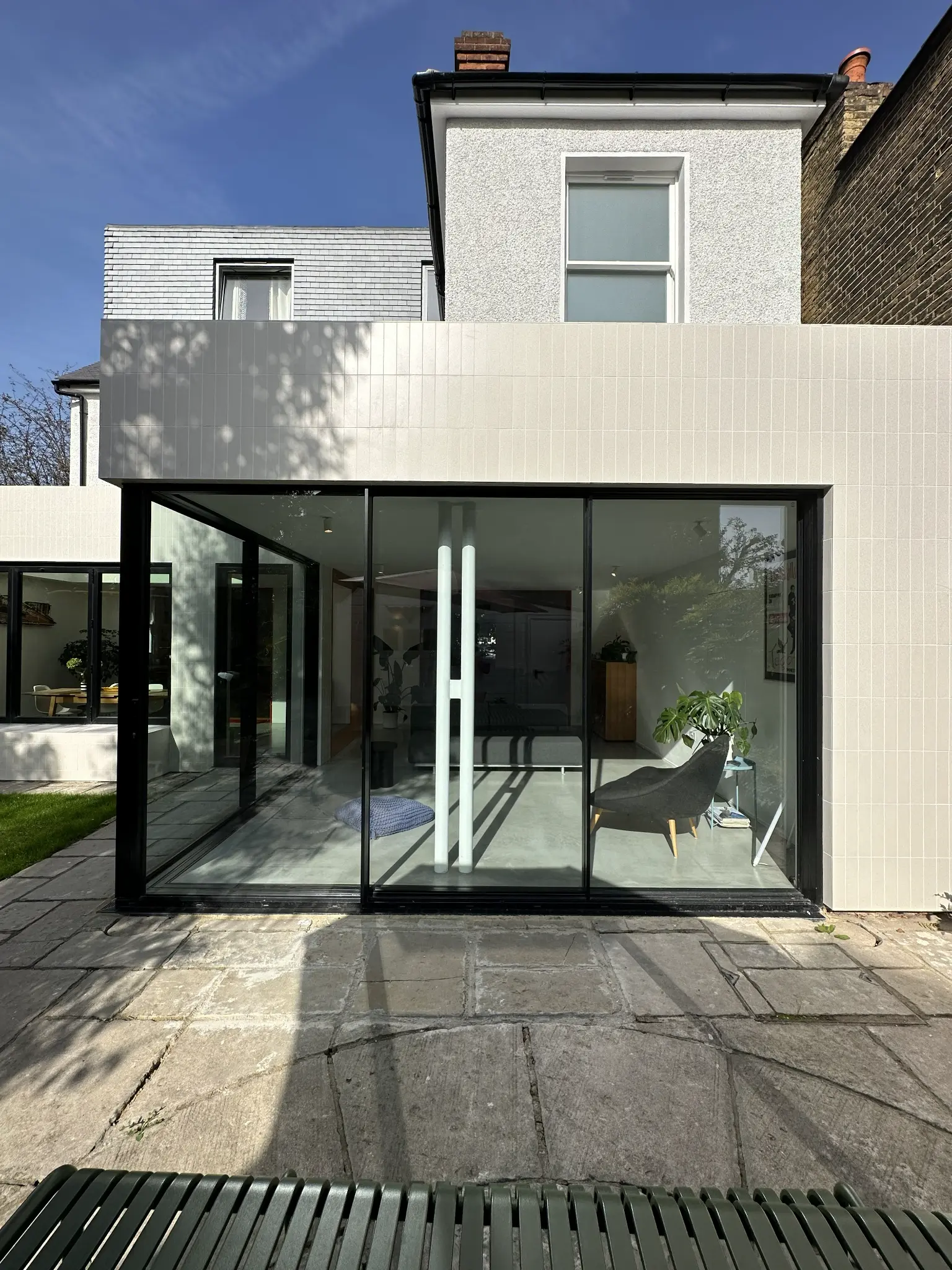
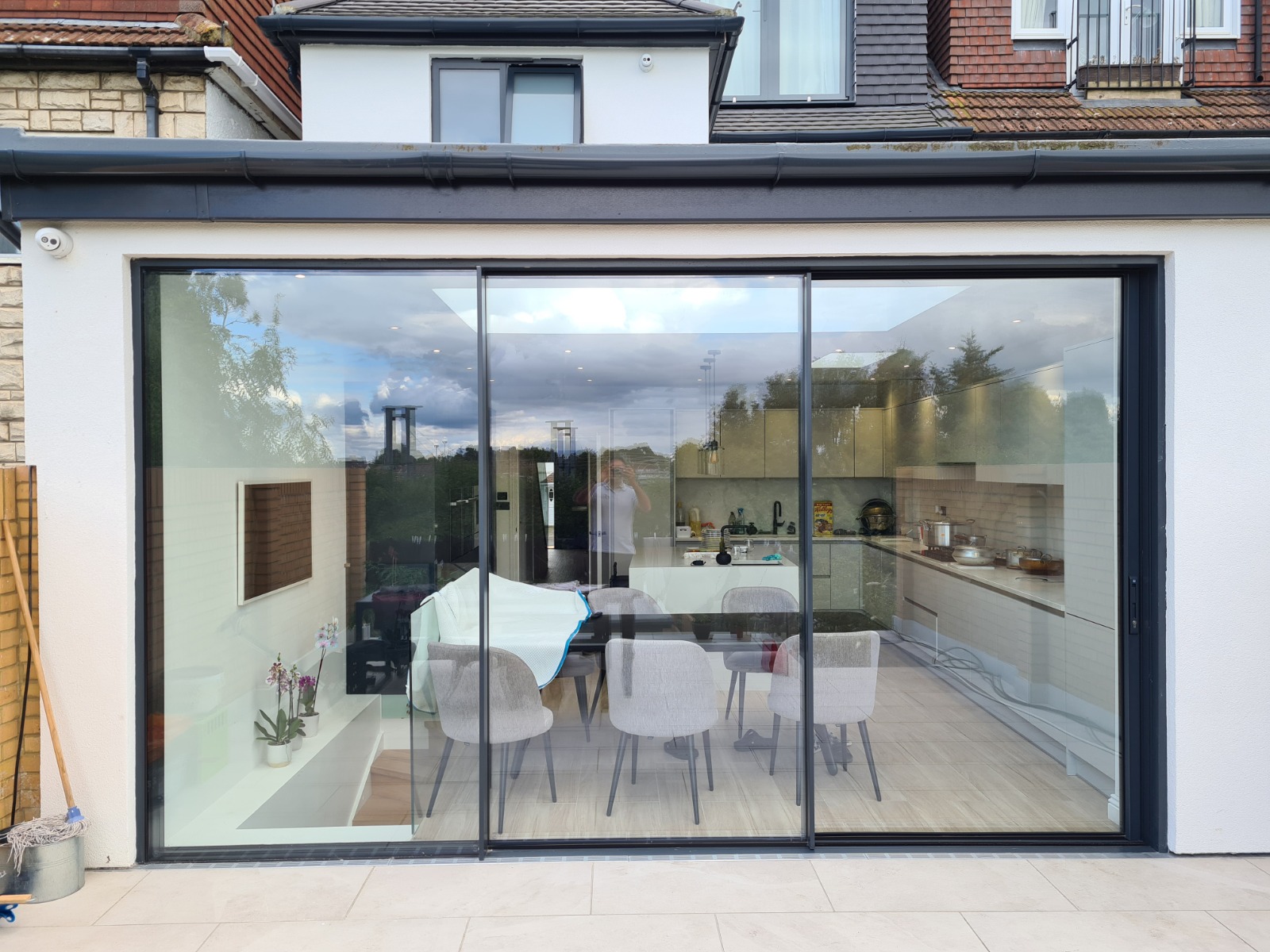
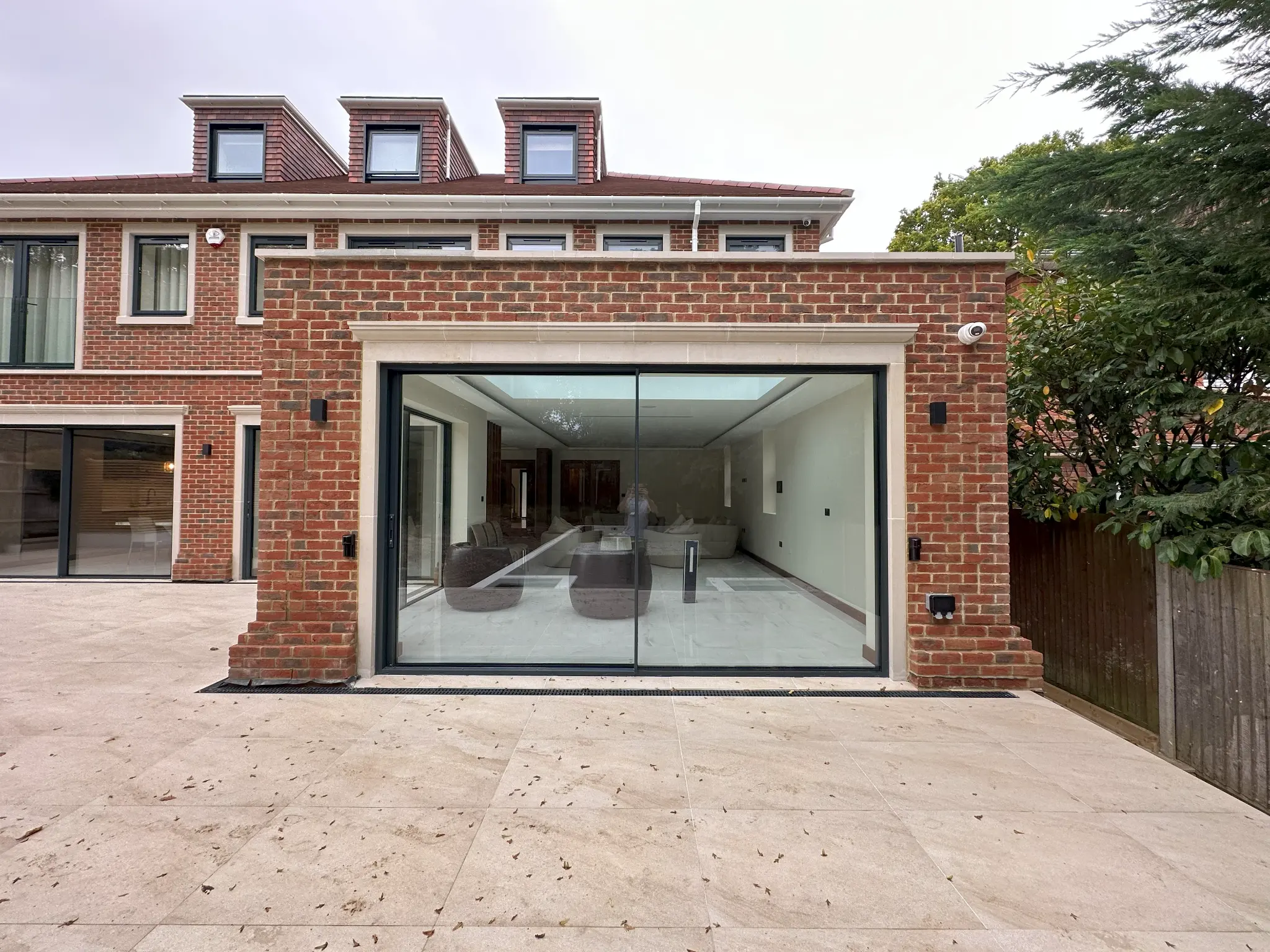
Minimal frame glazing, often referred to as slimline, frameless, or ultra-slim glazing, is characterised by its exceptionally narrow sightlines. Unlike traditional window and door systems where the frame is a prominent visual element, minimal frame systems are engineered to conceal as much of the frame as possible within the building structure or to reduce its visible profile to just a few millimetres. The primary objective is to create an uninterrupted expanse of glass, allowing for expansive views and an abundance of natural light.
Key Characteristics:
- Ultra-Slim Sightlines: Visible frame widths can be as narrow as 15-25mm for sliding systems, and even less for fixed panels, creating a 'wall of glass' effect.
- Large Pane Sizes: Capable of accommodating significantly larger glass panels than conventional systems, often reaching several metres in height and width.
- Concealed Mechanisms: Tracks, rollers, and locking mechanisms are frequently hidden within floors, walls, and ceilings to maintain the minimalist aesthetic.
- High Performance Glass: Typically features advanced double or triple glazing units to ensure excellent thermal efficiency and acoustic performance.
Benefits of Minimal Frame Systems for UK Homes
The appeal of minimal frame glazing extends beyond its aesthetic value, offering a range of practical and environmental advantages for homeowners.
Enhanced Natural Light
By reducing the visible frame, more glass area is exposed, allowing a greater volume of natural light to flood interior spaces. This can reduce reliance on artificial lighting, improve mood, and create a brighter, more inviting atmosphere.
Uninterrupted Views
The slim sightlines create a near-seamless connection with the outdoors, transforming walls into transparent canvases that frame your garden, landscape, or city skyline. This is particularly valuable for properties with desirable vistas.
Modern Aesthetic & Value
Minimal frame glazing instantly elevates the architectural appeal of a property, lending it a contemporary, high-end finish. This can significantly enhance the property's market value and desirability.
Improved Thermal Performance
Despite their large glass areas, modern minimal frame systems utilise high-performance glazing units, often with low-emissivity (low-e) coatings and inert gas infills (like argon), to achieve excellent thermal efficiency, helping to keep homes warm in winter and cool in summer.
Technical Considerations and UK Building Regulations
While minimal frame glazing offers numerous advantages, its successful implementation requires careful consideration of several technical aspects and strict adherence to UK Building Regulations.
Thermal Performance (Part L)
One of the most critical aspects for any glazing in the UK is its thermal performance, governed by Part L (Conservation of Fuel and Power) of the Building Regulations. This regulation sets maximum U-values (a measure of heat loss) for different building elements.
- New Builds: For new dwellings, windows and doors (including minimal frame systems) must achieve a U-value of 1.2 W/m²K or better.
- Existing Dwellings (Replacements/Extensions): For replacement windows and doors, or those installed in extensions, the requirement is 1.4 W/m²K or better.
Achieving these low U-values with large expanses of glass requires advanced glazing specifications, typically involving double or triple glazing with warm edge spacer bars, low-emissivity coatings, and inert gas infills (e.g., argon or krypton). Reputable minimal frame manufacturers will provide U-value calculations for their systems, including the frame and glass, to ensure compliance.
Pro Tip
Always request a U-value calculation for the specific minimal frame system you are considering, not just the glass unit. The overall system U-value (Uw) is what matters for Building Regulations compliance. Ensure it meets or exceeds the current Part L requirements for your project type.
Structural Integrity and Wind Loading
Large glass panels are subject to significant wind loads. Minimal frame systems must be engineered to withstand these forces without compromising safety or performance. This involves:
- Glass Specification: Often requires toughened or laminated safety glass, sometimes with specific thicknesses or heat strengthening, to meet British Standards (e.g., BS EN 12150 for toughened glass).
- Frame Design: Although minimal, the hidden frame components must be robust, typically made from high-strength aluminium, sometimes reinforced with steel, to support the weight of the glass and resist deflection.
- Professional Engineering: For very large or exposed installations, a structural engineer may need to assess the design and provide calculations to ensure adequate support and safety.
Security (Part Q)
Part Q (Security – Dwellings) of the Building Regulations applies to new dwellings and extensions, requiring easily accessible windows and doors to be secure. While not universally applicable to all replacement projects, it's good practice to adhere to its principles.
- Minimal frame systems should incorporate multi-point locking mechanisms, secure hinges (for opening sections), and robust cylinder locks.
- Compliance with PAS 24:2016 (Enhanced security performance requirements for doorsets and window-sets) is often a benchmark for security.
Ventilation (Part F)
Adequate ventilation is crucial for indoor air quality. If minimal frame systems are used in rooms requiring background ventilation (e.g., habitable rooms), trickle vents or other mechanical ventilation solutions may be necessary to comply with Part F of the Building Regulations. Some minimal frame systems can integrate discreet trickle vents within their head sections.
Drainage and Weatherproofing
Given the large glass areas and concealed frames, effective drainage and weatherproofing are paramount to prevent water ingress. High-quality systems feature multi-chambered profiles, integrated drainage channels, and robust seals to ensure watertight performance, even in exposed UK weather conditions.
Types of Minimal Frame Systems
Minimal frame technology is available in various configurations to suit different architectural needs:
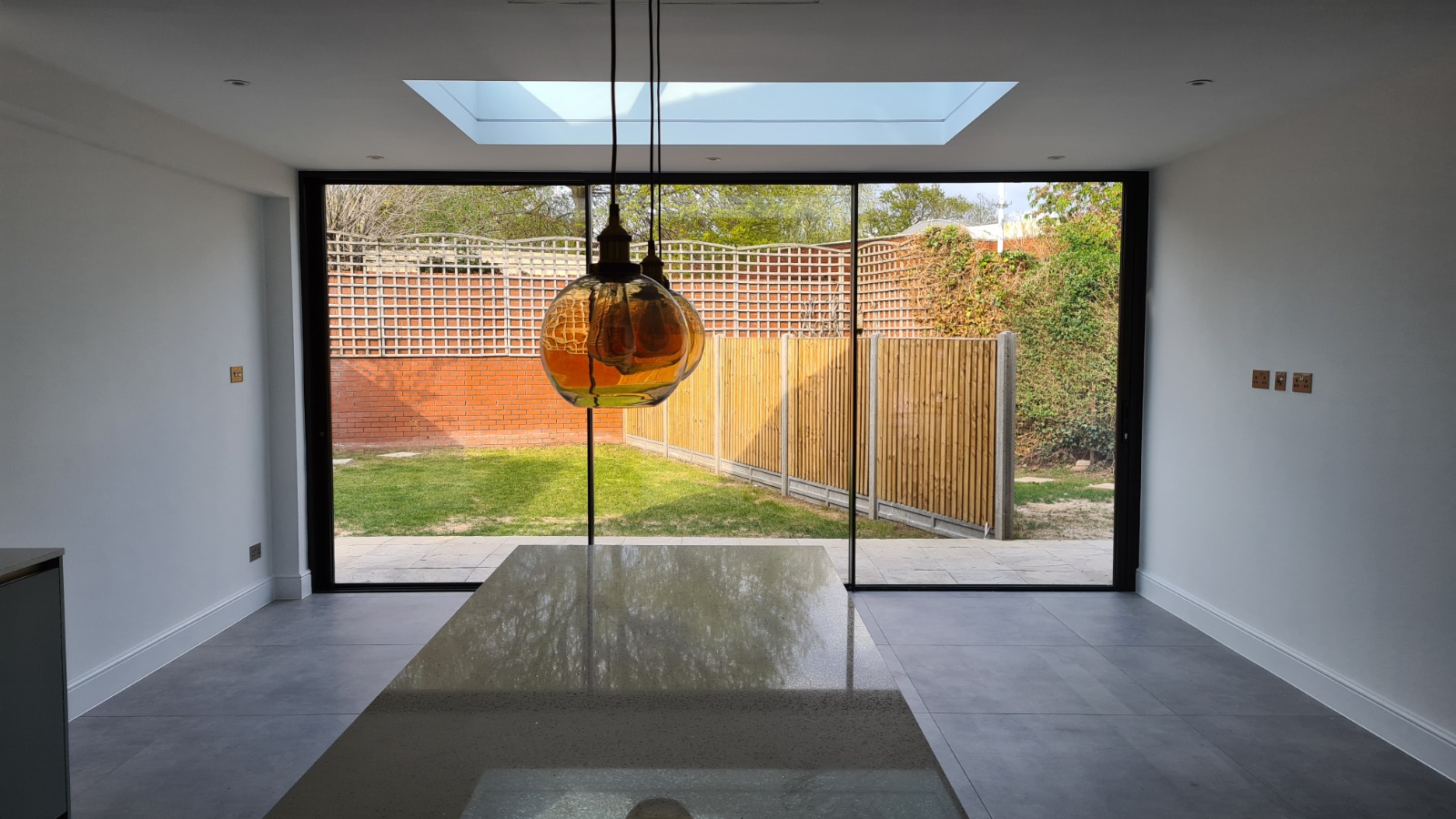
- Minimal Frame Sliding Doors: The most common application, allowing large panels to slide effortlessly, often disappearing into wall cavities (pocket doors) or stacking neatly.
- Minimal Frame Fixed Glazing: Used for static glass walls, providing maximum light and views without any opening function.
- Minimal Frame Pivot Doors: Large single doors that pivot on a central or offset axis, creating a dramatic entrance.
- Minimal Frame Bi-Fold Doors: While less common for 'true' minimal frame due to the inherent frame requirements of folding panels, some manufacturers offer slimline bi-fold options.
Installation and Maintenance
The successful performance and longevity of minimal frame glazing heavily rely on expert installation. Due to their bespoke nature, large panel sizes, and concealed components, these systems require specialist handling and fitting. It is crucial to engage experienced installers who are familiar with the specific product being used.
Key Installation Considerations:
- Structural Preparation: The building structure must be adequately prepared to receive and support the heavy glass panels and concealed frames.
- Precision: Installation requires extreme precision to ensure smooth operation, weatherproofing, and alignment.
- Integration: Seamless integration with surrounding finishes (flooring, plasterwork) is essential to achieve the desired minimalist aesthetic.
Maintenance:
Minimal frame systems are generally low maintenance. Regular cleaning of the glass and periodic inspection of moving parts (if applicable) and seals are usually sufficient. Lubrication of tracks and rollers may be required for sliding systems as per the manufacturer's guidelines.
Cost Considerations
It's important to be realistic about the investment required for minimal frame glazing. Due to the bespoke design, high-performance materials, advanced engineering, and specialist installation, these systems typically come at a higher price point than conventional windows and doors.
Factors influencing cost include:
- Size and number of panels
- Glass specification (double, triple, low-e coatings, solar control)
- Frame material and finish
- Complexity of the system (e.g., pocket sliding doors)
- Installation challenges
While the initial outlay may be significant, the long-term benefits in terms of aesthetics, natural light, thermal performance, and property value often justify the investment for many homeowners.
Comparison: Minimal vs. Standard Glazing
To provide a clearer picture, here's a comparison of typical characteristics:
| Feature | Minimal Frame Glazing | Standard Glazing (e.g., uPVC/Aluminium) |
|---|---|---|
| Visible Sightlines | 15-30mm (sliding), 0-10mm (fixed) | 50-100mm+ |
| Max. Panel Size | Up to 6m high x 3m wide (system dependent) | Typically up to 2.5m high x 1.5m wide |
| Aesthetic | Ultra-modern, seamless, 'wall of glass' | Traditional to contemporary, defined frames |
| Thermal Performance (Uw) | Excellent (often 1.0-1.4 W/m²K) | Good (typically 1.2-1.6 W/m²K) |
| Cost | High-end investment | Mid-range to high-range |
| Installation | Specialist, precision-intensive | Standard, widely available |
Conclusion
Minimal frame glazing offers a compelling solution for UK homeowners seeking to create stunning, light-filled spaces with uninterrupted views. While the investment and technical considerations are greater than with traditional systems, the aesthetic impact and long-term benefits can be transformative. By understanding the technical requirements, especially concerning UK Building Regulations Part L, and engaging with reputable suppliers and installers, you can confidently integrate this sophisticated technology into your home design.
For expert advice and high-quality minimal frame glazing solutions tailored to your specific project, consider consulting with specialists in architectural glazing. They can guide you through the design, specification, and installation process, ensuring your project meets both your aesthetic aspirations and all relevant UK building standards.
Explore Our Products
Discover how Shard Architectural Glazing can transform your home with our premium glazing solutions:
Ready to Transform Your Home?
Get in touch with our expert team for a free consultation and personalised quote. We'll help you choose the perfect glazing solution for your property.