

Minimal Frame Glazing: Maximising Views & Light in UK Homes
Explore minimal frame glazing for UK homes. Understand its benefits, technical aspects, Building Regs, and design considerations for stunning, light-filled spaces.

Shard Architectural Glazing
8 March 2026
Explore minimal frame glazing for UK homes. Understand its benefits, technical aspects, Building Regs, and design considerations for stunning, light-filled spaces.
📋In This Article
In modern architectural design, the pursuit of maximising natural light and creating seamless connections between indoor and outdoor spaces has led to significant innovations in glazing technology. Among these, minimal frame glazing stands out as a highly sought-after solution for UK homeowners looking to achieve a contemporary aesthetic with expansive views. This comprehensive guide will delve into the world of minimal frame systems, exploring their technical specifications, benefits, design considerations, and how they align with UK Building Regulations.
What is Minimal Frame Glazing?
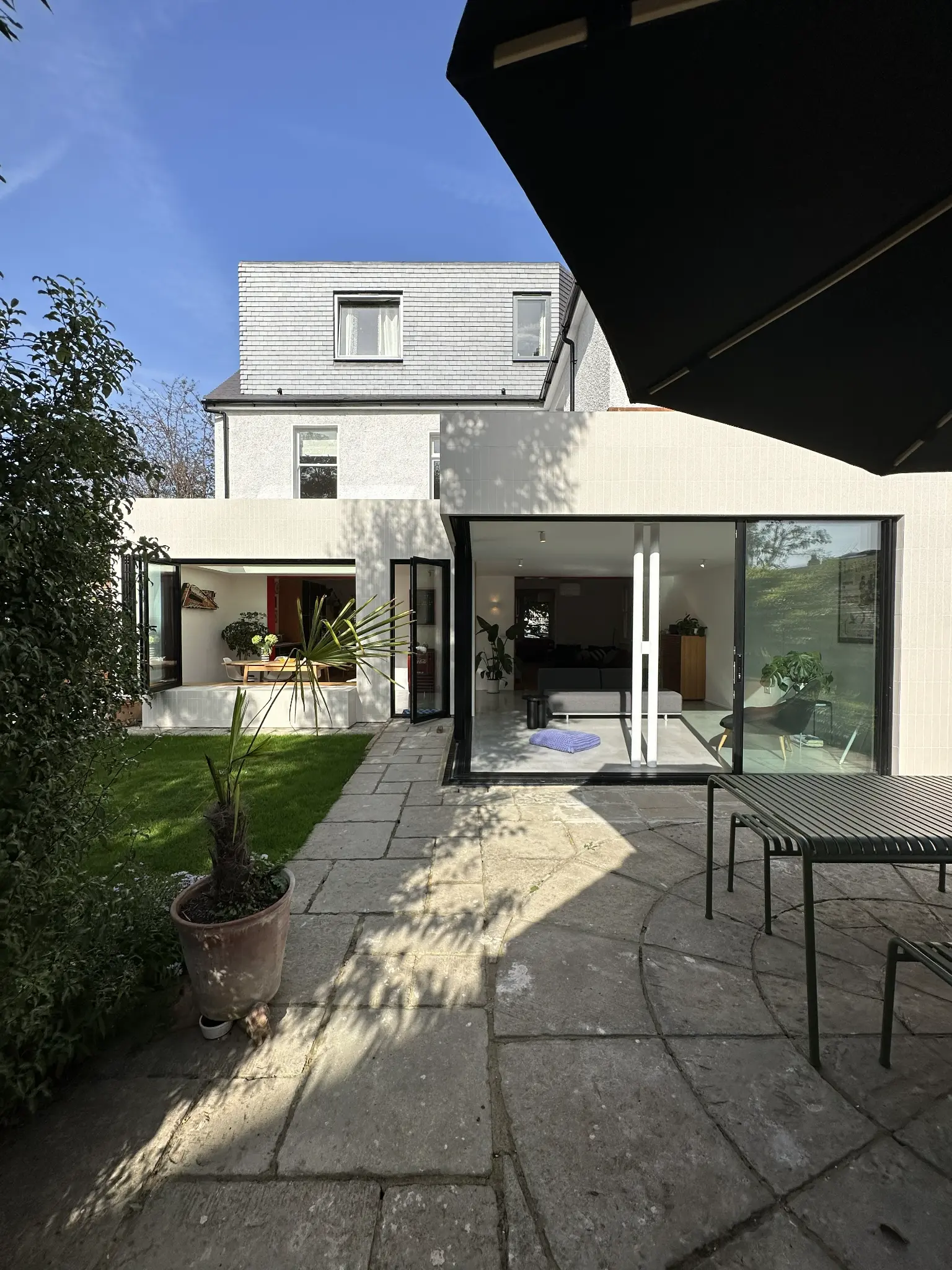
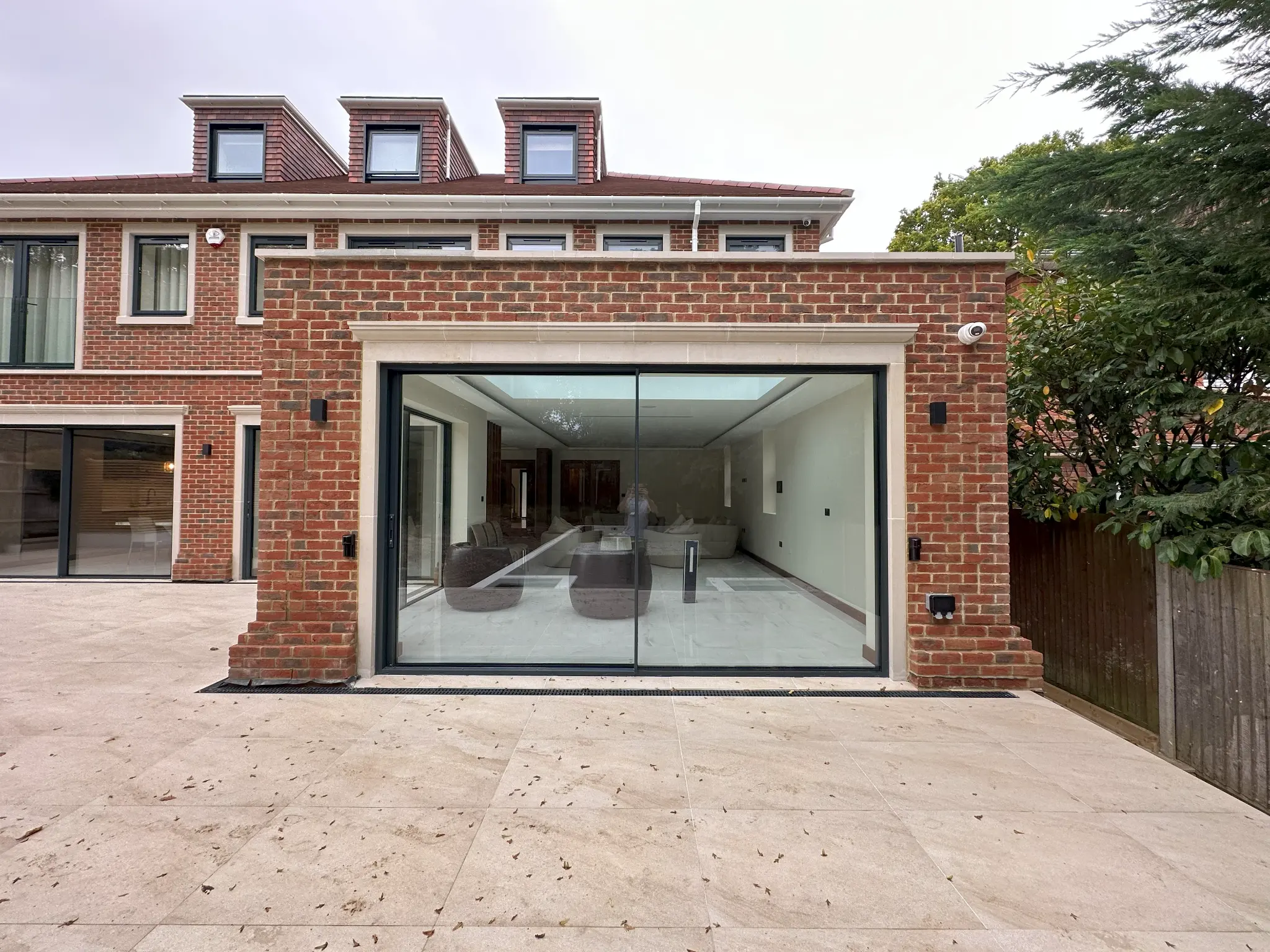
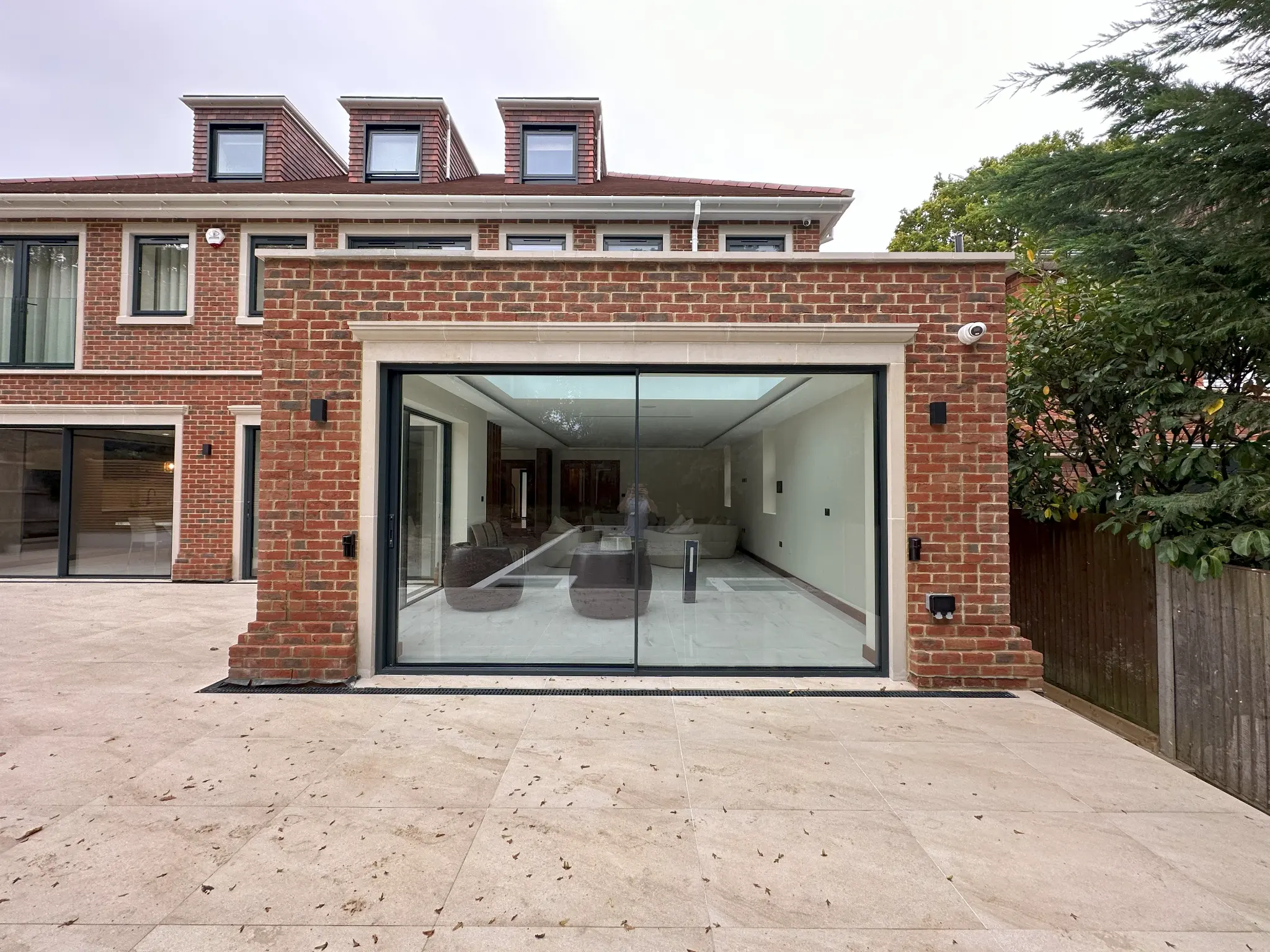
Minimal frame glazing, often referred to as slimline, ultra-slim, or frameless glazing, is an architectural system designed to reduce the visible profile of window and door frames to an absolute minimum. The primary objective is to create an almost uninterrupted expanse of glass, allowing for maximum natural light penetration and panoramic views. Unlike traditional windows where the frame is a prominent feature, minimal frame systems integrate the frame discreetly into the building structure, often recessed into walls, floors, and ceilings.
Key Characteristics:
- Slim Sightlines: The most defining feature is the incredibly narrow visible frame, typically ranging from 15mm to 30mm for sliding doors, and sometimes even less for fixed panels.
- Large Glass Panels: These systems are engineered to accommodate much larger and heavier panes of glass than conventional systems, often reaching heights of 3-4 metres or more.
- Structural Integration: Frames are frequently concealed within the building's fabric, providing a 'frameless' appearance from both inside and out.
- High Performance: Despite their slender appearance, these systems are designed to offer excellent thermal efficiency, security, and weather resistance.
Benefits for UK Homeowners
Opting for minimal frame glazing offers a multitude of advantages, transforming both the aesthetic and functional aspects of a property.
Enhanced Natural Light
By minimising obstructions, more daylight floods into living spaces, reducing the need for artificial lighting and creating a brighter, more uplifting atmosphere. This can also contribute to a sense of well-being.
Uninterrupted Views
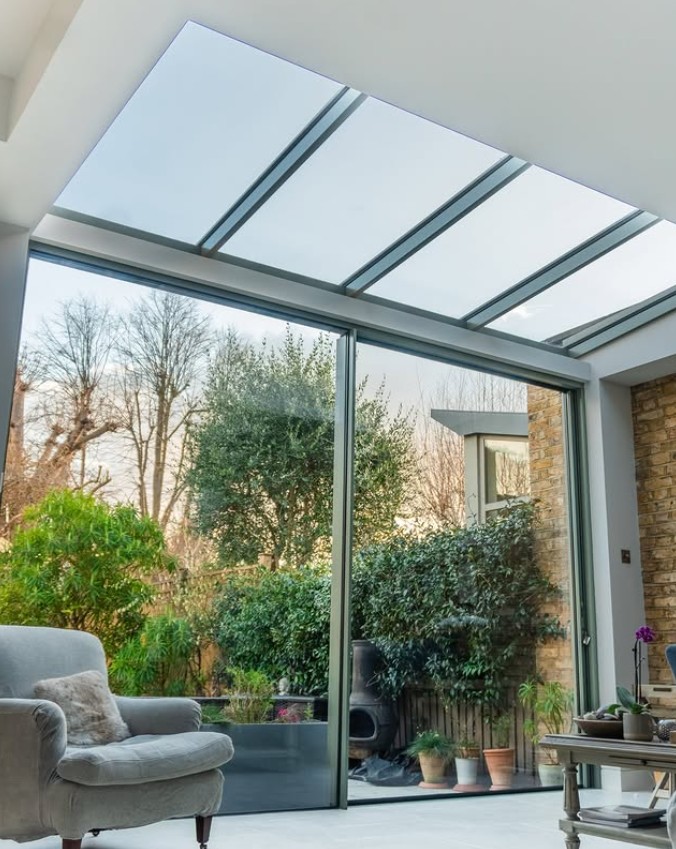
The slim profiles virtually disappear, offering panoramic, unobstructed views of gardens, landscapes, or cityscapes. This creates a powerful connection with the outdoors, blurring the lines between inside and out.
Modern Aesthetic
Minimal frame glazing provides a sleek, contemporary look that complements modern architecture and adds significant kerb appeal and value to a property. It's a hallmark of high-end design.
Improved Thermal Performance
Despite the large glass areas, advanced glazing technology ensures excellent insulation, helping to maintain comfortable indoor temperatures and potentially reduce energy bills.
Technical Considerations and UK Building Regulations
While aesthetically pleasing, minimal frame glazing involves significant technical considerations, particularly concerning thermal performance, structural integrity, and compliance with UK Building Regulations.
Thermal Performance (Part L)
One of the most critical aspects for any glazing in the UK is its thermal performance, measured by its U-value (W/m²K). A lower U-value indicates better insulation. Part L (Conservation of Fuel and Power) of the Building Regulations sets stringent requirements for new and replacement glazing.
- New Build Properties & Extensions: Glazing must achieve a U-value of 1.2 W/m²K or better.
- Replacement Glazing: For existing properties, replacement windows and doors must meet a U-value of 1.4 W/m²K or better.
Minimal frame systems achieve these low U-values through several innovations:
- High-Performance Glazing Units: Typically featuring double or triple glazing with low-emissivity (low-e) coatings, warm edge spacer bars, and inert gas fills (e.g., argon or krypton) between the panes.
- Thermally Broken Frames: Even minimal frames incorporate thermal breaks – materials with low thermal conductivity – to prevent heat transfer through the frame itself.
Pro Tip
Always request the U-value certificate for any minimal frame system you are considering. Ensure it explicitly states compliance with the relevant Part L requirements for your project (new build/extension or replacement). Be wary of systems that only quote the glass U-value (Ug) rather than the overall unit U-value (Uw), as the latter accounts for the frame's thermal performance too.
Structural Integrity and Weight
Large panes of glass are heavy. A typical double-glazed unit can weigh around 25-30 kg per square metre, meaning a 3m x 3m panel could easily exceed 200 kg. This necessitates:
- Robust Framing Systems: Even though minimal, the frames are engineered from strong materials like aluminium, often with reinforced sections.
- Specialist Installation: Installation requires experienced professionals, often using cranes or specialist lifting equipment, and careful consideration of the building's structural support.
- Wind Loading: Large glass panels are more susceptible to wind pressure. The system must be designed to withstand local wind loads, which vary across the UK.
Security (Part Q)
Part Q (Security – Dwellings) of the Building Regulations applies to new dwellings and extensions, requiring easily accessible windows and doors to be secure. While not mandatory for replacement glazing, it's highly recommended.
- Minimal frame systems should incorporate multi-point locking mechanisms, toughened or laminated glass, and robust frame construction to meet security standards like PAS 24.
Ventilation (Part F)
Part F (Ventilation) requires adequate ventilation in habitable rooms. While minimal frame systems offer excellent airtightness, this also means provisions for trickle vents or other controlled ventilation strategies must be included or designed into the overall building plan to prevent condensation and ensure good indoor air quality.
Types of Minimal Frame Systems
Minimal frame technology can be applied to various glazing types:
- Sliding Doors: Often the most popular application, creating vast openings. Options include two-panel, three-panel, or multi-panel systems, often pocketing into walls.
- Fixed Panels: Large, non-opening panes of glass that offer maximum light and views with virtually invisible frames.
- Pivot Doors: Large single doors that pivot on an axis, creating a dramatic entrance or internal divider.
- Bifold Doors: While traditionally having thicker frames, some manufacturers offer slimline bifold options, though they generally won't achieve the same minimal sightlines as sliding systems.
Design and Installation Considerations
Achieving the desired 'minimal' look requires careful planning and expert execution.
Integration with Architecture
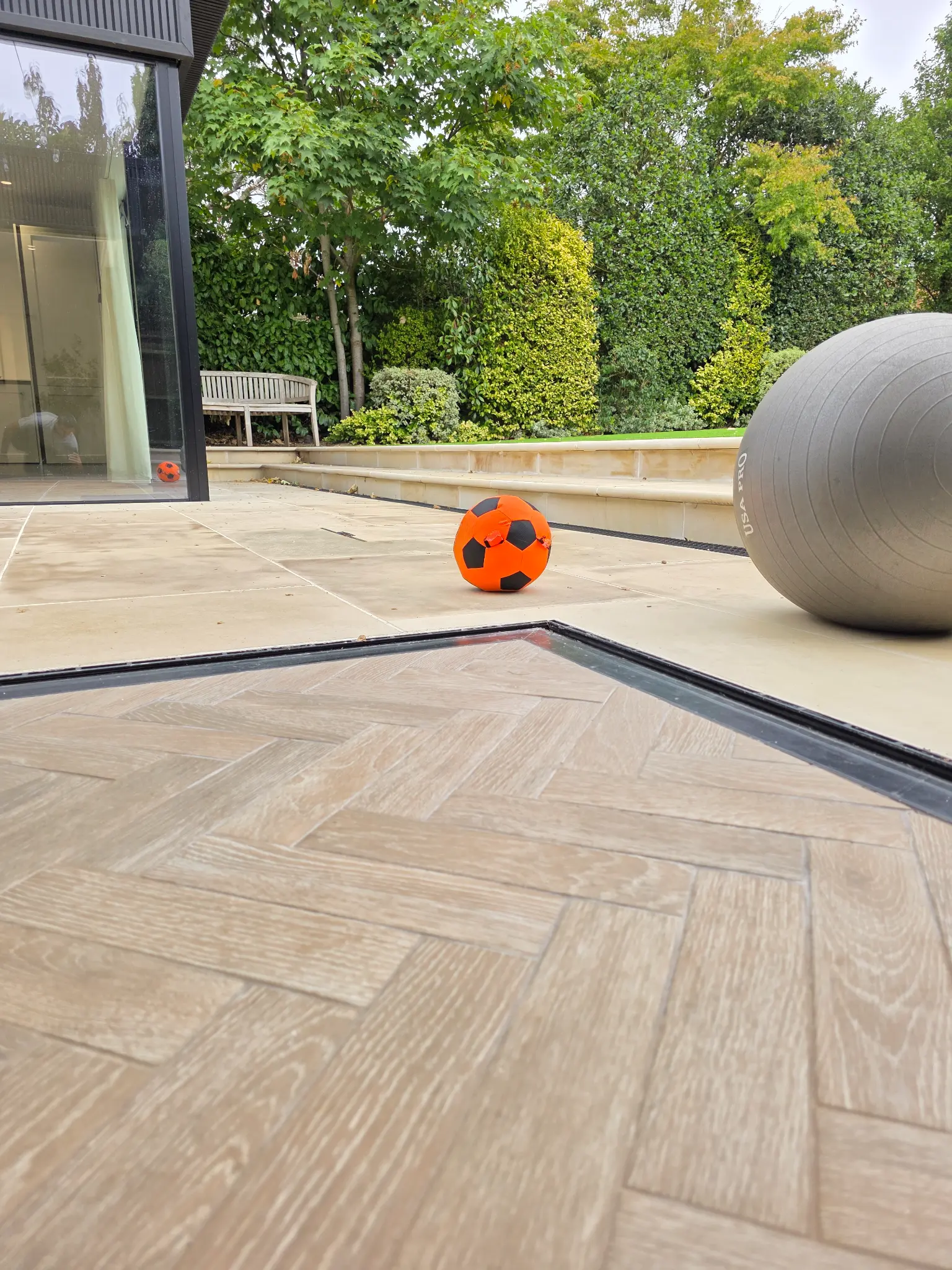
- Recessed Frames: For the most minimal appearance, frames are often designed to be recessed into the floor, ceiling, and wall cavities. This requires coordination with the structural engineer and builder early in the design process.
- Drainage: Recessed tracks for sliding doors need effective drainage solutions to prevent water ingress, especially in the UK's climate.
- Finishing Materials: The choice of surrounding materials (e.g., flooring, plasterwork) needs to complement the slim frames to maintain the sleek aesthetic.
Operation and Maintenance
- Smooth Operation: Despite their size and weight, high-quality minimal frame sliding doors should operate smoothly and effortlessly. This is achieved through precision-engineered rollers and tracks.
- Cleaning: Large expanses of glass will require regular cleaning to maintain their pristine appearance. Consider access for cleaning, especially for very tall or high-level panels.
- Maintenance: Like any sophisticated system, periodic checks of rollers, seals, and locking mechanisms are advisable to ensure longevity and performance.
Cost Implications
Minimal frame glazing is a premium product. The cost is typically higher than standard glazing due to:
- Specialist engineering and manufacturing processes.
- High-performance materials (glass, aluminium, thermal breaks).
- Complex installation requiring specialist equipment and skilled labour.
Comparing Minimal Frame Options
When selecting a minimal frame system, it's crucial to compare key specifications. Here's a simplified comparison table:
| Feature | Minimal Frame Sliding Door | Minimal Frame Fixed Panel | Standard Aluminium Sliding Door |
|---|---|---|---|
| Visible Sightline (typically) | 15mm - 30mm | 0mm - 10mm (recessed) | 50mm - 100mm+ |
| Max Panel Size (approx.) | Up to 3m x 6m (single panel) | Up to 4m x 8m | Up to 2.5m x 2.5m |
| U-value (Uw) (typical) | 0.9 - 1.2 W/m²K | 0.8 - 1.1 W/m²K | 1.2 - 1.6 W/m²K |
| Installation Complexity | High (specialist required) | Medium-High | Medium |
| Cost (relative) | High | Medium-High | Medium |
| Operation | Smooth, often motorised | N/A (fixed) | Manual sliding |
Always ensure that any system you choose meets or exceeds the specific U-value requirements for your project under UK Building Regulations Part L (2022 England).
Conclusion
Minimal frame glazing offers an unparalleled opportunity to create stunning, light-filled spaces with expansive views, transforming the way you experience your home. While it represents a significant investment and requires careful planning and specialist installation, the aesthetic and practical benefits are considerable. By understanding the technical requirements, particularly concerning UK Building Regulations Part L, and working with experienced professionals, homeowners can successfully integrate these sophisticated systems into their properties, achieving a truly contemporary and luxurious living environment.
For expert advice and high-quality minimal frame glazing solutions tailored to your UK home, consider consulting with specialists like Shard AG. Our team can guide you through the design, specification, and installation process, ensuring your project meets both your aesthetic aspirations and all relevant building standards.
Explore Our Products
Discover how Shard Architectural Glazing can transform your home with our premium glazing solutions:
Ready to Transform Your Home?
Get in touch with our expert team for a free consultation and personalised quote. We'll help you choose the perfect glazing solution for your property.