


Modern Architectural Trends: Design & Glazing for UK Homes
Explore contemporary architectural trends for UK homes, focusing on design principles, glazing solutions, sustainability, and compliance with Building Regulations.

Shard Architectural Glazing
12 March 2026
Explore contemporary architectural trends for UK homes, focusing on design principles, glazing solutions, sustainability, and compliance with Building Regulations.
📋In This Article
- Defining Modern Architectural Trends in the UK
- The Pivotal Role of Glazing in Modern Design
- Sustainability and Energy Efficiency: A Core Principle
- Balancing Aesthetics and Practicality: Considerations for Homeowners
- Comparing Glazing Options for Thermal Performance
- Navigating Planning and Building Control
Modern architecture is constantly evolving, shaping the way we live, work, and interact with our built environment. For UK homeowners, embracing modern architectural trends offers an exciting opportunity to create spaces that are not only aesthetically pleasing but also highly functional, energy-efficient, and tailored to contemporary lifestyles. This guide delves into the core principles of modern architectural design, focusing on how these trends integrate with advanced glazing solutions and meet the stringent requirements of UK Building Regulations.
Defining Modern Architectural Trends in the UK
Modern architecture, often characterised by a departure from traditional styles, prioritises functionality, clean lines, and an integration with the surrounding environment. In the UK context, this often translates into designs that maximise natural light, embrace open-plan living, and incorporate sustainable materials and technologies. It's not just about aesthetics; it's about creating healthier, more efficient, and adaptable homes.
Key Characteristics of Modern Design
- Open-Plan Living: Breaking down internal barriers to create large, multi-functional spaces that enhance social interaction and flexibility.
- Maximising Natural Light: Extensive use of glazing to flood interiors with daylight, reducing reliance on artificial lighting and fostering a connection to the outdoors.
- Clean Lines and Minimalist Aesthetics: A focus on simplicity, uncluttered spaces, and a reduction of ornate detailing. Materials are often left exposed or used in their natural state.
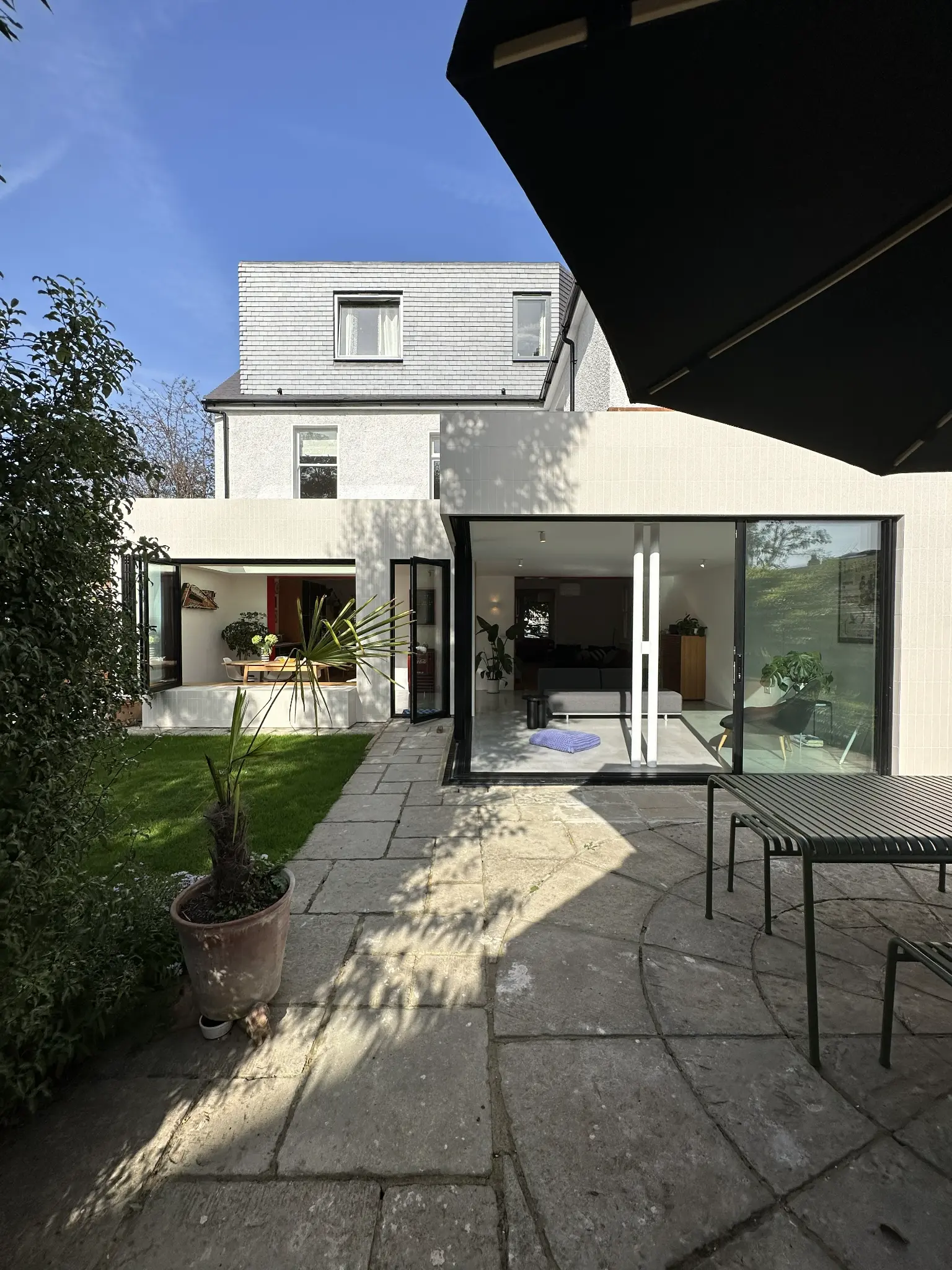
- Integration with Nature: Designs that blur the lines between indoor and outdoor spaces, often through large sliding doors, bi-fold doors, and carefully planned landscaping.
- Sustainability and Energy Efficiency: A strong emphasis on reducing environmental impact through material selection, energy-efficient design, and renewable energy sources.
- Smart Home Technology: Seamless integration of automation for lighting, heating, security, and entertainment, enhancing convenience and efficiency.
The Pivotal Role of Glazing in Modern Design
Glazing is arguably one of the most defining features of modern architecture. Large expanses of glass are not merely windows; they are integral design elements that dictate light, views, thermal performance, and the overall feel of a space. Modern glazing technology allows for previously impossible design feats, offering both aesthetic appeal and superior functionality.
Types of Glazing Solutions for Contemporary Homes
- Large Format Sliding Doors: These allow for expansive openings, creating seamless transitions between indoor and outdoor living areas. They are ideal for connecting kitchens or living rooms to patios and gardens.
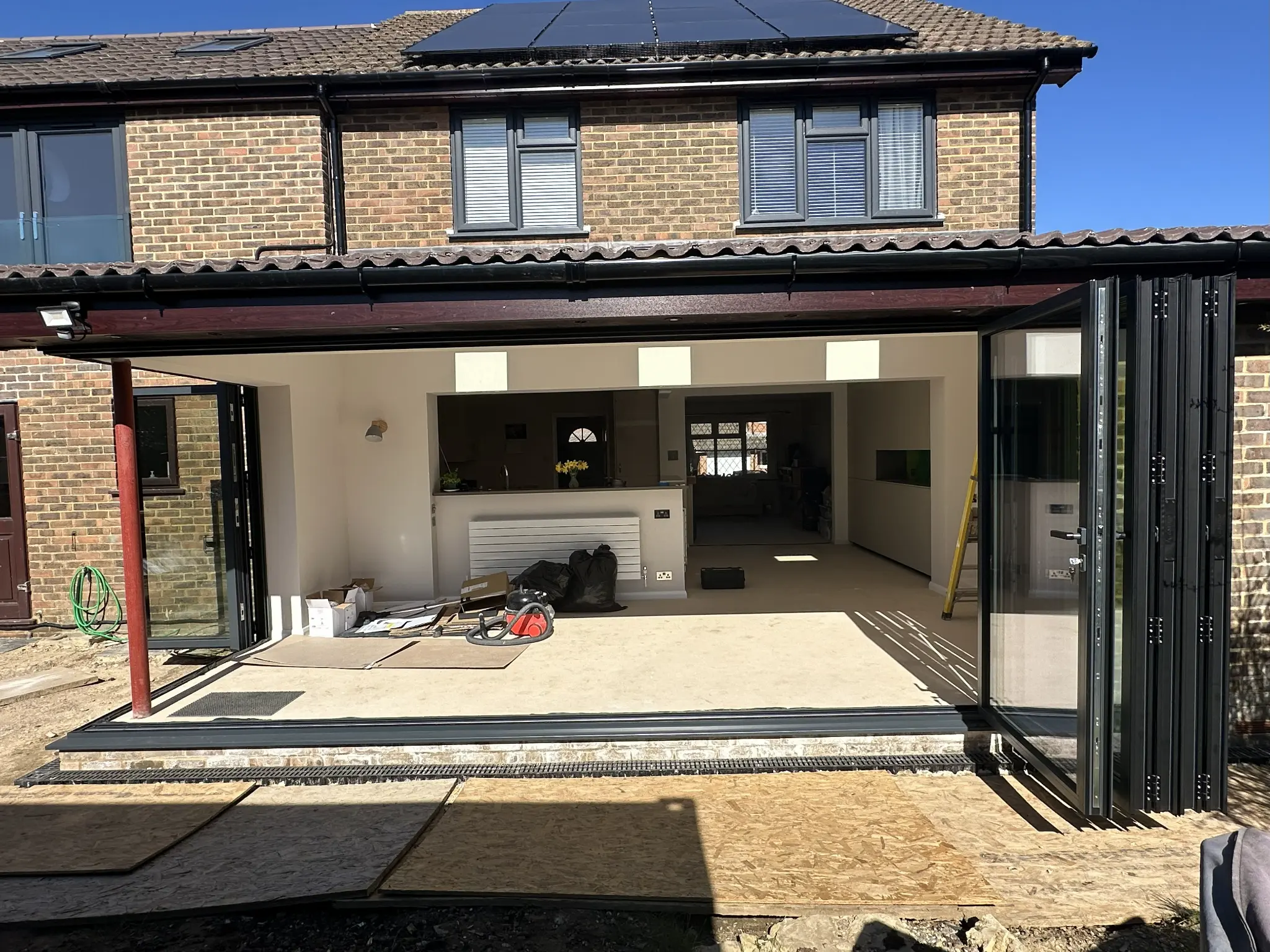
- Bi-Fold Doors: Offering a concertina effect, bi-fold doors can open up an entire wall, providing maximum ventilation and an uninterrupted connection to the outside.
- Picture Windows: Fixed, often large, windows designed to frame a specific view, acting as a living artwork within the home.
- Corner Glazing: Utilising structural glass or slim-frame systems to create glass-to-glass corners, eliminating traditional corner posts and offering panoramic views.
- Rooflights and Skylights: Essential for bringing natural light deep into the core of a building, especially in open-plan layouts or areas lacking external walls.
- Structural Glazing: Custom-designed glass panels that form part of the building's structure, often used for entire glass walls or bespoke architectural features.
Pro Tip
When planning large glazing elements, consider the orientation of your home. South-facing glazing can lead to excessive solar gain in summer, requiring careful shading strategies (e.g., overhangs, external blinds) to prevent overheating. North-facing glazing offers consistent, diffused light, ideal for studios or offices, but requires excellent thermal performance to counteract heat loss.
Sustainability and Energy Efficiency: A Core Principle
Modern architectural trends are inextricably linked with sustainability. UK homeowners are increasingly seeking homes that are not only beautiful but also environmentally responsible and cost-effective to run. This involves a holistic approach to design, material selection, and energy systems.
Meeting UK Building Regulations Part L (Conservation of Fuel and Power)
For any new build or extension in England, compliance with Building Regulations Part L (2022 edition) is mandatory. This regulation sets stringent standards for the thermal performance of building elements to minimise heat loss and energy consumption. Achieving these standards, especially with large areas of glazing, requires careful specification.
Here are the key U-value requirements for new builds and extensions:
- Walls: 0.18 W/m²K
- Floors: 0.18 W/m²K
- Roofs: 0.15 W/m²K
- Windows/Doors (New Build): 1.2 W/m²K
- Windows/Doors (Replacement): 1.4 W/m²K
For large glazing elements, achieving a U-value of 1.2 W/m²K typically necessitates high-performance double glazing as a minimum, often with low-emissivity coatings, argon gas fills, and warm edge spacers. Triple glazing may be required for particularly expansive or north-facing installations to meet or exceed these values and ensure optimal comfort.
Other Sustainable Design Considerations
- Material Selection: Prioritising locally sourced, recycled, or rapidly renewable materials with low embodied energy.
- Ventilation: Incorporating natural ventilation strategies (e.g., cross-ventilation) alongside mechanical ventilation with heat recovery (MVHR) systems for optimal air quality and energy efficiency.
- Renewable Energy: Integration of solar panels (PV or thermal), air source heat pumps, or ground source heat pumps to reduce reliance on fossil fuels.
- Water Harvesting: Rainwater harvesting systems for garden irrigation or toilet flushing can significantly reduce mains water consumption.
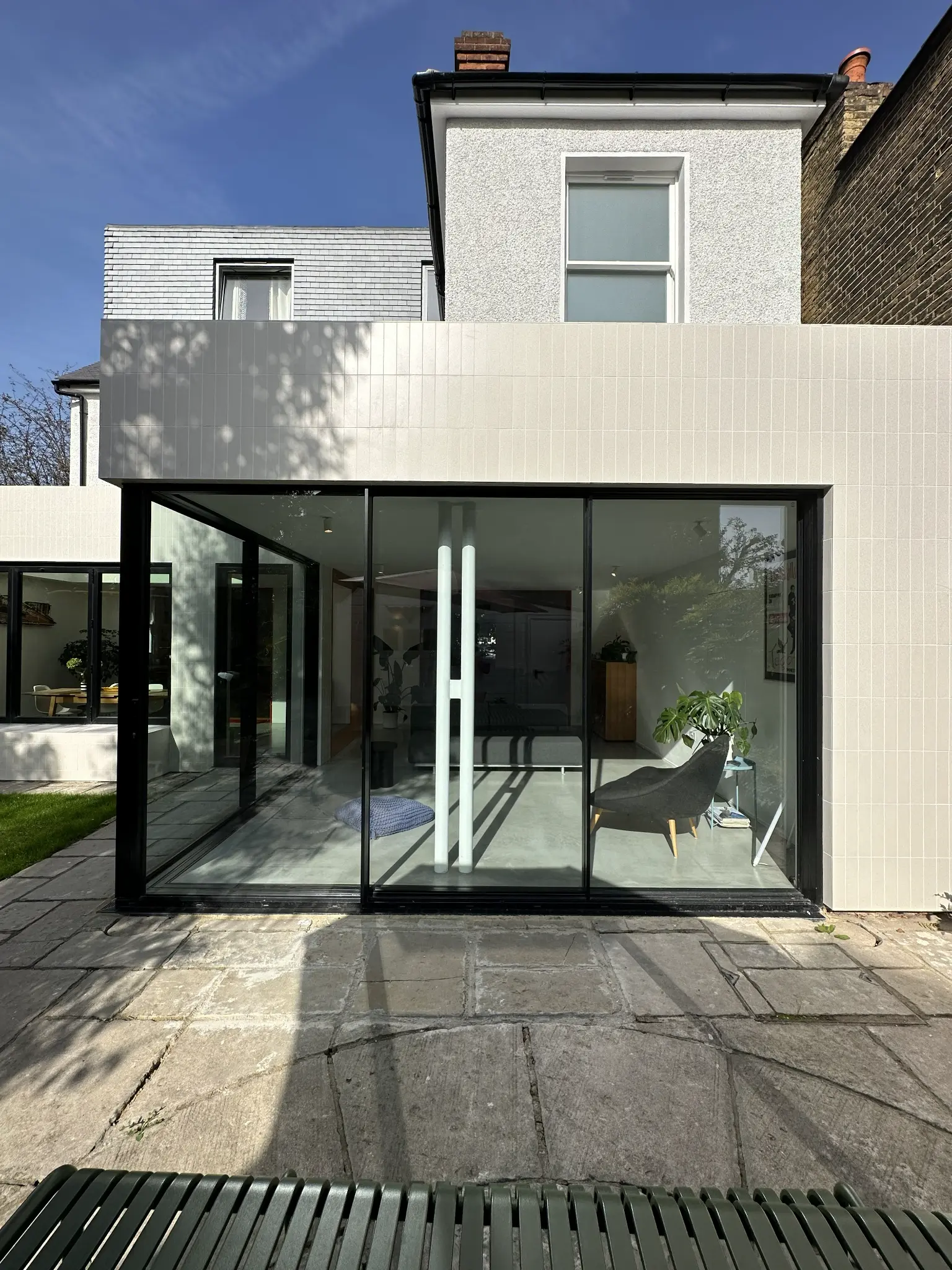
Balancing Aesthetics and Practicality: Considerations for Homeowners
While modern design offers immense aesthetic appeal, practical considerations are paramount, especially in the UK climate. Homeowners must balance their design aspirations with factors like privacy, maintenance, and long-term performance.
Key Considerations
- Privacy: Large glass areas can compromise privacy, especially in urban environments. Solutions include strategic landscaping, external shading, intelligent glass (switchable privacy glass), or carefully placed opaque panels.
- Maintenance: Expansive glazing requires regular cleaning to maintain its aesthetic appeal. Consider ease of access for cleaning, especially for high or difficult-to-reach windows.
- Security: Modern glazing systems are designed with security in mind, incorporating multi-point locking mechanisms and toughened or laminated glass. Always ensure products meet relevant security standards (e.g., PAS 24).
- Acoustics: Large glass surfaces can reflect sound, potentially leading to echoey interiors. Acoustic glazing or strategic use of soft furnishings can mitigate this.
- Cost: High-performance, bespoke glazing solutions can represent a significant investment. It's crucial to obtain detailed quotes and understand the long-term energy savings.
Enhanced Natural Light
Modern designs maximise daylight, creating brighter, more inviting interiors that can improve mood and reduce energy bills.
Improved Energy Efficiency
With advanced glazing and insulation, modern homes can significantly reduce heat loss, leading to lower heating costs and a smaller carbon footprint.
Seamless Indoor-Outdoor Living
Large doors and windows blur the boundaries between inside and out, extending living spaces and fostering a connection with nature.
Increased Property Value
Well-executed modern designs, especially those with high-performance glazing, are highly desirable and can add significant value to a property.
Comparing Glazing Options for Thermal Performance
Understanding the thermal performance of different glazing types is crucial for making informed decisions. The U-value is the primary metric, indicating how well a window or door insulates. A lower U-value means better insulation and less heat loss.
| Glazing Type | Typical U-value (W/m²K) | Key Characteristics | Suitability for Modern UK Homes |
|---|---|---|---|
| Standard Double Glazing | 1.6 - 2.0 | Two panes of glass, air gap. Basic thermal performance. | May struggle to meet 1.2 W/m²K for new builds; suitable for some replacements. |
| High-Performance Double Glazing | 1.2 - 1.4 | Two panes, low-E coating, argon gas fill, warm edge spacer. | Meets new build (1.2) and replacement (1.4) Building Regs Part L. Good balance of cost and performance. |
| Triple Glazing | 0.8 - 1.0 | Three panes, two low-E coatings, two argon gas fills, warm edge spacers. | Exceeds Building Regs. Excellent thermal and acoustic performance. Ideal for large areas or passive house standards. |
| Vacuum Insulated Glazing (VIG) | 0.4 - 0.7 | Two panes with a vacuum in between. Extremely thin, exceptional performance. | Cutting-edge, high cost. Ideal for projects where minimal frame depth and maximum performance are critical. |
Navigating Planning and Building Control
Embarking on a modern architectural project in the UK involves navigating planning permission and Building Control. It's advisable to engage with these processes early in your project.
Planning Permission
For significant alterations, extensions, or new builds, planning permission from your local authority is typically required. Modern designs, especially those with large glazing elements or unusual forms, may require careful presentation to demonstrate their integration with the local context and compliance with planning policies. Conservation areas or listed buildings will have additional, stricter requirements.
Building Control
Regardless of planning permission, all structural work, significant alterations, and new builds must comply with Building Regulations. This ensures safety, structural integrity, fire safety, accessibility, and energy efficiency. Your architect or builder will typically handle the Building Control application, but as a homeowner, it's important to understand the process. A Building Control officer will inspect the work at various stages to ensure compliance. Failure to comply could affect the legality of your build and future sale of the property.
Always consult with a qualified architect, structural engineer, and a reputable glazing specialist to ensure your modern architectural vision is not only beautiful but also compliant with all UK regulations and optimally performs for your home.
At Shard AG, we specialise in providing high-performance architectural glazing solutions that perfectly complement modern home designs. Our expertise ensures your project meets the highest standards of aesthetics, energy efficiency, and compliance with UK Building Regulations. We work closely with architects and homeowners to bring contemporary visions to life, offering a range of bespoke sliding doors, bi-folds, structural glazing, and rooflights tailored to your specific needs.
Explore Our Products
Discover how Shard Architectural Glazing can transform your home with our premium glazing solutions:
Ready to Transform Your Home?
Get in touch with our expert team for a free consultation and personalised quote. We'll help you choose the perfect glazing solution for your property.