

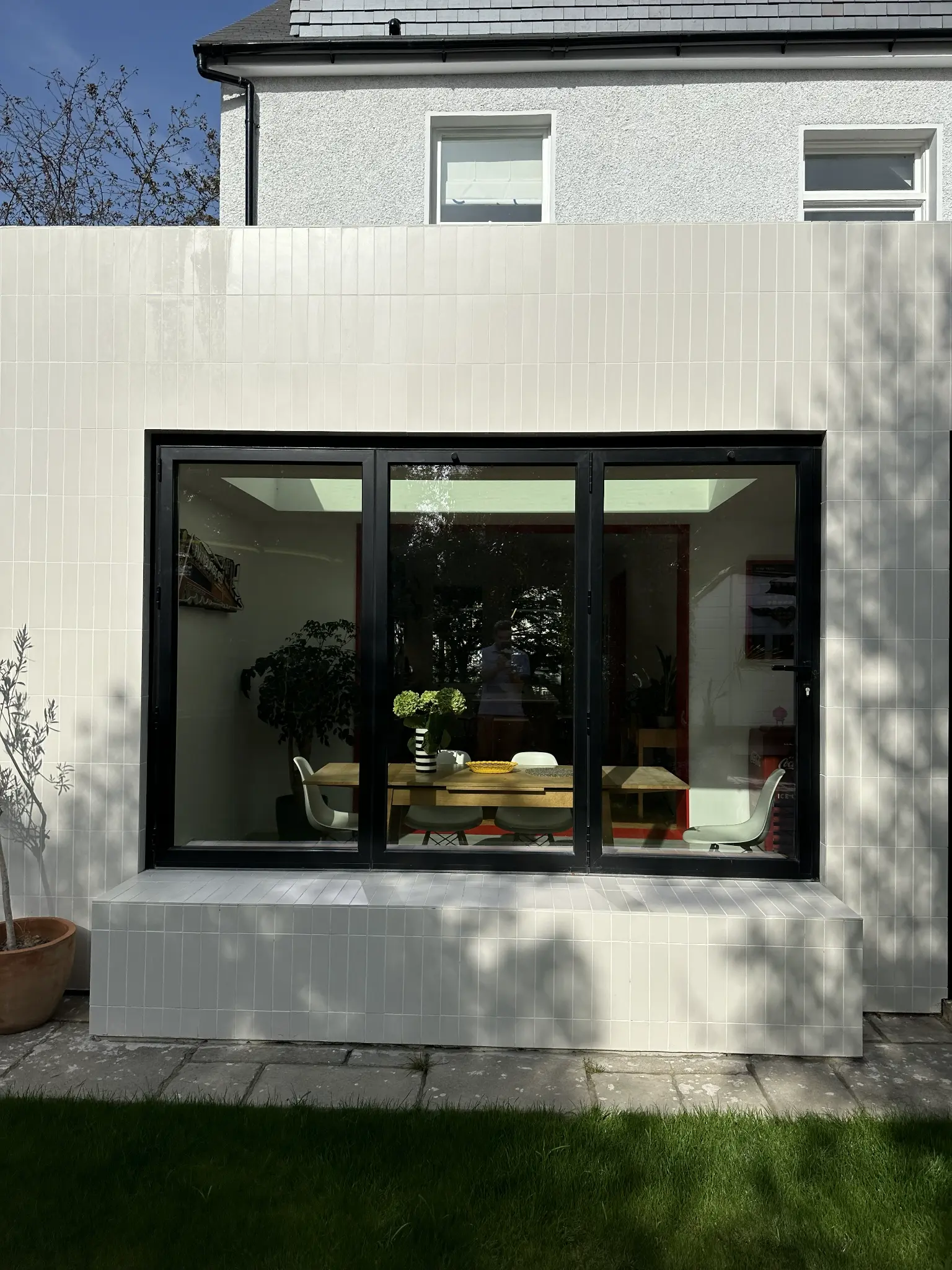

Modern UK architecture is defined by a desire for light, space, and efficiency. Homeowners embarking on renovation projects or new builds are increasingly moving away from traditional compartmentalised layouts towards designs that maximise natural light and create seamless transitions between indoor and outdoor environments. This shift is heavily reliant on advances in architectural glazing technology and careful consideration of UK Building Regulations.
Understanding these trends, along with the technical requirements they impose, is crucial for anyone planning a contemporary home improvement project.
The Rise of Minimalist Glazing Systems
One of the most defining characteristics of modern architecture is the extensive use of glass, often framed minimally to maximise views and light ingress. This trend encompasses several key product types, each offering distinct aesthetic and performance benefits.
Slimline Sliding Doors and Lift & Slide Systems
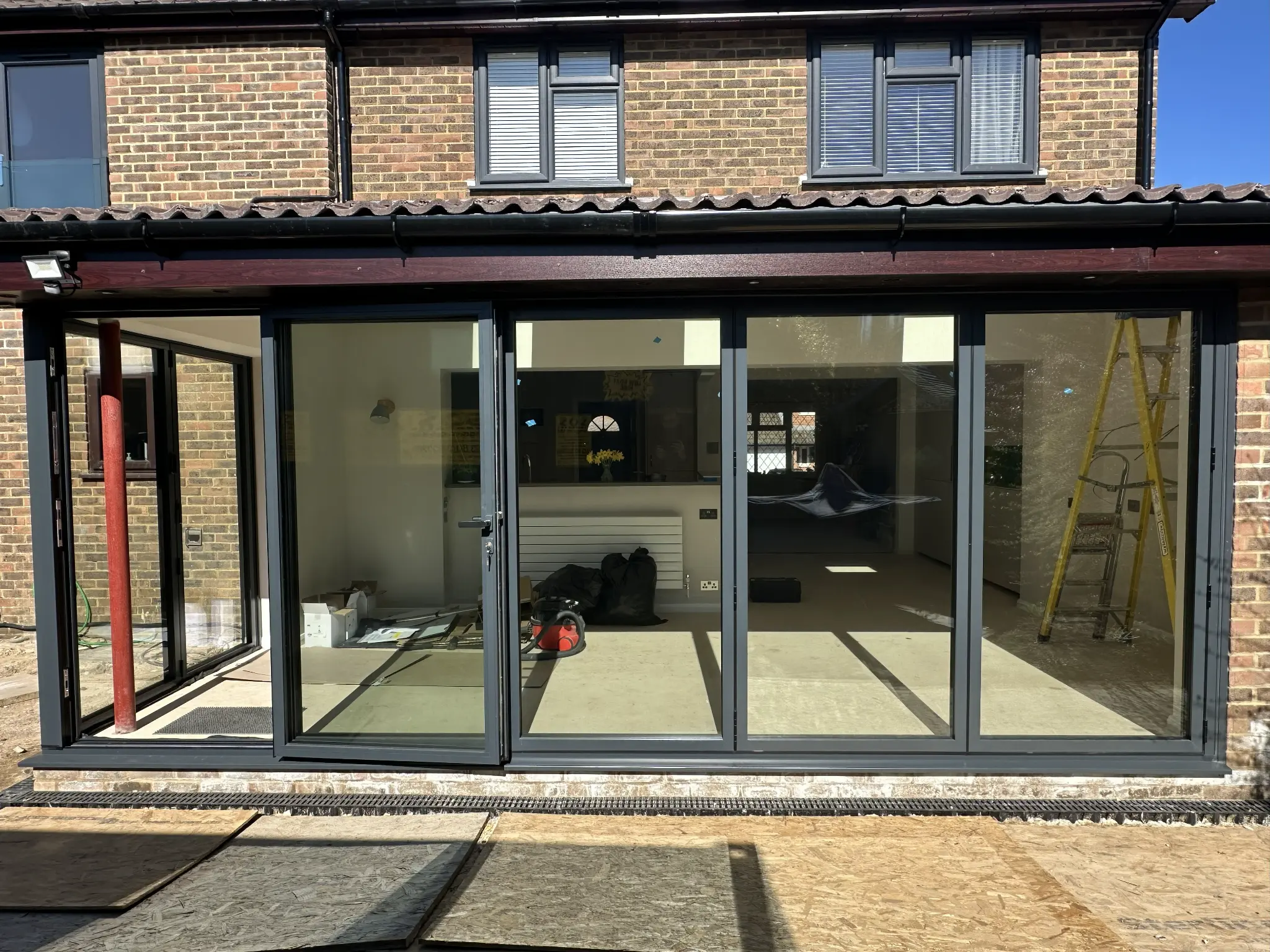
Traditional patio doors often featured thick sightlines, interrupting the view. Modern sliding systems, particularly lift and slide doors, have significantly reduced frame visibility, sometimes achieving central interlocks as narrow as 20mm to 25mm. These doors are ideal for creating expansive glass walls that can be opened fully, merging the kitchen or living space with the garden.
- Advantages: Excellent thermal performance (U-values often below 1.2 W/m²K), large panel sizes (up to 3m wide and 3m high per panel), and smooth operation despite heavy glass weights.
- Considerations: Requires robust structural support and careful detailing of the threshold to ensure weather resistance and drainage, particularly in exposed locations.
Structural and Frameless Glazing
For truly minimalist aesthetics, structural glazing removes visible frames entirely, relying on the glass panels themselves, supported by hidden fixings or silicone joints, to form the building envelope. This is commonly used for large fixed panes, glass balustrades, or bespoke corner windows (often referred to as 'glass boxes').
Note on Safety: Any structural glass element must use laminated or toughened glass, complying with BS EN 12150 and BS EN 14449, ensuring safety in case of breakage. Consult a structural engineer early in the design process.
Thermal Performance and UK Part L Compliance
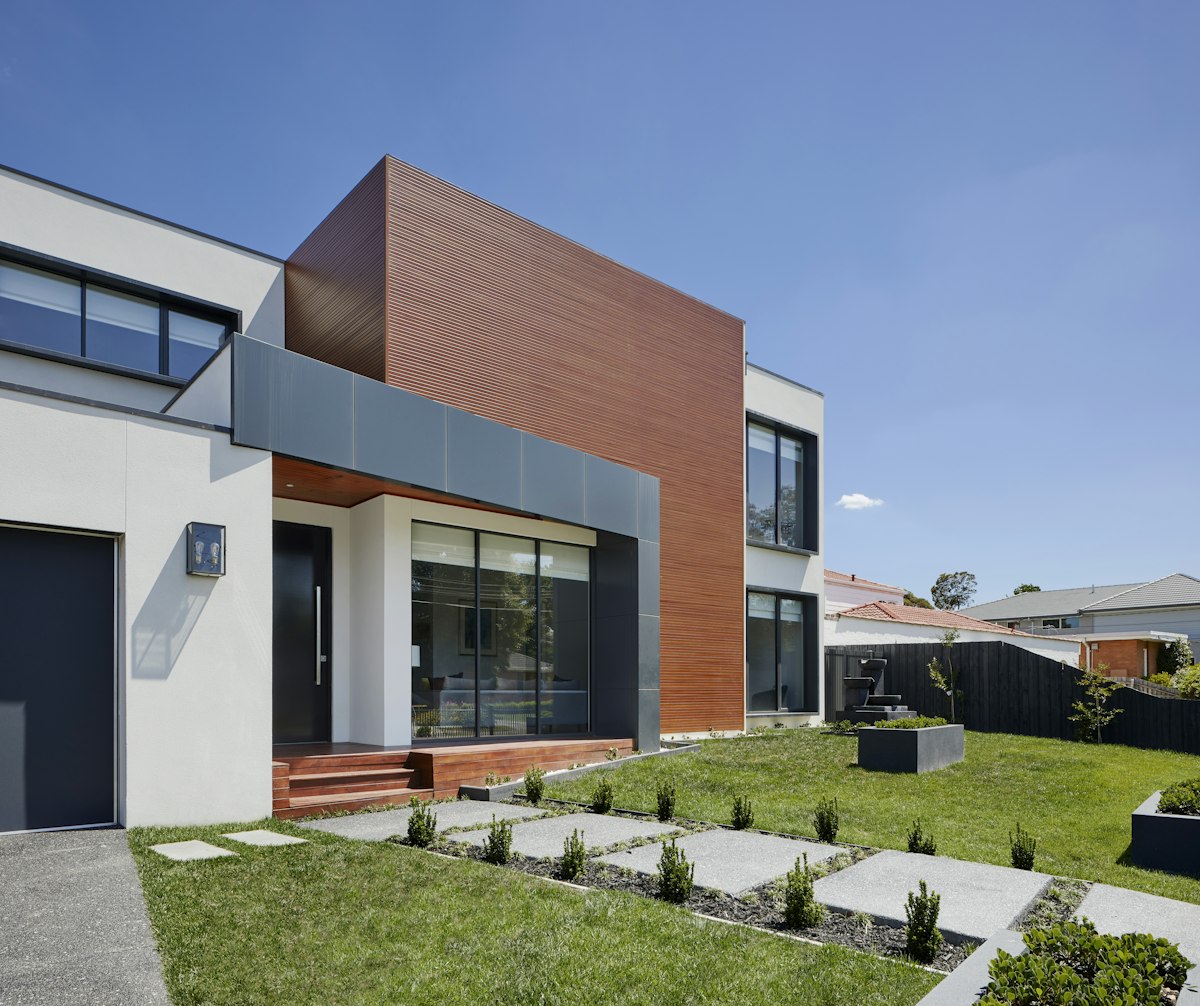
While modern design champions large expanses of glass, this must be balanced against energy efficiency requirements mandated by UK Building Regulations Part L (Conservation of Fuel and Power).
The 2022 updates to Part L (England) place stricter limits on thermal performance for both new dwellings and extensions/renovations. Achieving compliance often means specifying high-performance glazing and ensuring the overall thermal envelope is robust.
Understanding U-Values
The U-value measures how effectively a component (like a window or wall) prevents heat from escaping. The lower the U-value, the better the insulation. Modern architectural glazing must achieve low U-values, typically through the use of low-emissivity (Low-E) coatings, argon gas-filled cavities, and thermally broken frames.
| Component | UK Part L 2022 Target U-Value (England) | Practical Glazing Specification to Meet Target |
|---|---|---|
| New Windows/Glazed Doors (New Build) | 1.2 W/m²K | Double Glazing (Low-E, Argon filled, Thermally Broken Frame) |
| Replacement Windows/Glazed Doors (Existing Dwelling) | 1.4 W/m²K | High-performance Double Glazing or Triple Glazing |
| Walls (New Build/Extension) | 0.18 W/m²K | High-density insulation, cavity fill |
| Roofs (New Build/Extension) | 0.15 W/m²K | Thick layer of high-performance insulation |
The Area Rule: When designing extensions, if the proportion of glazing exceeds 25% of the floor area of the new extension, you must demonstrate compliance using the SAP (Standard Assessment Procedure) calculation, proving that the overall heat loss of the extension is no greater than a notional extension complying strictly with Part L limits. This often necessitates offsetting excessive glazing with superior insulation elsewhere in the structure (e.g., walls or roof).
Pro Tip
When specifying large glass units, always request the Whole Window U-value (Uw), not just the centre pane U-value (Ug). The Uw accounts for the thermal bridge created by the frame and is the value required for Building Control compliance checks.
Open-Plan Living and Internal Glazing Solutions
The trend towards open-plan kitchens, dining, and living spaces remains dominant in the UK. However, modern design is evolving to incorporate flexible partitioning that maintains the feeling of openness while offering acoustic and thermal separation when needed.
Crittall-Style and Industrial Aesthetics
Internal glazing, often inspired by the classic steel-framed Crittall look, is highly popular. These slim-profile black steel or aluminium partitions divide large spaces without blocking light flow. They are particularly useful for:
- Separating a home office or snug from the main living area.
- Creating a visual break between a kitchen and utility room.
- Providing a fire break in multi-storey open-plan configurations (where fire-rated glass is mandatory).
While internal partitions do not usually fall under Part L (as they are within the heated envelope), acoustic performance is a key consideration. Specifying laminated glass can significantly improve sound dampening compared to standard toughened glass.
Acoustic Separation
One major drawback of large open-plan spaces is noise transmission. Modern solutions address this through:
- Acoustic Glazing: Using laminated glass with a specialist acoustic interlayer to absorb sound waves.
- Hidden Pocket Doors: Sliding doors that recess entirely into the wall cavity, offering full closure when required, maintaining the open aesthetic when retracted.
Sustainability and Material Choices
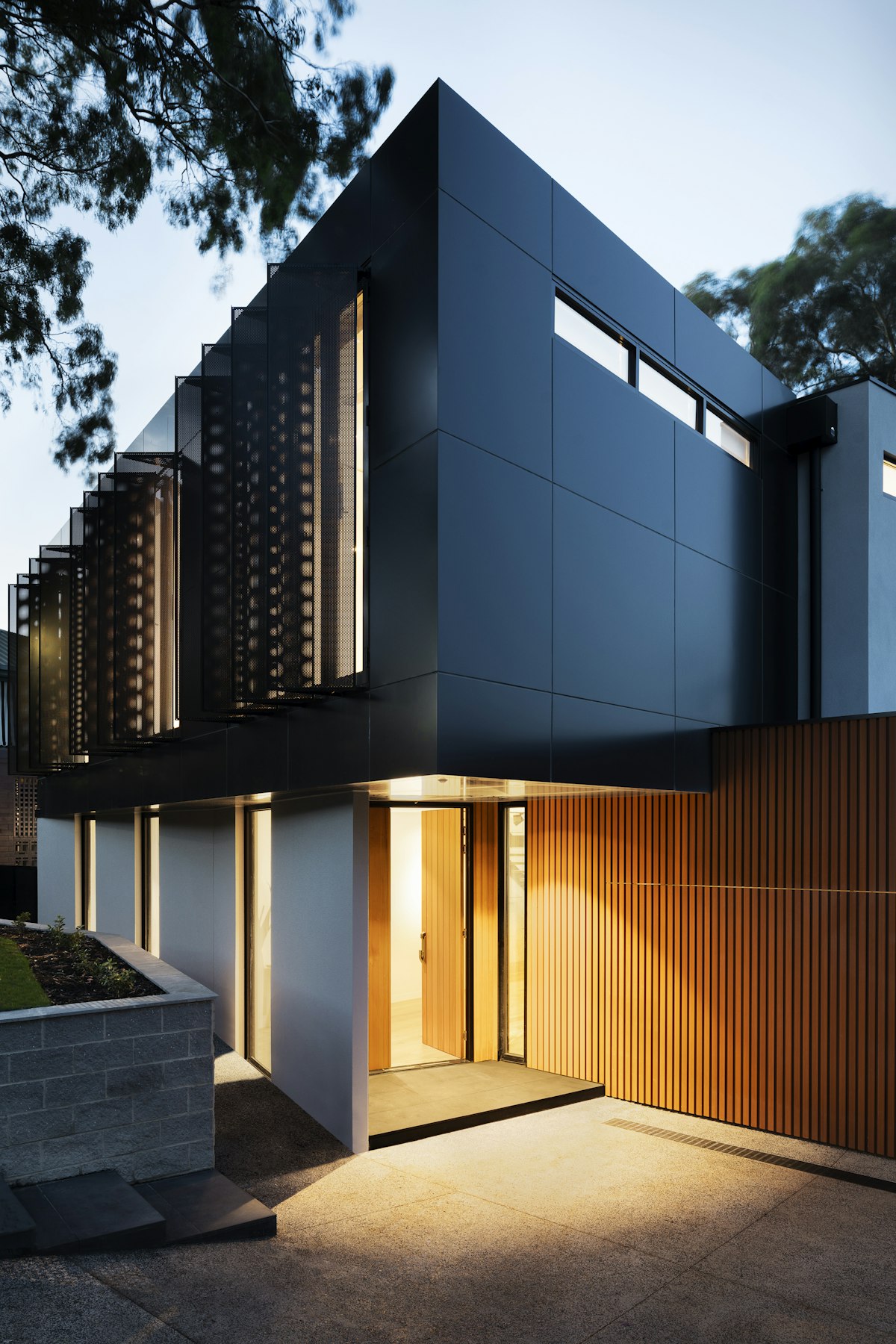
Modern architecture is increasingly defined by its environmental responsibility. Homeowners are seeking materials that are durable, locally sourced where possible, and contribute to reduced lifetime energy consumption.
Aluminium vs. Timber vs. uPVC
While uPVC remains a cost-effective option, modern architectural trends favour materials that facilitate larger panes and slimmer frames, typically high-quality aluminium or engineered timber.
- Aluminium: Highly durable, requires minimal maintenance, and allows for the slimmest sightlines due to its strength. Modern aluminium frames incorporate advanced polyamide thermal breaks to prevent conductivity, ensuring excellent thermal performance. It is also highly recyclable.
- Engineered Timber: Offers superior natural insulation and aesthetics, often favoured in highly sustainable or passive house designs. Requires more maintenance than aluminium but provides a warm, natural look.
- Hybrid Systems: Combining the durability and low maintenance of external aluminium cladding with the warmth and insulation of internal timber frames.
Overheating Risk (Solar Gain)
A key challenge with large south or west-facing glazing is solar gain—the heating of internal spaces caused by direct sunlight. In the UK climate, this can lead to uncomfortable overheating, especially in summer, potentially negating the energy savings from good insulation.
Mitigation strategies are essential in modern design:
- Solar Control Coatings: Applying a coating to the external pane of the glass unit that reflects a significant portion of the sun's infrared energy while maintaining high light transmission.
- External Shading: Incorporating architectural features like deep overhangs (brise soleil), pergolas, or automated external blinds to block high summer sun.
- Ventilation: Ensuring adequate cross-ventilation, often through strategically placed opening vents or high-level rooflights, to purge hot air quickly.
The Architectural Benefits of Modern Glazing
Enhanced Natural Light
Maximising daylight reduces the need for artificial lighting, leading to energy savings and proven improvements in occupant mood and well-being (biophilic design principles).
Seamless Indoor-Outdoor Flow
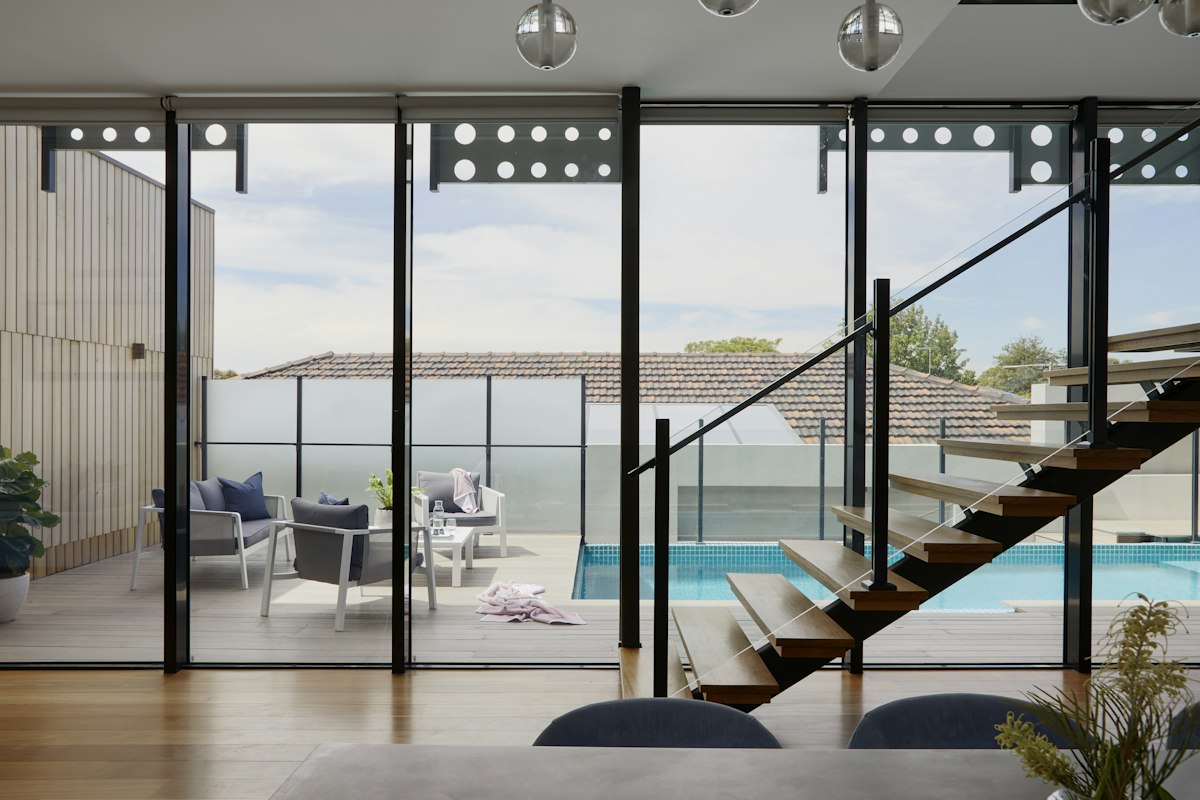
Minimalist sliding and bifold doors create expansive openings, allowing living spaces to extend into the garden, ideal for entertaining and family life.
Improved Thermal Efficiency
Despite the size, modern high-specification glazing (Uw < 1.2 W/m²K) provides excellent insulation, reducing heating costs and improving comfort compared to older window systems.
Increased Property Value
Contemporary design, excellent energy performance, and high-quality materials are highly desirable features that significantly enhance the market appeal and value of a UK home.
Conclusion and Professional Guidance
Modern architectural trends in the UK offer exciting possibilities for creating beautiful, light-filled, and efficient homes. However, these ambitious designs require rigorous technical execution, particularly concerning structural integrity, weather sealing, and compliance with the stringent thermal requirements of UK Building Regulations Part L.
Engaging early with professionals—architects, structural engineers, and specialist glazing suppliers—is vital. They can navigate the complexities of U-value calculations, solar gain mitigation, and the practical installation of large, heavy glass units, ensuring your project is both aesthetically successful and legally compliant.
Working with Shard AG
Achieving the perfect balance between minimalist aesthetics and high thermal performance demands precision engineering and expert installation. Shard AG specialises in supplying and installing bespoke, high-specification architectural glazing systems, including slimline sliding doors, structural glass links, and contemporary rooflights. We work closely with architects and homeowners across the UK to ensure all our installations meet current Building Regulations and exceed expectations for quality and design.