

Open Plan Living & Glazing: A UK Homeowner's Guide
Explore the benefits, technical considerations, and UK Building Regulations for integrating expansive glazing into open plan living spaces. A homeowner's guide.

Shard Architectural Glazing
21 February 2026
Explore the benefits, technical considerations, and UK Building Regulations for integrating expansive glazing into open plan living spaces. A homeowner's guide.
📋In This Article
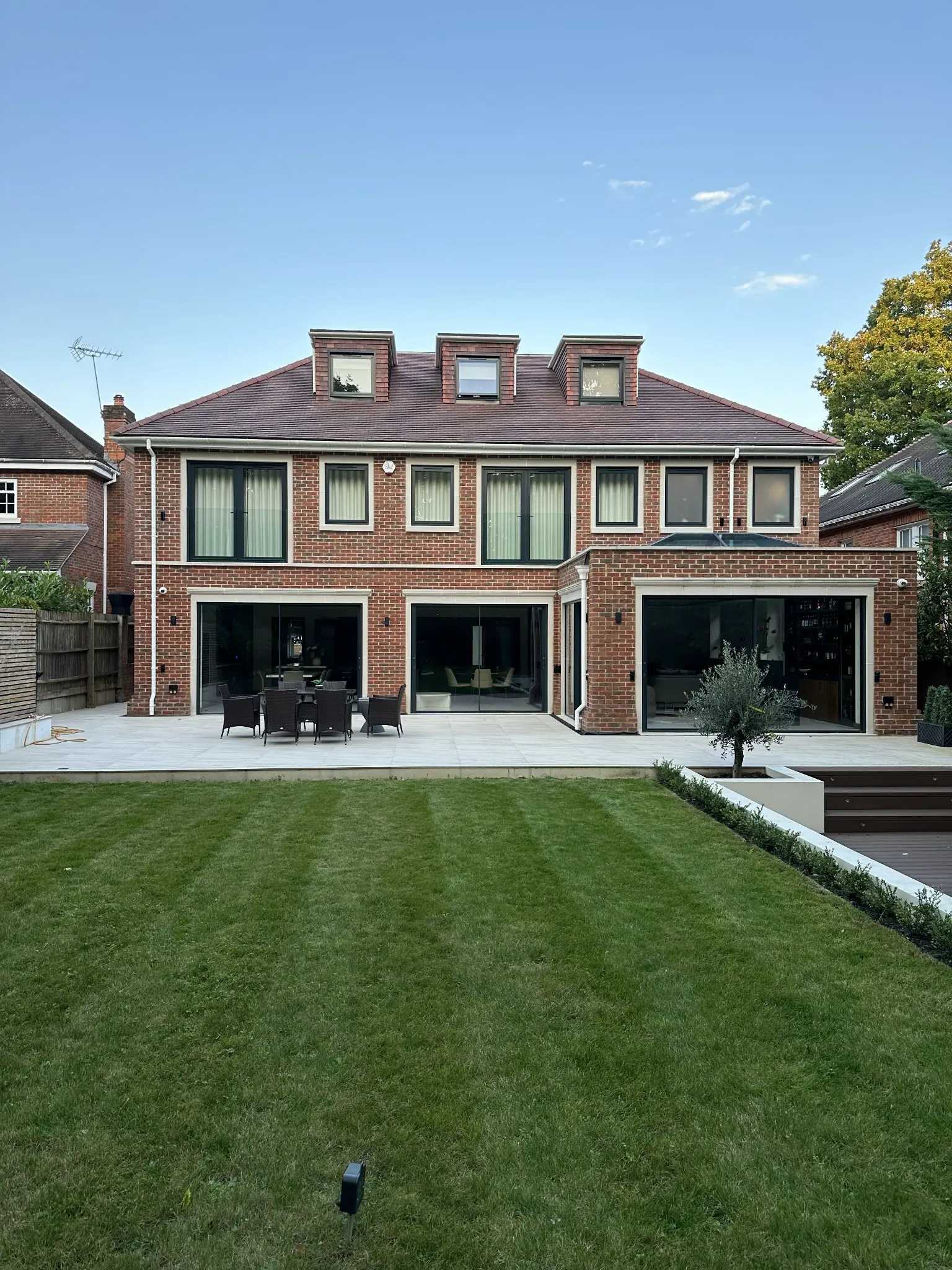
Open plan living has revolutionised modern home design, offering a sense of spaciousness, natural light, and seamless connectivity between different areas of the home. When combined with expansive glazing – such as bifold doors, sliding doors, or large picture windows – this design philosophy truly comes into its own, blurring the lines between indoor and outdoor environments. For UK homeowners considering this transformation, understanding the technical aspects, design implications, and regulatory requirements is crucial.
The Appeal of Open Plan Living with Glazing
The desire for open plan spaces stems from a need for flexibility, social interaction, and an abundance of natural light. Integrating large glazed elements amplifies these benefits significantly.
Enhanced Natural Light
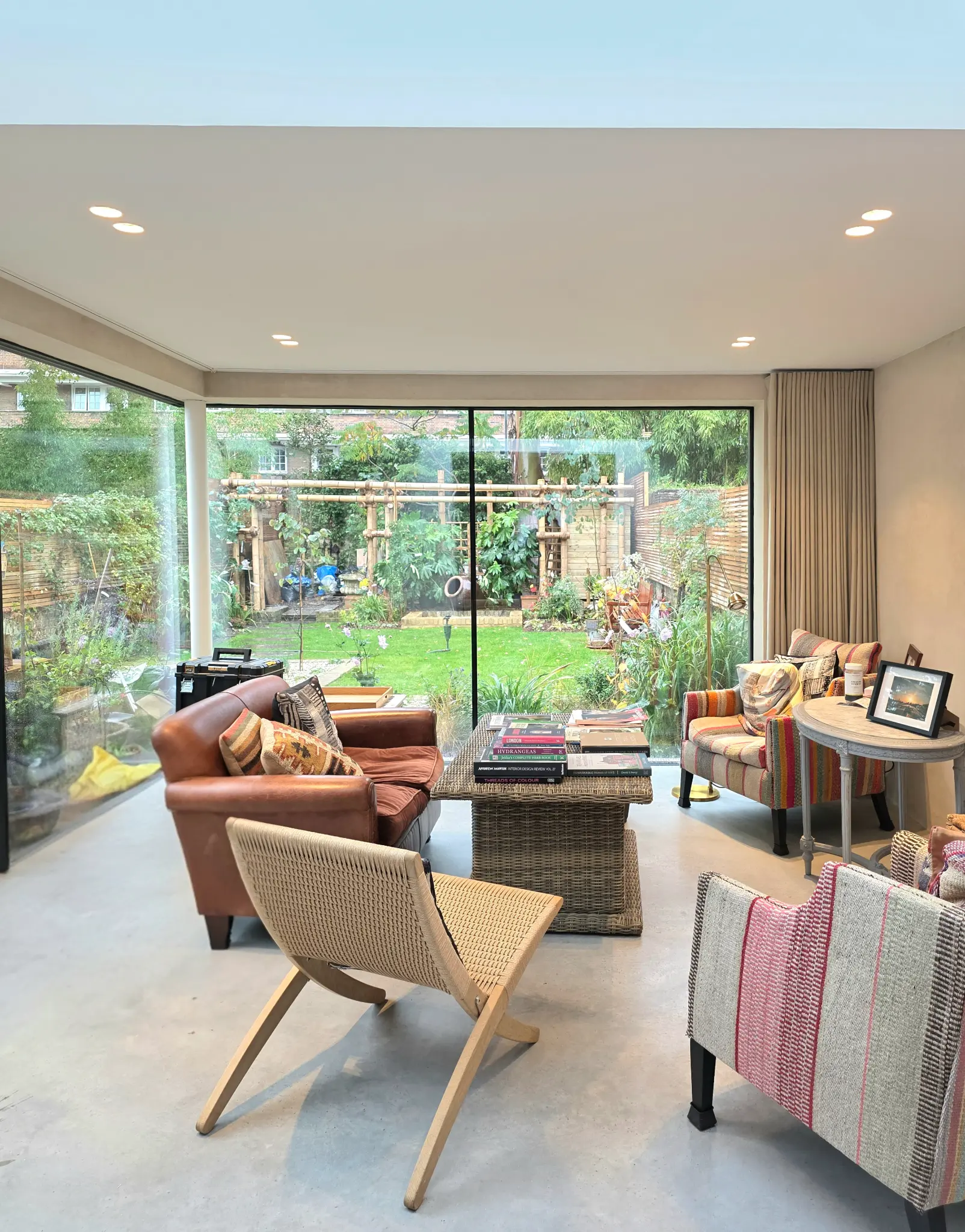
One of the most immediate and impactful benefits is the sheer volume of natural light. Large windows and doors allow daylight to penetrate deep into the floor plan, reducing the reliance on artificial lighting and creating a brighter, more uplifting atmosphere. This can have positive effects on mood and well-being.
Seamless Indoor-Outdoor Connection
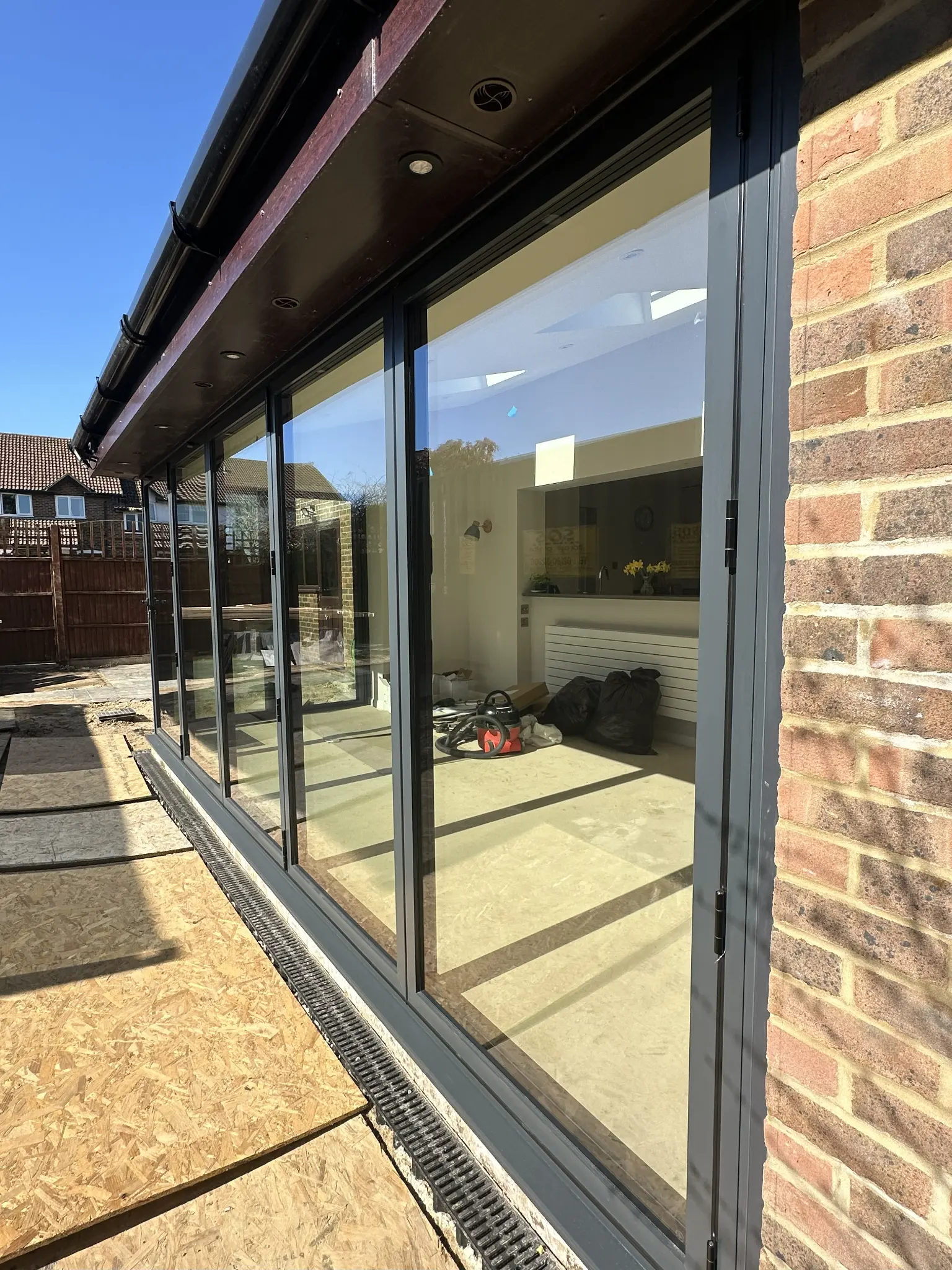
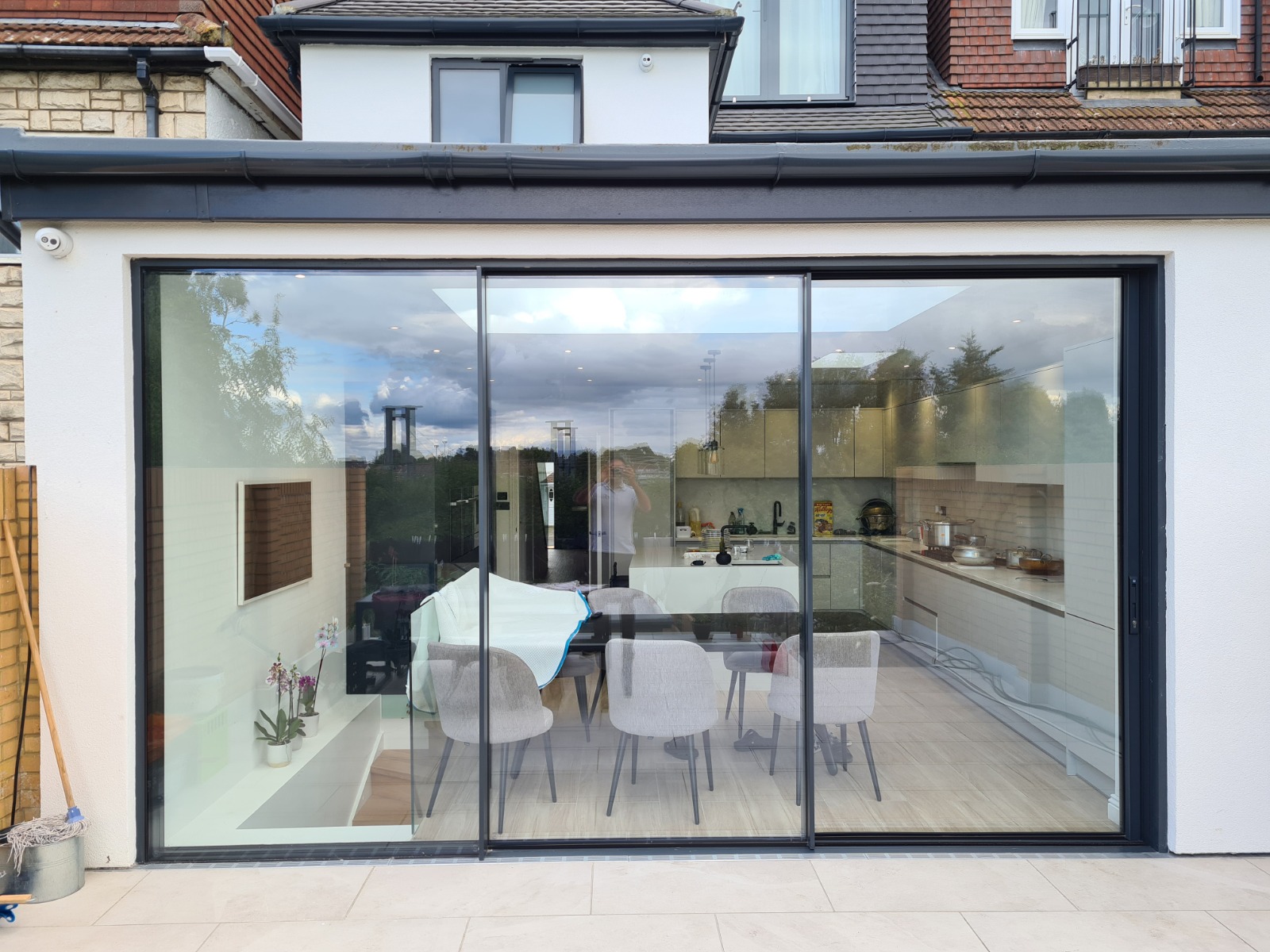
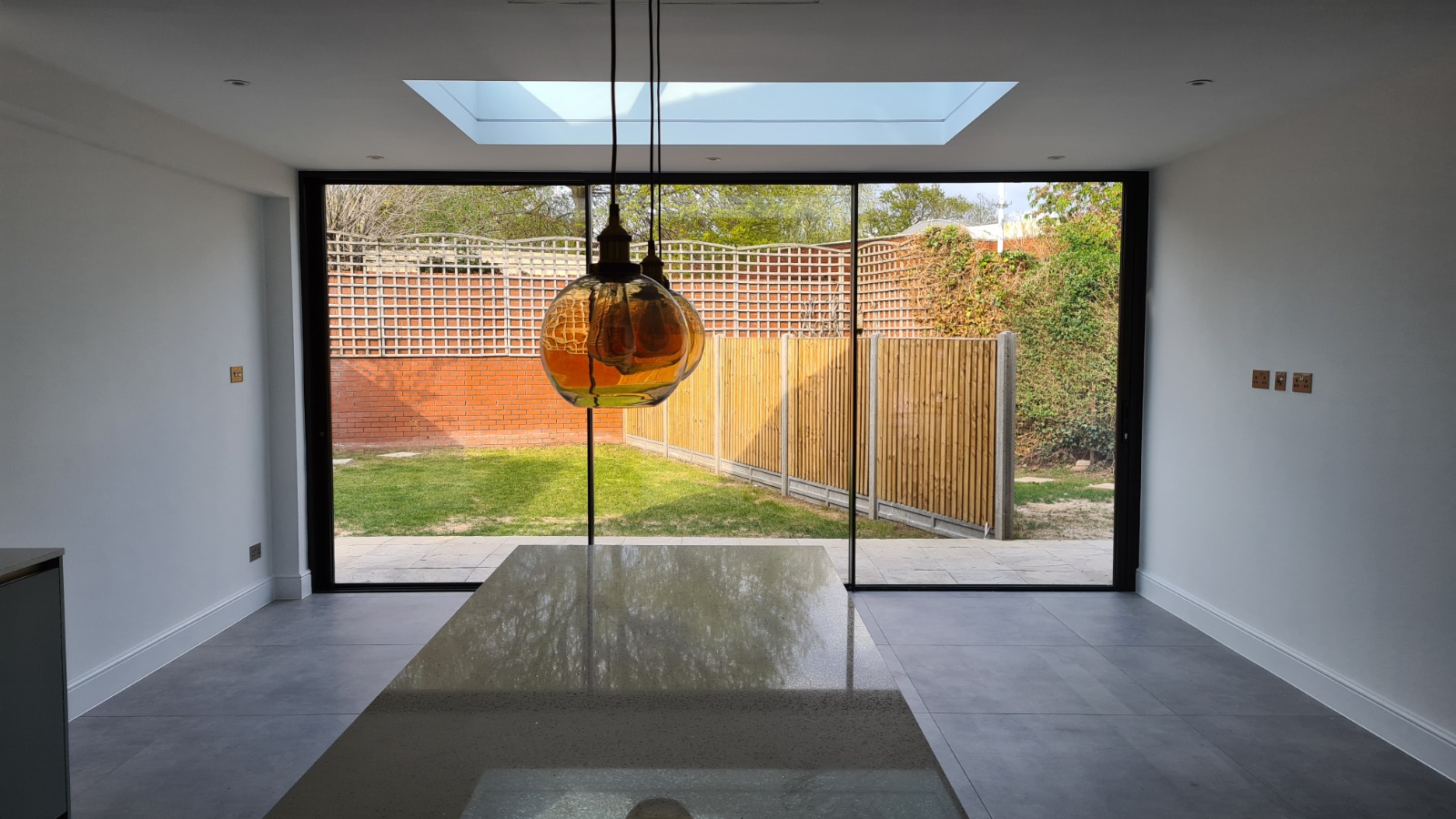
Modern glazing solutions, particularly bifold and sliding doors, can effectively 'open up' an entire wall, creating an uninterrupted transition to a garden, patio, or balcony. This is ideal for entertaining, family life, and enjoying the UK's warmer months, making outdoor spaces feel like an extension of the home.
Perceived Space and Flow
Removing internal walls and replacing them with open areas or large glazed panels instantly makes a home feel larger and more airy. The visual continuity created by expansive glass can make even compact spaces appear more generous, improving the overall flow and functionality of the home.
Architectural Statement
Beyond practicality, large-scale glazing makes a bold architectural statement. It can transform a conventional property into a contemporary masterpiece, adding significant aesthetic appeal and potentially increasing property value.
Maximised Light
Floods interiors with natural light, reducing energy consumption and enhancing mood.
Indoor-Outdoor Flow
Connects living spaces with gardens or patios, perfect for entertaining and family life.
Increased Property Value
Modern, light-filled open plan designs are highly desirable to potential buyers.
Contemporary Aesthetic
Creates a sleek, modern look that can transform the feel of your home.
Key Technical Considerations for Glazing
Achieving a successful open plan glazed space requires careful attention to several technical details, ensuring comfort, safety, and regulatory compliance.
Thermal Performance (U-Values)
In the UK, thermal performance is paramount due to our climate. The U-value measures how effectively a building element prevents heat from escaping. A lower U-value indicates better insulation. For new build properties and extensions, UK Building Regulations Part L (Conservation of Fuel and Power) 2022 specify a maximum U-value for windows and doors of 1.2 W/m²K. For replacement windows and doors, this is 1.4 W/m²K. Achieving these values with large glazed areas often necessitates high-performance double or triple glazing, thermally broken frames, and advanced glass coatings (e.g., low-emissivity or 'low-e' coatings).
Structural Integrity
Removing load-bearing walls for open plan designs requires careful structural assessment and the installation of appropriate support, typically steel beams (RSJs) or timber lintels. When incorporating large glazed elements, especially those spanning significant widths, the structural implications for the surrounding walls and roof must be thoroughly evaluated by a qualified structural engineer. The weight of the glazing itself, combined with wind loads, needs to be accounted for.
Solar Gain and Overheating
While natural light is desirable, excessive solar gain (heat from the sun) can lead to overheating, particularly in south-facing rooms with large glazed areas. Strategies to mitigate this include:
- Solar control glass: Special coatings or tints that reflect or absorb a portion of solar radiation.
- External shading: Awnings, brise soleil, or deep overhangs can block high-angle summer sun while allowing lower winter sun to penetrate.
- Ventilation: Effective cross-ventilation or trickle vents to allow hot air to escape.
Security
Large glazed doors and windows can be perceived as a security vulnerability. Modern glazing systems, however, incorporate advanced security features:
- Multi-point locking systems: Engaging at several points along the frame.
- Toughened or laminated glass: More resistant to impact.
- Secured by Design accreditation: A police-preferred specification for enhanced security.
Acoustic Performance
Open plan spaces can suffer from increased noise reverberation. Large glazed areas can also transmit external noise. Specifying acoustic glass (laminated glass with a special interlayer) can help reduce sound transmission from outside. Internally, soft furnishings, rugs, and acoustic panels can mitigate reverberation.
Pro Tip
When planning for large glazed areas, always consider the orientation of your home. South-facing walls will benefit most from solar control glass and external shading to prevent overheating, while north-facing walls might prioritise maximum light transmission with excellent thermal insulation.
UK Building Regulations and Compliance
Any significant alteration to a home, particularly those involving structural changes or changes to thermal performance, will typically require compliance with UK Building Regulations. It is highly recommended to consult with your local Building Control Body or an Approved Inspector early in your project.
Part A: Structure
Removing load-bearing walls or introducing large openings requires a structural engineer's calculations and Building Control approval to ensure the structural integrity of the building is maintained.
Part B: Fire Safety
Open plan layouts can affect fire escape routes and the spread of fire. Depending on the size and layout of the property, you may need to consider measures such as:
- Protected escape routes: Ensuring a clear path to an exit.
- Smoke detectors: Strategically placed throughout the open plan area.
- Fire suppression systems: Such as sprinklers, particularly in larger or multi-storey open plan homes.
- Fire-rated doors: For adjoining rooms or escape routes if required.
Part L: Conservation of Fuel and Power
This is critical for glazing. As mentioned, new build and extension glazing must achieve 1.2 W/m²K, and replacement glazing 1.4 W/m²K. If a large proportion of your extension's external surface is glazed, you may need to demonstrate overall compliance through a 'whole dwelling' calculation (SAP or SBEM assessment) rather than just meeting individual U-values. This might mean improving the insulation of other elements (walls, floor, roof) to compensate for the higher U-value of glazing compared to solid walls.
| Building Element | Target U-Value (W/m²K) - Part L 2022 (England) |
|---|---|
| Walls (New Build & Extensions) | 0.18 |
| Floors | 0.18 |
| Roofs | 0.15 |
| Windows/Doors (New Build & Extensions) | 1.2 |
| Windows/Doors (Replacement) | 1.4 |
Part F: Ventilation
Open plan spaces still require adequate ventilation to maintain good indoor air quality. This typically involves trickle vents in windows, extract fans in kitchens and bathrooms, and potentially mechanical ventilation with heat recovery (MVHR) systems in highly airtight homes.
Planning Permission
While many internal alterations do not require planning permission, if your open plan project involves an extension, significant external changes, or if your property is listed or in a conservation area, you will almost certainly need to apply for planning permission. Always check with your local planning authority.
Design Considerations and Material Choices
The aesthetic and functional success of your open plan glazed space will depend heavily on design choices and material selection.
Frame Materials
- Aluminium: Popular for its strength, slim sightlines, and modern aesthetic. Excellent thermal break technology is available.
- uPVC: Cost-effective, low maintenance, and good thermal performance, though sightlines can be thicker.
- Timber: Offers a natural, warm aesthetic. Requires more maintenance but can achieve excellent thermal performance. Often used in conservation areas.
- Composite (Alu-clad timber): Combines the warmth of timber internally with the durability and low maintenance of aluminium externally.
Types of Glazing
- Bifold Doors: Fold back concertina-style to create a large opening, ideal for seamless indoor-outdoor flow.
- Sliding Doors (Patio Doors): Offer larger individual glass panels and can span wider openings than bifolds, often providing a clearer, less interrupted view when closed. Available as lift-and-slide or inline.
- French Doors: A classic option for smaller openings, offering a traditional aesthetic.
- Picture Windows: Large, fixed panes of glass designed purely for views and light, without an opening mechanism.
- Rooflights/Skylights: Crucial for bringing light into deeper open plan spaces, especially in extensions with solid roofs.
Potential Drawbacks and How to Mitigate Them
While open plan living with glazing offers many advantages, it's important to be aware of potential challenges.
- Lack of Privacy: Large glazed areas can expose your home to neighbours. Solutions include smart glass (switchable privacy), blinds, curtains, or strategic landscaping.
- Noise Transfer: Open plan spaces can mean noise from one area (e.g., kitchen) travels easily to another (e.g., living area). Consider acoustic treatments or zoning with partial walls/screens.
- Temperature Control: As discussed, managing solar gain and heat loss is critical. High-performance glazing and shading are essential.
- Zoning and Definition: Without walls, defining different functional areas can be tricky. Use furniture placement, rugs, lighting, changes in flooring, or partial screens to create distinct zones.
- Cleaning: Large expanses of glass will require more frequent cleaning, particularly externally. Consider self-cleaning glass or easy-access designs.
Conclusion
Open plan living with extensive glazing offers a transformative experience for UK homes, delivering light, space, and a strong connection to the outdoors. However, it's a project that demands thorough planning and a deep understanding of technical specifications, structural requirements, and compliance with UK Building Regulations. By carefully considering thermal performance, structural integrity, solar control, and fire safety, homeowners can create stunning, comfortable, and compliant open plan spaces that enhance their lifestyle for years to come.
For expert advice on integrating high-performance glazing into your open plan project, from initial design concepts to installation, consider consulting with specialists in architectural glazing. They can guide you through the complexities of material selection, U-values, security features, and Building Regulation compliance to ensure your vision becomes a reality.
Explore Our Products
Discover how Shard Architectural Glazing can transform your home with our premium glazing solutions:
Ready to Transform Your Home?
Get in touch with our expert team for a free consultation and personalised quote. We'll help you choose the perfect glazing solution for your property.