

Open Plan Living & Glazing: Design, Regulations & Benefits
Explore how modern glazing solutions transform open-plan living in UK homes. Understand design considerations, Building Regulations, and practical advice.

Shard Architectural Glazing
12 February 2026
Explore how modern glazing solutions transform open-plan living in UK homes. Understand design considerations, Building Regulations, and practical advice.
📋In This Article
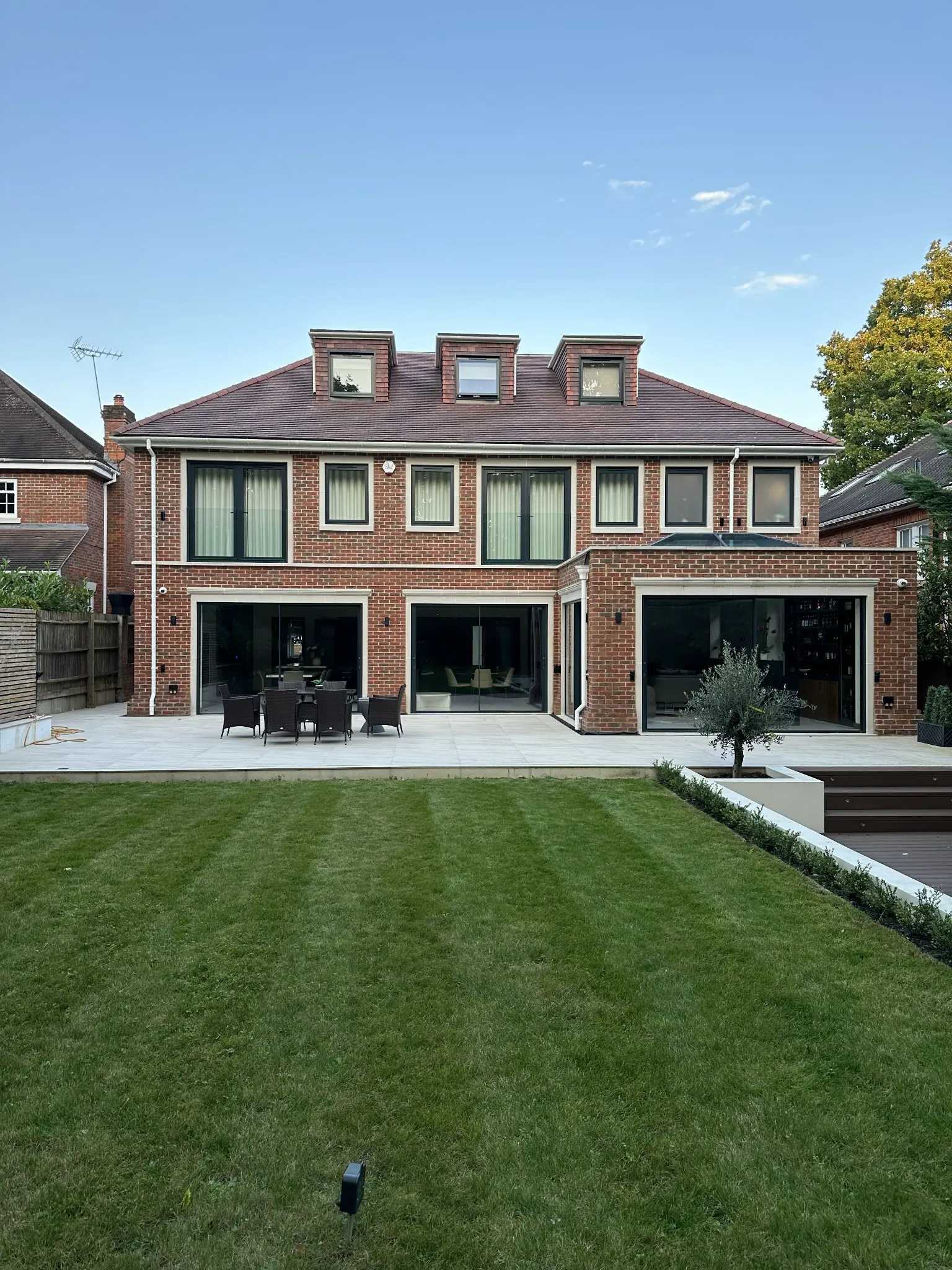
Open-plan living has become a cornerstone of contemporary home design in the UK, offering a sense of spaciousness, light, and connectivity that traditional layouts often lack. Marrying this architectural style with advanced glazing solutions can truly transform a property, blurring the lines between indoor and outdoor spaces and enhancing natural light penetration. However, achieving a successful open-plan design, particularly one heavily reliant on glazing, requires careful consideration of aesthetics, functionality, and, crucially, adherence to UK Building Regulations.
This comprehensive guide will delve into the world of open-plan living with glazing, providing homeowners with the knowledge needed to make informed decisions. We'll explore the benefits, address common challenges, and outline the essential technical and regulatory aspects to ensure your project is both beautiful and compliant.
The Appeal of Open-Plan Living with Modern Glazing
The desire for more expansive, multifunctional living spaces has driven the popularity of open-plan layouts. When integrated with modern glazing, the advantages are amplified:
Enhanced Natural Light
Large windows, bi-fold doors, and sliding doors allow natural light to flood deep into the home, reducing reliance on artificial lighting and creating a brighter, more uplifting atmosphere. This can also contribute to improved well-being and productivity.
Improved Sense of Space
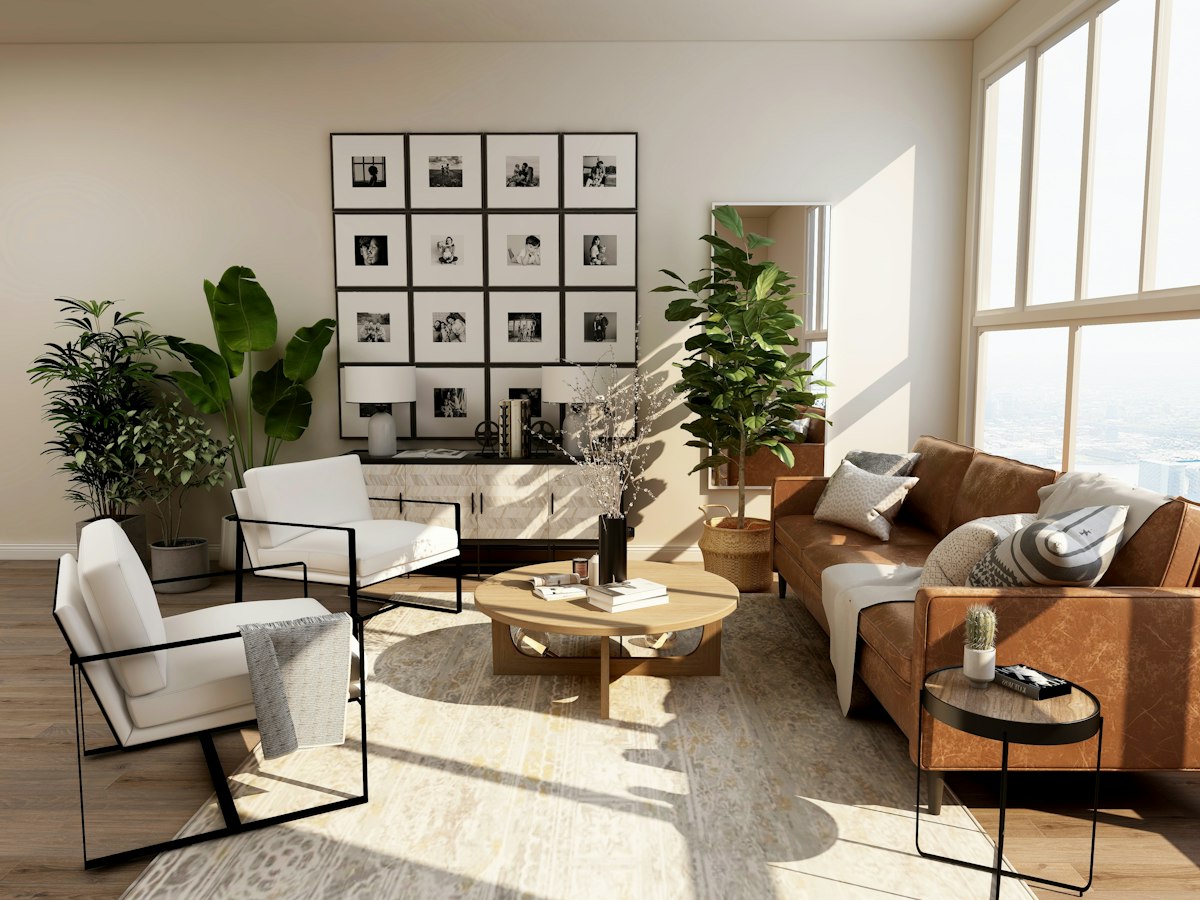
By removing internal walls and incorporating extensive glazing, even smaller homes can feel significantly larger and more open. Visual barriers are minimised, creating an uninterrupted flow.
Better Connectivity & Social Hub
Open-plan areas naturally become the heart of the home, facilitating easier interaction between family members and guests. Cooking, dining, and relaxing can occur within the same dynamic space, fostering a more communal living experience.
Seamless Indoor-Outdoor Living
Glazed doors, such as bi-folds or sliders, can virtually disappear, creating a seamless transition to gardens or patios. This is particularly appealing during warmer months, extending living space outdoors.
Design Considerations for Glazing in Open-Plan Spaces
- Type of Glazing: Consider bi-fold doors, sliding doors (including lift-and-slide), large picture windows, roof lanterns, or even structural glass walls. Each offers different aesthetic and functional benefits.
- Orientation: The direction your glazed areas face significantly impacts solar gain and natural light. South-facing glazing will receive the most sun, potentially leading to overheating if not managed with shading. North-facing glazing provides consistent, diffused light.
- Shading Solutions: Integral blinds, external shading (e.g., brise soleil), or internal blinds are crucial for managing solar gain, privacy, and glare, especially for south or west-facing glazing.
- Ventilation: Large glazed areas can impact natural ventilation. Ensure adequate trickle vents or opening sections are incorporated to maintain good air quality and prevent stuffiness.
- Aesthetics: Frame materials (aluminium, timber, composite), colours, and sightlines should complement the overall architectural style of your home.
UK Building Regulations and Glazing for Open-Plan Living
Integrating extensive glazing into an open-plan design, especially in extensions or renovations, requires careful adherence to UK Building Regulations. The primary concern is often thermal performance (Part L) and structural integrity (Part A), but fire safety (Part B) and ventilation (Part F) are also critical.
Part L: Conservation of Fuel and Power
This is arguably the most impactful regulation for glazing. Large glazed areas can be a significant source of heat loss if not specified correctly. Building Control will assess the overall thermal performance of your extension or renovated space. The key metric is the U-value, which measures how effectively a component prevents heat from escaping. A lower U-value indicates better insulation.
For new build and extensions in England (2022 standards):
- Walls: 0.18 W/m²K
- Floors: 0.18 W/m²K
- Roofs: 0.15 W/m²K
- Windows/Doors (New Build): 1.2 W/m²K
- Windows/Doors (Replacement): 1.4 W/m²K
If your design features a high proportion of glazing, it's common for the overall thermal performance to be assessed using a 'whole dwelling' or 'whole extension' calculation (e.g., SAP or SBEM for new builds, or a simplified elemental method for extensions). This means that if your glazing U-values are higher than the target, you might need to compensate with better insulation in other areas (walls, floor, roof) to achieve the overall required thermal efficiency.
Pro Tip
When planning extensive glazing, always aim for the lowest practical U-values for your windows and doors. Triple glazing, while a higher initial investment, can significantly improve thermal performance, helping you meet Part L requirements more easily and reducing long-term energy bills. Look for U-values below 1.0 W/m²K for optimal performance.
Part A: Structure
Removing internal walls to create open-plan spaces often means removing load-bearing elements. This necessitates the installation of new structural supports, such as steel beams (RSJs) or timber lintels. A structural engineer must design these elements, and their calculations will be required by Building Control. Proper foundations and connections are paramount to ensure the stability and safety of your home.
Part B: Fire Safety
Open-plan layouts can sometimes pose challenges for fire safety, as they remove traditional fire compartmentation. Building Regulations Part B aims to ensure safe escape routes and limit fire spread. Key considerations include:
- Escape Routes: Ensure there's a clear, unobstructed path to an external door or designated fire escape window.
- Smoke Detection: Mains-powered smoke alarms with battery backup are typically required in open-plan areas, often interlinked throughout the property.
- Fire Doors: In some multi-storey open-plan configurations, fire doors may be required to protect escape routes, particularly if the open-plan area extends across multiple floors or compromises the protected stairway.
Part F: Ventilation
Adequate ventilation is crucial for maintaining good indoor air quality and preventing condensation. Modern, highly insulated and airtight homes, especially those with large glazed areas, require effective ventilation strategies. This typically involves:
- Trickle Vents: Integrated into window frames, these provide continuous background ventilation.
- Extract Ventilation: Mechanical extract fans in kitchens and bathrooms are essential to remove moisture and odours.
- Purge Ventilation: The ability to rapidly ventilate a space, usually achieved by opening windows or doors.
Practical Considerations and Potential Drawbacks
While open-plan living with glazing offers numerous benefits, it's important to be aware of potential challenges:
| Consideration | Impact & Solution |
|---|---|
| Noise Transmission | Sound travels easily in open spaces. Consider acoustic dampening materials (soft furnishings, rugs), or zoning with partial walls/screens. High-performance glazing can reduce external noise. |
| Heating & Cooling | Large spaces can be harder to heat or cool efficiently. Underfloor heating provides even warmth. High-performance glazing (low U-value, solar control coatings) and effective shading are critical for thermal comfort. |
| Privacy | Extensive glazing can reduce privacy. Blinds, curtains, smart glass, or strategic landscaping can offer solutions. |
| Odour Spread | Cooking odours can permeate the entire open-plan area. A powerful, externally vented extractor fan in the kitchen is essential. |
| Cleaning & Maintenance | Large glazed surfaces require more regular cleaning to maintain their aesthetic appeal. Consider self-cleaning glass or easy-access designs for external cleaning. |
| Cost | High-performance glazing, structural alterations, and advanced heating/ventilation systems can increase project costs. Factor this into your budget. |
Choosing the Right Glazing for Your Project
The choice of glazing will significantly impact the success of your open-plan scheme. Here's a brief overview of popular options:
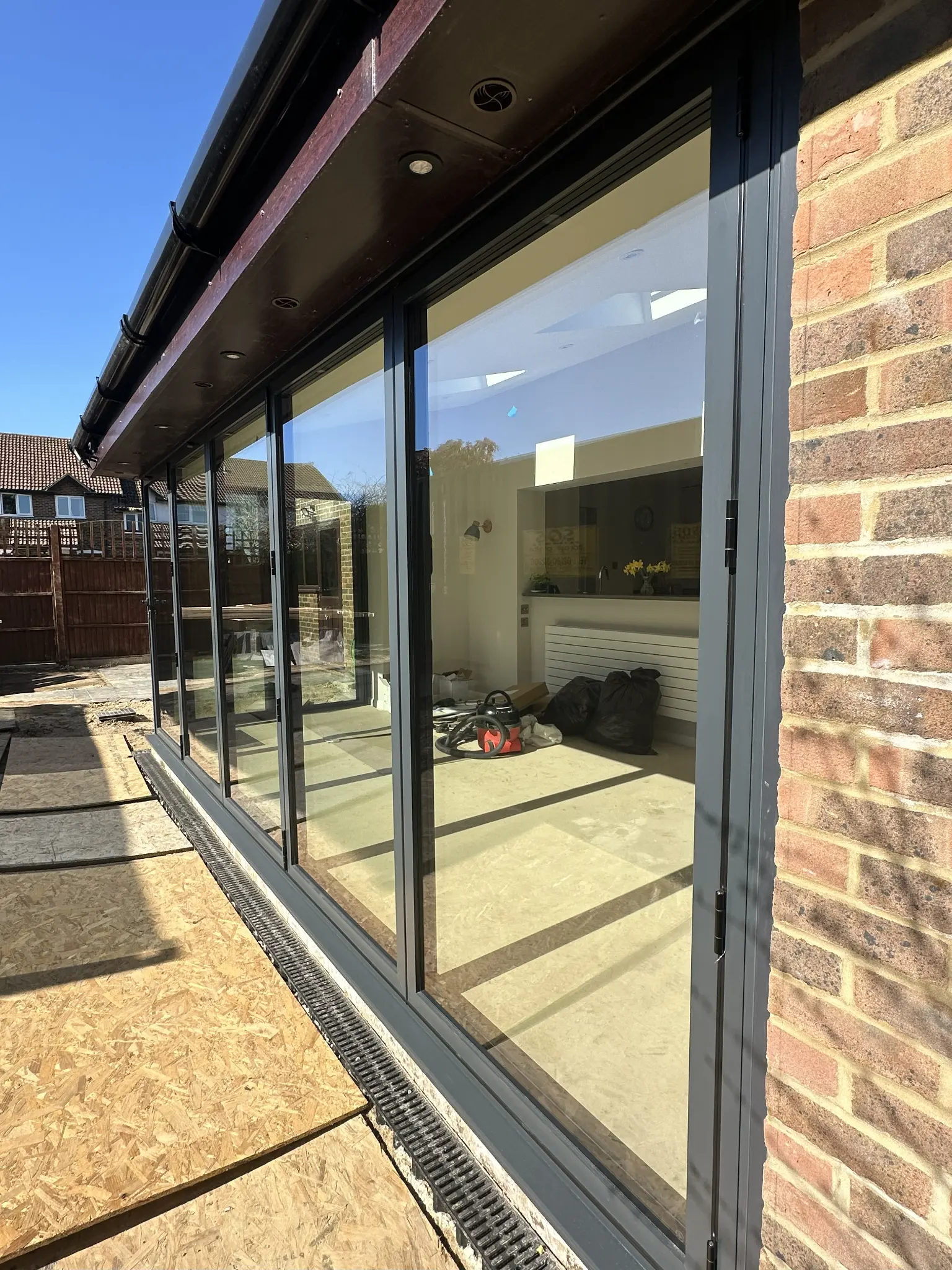
- Bi-Fold Doors: Offer a near-total opening, creating a seamless transition to the outdoors. Available in aluminium, timber, and uPVC. Aluminium typically offers slimmer sightlines and greater durability.
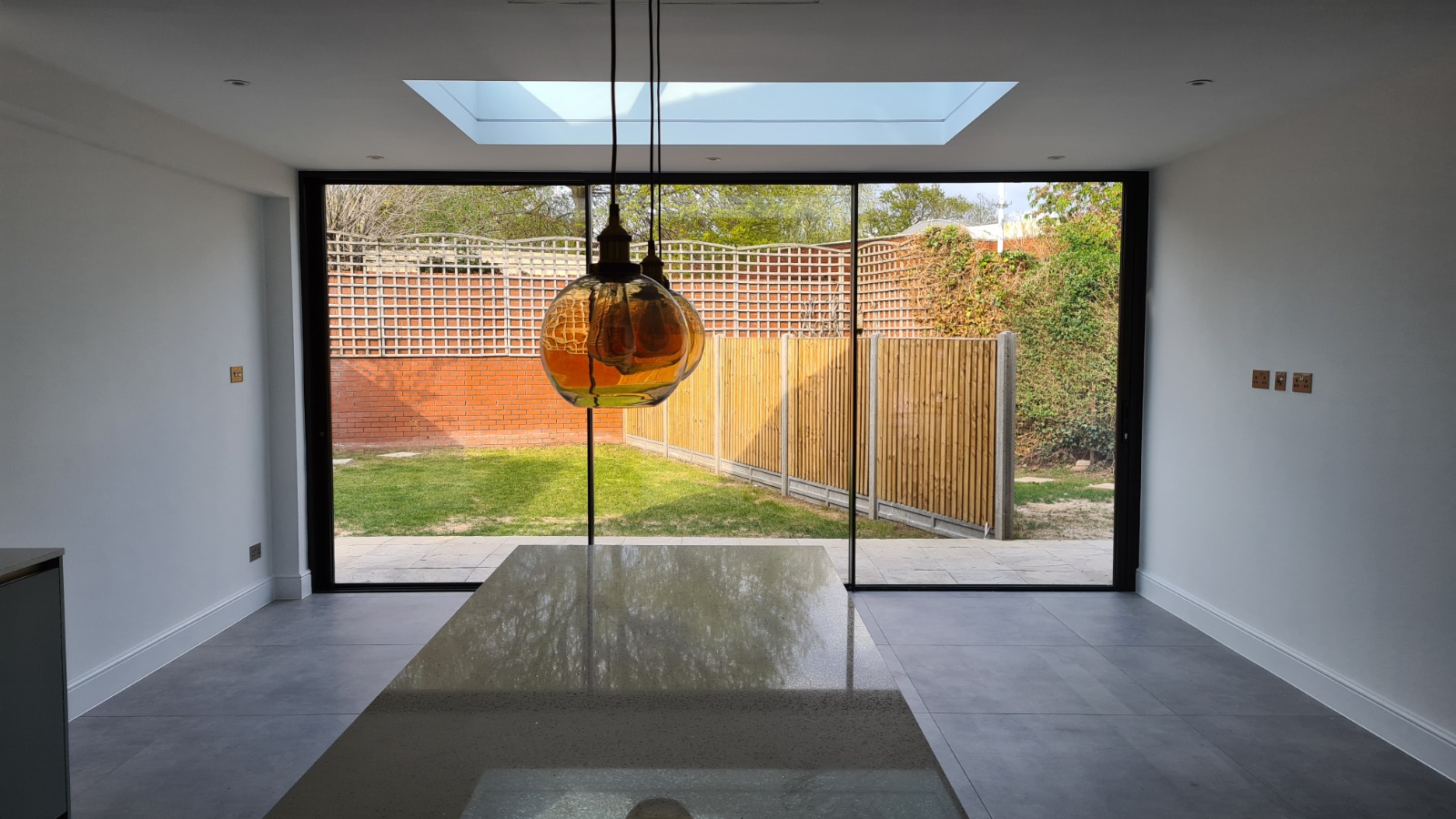
- Sliding Doors (Patio Doors): Provide large, uninterrupted panes of glass. Lift-and-slide mechanisms offer excellent thermal performance and ease of operation. Ideal for maximising views.
- Picture Windows: Fixed, large panes of glass designed purely for light and views, often used in conjunction with opening windows for ventilation.
- Roof Lanterns & Skylights: Excellent for bringing natural light deep into the centre of an open-plan space, especially in extensions with flat roofs.
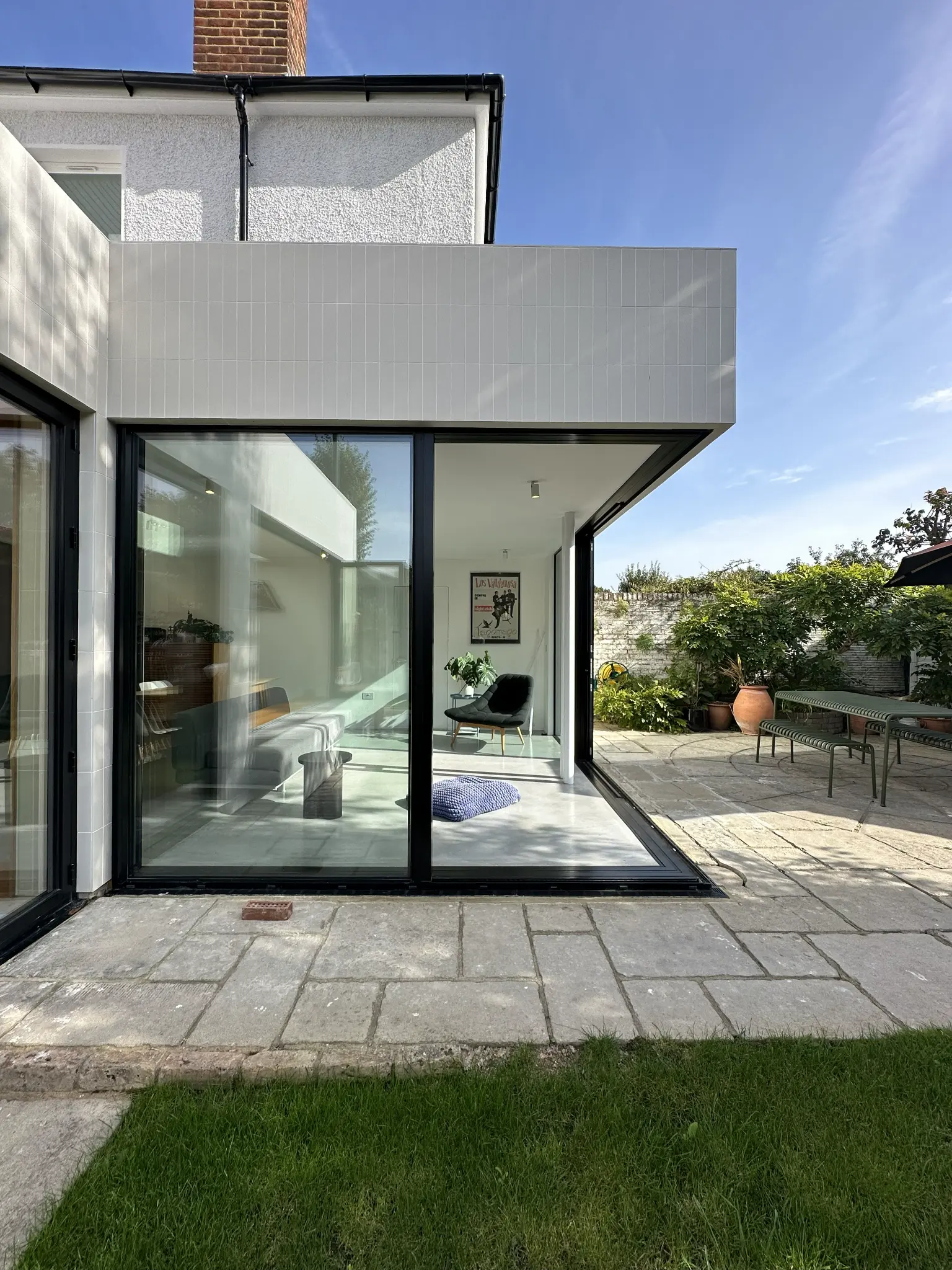
- Structural Glazing: Custom-designed glass panels, often frameless, used to create dramatic glass walls or corners, requiring specialist installation.
When selecting your glazing, always prioritise:
- U-values: Aim for the lowest possible for energy efficiency.
- Security: Look for multi-point locking systems and toughened or laminated glass.
- Durability: Choose materials and finishes that will withstand the UK climate.
- Warranty: Ensure a comprehensive warranty is provided by the manufacturer and installer.
Working with Professionals
Embarking on an open-plan renovation or extension with significant glazing requires a team of experienced professionals:
- Architect/Designer: To conceptualise the layout, aesthetics, and ensure feasibility.
- Structural Engineer: Essential for designing new structural supports and ensuring safety.
- Building Control: Your local authority Building Control or an approved independent inspector will review plans and inspect work to ensure compliance with all relevant Building Regulations. It is highly advisable to engage with them early in the planning process.
- Experienced Glazing Specialist: To advise on the best glazing products, ensure correct specification for thermal performance and structural integrity, and provide expert installation.
Open-plan living with modern glazing offers a fantastic opportunity to create a truly transformative and enjoyable home environment. By understanding the design possibilities, technical requirements, and regulatory landscape, you can embark on your project with confidence, ensuring a beautiful, energy-efficient, and compliant space.
If you're considering an open-plan project with extensive glazing, Shard AG specialises in high-performance architectural glazing solutions tailored for modern UK homes. Our expert team can guide you through the selection and specification process, ensuring your vision is realised with quality and compliance at its core.
Explore Our Products
Discover how Shard Architectural Glazing can transform your home with our premium glazing solutions:
Ready to Transform Your Home?
Get in touch with our expert team for a free consultation and personalised quote. We'll help you choose the perfect glazing solution for your property.