

Open Plan Living with Glazing: A UK Homeowner's Guide
Explore the benefits and considerations of open plan living enhanced by architectural glazing in UK homes. Understand design, regulations, and practicalities.

Shard Architectural Glazing
12 January 2026
Explore the benefits and considerations of open plan living enhanced by architectural glazing in UK homes. Understand design, regulations, and practicalities.
📋In This Article
Open plan living has become a cornerstone of modern home design in the UK, offering a sense of spaciousness, light, and connectivity that traditional layouts often lack. When combined with advanced architectural glazing solutions, this design philosophy truly comes into its own, transforming interiors and blurring the lines between indoor and outdoor spaces. This comprehensive guide delves into the world of open plan living with glazing, providing UK homeowners with the essential knowledge needed to plan, design, and execute such a project successfully.
What is Open Plan Living with Glazing?
At its heart, open plan living involves combining multiple functional areas – typically the kitchen, dining room, and living room – into a single, large, undivided space. This creates a fluid environment that encourages social interaction, enhances natural light distribution, and offers greater flexibility in furniture arrangement. The integration of architectural glazing takes this concept to the next level.
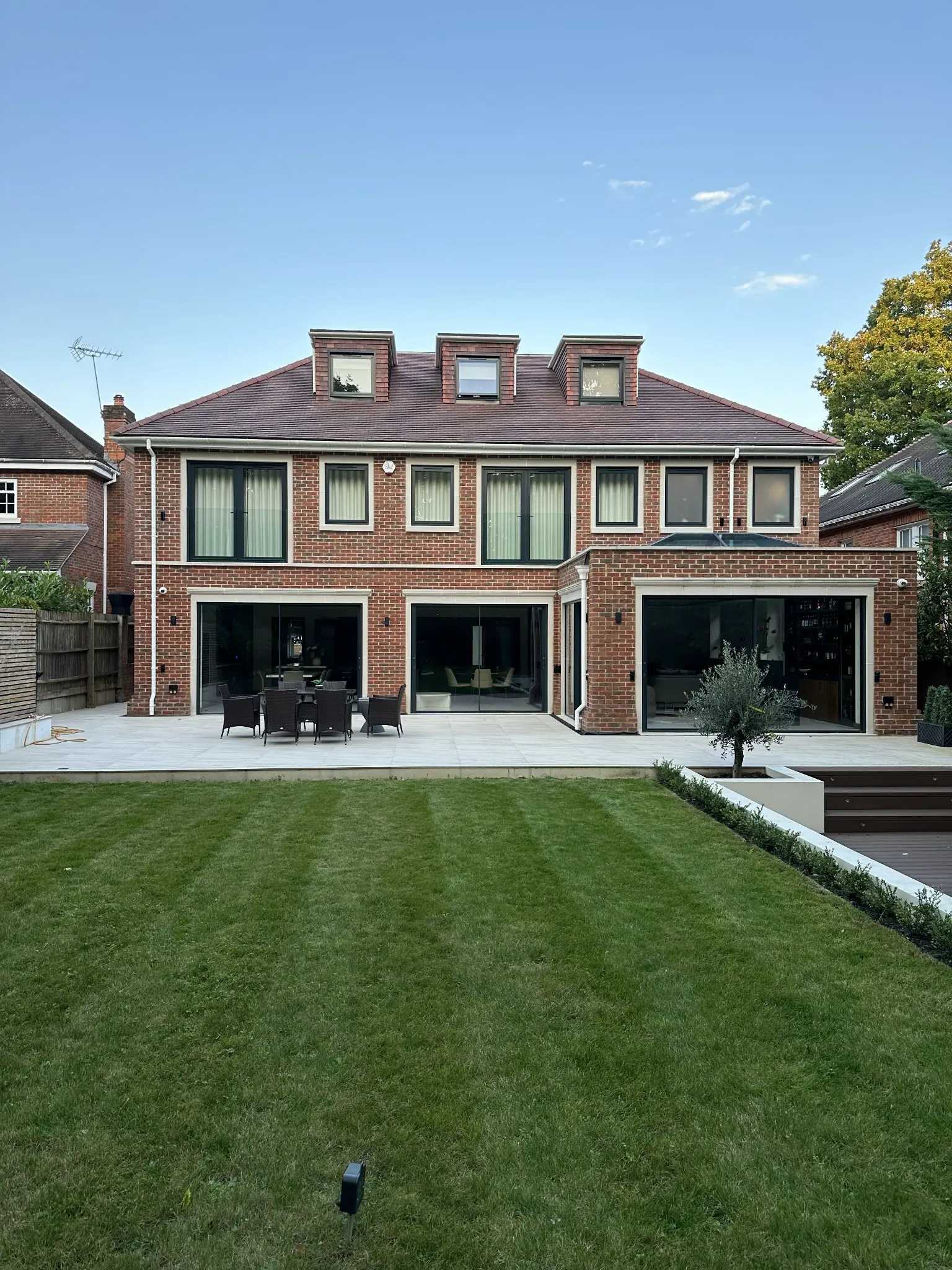
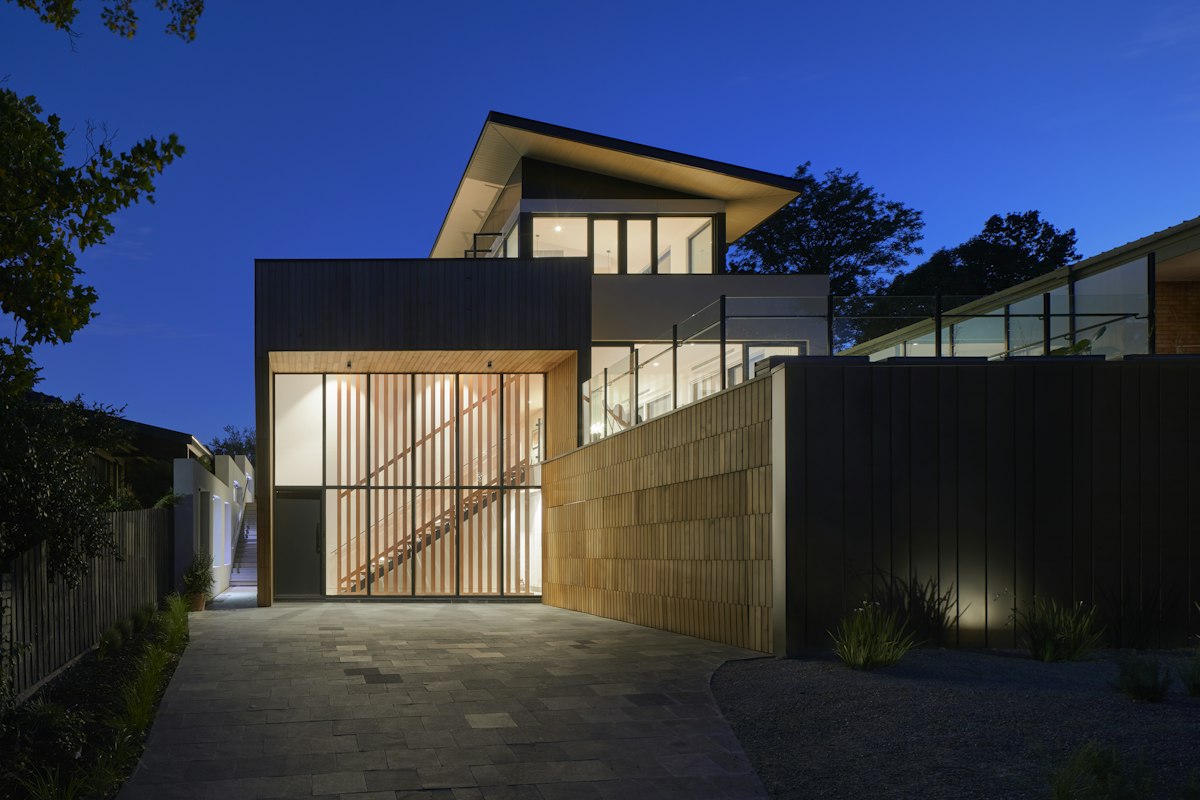
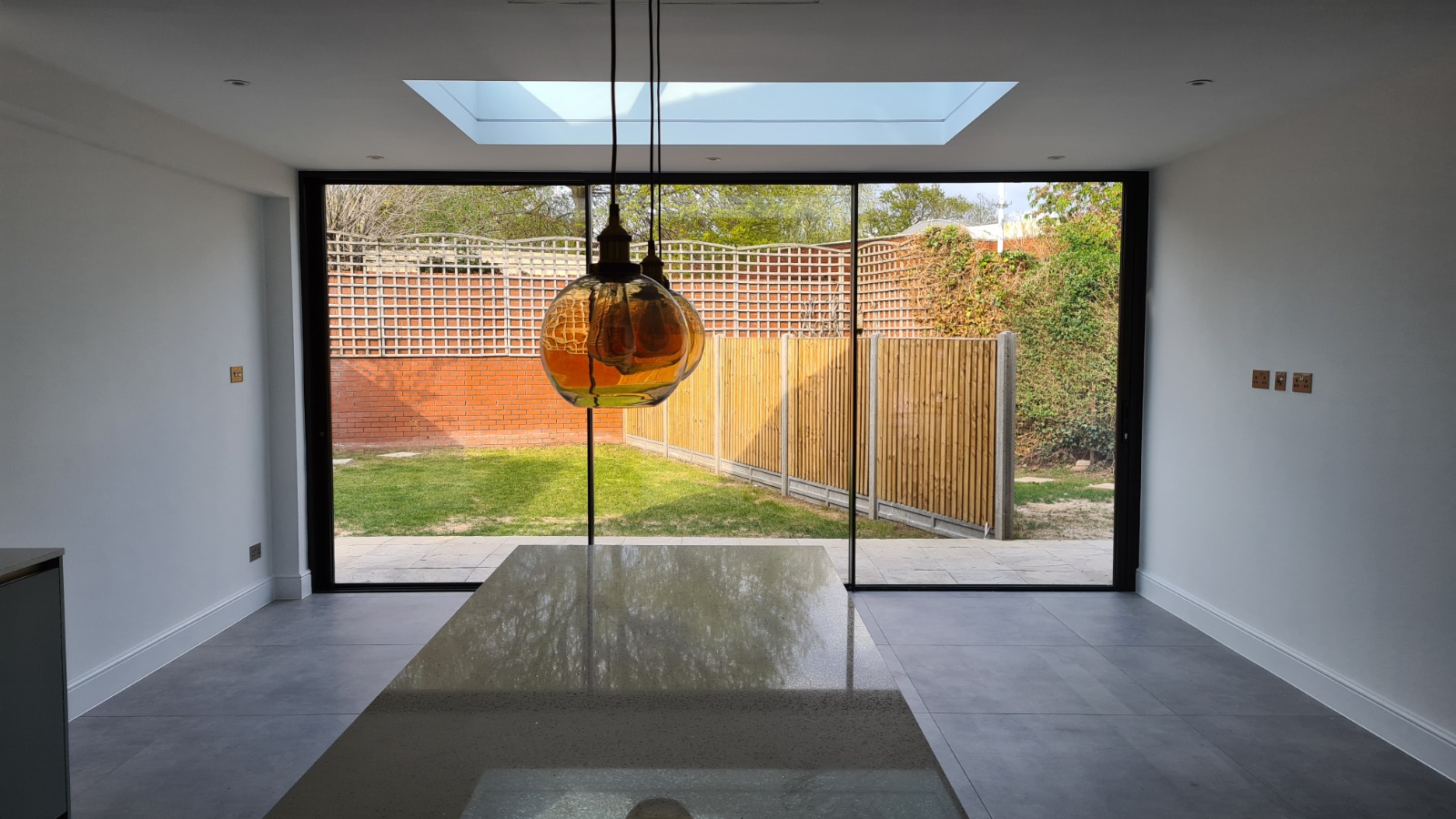
Architectural glazing refers to the use of large, often custom-designed glass elements such as bifold doors, sliding patio doors, large picture windows, rooflights, and glass extensions. These elements are not just functional openings; they are integral design features that:
- Maximise natural light penetration deep into the home.
- Offer expansive views of gardens or landscapes.
- Create a seamless transition between interior and exterior spaces.
- Contribute significantly to the aesthetic appeal and perceived size of a room.
The synergy between open plan design and high-performance glazing results in bright, airy, and versatile living environments that are highly sought after in contemporary UK homes.
Benefits and Considerations of Open Plan Glazed Spaces
While the allure of open plan living with glazing is strong, it's crucial for homeowners to understand both the advantages and the potential challenges involved.
Enhanced Natural Light
Large glazed areas flood interiors with daylight, reducing the need for artificial lighting and creating a more uplifting atmosphere. This can also contribute to improved well-being and productivity.
Improved Connectivity
Open layouts foster better interaction between family members and guests, making entertaining easier and creating a more communal living experience. The visual connection to the outdoors also enhances this sense of openness.
Perceived Space & Flow
Removing internal walls and introducing expansive glazing makes rooms feel significantly larger and more expansive. The lack of visual barriers creates an uninterrupted flow throughout the living areas.
Increased Property Value
Modern, well-designed open plan spaces with high-quality glazing are highly desirable features in the UK property market, potentially increasing your home's appeal and value.
Key Considerations:
- Thermal Performance: Large expanses of glass can traditionally lead to heat loss in winter and overheating in summer. Modern high-performance glazing, with low U-values and advanced coatings, is essential to maintain thermal comfort and energy efficiency.
- Acoustics: Sound can travel freely in open spaces. Consider acoustic treatments for ceilings, floors, and furniture to mitigate echo and noise transfer, especially in busy family homes.
- Privacy: While open views are desirable, privacy can become a concern, particularly in urban or overlooked properties. Solutions include strategically placed planting, privacy glass, or integrated blinds within the glazing units.
- Structural Implications: Removing load-bearing walls requires professional structural engineering assessment and potentially the installation of steel beams (RSJs) or other supports. This is a critical aspect of any open plan conversion.
- Kitchen Odours: In an open plan kitchen-diner, cooking smells can permeate the entire living space. A powerful, efficient extractor fan is a non-negotiable requirement.
Glazing Options for Open Plan Spaces
The choice of glazing can dramatically impact the functionality and aesthetics of your open plan area. Here are some popular options for UK homes:
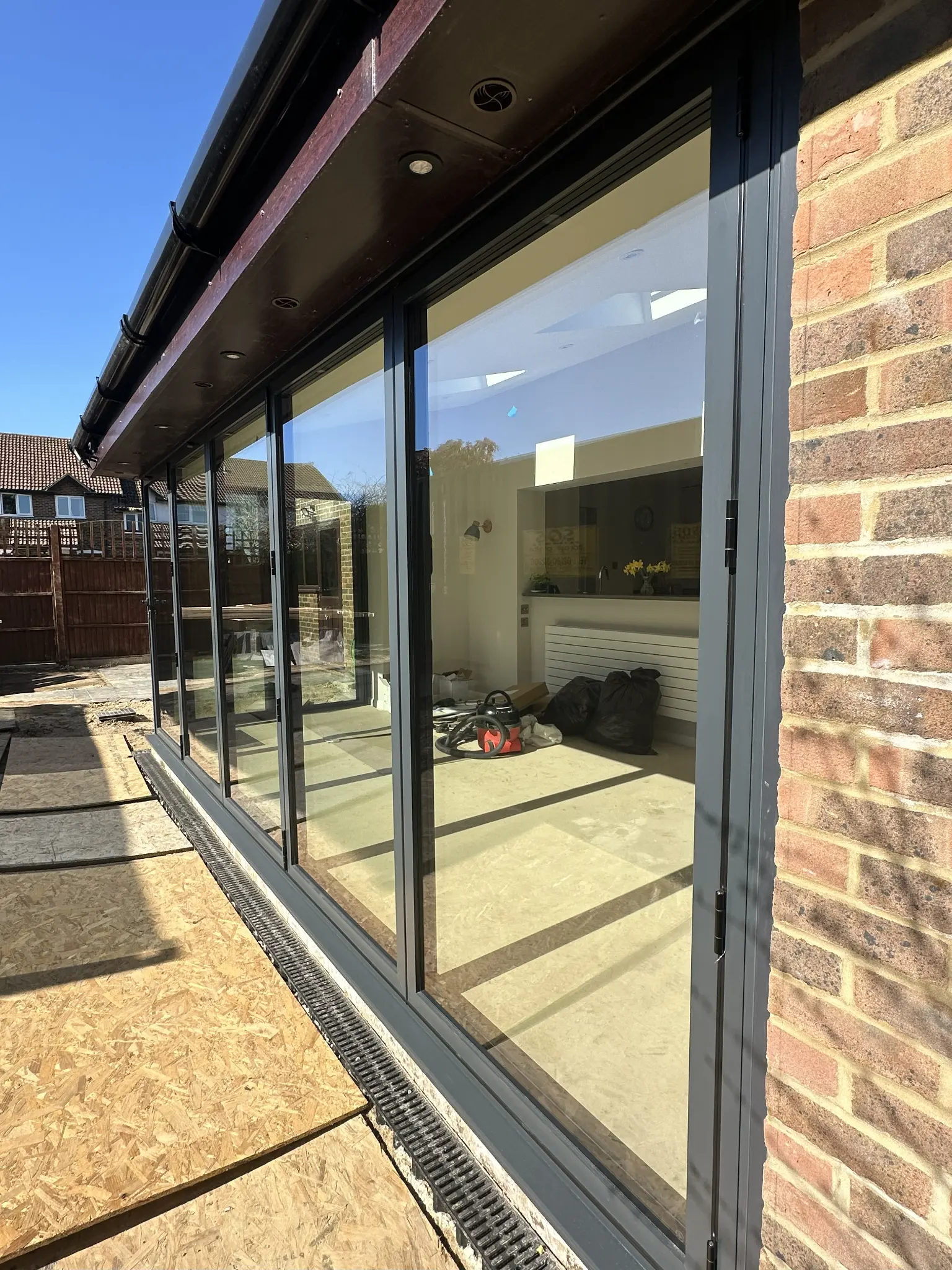
- Bifold Doors: These doors fold back concertina-style, creating a wide, unobstructed opening to the outside. Ideal for connecting a kitchen or living room to a patio or garden, offering a true indoor-outdoor experience.
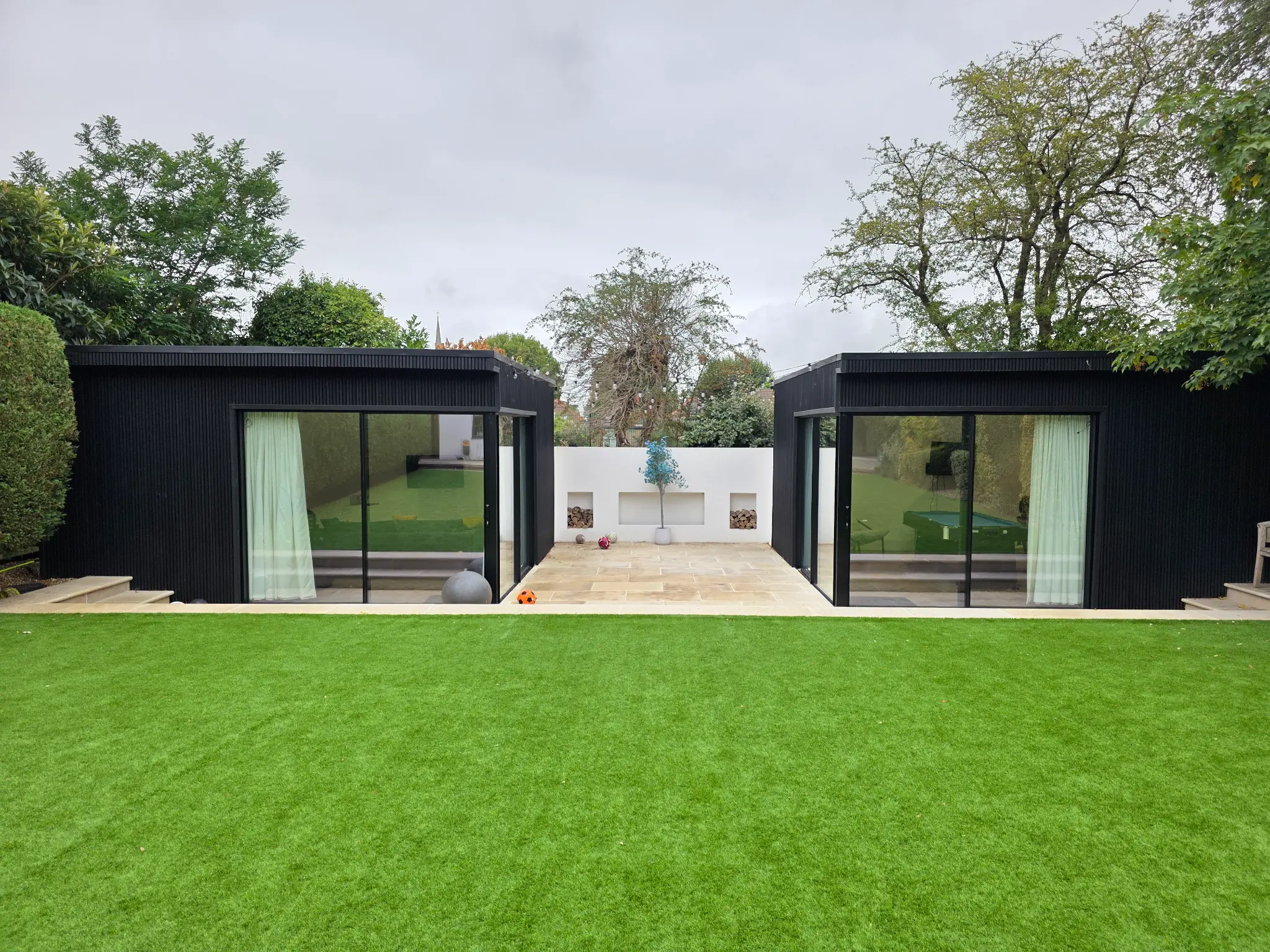
- Sliding Patio Doors: Available in various configurations (e.g., two, three, or four panels), sliding doors offer large glass panels and can be designed to slide into a pocket wall for an even wider opening. They are excellent for maximising views and natural light.
- Lift & Slide Doors: A premium version of sliding doors, these feature a mechanism that slightly lifts the door before it slides, allowing for larger, heavier panels and often superior thermal performance and security.
- Picture Windows: Large, fixed panes of glass that offer expansive, uninterrupted views. They are perfect for framing a beautiful landscape or bringing in abundant natural light without the need for an opening function.
- Rooflights & Skylights: Essential for bringing light into deeper plan areas or north-facing rooms. They can be fixed, manual, or electrically operated, and some even offer rain sensors or integrated blinds.
- Glass Extensions & Orangeries: These structures are essentially open plan rooms built predominantly with glass, offering maximum light and a strong connection to the garden year-round.
Pro Tip
When selecting glazing, always consider the orientation of your property. South-facing glazing will benefit from solar gain but may require solar control glass to prevent overheating. North-facing glazing will need excellent thermal insulation to minimise heat loss.
Building Regulations and Technical Considerations
Any significant structural alteration or new extension in the UK must comply with Building Regulations. For open plan living with glazing, several key areas require careful attention:
1. Structural Integrity
Removing internal walls, especially load-bearing ones, requires a structural engineer's assessment and calculations. Building Control will need to approve these plans to ensure the stability of your home. Steel beams (RSJs) are commonly installed to support the structure above the new opening.
2. Thermal Performance (Part L)
All new and replacement glazing must meet strict thermal performance standards to ensure energy efficiency. Under UK Building Regulations Part L (2022 England):
- New build windows/doors: Maximum U-value of 1.2 W/m²K
- Replacement windows/doors: Maximum U-value of 1.4 W/m²K
The overall thermal performance of the extension or altered space will also be assessed. For new extensions, the U-values for other elements are:
- Walls: 0.18 W/m²K
- Floors: 0.18 W/m²K
- Roofs: 0.15 W/m²K
Achieving these values often requires double or triple glazing with low-emissivity (low-e) coatings, inert gas (like argon) in the cavities, and thermally broken frames.
3. Fire Safety (Part B)
Open plan layouts can present challenges for fire safety, as they remove traditional compartmentalisation that slows the spread of fire. Building Control will assess your plans to ensure adequate escape routes and fire detection. This might involve:
- Installing a mains-powered, interlinked smoke detection system throughout the property.
- Ensuring that there is at least one escape window or door on each floor that can be opened without a key.
- In some cases, particularly in larger or multi-storey open plan homes, a sprinkler system or mist suppression system may be required, although this is less common for standard single-storey extensions.
It is always advisable to consult with your local Building Control officer early in the design process to understand specific fire safety requirements for your project.
4. Ventilation (Part F)
Adequate ventilation is crucial, especially in open plan kitchen areas. Building Regulations Part F requires sufficient means of ventilation to remove moisture and pollutants. This typically means installing an extractor fan in the kitchen with a minimum extraction rate (e.g., 30 litres per second for a cooker hood) and ensuring background ventilation through trickle vents in windows or other means.
5. Planning Permission
While many internal alterations do not require planning permission, any external changes, such as new extensions, large bifold doors, or rooflights, may fall under Permitted Development rights or require full planning permission. Always check with your local planning authority before starting work.
Design and Aesthetic Considerations
Beyond the technical aspects, the visual appeal and functionality of your open plan glazed space are paramount.
| Design Element | Considerations for Open Plan Glazing |
|---|---|
| Frame Materials | Aluminium: Strong, slim sightlines, low maintenance, modern aesthetic. Excellent for large spans. Timber: Natural, warm aesthetic, good insulation, requires more maintenance. uPVC: Cost-effective, low maintenance, but frames can be thicker. Composite: Combines benefits, e.g., timber interior, aluminium exterior. |
| Glass Specification | Low-e coatings: Essential for thermal efficiency. Solar control glass: Reduces heat gain in south-facing aspects. Acoustic glass: Reduces noise transmission. Self-cleaning glass: Reduces maintenance for hard-to-reach areas. |
| Integration with Interior | Ensure flooring transitions seamlessly between indoor and outdoor (e.g., flush thresholds for bifold doors). Consider how the glazing frames complement interior decor and colour schemes. |
| Lighting Design | Plan for both natural and artificial light. Use layered lighting (ambient, task, accent) to define different zones within the open space. Consider integrated lighting within glazing frames or rooflights. |
| Shading Solutions | External shading (e.g., awnings, pergolas) can prevent overheating. Internal blinds (roller, vertical, Venetian) or integrated blinds offer privacy and light control. |
| Zoning | Use furniture arrangement, rugs, changes in flooring, or subtle lighting to define distinct areas (kitchen, dining, living) within the open plan space without erecting physical barriers. |
Working with Professionals
Undertaking an open plan conversion with significant glazing is a complex project. Engaging the right professionals is crucial:
- Architect/Designer: To develop the overall layout, aesthetic, and ensure functionality.
- Structural Engineer: To calculate load-bearing requirements and design structural supports.
- Building Control Officer: To ensure compliance with all relevant Building Regulations.
- Experienced Glazing Specialist: To advise on the best glazing products, ensure correct installation, and guarantee thermal performance and security.
- Reputable Builder: To manage the construction process and coordinate trades.
Maintenance and Longevity
To ensure your open plan glazed space remains beautiful and functional for years to come, regular maintenance is key:
- Cleaning: Regular cleaning of glass panels and frames will maintain clarity and appearance. Use appropriate cleaning solutions for specific glass types (e.g., self-cleaning coatings).
- Hardware Checks: Periodically inspect hinges, tracks, and locking mechanisms on bifold or sliding doors. Lubricate moving parts as recommended by the manufacturer.
- Seals and Gaskets: Check for any signs of wear or degradation in rubber seals and gaskets around the glass and frames. Damaged seals can compromise thermal performance and weatherproofing.
- Drainage: Ensure that drainage channels around doors and windows are clear of debris to prevent water ingress.
Investing in high-quality glazing from a reputable supplier will generally mean better longevity and less frequent maintenance issues.
Open plan living with architectural glazing offers a transformative experience for UK homeowners, creating bright, spacious, and highly desirable homes. By carefully considering the design, technical requirements, and engaging experienced professionals, you can create a stunning and functional living space that enhances your lifestyle and adds significant value to your property.
If you're considering enhancing your home with bespoke glazing solutions for an open plan design, Shard AG specialises in high-performance architectural glazing tailored to the unique requirements of UK homes. Our expert team can guide you through every step, from initial design consultation to professional installation, ensuring your project meets the highest standards of aesthetics, efficiency, and compliance.
Explore Our Products
Discover how Shard Architectural Glazing can transform your home with our premium glazing solutions:
Ready to Transform Your Home?
Get in touch with our expert team for a free consultation and personalised quote. We'll help you choose the perfect glazing solution for your property.