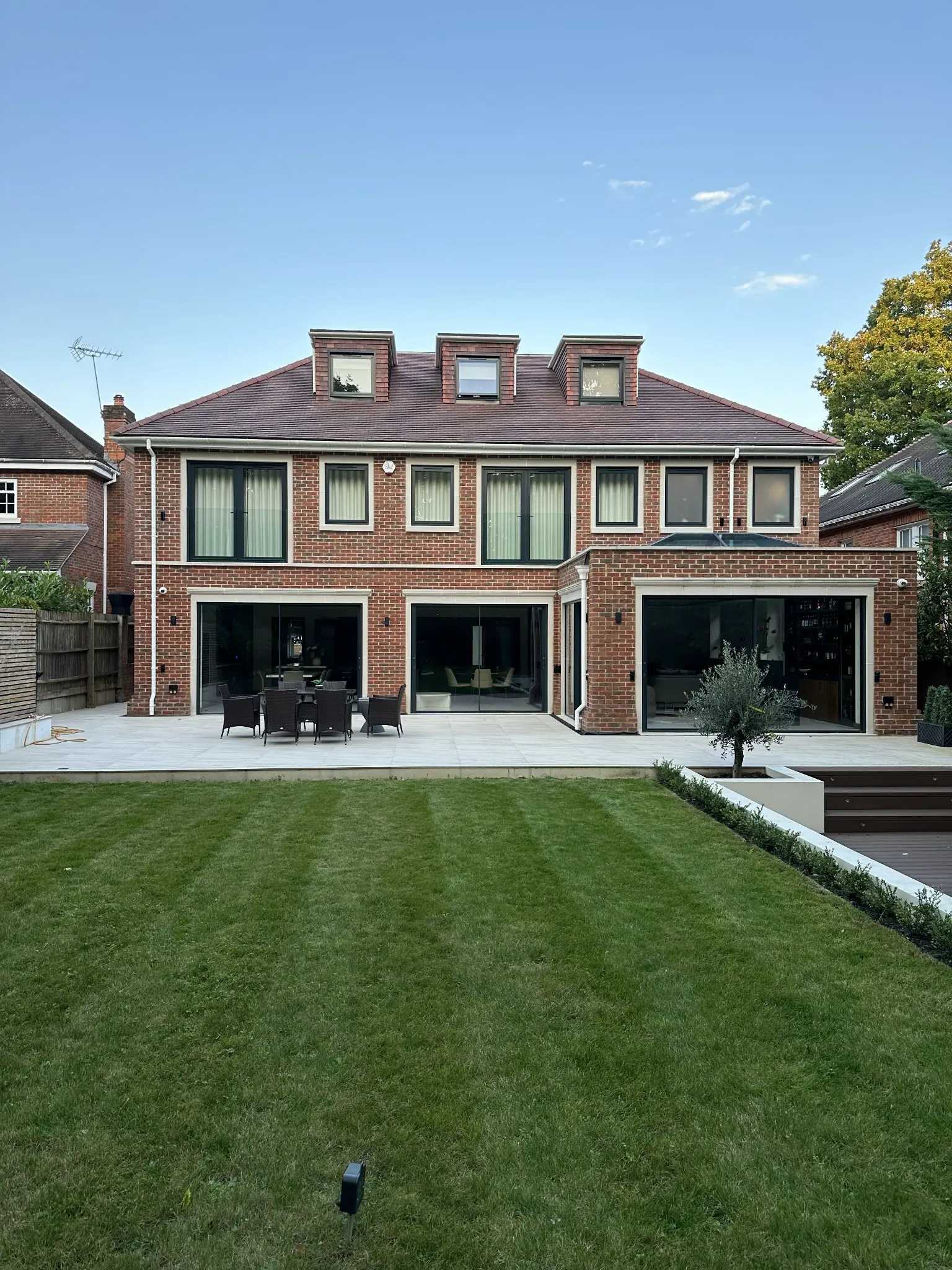


Building a home extension is an exciting project, offering the opportunity to transform your living space. Glazing selection—from large bi-fold doors and sliding systems to rooflights and picture windows—is perhaps the most critical element, dictating the extension's aesthetic, thermal performance, and overall comfort. For UK homeowners, navigating the technical requirements, particularly compliance with Building Regulations Part L, is essential for a successful build.
This comprehensive guide provides expert tips on specifying glazing for your new extension, ensuring you achieve maximum natural light without compromising energy efficiency.
Part L Compliance and U-Values: The Foundation
In England, all new extensions must comply with the current Building Regulations, specifically Part L (Conservation of Fuel and Power). The regulations govern the thermal performance of the building fabric, ensuring minimal heat loss and energy waste. Understanding U-values is fundamental to achieving compliance.
The U-value measures how effectively a component (like a window or door) prevents heat from passing through it. The lower the U-value, the better the thermal insulation.
Key Compliance Requirements for Extensions (England, 2022 Standards)
- Maximum U-value for Windows and Doors (New Build/Extension): 1.2 W/m²K
- Maximum U-value for Walls (Extension): 0.18 W/m²K
- Maximum U-value for Roofs (Extension): 0.15 W/m²K
While the individual component U-value (1.2 W/m²K) is strict, designers often use the Target Fabric Energy Efficiency (TFEE) method. This allows for flexibility. If you opt for exceptionally large glazed areas (which inherently lose more heat than a solid, insulated wall), you must compensate by significantly improving the insulation elsewhere in the extension (e.g., achieving a wall U-value much lower than 0.18 W/m²K).
Pro Tip
When seeking quotes, always request the U-value for the entire unit (the installed U-value or Uw), not just the centre pane U-value (Ug). The frame material and spacer bars significantly impact the overall performance, and the Uw is the figure Building Control will assess for compliance.
Choosing the Right Glazing System: Aesthetics vs. Performance
The choice of glazing system profoundly affects the functionality and visual appeal of your extension. Modern systems offer incredible thermal performance, but trade-offs exist regarding frame thickness, cost, and maximum panel size.
Sliding Doors vs. Bi-Fold Doors
These are the two most popular options for creating large, seamless openings between the extension and the garden.
- Sliding Doors (e.g., Lift & Slide): Offer the largest uninterrupted glass panels and the slimmest sightlines (frame thickness). Since the panels slide behind one another, they do not encroach on internal or external space when open. However, they only ever open up to 50% of the aperture.
- Bi-Fold Doors: Allow the entire aperture to be opened up (typically 90-95%), stacking neatly to one or both sides. This creates a true 'wall of glass' opening. The drawback is that the frames are generally thicker than sliding systems to accommodate the complex hinges and running gear, resulting in slightly chunkier sightlines when closed.
Roof Glazing: Maximising Vertical Light
Roof glazing, whether fixed rooflights, modular lanterns, or walk-on glass, is essential for deep plan extensions where natural light struggles to reach the interior.
- Fixed Flat Rooflights: Excellent for minimalist designs, providing pure daylight. Ensure they are specified with appropriate safety glass (laminated inner pane) and a suitable upstand height to prevent water pooling.
- Roof Lanterns: Provide a dramatic architectural feature and allow light to penetrate deeper into the room due to their vertical sides. Modern lanterns utilise thermally broken aluminium frames to maintain excellent U-values.
Specification Details: Frame Materials and Glass
The materials used for the frame and the glass specification are crucial determinants of cost, durability, and thermal efficiency.
Frame Materials Comparison
| Material | Pros | Cons | Typical U-value Range (System) |
|---|---|---|---|
| Aluminium | Extremely durable, slim sightlines, low maintenance, excellent thermal break technology. | Higher initial cost than uPVC, can be prone to condensation if not correctly installed. | 1.0 – 1.4 W/m²K |
| uPVC (Unplasticised Polyvinyl Chloride) | Cost-effective, good insulator, low maintenance. | Thicker frames required for structural integrity, sightlines are chunkier, limited colour options. | 1.2 – 1.6 W/m²K |
| Timber/Composite | Natural aesthetic, excellent insulation properties (especially timber), composite offers low maintenance exterior. | Requires more maintenance (pure timber), higher cost, thicker frames. | 0.8 – 1.3 W/m²K |
Glass Specification: Double vs. Triple Glazing
While double glazing is the minimum standard for UK compliance (using low-emissivity or 'low-e' glass and argon gas fill), triple glazing is increasingly popular, especially for very large apertures or extensions built to passive standards.
- Double Glazing: Meets the 1.2 W/m²K requirement easily when combined with a thermally broken frame. It is lighter and less expensive than triple glazing.
- Triple Glazing: Offers superior thermal performance (U-values often below 0.8 W/m²K) and enhanced acoustic dampening. However, it is heavier, requires stronger frames, and increases the cost significantly. For most standard extensions, high-performance double glazing is sufficient for compliance and comfort.
Managing Solar Gain and Overheating
A major design challenge with highly glazed extensions is preventing overheating, particularly during the summer months. This phenomenon, known as solar gain, occurs when sunlight penetrates the glass and heats the internal space.
Strategies to Mitigate Solar Gain
- Solar Control Coatings: Specify glass with a solar control coating. This microscopic layer reflects a percentage of the sun's heat energy while still allowing visible light through. It is essential for south or west-facing elevations.
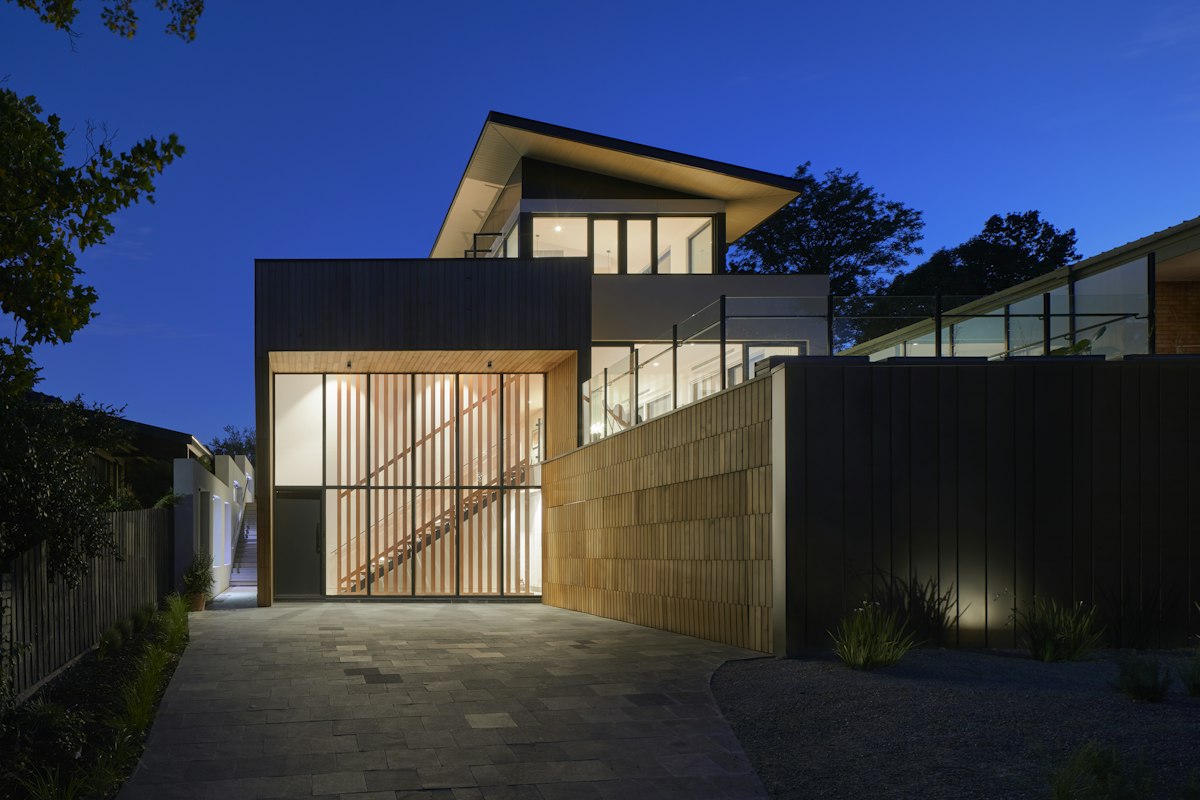
- External Shading: The most effective method. Consider external shading solutions like brise soleil, retractable awnings, or deep roof overhangs. These block the high summer sun before it hits the glass but allow the lower winter sun to enter.
- Ventilation: Ensure adequate cross-ventilation. Specify opening panes in large fixed units, or incorporate trickle vents (required by Building Regulations for background ventilation) and high-level opening rooflights to allow hot air to escape (stack effect).
- Orientation: If possible, limit the largest expanses of glazing on the south and west facades, which receive the most intense, direct sunlight.
Practical Considerations and Safety
Beyond thermal performance, several practical and safety aspects must be addressed when specifying extension glazing.
Safety and Security
- Laminated Glass: Required for the inner pane of overhead glazing (rooflights) to prevent shards from falling if the glass breaks.
- Toughened Glass: Required for any glazing within 800mm of the floor level, or within 300mm of a door edge, as per Building Regulations Part K (Protection from falling, collision and impact).
- Security Features: Ensure all doors and accessible windows comply with PAS 24 or similar security standards, featuring multi-point locking systems and secure cylinder locks.
Thresholds and Drainage
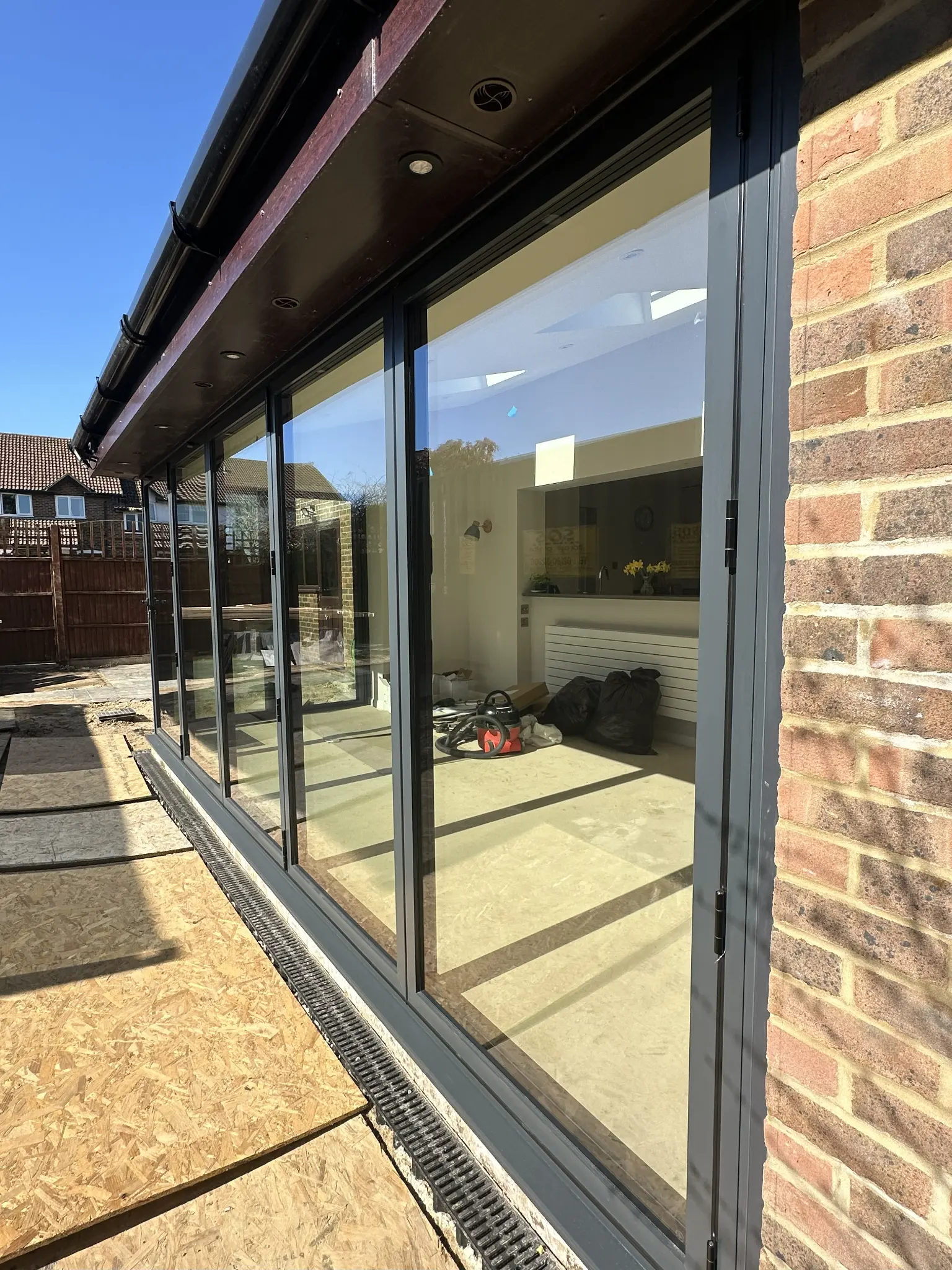
For large sliding or bi-fold doors, achieving a flush threshold for seamless indoor-outdoor living is a key design goal. However, this requires careful detailing to manage rainwater and prevent damp ingress.
- Drainage Channels: A drainage channel or linear drain must be installed immediately outside a flush threshold to capture surface water.
- Weather Rating: Ensure the chosen system has a high weather rating (air permeability, water tightness, and wind resistance) suitable for UK weather conditions, especially if the extension is exposed.
Enhanced Natural Light
Large glazing areas flood the extension with daylight, reducing the need for artificial lighting and improving well-being.
Improved Thermal Comfort
Modern, high-performance glazing systems eliminate cold spots and draughts, maintaining a consistent, comfortable internal temperature year-round.
Seamless Transition
Sliding and bi-fold doors create a fluid connection between the indoor living space and the garden, perfect for entertaining.
Increased Property Value
A well-designed, energy-efficient extension with high-quality glazing is a significant asset, highly attractive to future buyers.
The Glazing Process and Installation
The quality of installation is just as important as the quality of the product. Poor installation can negate the benefits of high-specification glazing through air leakage and thermal bridging.
- Thermal Breaks: Ensure the installation team correctly details the junction between the frame and the building structure, using appropriate membranes and insulation to prevent thermal bridging—a common cause of localised heat loss and condensation.
- Structural Support: For large sliding doors or curtain walling, the structural opening must be perfectly level and plumb. Consult with your structural engineer early to ensure the lintels or steelwork can handle the weight of the glazing units, especially if opting for heavy triple glazing.
By focusing on thermal performance (U-values), managing solar gain, and choosing systems that balance aesthetic goals with practical requirements, you can ensure your new extension is a bright, comfortable, and energy-efficient addition to your home.