
Optimising Glazing for Your UK Home Extension: A Comprehensive Guide
Discover expert tips for selecting the best glazing for your UK home extension, covering Building Regulations, U-values, design, and practical considerations.

Shard Architectural Glazing
9 March 2026
Discover expert tips for selecting the best glazing for your UK home extension, covering Building Regulations, U-values, design, and practical considerations.
📋In This Article
Adding an extension to your home is an exciting project, offering the chance to expand living space, enhance natural light, and improve your property's overall aesthetic and value. While structural elements and interior design often take centre stage, the choice of glazing is arguably one of the most critical decisions you'll make. Windows, doors, and rooflights are not just openings; they are integral components that dictate thermal performance, natural light levels, ventilation, security, and the visual connection between your indoor and outdoor spaces.
In the UK, the climate and specific Building Regulations place unique demands on glazing. Understanding these requirements and the various options available is key to creating a comfortable, energy-efficient, and beautiful extension. This guide will delve into the essential considerations for glazing your home extension, providing practical advice to help you make informed choices.
Understanding UK Building Regulations for Glazing
Compliance with Building Regulations is non-negotiable for any home extension project in the UK. These regulations ensure that new constructions meet minimum standards for safety, health, welfare, and, crucially for glazing, energy efficiency. Part L (Conservation of Fuel and Power) is particularly relevant, setting stringent requirements for the thermal performance of building elements, including windows, doors, and rooflights.
Key Thermal Performance Metrics: U-values
The primary metric for measuring thermal performance is the U-value, expressed in Watts per square metre Kelvin (W/m²K). A U-value indicates how effectively a building component prevents heat from escaping. The lower the U-value, the better the insulation properties of the material.
- New Build & Extension Walls: 0.18 W/m²K
- Floors: 0.18 W/m²K
- Roofs: 0.15 W/m²K
- Windows/Doors (New Build): 1.2 W/m²K
- Windows/Doors (Replacement): 1.4 W/m²K
For extensions, your glazing must meet or exceed the 1.2 W/m²K standard for new build elements. It's important to note that these are minimum requirements. Opting for glazing with even lower U-values can significantly improve your extension's energy efficiency, leading to lower heating bills and a more comfortable internal environment.
The 25% Rule and Whole Dwelling Calculation
Historically, there was a '25% rule' which limited the total area of glazing in an extension to 25% of the new floor area, plus the area of any openings removed from the existing house. While this rule is no longer a strict standalone limit under the 2022 regulations, the principle of balancing glazing area with thermal performance remains. Modern Building Regulations now favour a 'whole dwelling' approach, where the overall energy performance of the extension (and sometimes the existing dwelling) is assessed. This means you can often incorporate larger areas of glazing, provided that the U-values of all elements (walls, roof, floor, and glazing) collectively achieve the required energy efficiency target for the extension. This often necessitates specifying glazing with U-values significantly better than the minimum 1.2 W/m²K.
Pro Tip
Always consult with your architect or Building Control officer early in the design process. They can advise on the specific thermal calculations required for your project and help ensure your glazing choices comply with all relevant regulations, avoiding costly reworks later on.
Choosing the Right Glazing Type for Your Extension
The market offers a vast array of glazing options, each with its own characteristics, benefits, and considerations. Understanding these will help you select the best fit for your extension's design, budget, and performance needs.
Double Glazing vs. Triple Glazing
- Double Glazing: Consists of two panes of glass separated by a sealed gap, typically filled with an inert gas like argon. This is the standard for new installations in the UK and easily meets the minimum 1.2 W/m²K U-value requirement.
- Triple Glazing: Features three panes of glass with two sealed gaps, offering superior thermal performance. While more expensive and heavier, triple glazing can achieve U-values as low as 0.6-0.8 W/m²K, making it an excellent choice for maximising energy efficiency, especially in north-facing extensions or those with large glass areas. It also offers enhanced acoustic insulation.
Frame Materials
The frame material plays a significant role in both the aesthetics and thermal performance of your glazing.
- uPVC (Unplasticised Polyvinyl Chloride): A popular, cost-effective, and low-maintenance option. Modern uPVC frames are highly energy-efficient and come in various colours and finishes.
- Aluminium: Known for its strength, durability, and slim sightlines, allowing for larger glass areas and a contemporary aesthetic. Aluminium frames are thermally broken to prevent heat transfer and offer excellent longevity.
- Timber (Wood): Offers a natural, traditional look and good insulation properties. Requires more maintenance than uPVC or aluminium but can be an excellent choice for period properties or specific design aesthetics.
- Composite (Alu-Clad/Timber-Alu): Combines the best of both worlds – timber internally for warmth and aesthetics, and aluminium externally for durability and low maintenance.
Specialist Glazing Options
- Low-E (Low Emissivity) Glass: A microscopic metallic coating applied to one surface of the glass that reflects heat back into the room while allowing natural light in. This is standard in most modern double and triple glazing.
- Solar Control Glass: Designed to reduce solar heat gain, preventing overheating in south-facing extensions with large glazed areas. It can be particularly beneficial for conservatories or orangeries.
- Self-Cleaning Glass: Features a special coating that uses sunlight to break down organic dirt and rainwater to wash it away, reducing the need for manual cleaning.
- Acoustic Glass: Laminated glass designed to reduce noise transmission, ideal for extensions in noisy urban areas or near busy roads.
- Security Glass: Laminated or toughened glass that offers enhanced resistance to impact and forced entry, improving the security of your home.
Design and Functionality Considerations
Beyond thermal performance, the design and functionality of your glazing will profoundly impact the usability and enjoyment of your new extension.
Maximising Natural Light
One of the primary reasons for an extension is often to bring more natural light into the home. Consider:
- Large Fixed Panes: Picture windows or large fixed panes offer unobstructed views and maximum light.
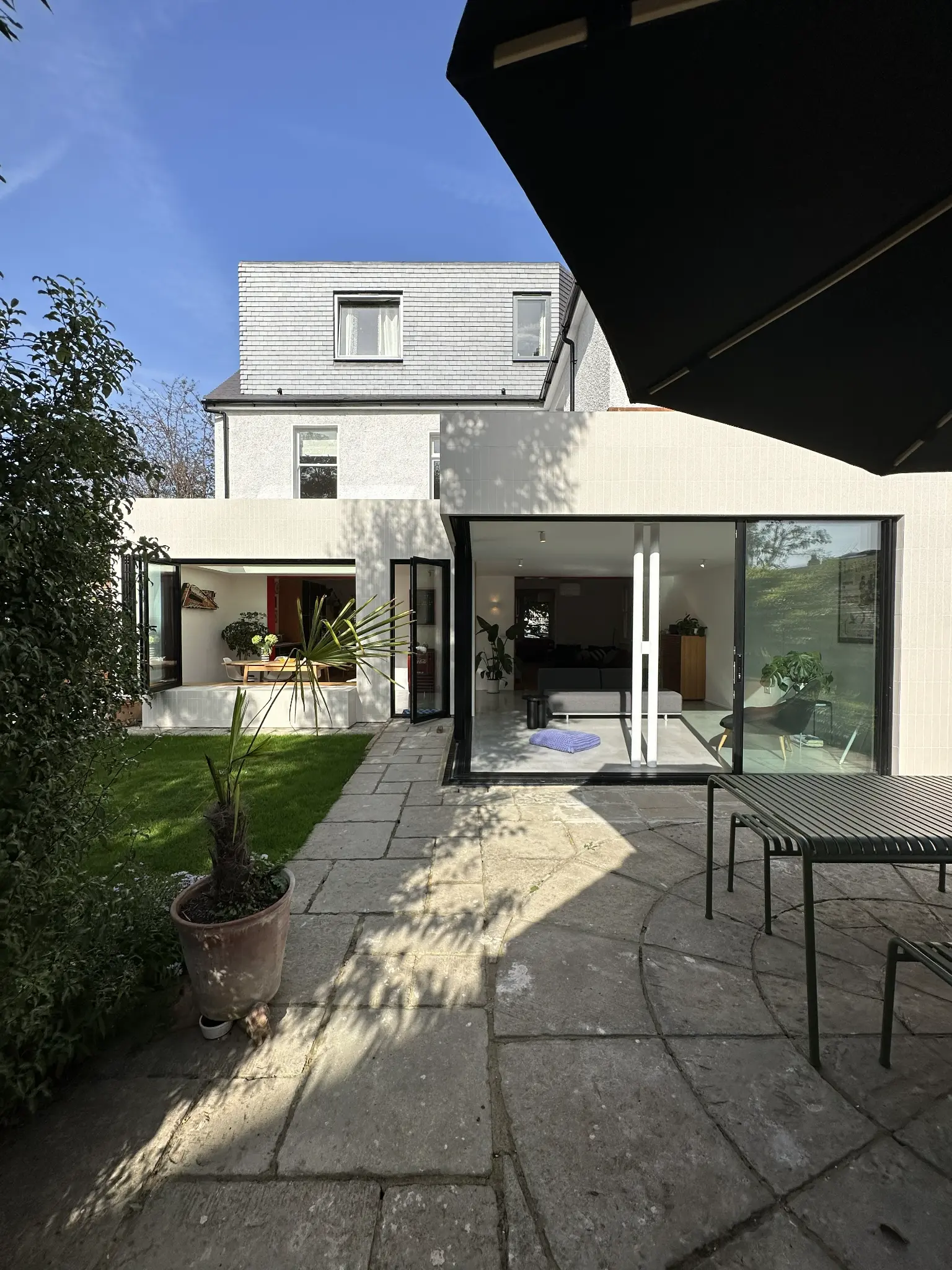
- Bi-fold Doors & Sliding Doors: These can create expansive openings, seamlessly connecting indoor and outdoor spaces. Bi-folds stack neatly to one side, while sliding doors offer larger individual panes and can disappear into a wall cavity for a truly open feel.
- Rooflights & Lanterns: Crucial for single-storey extensions, especially those built against an existing wall, as they bring light deep into the room from above. They can transform a dark space into a bright, airy one.
Ventilation
Adequate ventilation is essential for comfort and to prevent condensation and mould. Ensure your glazing choices include sufficient opening elements:
- Casement Windows: Hinged at the side or top, offering good ventilation.
- Tilt & Turn Windows: Can tilt inwards for ventilation or open fully like a casement.
- Trickle Vents: Small, discreet vents often integrated into window frames, providing continuous background ventilation even when windows are closed. These are often a Building Regulation requirement.
Security
Larger glazed areas can sometimes be perceived as a security risk. Modern glazing, however, incorporates advanced security features:
- Multi-point Locking Systems: Standard on most new windows and doors.
- Laminated or Toughened Glass: More resistant to impact.
- Internal Glazing Beads: Prevent glass from being removed from the outside.
- Accreditation: Look for products certified to PAS 24 or Secured by Design standards.
Aesthetics and Integration
The style of your glazing should complement both your new extension and the existing property. Consider:
- Sightlines: Slimmer frames (e.g., aluminium) offer a more contemporary look and maximise glass area.
- Colour and Finish: Choose colours that harmonise with your exterior and interior design.
- Proportions: Ensure the size and arrangement of your windows and doors are balanced and aesthetically pleasing.
Comparison of Common Glazing Types
| Feature | Double Glazing | Triple Glazing | Aluminium Frames | uPVC Frames |
|---|---|---|---|---|
| Typical U-value (W/m²K) | 1.0 - 1.4 | 0.6 - 0.9 | 1.2 - 1.4 (with double glazing) | 1.2 - 1.4 (with double glazing) |
| Cost (Relative) | Standard | Higher | Higher | Standard |
| Thermal Performance | Good | Excellent | Good (with thermal break) | Good |
| Aesthetic Options | Good | Good | Slim, modern | Versatile, traditional/modern |
| Maintenance | Low | Low | Very Low | Very Low |
| Weight | Standard | Heavier | Standard | Standard |
| Acoustic Insulation | Good | Excellent | Good | Good |
Practical Considerations and Installation
Budgeting for Glazing
Glazing can represent a significant portion of your extension budget. While it might be tempting to cut costs, remember that high-quality, energy-efficient glazing is an investment that pays dividends in comfort, energy savings, and property value. Obtain multiple quotes and compare not just prices, but also U-values, warranties, and installation services.
Installation Quality
Even the best glazing products will underperform if poorly installed. Ensure your chosen installer is experienced, reputable, and ideally FENSA or Certass registered. These organisations ensure that installations comply with Building Regulations and provide consumer protection.
Shading and Overheating
Large glazed areas, particularly on south or west-facing elevations, can lead to overheating in summer. Consider incorporating shading solutions such as overhangs, external blinds, or solar control glass to mitigate this. Thoughtful design can prevent your beautiful, light-filled extension from becoming uncomfortably hot.
Condensation
Modern, well-insulated glazing significantly reduces the risk of condensation on the internal glass surface compared to older windows. However, condensation can still occur if there's excessive moisture in the air and inadequate ventilation. Ensure your extension has appropriate ventilation strategies in place.
Benefits of Optimised Glazing
Enhanced Energy Efficiency
Lower U-values mean less heat loss, leading to reduced heating bills and a smaller carbon footprint for your home.
Superior Comfort Levels
Well-insulated glazing eliminates cold spots and draughts, maintaining a consistent, comfortable temperature throughout your extension year-round.
Increased Natural Light & Views
Thoughtfully designed glazing floods your space with daylight, creating a brighter, more inviting atmosphere and providing beautiful connections to your garden and surroundings.
Improved Property Value
High-quality, energy-efficient glazing is a significant selling point, adding tangible value to your property and appealing to future buyers.
Selecting the right glazing for your home extension is a complex but rewarding process. By understanding the technical requirements, exploring the various options, and considering both design and practical implications, you can create an extension that is not only beautiful but also comfortable, energy-efficient, and a true asset to your home.
If you're planning a home extension in the UK and need expert advice on architectural glazing solutions, Shard AG specialises in high-performance windows, doors, and rooflights tailored to modern building standards and bespoke design requirements. Our team can guide you through the options, ensuring your extension achieves optimal light, thermal efficiency, and aesthetic appeal.
Explore Our Products
Discover how Shard Architectural Glazing can transform your home with our premium glazing solutions:
Ready to Transform Your Home?
Get in touch with our expert team for a free consultation and personalised quote. We'll help you choose the perfect glazing solution for your property.