
Orangery vs Conservatory Glazing: A UK Homeowner's Guide
Understand the key differences in glazing for orangeries and conservatories. Learn about U-values, Building Regulations, and practical considerations for your UK home.

Shard Architectural Glazing
13 January 2026
Understand the key differences in glazing for orangeries and conservatories. Learn about U-values, Building Regulations, and practical considerations for your UK home.
📋In This Article
When considering an extension to your home, an orangery or a conservatory can both provide valuable extra space, natural light, and a connection to your garden. While they might appear similar at first glance, a crucial distinction lies in their construction, particularly the amount and type of glazing used. This difference has significant implications for thermal performance, Building Regulations compliance, and the overall feel and function of the space. For UK homeowners, understanding these nuances is key to making an informed decision.
Understanding the Basics: Orangery vs. Conservatory
Before delving into glazing specifics, it's helpful to clarify the fundamental architectural differences between these two popular structures.
Conservatories: Predominantly Glazed
- Definition: Traditionally, a conservatory is defined by having at least 50% of its external wall area and at least 75% of its roof area made from translucent material (typically glass or polycarbonate).
- Construction: Often feature a lightweight structure, extensive glazing, and a pitched glass or polycarbonate roof.
- Building Regulations: Historically, many conservatories were exempt from Building Regulations if they met certain criteria (e.g., floor area under 30m², thermally separated from the main dwelling, independent heating). However, modern conservatories, especially those integrated into the home or with solid roofs, often require compliance.
- Thermal Performance: Due to the high proportion of glazing, thermal performance is heavily reliant on the quality of the glass.
Orangeries: A Hybrid Approach
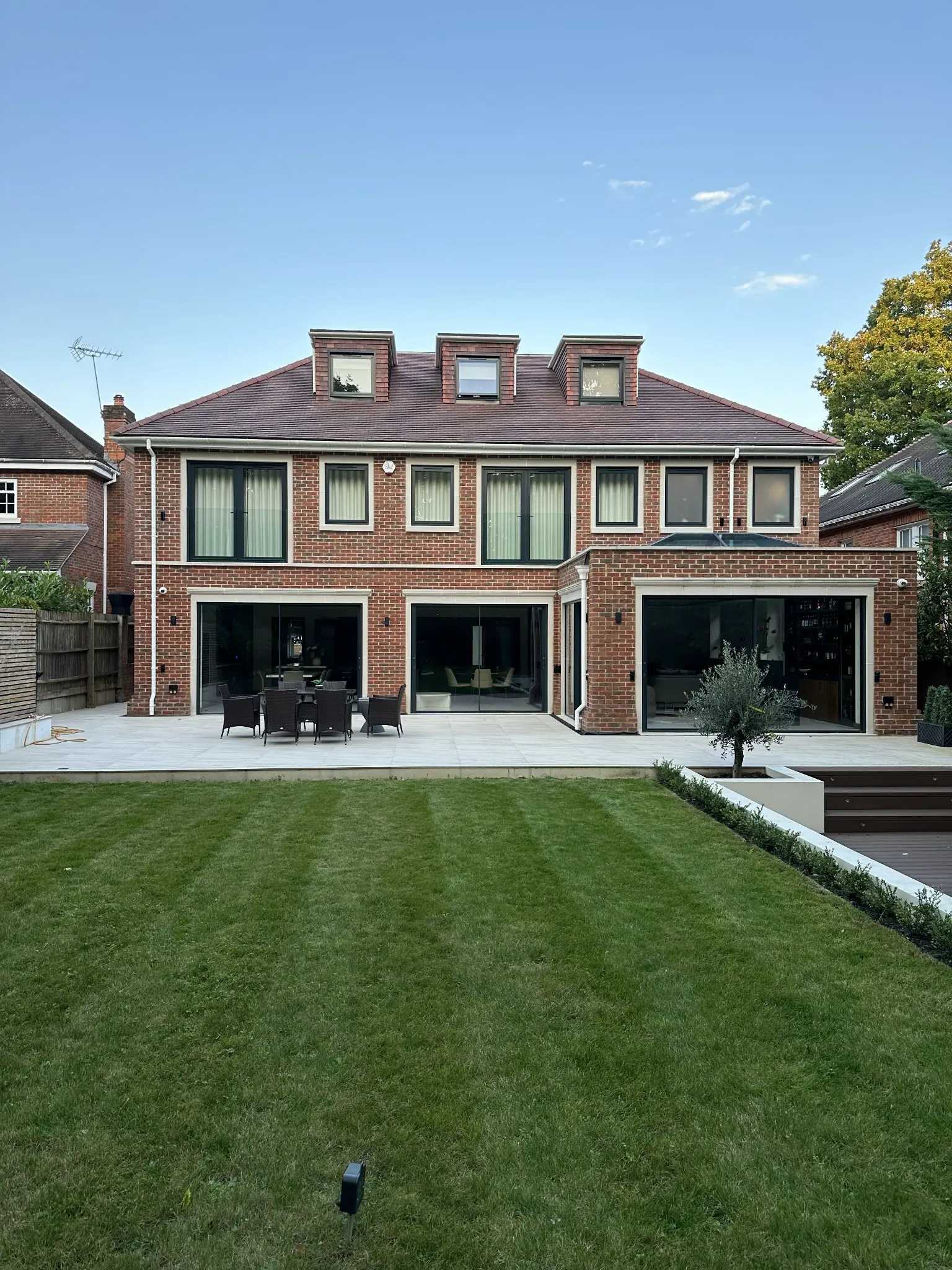
- Definition: Orangeries typically feature more solid wall construction than conservatories, often with large glazed panels, and a distinctive flat roof perimeter with a central glazed lantern or skylight.
- Construction: Characterised by brick or stone pillars, a solid roof perimeter (often with insulation), and large, often floor-to-ceiling, glazed sections.
- Building Regulations: Orangeries are almost always subject to Building Regulations, as they are considered a substantial extension to the main dwelling. This means they must meet stringent thermal performance standards for walls, floors, roofs, and glazing.
- Thermal Performance: Generally offer superior thermal performance compared to traditional conservatories due to their greater proportion of solid, insulated elements.
Glazing Performance and U-values
The performance of any glazed structure is primarily measured by its U-value. The U-value quantifies the rate of heat transfer through a material or structure. A lower U-value indicates better insulation and less heat loss. For UK homeowners, understanding U-values is critical for energy efficiency and comfort.
Understanding U-values (W/m²K)
- Walls: Measures heat loss through solid walls.
- Roofs: Measures heat loss through the roof structure.
- Floors: Measures heat loss through the floor.
- Windows/Doors: Measures heat loss through the entire glazed unit, including the frame.
Pro Tip
Always request the specific U-values for the glazing units (glass and frame combined) and other structural elements from your supplier. Don't settle for 'good' or 'energy-efficient' – ask for the numbers to ensure compliance and optimal performance.
UK Building Regulations Part L (2022 England) – Key U-value Requirements
For new builds and extensions (which typically include orangeries and many modern conservatories), the following U-value targets generally apply:
- Walls: 0.18 W/m²K
- Floors: 0.18 W/m²K
- Roofs: 0.15 W/m²K
- Windows/Doors (new build): 1.2 W/m²K
- Windows/Doors (replacement): 1.4 W/m²K
These values are significantly more demanding than previous standards, emphasising the need for high-performance glazing and insulation in any new extension.
Glazing Options for Orangeries and Conservatories
The type of glazing you choose will profoundly impact the thermal performance, light transmission, and overall comfort of your new space.
Double Glazing
The minimum standard for almost all new installations in the UK. Consists of two panes of glass separated by a sealed gap, typically filled with an inert gas like argon. This gas is a poor conductor of heat, significantly reducing heat transfer.
Triple Glazing
Features three panes of glass with two sealed gaps, offering even better thermal performance (lower U-values) than double glazing. While more expensive and heavier, it can be a worthwhile investment for larger glazed areas or for homeowners prioritising maximum energy efficiency and sound insulation.
Specialist Glazing Types
- Low-Emissivity (Low-E) Glass: Has a microscopically thin, transparent coating that reflects long-wave infrared heat, keeping heat inside in winter and outside in summer. Essential for achieving good U-values.
- Solar Control Glass: Designed to reduce the amount of solar heat gain, preventing overheating in large south-facing glazed areas. Can be combined with Low-E coatings.
- Self-Cleaning Glass: Features a coating that reacts with UV light to break down organic dirt, which is then washed away by rain. A practical choice for hard-to-reach roof glazing.
- Laminated or Toughened Glass: Essential for safety, especially in roofs and low-level glazing. Laminated glass holds together when shattered, while toughened glass breaks into small, relatively harmless pieces. Building Regulations specify where these are required.
- Acoustic Glass: Designed to reduce external noise, ideal for homes near busy roads or airports.
Key Considerations for Your Project
Thermal Performance and Energy Efficiency
For orangeries, meeting the stringent U-value requirements for walls, roofs, and glazing is non-negotiable. This typically means high-performance double or triple glazing, insulated solid roof sections, and well-insulated floors. For conservatories, especially those intended for year-round use, investing in the best possible glazing is crucial to avoid them becoming too hot in summer or too cold in winter. A thermally broken frame is also vital for both.
Light and Heat Control
While abundant natural light is desirable, too much can lead to overheating (solar gain) and excessive glare. Consider solar control glass, strategically placed blinds, or even external shading solutions. Conversely, in north-facing extensions, maximising light and heat retention with low-E glass is paramount.
Aesthetics and Design
The choice of glazing impacts the overall look. Large, uninterrupted panes of glass create a contemporary feel, while smaller, multi-paned designs might suit a more traditional aesthetic. Frame materials (uPVC, aluminium, timber) also play a significant role in both appearance and thermal performance.
Building Regulations and Planning Permission
Most orangeries and many modern conservatories will require Building Regulations approval. It is highly advisable to consult with your local Building Control department or a qualified architect/designer early in the planning process. They can advise on specific requirements for your project, including U-values, safety glazing, and ventilation. While some conservatories may be exempt from Building Regulations, this exemption often comes with conditions that limit their integration with the main dwelling's heating system and require thermal separation.
Cost Implications
Higher performance glazing (e.g., triple glazing, specialist coatings) comes at a higher cost. However, this upfront investment can lead to significant savings on heating and cooling bills over the lifespan of the extension, as well as improved comfort and property value. Balance your budget with your long-term energy efficiency goals.
Comparison Table: Glazing Features
Here's a quick overview of typical glazing characteristics for different applications:
| Feature | Standard Double Glazing | High-Performance Double Glazing | Triple Glazing |
|---|---|---|---|
| U-value (W/m²K) | 1.4 - 1.6 | 1.0 - 1.2 | 0.6 - 0.8 |
| Panes of Glass | 2 | 2 | 3 |
| Gas Fill | Air or Argon | Argon or Krypton | Argon or Krypton |
| Low-E Coating | Optional/Basic | Standard/Advanced | Standard/Advanced |
| Solar Control | Limited | Good options available | Good options available |
| Sound Insulation | Moderate | Good | Excellent |
| Weight | Standard | Standard | Heavier |
| Cost | Entry-level | Mid-range | Premium |
Benefits of High-Quality Glazing
Enhanced Thermal Comfort
Maintain a stable, comfortable temperature year-round, reducing cold spots in winter and preventing overheating in summer.
Reduced Energy Bills
Minimise heat loss and gain, leading to lower reliance on heating and air conditioning, and significant savings on energy costs.
Improved Acoustic Insulation
Reduce noise pollution from outside, creating a quieter, more peaceful living environment.
Increased Property Value
A well-designed, energy-efficient extension with high-quality glazing is a significant asset that adds appeal and value to your home.
Choosing between an orangery and a conservatory, and subsequently selecting the right glazing, is a significant decision for any UK homeowner. By understanding the technical specifications, Building Regulations, and the various glazing options available, you can create a beautiful, comfortable, and energy-efficient extension that perfectly suits your lifestyle and enhances your home for years to come.
For expert advice on glazing solutions for your orangery or conservatory project, consider consulting with specialists like Shard AG. Our team can guide you through the complexities of U-values, Building Regulations, and bespoke glazing options to ensure your new space is perfectly tailored to your needs and achieves optimal performance.
Explore Our Products
Discover how Shard Architectural Glazing can transform your home with our premium glazing solutions:
Ready to Transform Your Home?
Get in touch with our expert team for a free consultation and personalised quote. We'll help you choose the perfect glazing solution for your property.