
Orangery vs Conservatory Glazing: A UK Homeowner's Guide
Explore the glazing differences between orangeries and conservatories for UK homes. Understand U-values, Building Regulations, and practical considerations.

Shard Architectural Glazing
30 March 2026
Explore the glazing differences between orangeries and conservatories for UK homes. Understand U-values, Building Regulations, and practical considerations.
📋In This Article
When planning to extend your home with a beautiful glazed structure, two popular choices often come to mind: an orangery or a conservatory. While both offer a fantastic way to bring more light and space into your property, their construction, aesthetic, and crucially, their glazing specifications, differ significantly. Understanding these differences, particularly concerning glazing, is vital for making an informed decision that meets your needs, budget, and complies with UK Building Regulations.
This comprehensive guide will delve into the technical aspects of glazing for both orangeries and conservatories, providing UK homeowners with the knowledge to choose wisely.
Understanding Orangeries and Conservatories
Before we dive into glazing specifics, it's helpful to clarify the fundamental distinctions between these two structures.
Conservatories: Predominantly Glazed
Traditionally, a conservatory is defined by its high proportion of glazing – typically 75% or more of its roof area and 50% or more of its wall area must be transparent or translucent material. They are often seen as a lighter, more cost-effective extension, designed primarily to maximise natural light and offer a seamless connection to the garden. Modern conservatories have evolved significantly from their Victorian predecessors, now offering much better thermal performance.
Orangeries: A Hybrid Approach
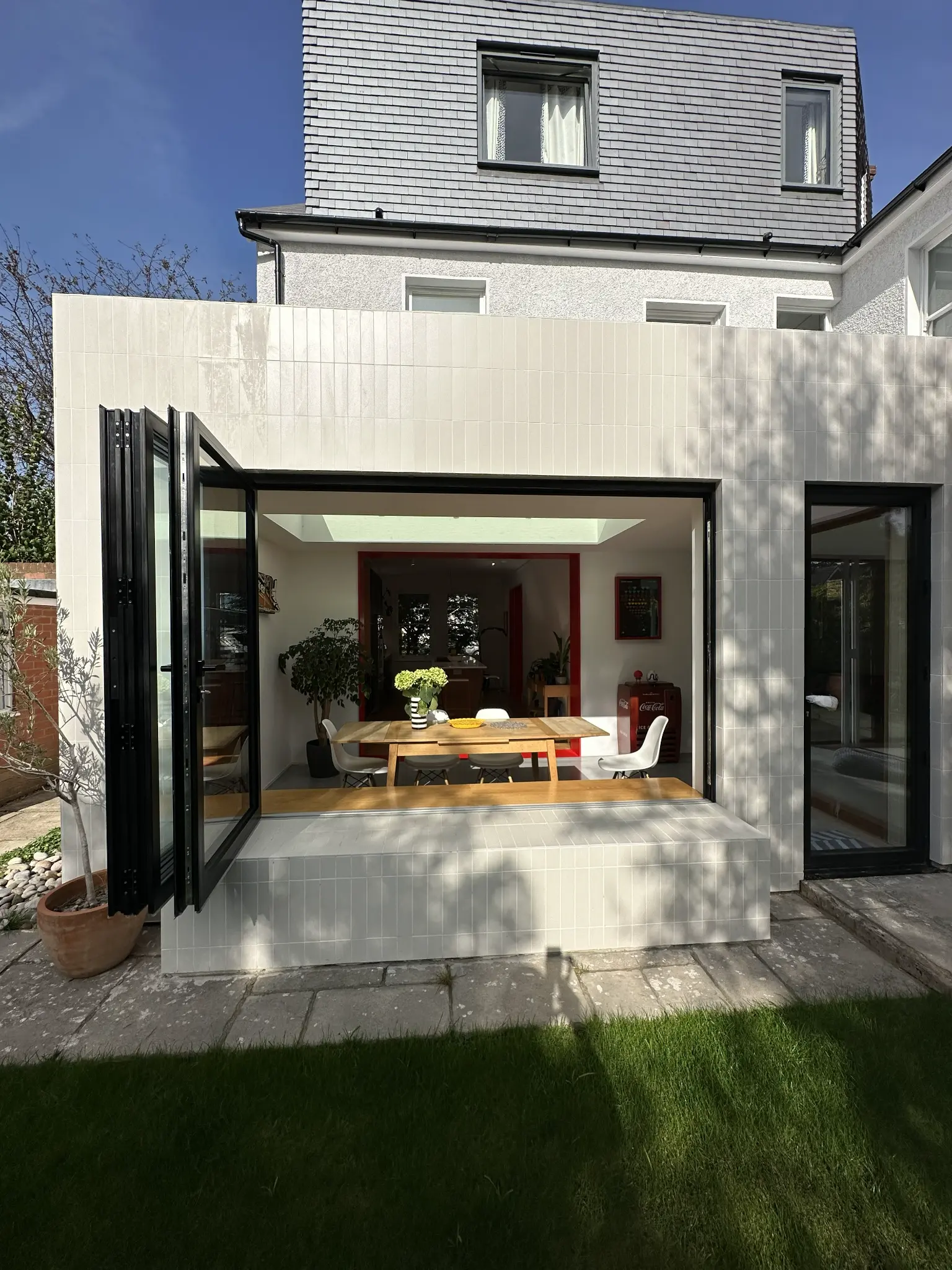
An orangery, on the other hand, is considered a more substantial, often brick-built extension with a glazed roof lantern or flat roof with integrated glazing. They typically feature more solid wall sections, larger pillars, and a flat roof perimeter, giving them a more 'room-like' feel than a conservatory. While they still benefit from extensive glazing, the proportion of solid wall and roof structure is higher.
Glazing Performance and U-values
The thermal performance of any glazed structure is paramount, especially in the UK's climate. This performance is primarily measured by its U-value, which indicates how effectively a material insulates. A lower U-value signifies better insulation and less heat loss.
What is a U-value?
The U-value (measured in Watts per square metre Kelvin, W/m²K) quantifies the rate of heat transfer through a material or structure. For example, a window with a U-value of 1.2 W/m²K will lose 1.2 Watts of heat per square metre for every degree Celsius difference between the inside and outside temperature.
UK Building Regulations Part L (2022 England)
Compliance with Building Regulations is crucial for any new extension. Part L (Conservation of Fuel and Power) sets strict U-value requirements to ensure energy efficiency. While conservatories and orangeries can sometimes be exempt from certain aspects of Building Regulations if they meet specific criteria (e.g., separated from the main dwelling by an external quality door, independently heated), modern homeowners increasingly choose to build to full Building Regulations standards to ensure year-round comfort and energy efficiency.
Pro Tip
Even if your structure is technically exempt from Building Regulations, designing it to meet or exceed the thermal performance requirements for an extension will significantly enhance comfort, reduce heating bills, and add long-term value to your home. Always consult with your local Building Control body early in the planning process.
Here are the relevant U-value requirements for new extensions (which an orangery often falls under, and a conservatory can be designed to meet):
- Walls: 0.18 W/m²K
- Floors: 0.18 W/m²K
- Roofs: 0.15 W/m²K
- Windows/Doors: 1.2 W/m²K (for new build), 1.4 W/m²K (for replacement)
Glazing Options and Specifications
The type of glass used is fundamental to the performance of both orangeries and conservatories. Modern glazing technology offers a range of options to enhance thermal efficiency, security, and comfort.
Double Glazing vs. Triple Glazing
- Double Glazing: Consists of two panes of glass separated by a sealed gap, typically filled with an inert gas like argon. This gas is denser than air and reduces heat transfer. Standard double glazing U-values can range from 1.2 to 1.6 W/m²K, but with low-emissivity (Low-E) coatings, these can be improved.
- Triple Glazing: Features three panes of glass with two sealed gaps, usually filled with argon or krypton gas. This offers superior thermal performance, with U-values often as low as 0.8 to 1.0 W/m²K. While more expensive and heavier, triple glazing provides excellent insulation and sound reduction.
Low-Emissivity (Low-E) Coatings
A microscopic, transparent metallic coating applied to one surface of the glass (usually the inner pane of a double-glazed unit). This coating reflects heat back into the room during winter, reducing heat loss, and reflects solar radiation away during summer, preventing overheating. Low-E glass is standard for achieving good U-values.
Solar Control Glass
Specifically designed to reduce the amount of solar heat gain entering a building, without significantly compromising natural light. This is particularly important for large glazed areas, such as conservatory roofs or orangery roof lanterns, to prevent uncomfortable overheating during sunny periods. Solar control coatings can be applied during manufacturing or as a film.
Self-Cleaning Glass
Features a special coating that reacts with UV light to break down organic dirt, which is then washed away by rainwater. While not entirely maintenance-free, it significantly reduces the need for manual cleaning, especially for hard-to-reach roof glazing.
Laminated and Toughened Glass
- Toughened Glass: Heat-treated to be up to five times stronger than standard glass. If it breaks, it shatters into small, relatively harmless pieces, reducing the risk of injury. It is a safety requirement for many glazed areas, particularly in doors and low-level windows.
- Laminated Glass: Consists of two or more panes of glass bonded together with a plastic interlayer. If broken, the glass fragments adhere to the interlayer, preventing them from falling out. This offers enhanced security and sound insulation. Often used for roof glazing for safety against falling objects.
Glazing Differences: Orangery vs. Conservatory
The primary distinction in glazing between these two structures lies in the proportion and type of glazing used, particularly in the roof.
Conservatory Glazing
- Roof: Typically a fully glazed roof, often pitched. This requires high-performance glass to manage solar gain and heat loss. Solar control, Low-E double or triple glazing is essential. Polycarbonate roofs are a cheaper option but offer significantly poorer thermal and acoustic performance.
- Walls: Large expanses of vertical glazing. High-performance double or triple glazing with Low-E coatings is standard.
- Frames: Often uPVC, aluminium, or timber. The frame material also contributes to the overall U-value of the window/door unit.
Orangery Glazing
- Roof: Features a solid flat roof perimeter with a central glazed roof lantern or integrated flat rooflights. The roof lantern glazing will require similar high-performance specifications (solar control, Low-E, double/triple glazed) as a conservatory roof, but the overall roof area has a greater proportion of insulated solid roof.
- Walls: More solid wall sections (brickwork, rendered blockwork) with larger, often fewer, glazed panels or bifold/sliding doors. The U-value of the solid wall sections must meet Building Regulations (0.18 W/m²K).
- Frames: Often aluminium or timber, reflecting the more substantial, architectural aesthetic.
Thermal Comfort
High-performance glazing ensures a comfortable temperature year-round, reducing cold spots in winter and overheating in summer.
Energy Efficiency
Lower U-values mean less heat loss, leading to reduced energy consumption and lower heating bills for your home.
Noise Reduction
Thicker glass, gas-filled gaps, and laminated options significantly reduce external noise, creating a quieter internal space.
UV Protection
Modern glazing can filter out harmful UV rays, protecting furniture and fabrics from fading while still allowing natural light in.
Comparison Table: Key Glazing Features
Here's a summary of how glazing considerations typically differ between the two structures:
| Feature | Conservatory Glazing | Orangery Glazing |
|---|---|---|
| Glazed Roof Proportion | High (typically 75%+ of roof area) | Lower (central roof lantern or integrated flat rooflights) |
| Wall Glazing Proportion | High (typically 50%+ of wall area) | Lower (more solid wall sections) |
| Typical Roof U-value Target | 0.8 – 1.0 W/m²K (for glass) | 0.8 – 1.0 W/m²K (for lantern glass), 0.15 W/m²K (for solid roof) |
| Typical Wall U-value Target | 1.2 – 1.4 W/m²K (for windows/doors) | 1.2 – 1.4 W/m²K (for windows/doors), 0.18 W/m²K (for solid walls) |
| Solar Control | Critical for roof and large vertical panes | Important for roof lantern and large doors |
| Frame Materials | uPVC, Aluminium, Timber | Aluminium, Timber (often more robust profiles) |
| Building Regulations | Often exempt if specific criteria met, but building to full regs is recommended | More likely to require full Building Regulations compliance due to solid structure |
Practical Considerations for UK Homeowners
Beyond technical specifications, several practical aspects should influence your decision:
Budget
Generally, orangeries tend to be more expensive than conservatories due to their more complex construction, higher proportion of solid materials, and often more bespoke glazing elements. Triple glazing and advanced solar control coatings will also add to the cost but offer long-term savings on energy bills.
Year-Round Use
If you intend to use the space as a true extension of your living area year-round, an orangery, or a high-performance conservatory built to full Building Regulations, will offer superior thermal comfort. The balance of solid and glazed elements in an orangery often makes it feel more integrated with the main house.
Planning Permission
Both orangeries and conservatories may fall under Permitted Development rights, but it's crucial to check local planning authority guidelines. Orangeries, due to their more substantial construction, are more likely to require full planning permission than conservatories, especially if they exceed certain dimensions or are close to boundaries.
Maintenance
Consider the ease of cleaning. Self-cleaning glass can be a worthwhile investment for roof glazing. The choice of frame material (uPVC, aluminium, timber) will also impact maintenance requirements.
Aesthetics and Integration
An orangery often provides a more seamless architectural transition from the main house, particularly for period properties. Conservatories, while beautiful, can sometimes appear as a more distinct addition. The glazing style, frame colour, and overall design should complement your home's existing aesthetic.
Conclusion
The choice between an orangery and a conservatory, and consequently their glazing specifications, hinges on your priorities for aesthetics, budget, thermal performance, and year-round usability. While conservatories offer maximum light and a traditional garden room feel, orangeries provide a more substantial, room-like extension with a sophisticated blend of solid and glazed elements.
For UK homeowners, understanding the critical role of U-values, the benefits of advanced glazing technologies like Low-E and solar control coatings, and the implications of Building Regulations Part L (2022) is essential. Investing in high-quality, thermally efficient glazing for either structure will ensure a comfortable, energy-efficient, and valuable addition to your home for many years to come.
When planning your project, it is highly recommended to consult with experienced architectural glazing specialists. They can provide tailored advice on the most appropriate glazing solutions, ensuring compliance with regulations and achieving your desired aesthetic and performance goals. Shard AG offers expert consultation and a range of high-performance glazing options tailored for both orangeries and conservatories, helping you make the best choice for your home.
Explore Our Products
Discover how Shard Architectural Glazing can transform your home with our premium glazing solutions:
Ready to Transform Your Home?
Get in touch with our expert team for a free consultation and personalised quote. We'll help you choose the perfect glazing solution for your property.