
Orangery vs. Conservatory Glazing: UK Homeowner's Guide
Explore the differences in glazing for orangeries and conservatories in the UK. Understand U-values, Building Regs, and practical considerations for your home.

Shard Architectural Glazing
15 March 2026
Explore the differences in glazing for orangeries and conservatories in the UK. Understand U-values, Building Regs, and practical considerations for your home.
📋In This Article
When considering adding a glazed extension to your home, the choice between an orangery and a conservatory often comes down to aesthetics, functionality, and crucially, glazing. While both offer a wonderful way to expand living space and connect with the outdoors, their fundamental design – particularly concerning their glazed elements – dictates performance, cost, and regulatory compliance. This comprehensive guide will delve into the specifics of glazing for orangeries and conservatories, providing UK homeowners with the knowledge needed to make an informed decision.
Understanding the Basics: Conservatory vs. Orangery
Before diving into glazing specifics, it's essential to grasp the core differences between these two popular extensions.
Conservatories
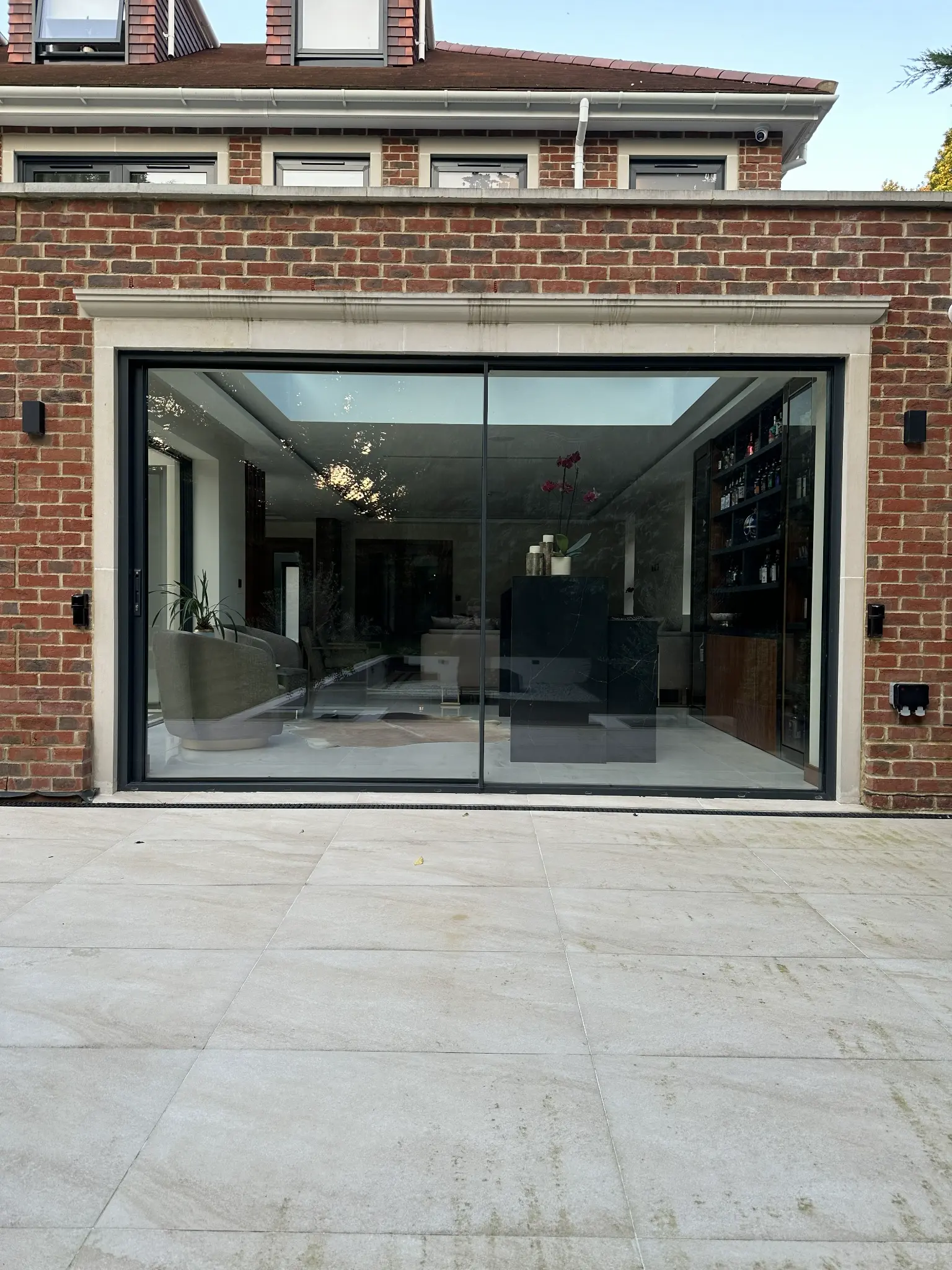
Traditionally, a conservatory is characterised by a high proportion of glazing in its walls and roof, often exceeding 75% of the roof area and 50% of the wall area. They are typically seen as temporary structures, often exempt from certain Building Regulations if they meet specific criteria (e.g., separated from the main dwelling by an external quality door, less than 30m² floor area, and built at ground level). Their design maximises natural light and offers a strong connection to the garden, but historically, their thermal performance could be a challenge.
Orangeries
An orangery, on the other hand, evolved from grand 17th-century structures designed to house citrus trees. Modern orangeries feature more substantial, insulated brick or stone pillars and a solid, flat roof perimeter with a central glazed lantern or rooflight. This design typically means less than 75% of the roof area is glazed and less than 50% of the wall area is glazed. They tend to feel more like a permanent, integrated extension of the home, offering better thermal performance and a more 'room-like' feel.
Glazing Performance and U-Values
The performance of any glazed extension hinges significantly on its glazing. The key metric here is the U-value, which measures how effectively a material prevents heat from escaping. A lower U-value indicates better insulation and thermal efficiency.
Double vs. Triple Glazing
- Double Glazing: Consists of two panes of glass separated by a sealed gap, typically filled with an inert gas like argon. Modern double glazing often incorporates a 'low-emissivity' (low-e) coating on one of the internal glass surfaces to reflect heat back into the room. Standard double glazing for windows and doors can achieve U-values around 1.2-1.4 W/m²K.
- Triple Glazing: Features three panes of glass with two sealed gaps, usually filled with inert gas. This offers superior thermal performance, achieving U-values as low as 0.8 W/m²K or even lower. While more expensive and heavier, triple glazing significantly reduces heat loss and can improve acoustic insulation.
Solar Control Glazing
For large glazed areas, especially roofs, solar control glazing is crucial. This type of glass has a microscopic coating that reflects a significant portion of the sun's heat while still allowing light to pass through. This helps prevent overheating in summer, a common issue with traditional conservatories. It often works in conjunction with low-e coatings for year-round thermal management.
Self-Cleaning Glass
A practical innovation, self-cleaning glass features a special coating that reacts with sunlight to break down organic dirt, which is then washed away by rainwater. This is particularly beneficial for hard-to-reach conservatory or orangery roofs.
Pro Tip
Always ask for the specific U-values of the glass and frame components for any extension. A low U-value for the glass alone isn't enough; the overall U-value of the window or door unit (including the frame) is what matters for Building Regulations compliance.
UK Building Regulations and Thermal Efficiency
Understanding how your chosen extension complies with UK Building Regulations is paramount. The critical document here is Approved Document L (Conservation of Fuel and Power), specifically Part L1B for existing dwellings. The 2022 updates to Part L have significantly tightened thermal performance requirements.
Conservatories and Building Regulations Exemption
Many conservatories are built under an exemption from Building Regulations, provided they meet all of the following criteria:
- Are at ground level and have a floor area of less than 30m².
- Are thermally separated from the main dwelling by an external quality door, window, or wall.
- Have independent heating controls and a separate heating system from the main dwelling.
- Have glazing that complies with Part K (Protection from falling, collision and impact) and Part N (Glazing safety).
If a conservatory does not meet these criteria (e.g., it's open to the main house or heated by the main central heating system), it will typically be treated as an extension and must meet the full requirements of Part L. This means its walls, floor, and roof must achieve specific U-values, and the glazed elements must also meet the required standards.
Orangeries and Building Regulations Compliance
Orangeries, due to their more substantial construction and often being open to the main dwelling, are almost always considered extensions and must comply fully with Building Regulations. This includes meeting stringent U-value targets for all elements:
- Walls: 0.18 W/m²K
- Floors: 0.18 W/m²K
- Roofs: 0.15 W/m²K
- Windows/Doors (new build): 1.2 W/m²K
- Windows/Doors (replacement): 1.4 W/m²K
Achieving these U-values requires high-performance glazing, well-insulated frames, and robust construction methods. It's advisable to consult with your local Building Control body or a qualified architect/builder early in the design process to ensure compliance.
Glazing Comparison: Orangery vs. Conservatory
Here's a breakdown of typical glazing considerations for each type of extension:
| Feature | Traditional Conservatory Glazing | Modern Orangery Glazing |
|---|---|---|
| Roof Glazing Proportion | Typically >75% of roof area | Typically <75% of roof area (e.g., central lantern) |
| Wall Glazing Proportion | Typically >50% of wall area | Typically <50% of wall area (more solid pillars) |
| U-Value (Glass Unit) | Often double glazed (1.2-1.6 W/m²K) | High-performance double or triple glazed (0.8-1.2 W/m²K) |
| Solar Control | Highly recommended to prevent overheating | Essential for roof lanterns, beneficial for vertical glazing |
| Self-Cleaning Options | Very popular for large roof areas | Beneficial for roof lanterns |
| Frame Material | uPVC, Aluminium, Timber | Aluminium, Timber, Composite (often more robust) |
| Building Regs Focus | Often exempt if separated from dwelling | Full compliance with Part L required |
Practical Considerations for Homeowners
Thermal Comfort Year-Round
While conservatories offer abundant light, their high glazing proportion can lead to significant heat gain in summer and heat loss in winter if not specified correctly. Modern glazing technologies, such as high-performance double or triple glazing with solar control and low-e coatings, are crucial to making them comfortable year-round. Orangeries, with their more solid construction and insulated roofs, generally offer better inherent thermal stability, but high-quality glazing for their lanterns and windows remains vital.
Acoustic Performance
Glazing also plays a role in noise reduction. If your property is near a busy road or other noise sources, consider laminated glass or acoustic glazing options. Triple glazing can also offer improved sound insulation over standard double glazing.
Security
Ensure all glazed elements, especially doors and ground-floor windows, incorporate robust security features. Look for multi-point locking systems, toughened or laminated glass (which is harder to break), and compliance with PAS 24 (Publicly Available Specification for enhanced security).
Ventilation
Adequate ventilation is essential to prevent condensation and ensure fresh air circulation. Consider incorporating trickle vents, roof vents, or bifold/sliding doors that can be opened wide. Modern conservatories and orangeries often include automated ventilation systems.
Choosing the Right Option for You
Aesthetics & Style
Do you prefer the light-filled, airy feel of a traditional conservatory or the more substantial, integrated look of an orangery? Your choice of glazing will heavily influence the overall aesthetic.
Budget & Cost
High-performance glazing, especially triple glazing or specialised solar control glass, will add to the overall cost. Orangeries generally have higher construction costs due to their more complex structure and compliance requirements.
Intended Use
Will the space be a year-round living area, a dining room, or primarily a seasonal sunroom? This will dictate the level of thermal performance required from the glazing and structure.
Planning & Regulations
Always check with your local planning authority and Building Control department. While some conservatories are permitted development, larger orangeries or those altering the main dwelling's thermal envelope will almost certainly require full Building Regulation approval.
Ultimately, the decision between an orangery and a conservatory, and the specific glazing chosen, should be driven by your individual needs, budget, and desired level of comfort and integration with your home. Prioritising high-quality, thermally efficient glazing is a wise investment that will pay dividends in comfort, energy savings, and the longevity of your extension.
For expert advice on selecting the ideal glazing solution for your orangery or conservatory project, consider consulting with specialists in architectural glazing. They can guide you through the technical specifications, regulatory requirements, and aesthetic choices to ensure your new extension perfectly complements your home and lifestyle.
Explore Our Products
Discover how Shard Architectural Glazing can transform your home with our premium glazing solutions:
Ready to Transform Your Home?
Get in touch with our expert team for a free consultation and personalised quote. We'll help you choose the perfect glazing solution for your property.