


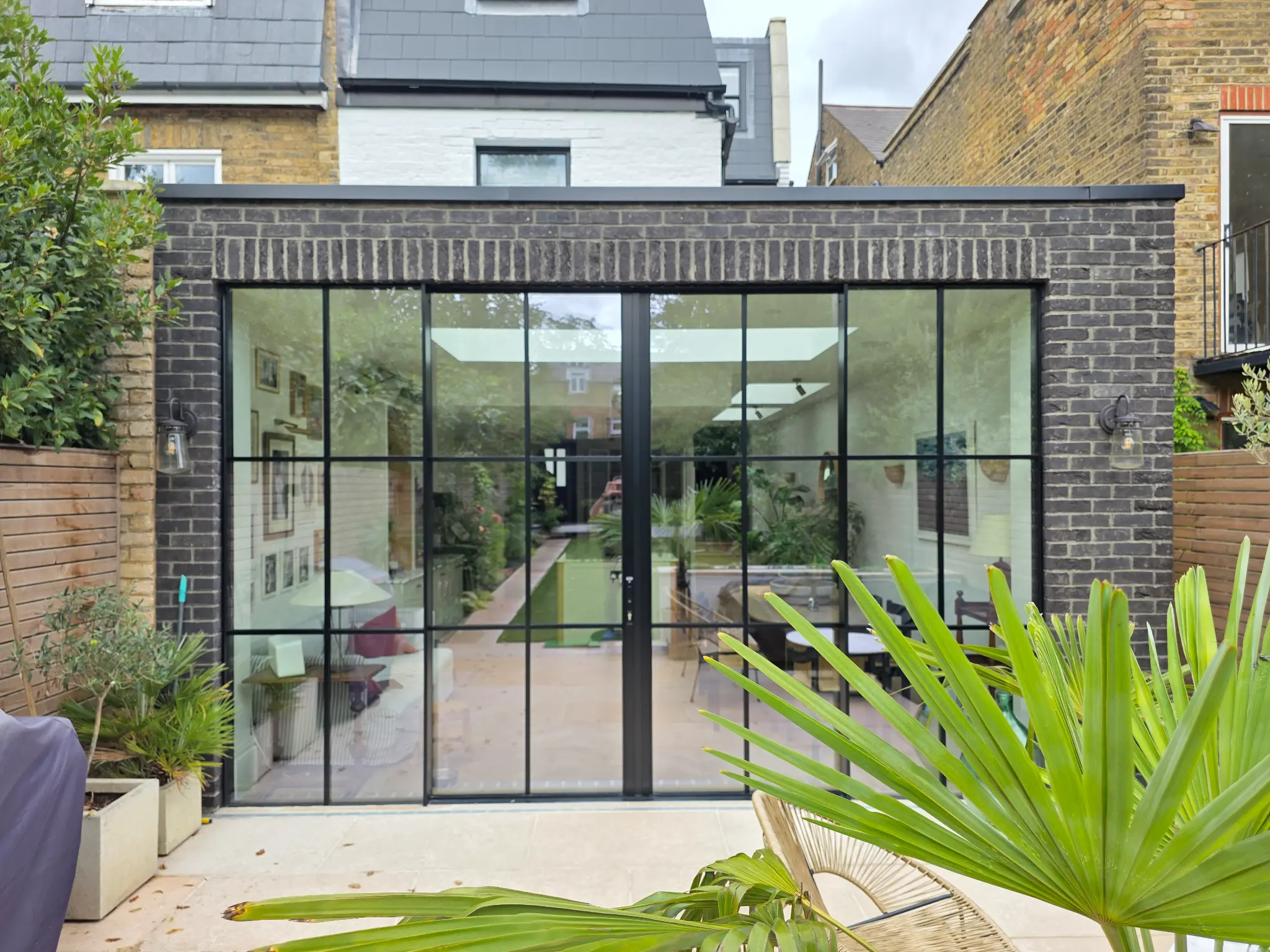
Planning Your Home Extension: A Glazing Perspective
Essential considerations for incorporating glazing into your home extension project, from planning permission to design choices and budget planning.

Shard Architectural Glazing
5 December 2025
Essential considerations for incorporating glazing into your home extension project, from planning permission to design choices and budget planning.
Planning Your Home Extension: Maximizing Glazing for Light and Space
Home extensions offer exciting opportunities to transform your living space, and glazing plays a crucial role in their success. This guide covers everything you need to know about incorporating glazing into your extension project.
Why Glazing Matters in Extensions
Extensions often create deeper floor plans that can feel dark and disconnected from outdoor spaces. Strategic glazing solves these challenges by:
- Flooding interiors with natural light
- Creating visual connections with gardens
- Making spaces feel larger and more open
- Improving ventilation and air quality
- Adding architectural interest and value
Planning Permission and Building Regulations
Planning Permission
Most single-storey rear extensions fall under permitted development rights, but you may need planning permission if:
- Your extension exceeds permitted development limits
- Your property is listed or in a conservation area
- You're extending to the front or side
- Your extension includes significant glazing facing neighbors
Tip: Check with your local planning authority before proceeding.
Building Regulations
All extensions must comply with building regulations covering:
Structural Safety: Ensuring the structure can support glazing loads
Thermal Performance: Glazing must achieve U-values of 1.6 W/m²K or better
Fire Safety: Escape routes and fire resistance requirements
Ventilation: Adequate ventilation for the space
Drainage: Proper drainage around glazing, especially for flush thresholds
Types of Glazing for Extensions
Sliding Doors
Best For: Kitchen extensions, living room extensions
Advantages:
- Easy operation
- Flush threshold options
- Slim sightlines available
- Good security
Considerations:
- Only partial opening (typically 50%)
- Need wall space for panels to slide across
Bifold Doors
Best For: Entertaining spaces, maximizing opening width
Advantages:
- Open up to 90% of aperture
- Flexible configurations
- Create dramatic transformation
Considerations:
- More expensive than sliding doors
- Raised threshold (accessibility issue)
- Require more maintenance
Corner Sliding Doors
Best For: L-shaped extensions, corner plots
Advantages:
- Remove corner post entirely
- Dramatic 90-degree opening
- Unique architectural feature
Considerations:
- Significant structural work required
- Premium pricing
- Complex installation
Roof Glazing
Best For: Deep extensions, north-facing extensions
Advantages:
- Brings light into center of deep plans
- Doesn't compromise wall space
- Creates sense of height
Considerations:
- Solar gain in summer
- Cleaning access
- Cost of quality systems
Fixed Glazing
Best For: Maximizing light, creating views
Advantages:
- Lower cost than opening systems
- Better thermal performance
- Minimal maintenance
Considerations:
- No ventilation
- Can't access outside through them
Design Considerations
Orientation
South-Facing:
- Maximum natural light
- Significant solar gain (consider solar control glass)
- Best for living spaces
North-Facing:
- Consistent, even light
- Minimal solar gain (prioritize thermal insulation)
- Good for kitchens and workspaces
East-Facing:
- Morning sun
- Less overheating than south-facing
- Pleasant breakfast spaces
West-Facing:
- Afternoon and evening sun
- Can overheat in summer
- Consider shading options
Proportion and Scale
Floor-to-Ceiling Glazing:
- Maximizes light and views
- Creates dramatic impact
- More expensive but transformative
Partial Height Glazing:
- More economical
- Provides privacy
- Easier to furnish against
Width:
- Wider glazing creates better indoor-outdoor connection
- Consider how much wall space you need for furniture and storage
Internal Layout
Plan your internal layout around glazing:
Kitchen Extensions:
- Position glazing to overlook garden while working
- Consider where dining table will be positioned
- Ensure adequate wall space for kitchen units
Living Room Extensions:
- Orient seating to enjoy views
- Consider TV placement (avoid glare)
- Plan for adequate wall space for furniture
Privacy
Consider privacy from neighbors:
Solutions:
- Obscured glass in lower panels
- Strategic planting
- External blinds or shutters
- Careful positioning of opening panels
Structural Considerations
Foundations
Large glazing systems are heavy and require adequate foundations:
- Consult structural engineer
- May need deeper foundations than standard extensions
- Consider ground conditions
Lintels and Headers
Glazing openings require substantial lintels:
- Steel beams typically required
- Must be sized by structural engineer
- Affect ceiling height and design
Floor Levels
Plan floor levels carefully:
Flush Thresholds:
- Create seamless transition
- Require careful drainage planning
- May affect internal floor levels
Raised Thresholds:
- Simpler to install
- Better weather protection
- Accessibility considerations
Budget Planning
Glazing Costs
Budget Range:
- Standard sliding doors: £2,500-4,000 per meter width
- Ultra-slim sliding doors: £3,500-6,000 per meter width
- Bifold doors: £3,000-5,000 per meter width
- Corner sliding doors: £15,000-30,000+ per installation
- Roof glazing: £1,500-5,000 per rooflight
Remember: These are glazing costs only—add installation, structural work, and finishing.
Hidden Costs
Don't forget:
- Structural engineer fees (£500-1,500)
- Building control fees (£400-800)
- Plastering and decoration
- Flooring (especially for flush thresholds)
- Electrical work (lighting, sockets)
- Heating (underfloor heating popular in extensions)
- External works (paving, drainage)
Value for Money
Prioritize spending on:
Quality Glazing: This is the focal point—don't compromise
Proper Installation: Poor installation undermines even the best products
Structural Work: Cutting corners here causes problems later
Thermal Performance: Pays back through lower running costs
Timeline
Typical extension timeline:
Planning: 2-4 months (if permission required)
Design and Quotes: 1-2 months
Construction: 2-4 months for typical single-storey extension
Glazing Installation: Usually towards end of build, takes 1-3 days
Finishing: 2-4 weeks
Total: 6-12 months from initial planning to completion
Choosing a Supplier
Look for:
Experience: Proven track record with similar projects
Accreditation: FENSA, CERTASS, or equivalent
Insurance: Adequate insurance and guarantees
Portfolio: Examples of completed projects
References: Speak to previous customers
Transparency: Clear quotes and timelines
Common Mistakes to Avoid
Insufficient Glazing: Extensions can feel dark—err on the side of more glazing
Wrong Door Type: Choose doors based on how you'll actually use them
Ignoring Orientation: Solar gain and light quality vary dramatically by orientation
Cheap Glazing: The glazing is too important to compromise on quality
Poor Ventilation: Ensure adequate opening windows or doors
Inadequate Shading: South and west-facing glazing may need shading
Forgetting Furniture: Ensure adequate wall space for furniture
Conclusion
Glazing is the most important element of most home extensions, determining how light, spacious, and connected to outdoors they feel. Careful planning of glazing type, size, and position—combined with attention to technical details like thermal performance and structural requirements—ensures your extension delivers the transformation you're hoping for. Invest time in the planning phase, choose quality products, and work with experienced professionals to create an extension that enhances your home and lifestyle for decades to come.
Explore Our Products
Discover how Shard Architectural Glazing can transform your home with our premium glazing solutions:
Ready to Transform Your Home?
Get in touch with our expert team for a free consultation and personalised quote. We'll help you choose the perfect glazing solution for your property.