

Pocket Sliding Doors: Maximising Space & Style in UK Homes
Explore the benefits, types, and considerations of pocket sliding door systems for UK homes. Learn about installation, Building Regs, and design tips.

Shard Architectural Glazing
10 March 2026
Explore the benefits, types, and considerations of pocket sliding door systems for UK homes. Learn about installation, Building Regs, and design tips.
📋In This Article
In the quest for more functional and aesthetically pleasing living spaces, homeowners are constantly seeking innovative solutions. One such solution that has gained significant traction, particularly in the UK, is the pocket sliding door system. These ingenious doors disappear seamlessly into a wall cavity, offering unparalleled space-saving benefits and a sleek, minimalist aesthetic. But what exactly are they, and what should you consider before installing them in your home?
This comprehensive guide will delve into the world of pocket sliding doors, exploring their advantages, different types, crucial installation considerations, and how they align with UK Building Regulations. Whether you're planning a new build, an extension, or a renovation, understanding these systems can help you make an informed decision for your property.
What Are Pocket Sliding Doors?
A pocket sliding door is a type of door that slides horizontally and disappears completely into a compartment, or 'pocket', within the adjacent wall. Unlike traditional hinged doors that swing open and require a clear arc of space, or surface-mounted sliding doors that remain visible, pocket doors offer a truly flush finish when open. This makes them an excellent choice for areas where space is at a premium or where a clean, uninterrupted wall line is desired.
The system typically consists of a pre-fabricated metal frame (often steel or aluminium) that is integrated into the stud work of a wall. The door panel itself is then hung from a track within this frame, allowing it to glide smoothly into and out of the wall cavity. Various door materials, from timber to glass, can be used, offering extensive design flexibility.
Space Optimisation
Reclaim up to 1.5m² of floor space per door that would otherwise be needed for a hinged door's swing arc. Ideal for small rooms, en-suites, or tight corridors.
Enhanced Aesthetics
Achieve a clean, contemporary look. When open, the door is completely hidden, creating an open-plan feel and allowing for more flexible furniture placement.
Accessibility & Flow
Create wider, unobstructed doorways, improving accessibility for wheelchairs or pushchairs. Facilitates better flow between rooms, especially in open-plan layouts.
Versatile Design
Available in single or double configurations, and compatible with various door materials and finishes, including timber, glass, and bespoke designs.
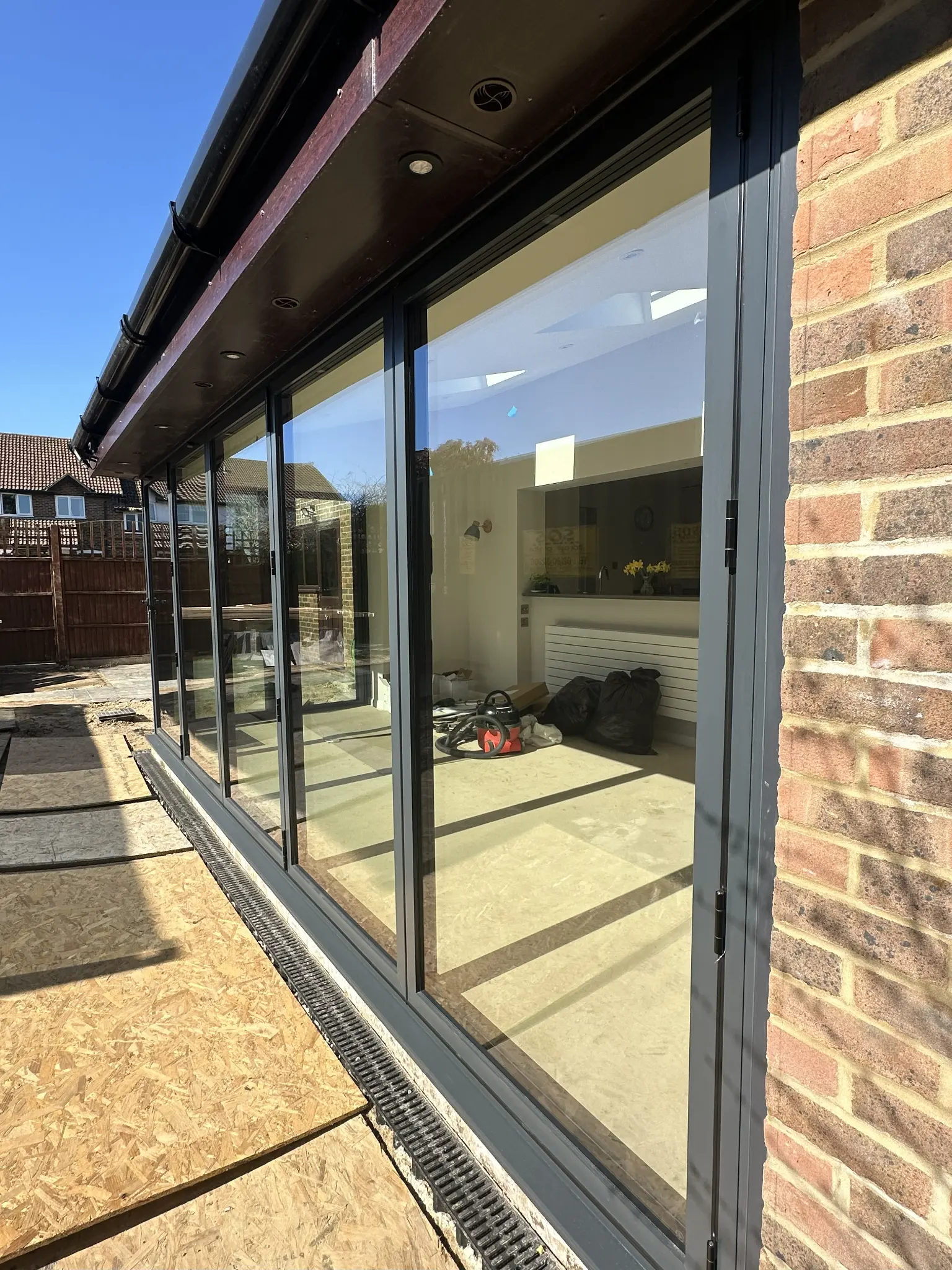
Types and Configurations of Pocket Door Systems
Pocket door systems are highly versatile, offering various types and configurations to suit different architectural needs and design preferences.
Single Pocket Door Systems
This is the most common type, where a single door panel slides into one wall cavity. It's perfect for standard doorways in bathrooms, en-suites, utility rooms, or small studies where space is limited.
Double Pocket Door Systems
Also known as bi-parting pocket doors, this system features two door panels that slide into separate wall cavities on either side of the opening. This creates a much wider opening when both doors are retracted, making it ideal for connecting larger living areas, dining rooms, or for creating a grand entrance to a master bedroom or lounge.
Telescopic Pocket Door Systems
For even wider openings where wall space is restricted on one side, telescopic systems allow multiple door panels to slide into a single wall cavity, stacking neatly behind each other. This is a more complex system but offers exceptional flexibility for large openings.
Curved Pocket Door Systems
While less common and more bespoke, curved pocket door systems are available for unique architectural designs, allowing doors to follow a curved wall line. These require highly specialised frames and installation.
Pocket Doors with Integrated Features
- Soft-Close/Soft-Open Mechanisms: Many modern systems include integrated dampers that gently slow the door's movement as it approaches the fully open or closed position, preventing slamming and ensuring smooth operation.
- Synchronised Systems: For double pocket doors, synchronised mechanisms allow both doors to open or close simultaneously with a single push or pull, enhancing convenience.
- Locking Mechanisms: Standard locking options are available, from simple privacy locks for bathrooms to more robust sash locks for other rooms.
- Architrave-Free (Flush) Systems: These systems are designed to be completely flush with the wall, eliminating the need for architraves around the opening. This creates an ultra-minimalist, seamless aesthetic, though installation is more demanding.
Installation Considerations and Technical Details
Installing a pocket door system is more involved than hanging a traditional hinged door and requires careful planning. It's crucial to consider these points early in your project.
Wall Structure and Thickness
- Stud Walls: Pocket doors are primarily designed for stud walls (timber or metal frame) where a cavity can be created. The standard frame width for a single pocket door system is typically around 100mm to 125mm, which, when clad with two layers of 12.5mm plasterboard on each side, results in a finished wall thickness of approximately 125mm-150mm. This is generally thicker than a standard 75mm stud wall with 12.5mm plasterboard (100mm total).
- Load-Bearing Walls: You cannot install a pocket door into a load-bearing wall without significant structural alteration, which would require an engineer's assessment and potentially a steel beam (RSJ) above the opening. This adds considerable cost and complexity.
- Existing Walls: Retrofitting a pocket door into an existing solid brick or block wall is generally not feasible without extensive demolition and rebuilding of a new stud wall section.
Services within the Wall
This is perhaps the most critical consideration. The wall cavity where the door slides must be clear of any services. This includes:
- Electrical Wiring: Sockets, light switches, and cabling cannot run through the pocket. Relocation will be necessary.
- Plumbing: Water pipes, waste pipes, and heating pipes must not be in the pocket area.
- Ducting: Ventilation ducts or central vacuum systems.
Thorough investigation of existing services is paramount before any demolition or installation begins.
Door Panel Weight and Frame Strength
Pocket door frames are designed to support significant weight. High-quality systems can typically accommodate door panels weighing up to 80-120kg, with heavy-duty options for even heavier doors (e.g., solid timber or glass). Always check the manufacturer's specifications for maximum door weight and thickness compatibility.
Floor Finishes
Ensure that the finished floor level is considered during installation. The door frame needs to be installed at the correct height to allow for the chosen flooring (e.g., carpet, wood, tiles) to run seamlessly underneath the door without snagging.
Pro Tip
When planning for pocket doors, always use a reputable builder or carpenter experienced with these systems. Precise measurements and level installation are critical for smooth, long-term operation. Consider the final wall thickness early, as it can impact adjacent door frames or skirting boards.
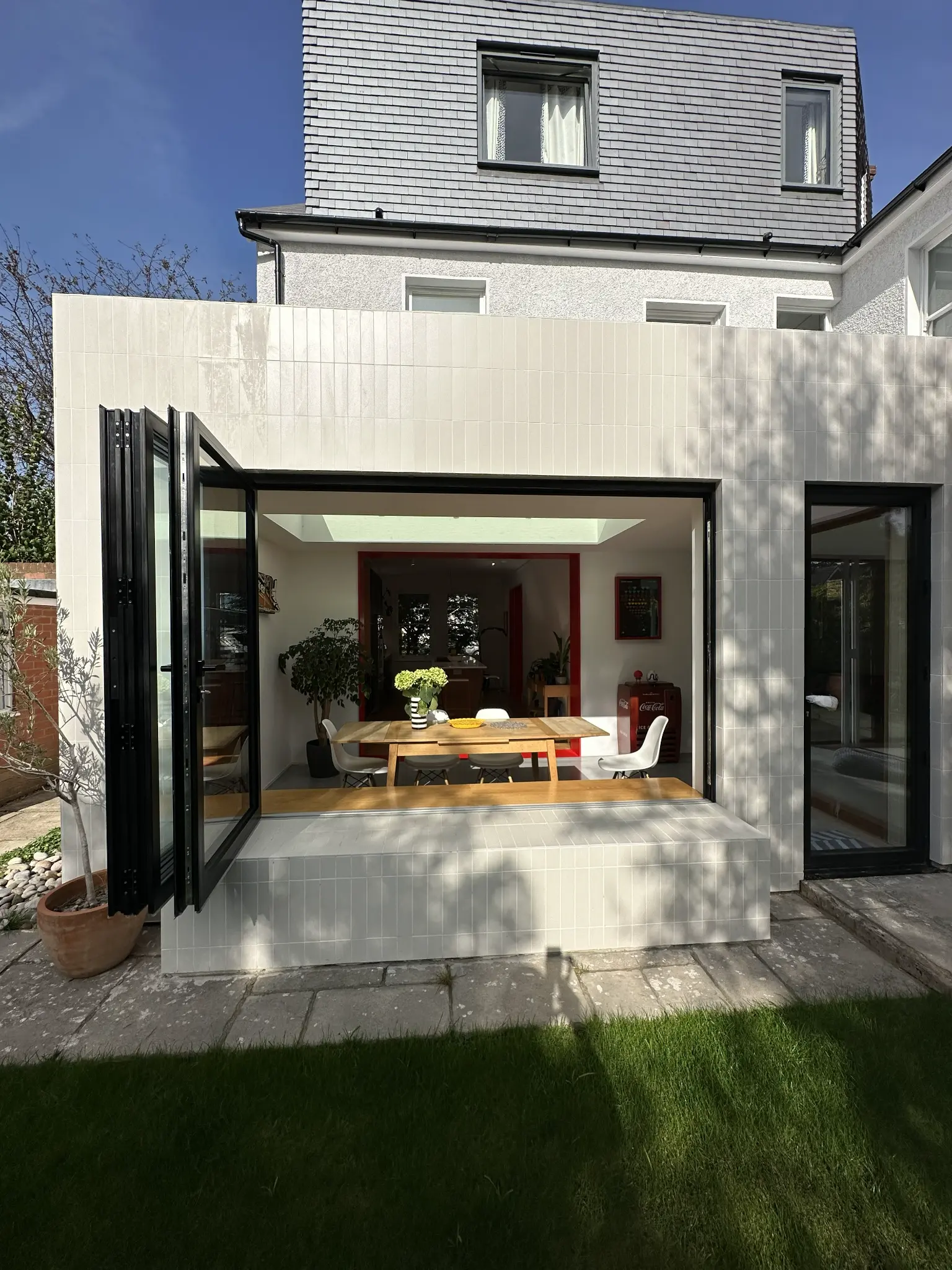
UK Building Regulations and Compliance
While pocket doors themselves aren't explicitly called out in all sections of Building Regulations, their installation must still comply with relevant parts, particularly concerning fire safety, accessibility, and thermal performance.
Part B: Fire Safety
This is often the most significant regulatory hurdle for pocket doors.
- Fire Doors: If the door is in a location that requires a fire door (e.g., between an integral garage and a dwelling, or in certain multi-storey properties), a standard pocket door system may not comply. Traditional fire doors rely on intumescent strips and specific door frames to contain fire and smoke. While specialist fire-rated pocket door systems exist, they are more expensive and complex. They typically involve specific fire-rated frames, intumescent seals, and fire-rated door panels (FD30 or FD60). Always consult with Building Control if a fire door is required.
- Escape Routes: Doors on escape routes (e.g., leading to an external door) must be easily openable without a key. Pocket doors with standard handles and locks are generally fine, but fire-rated versions need careful specification.
Part M: Access to and Use of Buildings
Pocket doors can actually be beneficial for Part M compliance, as they can create wider, unobstructed openings, improving accessibility for wheelchair users. However, ensure handles are at an accessible height and are easy to operate (e.g., D-handles rather than small knobs).
Part L: Conservation of Fuel and Power (Thermal Performance)
If a pocket door is used as an external door or separates a heated space from an unheated space (e.g., a conservatory), its thermal performance (U-value) will be critical. Standard internal pocket doors do not have an inherent U-value requirement. However, if used externally, they would need to meet the same U-value requirements as other external doors. For new builds, the maximum U-value for windows/doors is 1.2 W/m²K, and for replacement doors, it's 1.4 W/m²K. External pocket doors are highly specialised and less common due to complexity in sealing for weather and thermal performance.
General Advice: Always engage with your local Building Control body early in the design phase, especially for new builds or significant renovations. They can provide definitive guidance on compliance for your specific project.
Pros and Cons of Pocket Sliding Doors
Like any building solution, pocket doors come with their own set of advantages and potential drawbacks.
Advantages
- Significant Space Saving: As discussed, this is their primary benefit, freeing up floor and wall space.
- Aesthetic Appeal: Creates a clean, minimalist, and modern look.
- Improved Flow: Facilitates an open-plan feel when open, enhancing connectivity between rooms.
- Accessibility: Can create wider, barrier-free openings.
- Versatility: Wide range of door materials and finishes available.
Disadvantages and Considerations
- Installation Complexity: More involved and costly to install than hinged doors, especially in existing properties.
- Wall Restrictions: The wall where the door slides cannot contain electrical outlets, light switches, plumbing, or other services.
- Reduced Wall Strength: The wall section containing the pocket frame can be less robust for hanging heavy items like large televisions or heavy shelving, though some systems offer reinforced sections.
- Soundproofing: Standard pocket doors typically offer less sound insulation than a solid hinged door, as there is often a gap around the door within the pocket. Specialist acoustic seals can improve this.
- Maintenance Access: While modern systems are very reliable, accessing the track or rollers for maintenance or repair can be more difficult than with a hinged door.
- Fire Safety: As noted, specialist fire-rated systems are required where fire doors are mandatory, adding cost and complexity.
Choosing the Right System and Materials
When selecting a pocket door system, consider the following:
Frame Quality
Opt for robust, galvanised steel or aluminium frames from reputable manufacturers. Cheaper systems may use thinner metal or less durable components, leading to issues down the line.
Track and Runner Quality
The quality of the track and rollers is paramount for smooth, quiet operation. Look for heavy-duty, ball-bearing rollers that can support the weight of your chosen door panel.
Door Panel Material
- Timber: Solid or engineered timber doors offer excellent aesthetics and can be painted or stained to match interiors. They can be heavy, requiring a strong frame.
- Glass: Frosted, clear, or patterned glass doors allow light to pass through, ideal for internal rooms that lack natural light. They are heavier and require specific hardware.
- MDF/Composite: Lighter and often more cost-effective, suitable for painting.
Hardware and Accessories
Consider flush pull handles, privacy locks, soft-close mechanisms, and synchronisation kits for double doors. Ensure these are compatible with your chosen system.
| Feature | Standard Hinged Door | Standard Pocket Sliding Door | Fire-Rated Pocket Sliding Door |
|---|---|---|---|
| Space Saving | Minimal (requires swing arc) | Excellent (door disappears into wall) | Excellent (door disappears into wall) |
| Installation Complexity | Low to Medium | Medium to High (requires wall modification) | High (specialist frame, seals, and door) |
| Cost (System Only) | Low to Medium | Medium to High | High |
| Sound Insulation | Good (with solid core) | Moderate (can be improved with seals) | Good (with specific seals and door) |
| Fire Rating (FD30/FD60) | Readily available | Not standard, requires specialist system | Yes, specifically designed for compliance |
| Wall Service Restrictions | None | Significant (no services in pocket) | Significant (no services in pocket) |
| Aesthetics | Traditional | Sleek, minimalist, open-plan | Sleek, minimalist, open-plan |
Pocket sliding door systems offer a sophisticated and highly practical solution for modern UK homes, addressing challenges of space, flow, and contemporary aesthetics. While they require careful planning and professional installation, the benefits of reclaimed space and a seamless design can significantly enhance your living environment.
At Shard AG, we understand the nuances of architectural glazing and innovative door solutions. We offer expert advice and a range of high-quality pocket door systems tailored to meet the specific needs and aesthetic aspirations of UK homeowners, ensuring compliance with all relevant Building Regulations. Contact us to discuss how pocket doors can transform your space.
Explore Our Products
Discover how Shard Architectural Glazing can transform your home with our premium glazing solutions:
Ready to Transform Your Home?
Get in touch with our expert team for a free consultation and personalised quote. We'll help you choose the perfect glazing solution for your property.