

Pocket Sliding Doors: Space-Saving Elegance for UK Homes
Discover the benefits, types, and installation considerations for pocket sliding door systems in UK homes. Maximise space and enhance design.

Shard Architectural Glazing
4 March 2026
Discover the benefits, types, and installation considerations for pocket sliding door systems in UK homes. Maximise space and enhance design.
📋In This Article
In modern UK homes, where optimising space and enhancing aesthetic appeal are paramount, pocket sliding door systems have emerged as a sophisticated and practical solution. Unlike traditional hinged doors that require a significant swing radius, pocket doors glide seamlessly into a cavity within the wall, disappearing completely when open. This ingenious design not only frees up valuable floor and wall space but also offers a clean, minimalist look that complements a wide range of interior styles.
This comprehensive guide will delve into the world of pocket sliding doors, exploring their benefits, the different types available, crucial installation considerations, and how they align with UK Building Regulations. Whether you're planning a new build, an extension, or a renovation project, understanding these systems can help you make an informed decision for your home.
What Are Pocket Sliding Door Systems?
At its core, a pocket sliding door system comprises a door panel, a track system, and a frame that creates a 'pocket' within a wall. When the door is opened, it slides horizontally along the track and into this concealed wall cavity, becoming completely hidden from view. This mechanism eliminates the need for door swing space, making them ideal for areas where conventional doors would be impractical or obstructive.
Key Components of a Pocket Door System:
- Door Panel: Can be solid timber, glazed, or composite, matching your interior design.
- Track System: Typically mounted at the top, allowing the door to glide smoothly. High-quality tracks are crucial for durability and quiet operation.
- Wall Frame/Cassette: The pre-fabricated or site-built structure that forms the 'pocket' for the door. This can be timber or metal, designed to integrate seamlessly into stud walls.
- Hardware: Includes rollers, guides, handles (often flush pull handles), and sometimes soft-close mechanisms for enhanced functionality.
Pro Tip
When selecting a pocket door system, pay close attention to the quality of the track and rollers. These components bear the door's weight and are critical for smooth, long-term operation. Opting for robust, high-quality hardware will minimise maintenance and ensure durability.
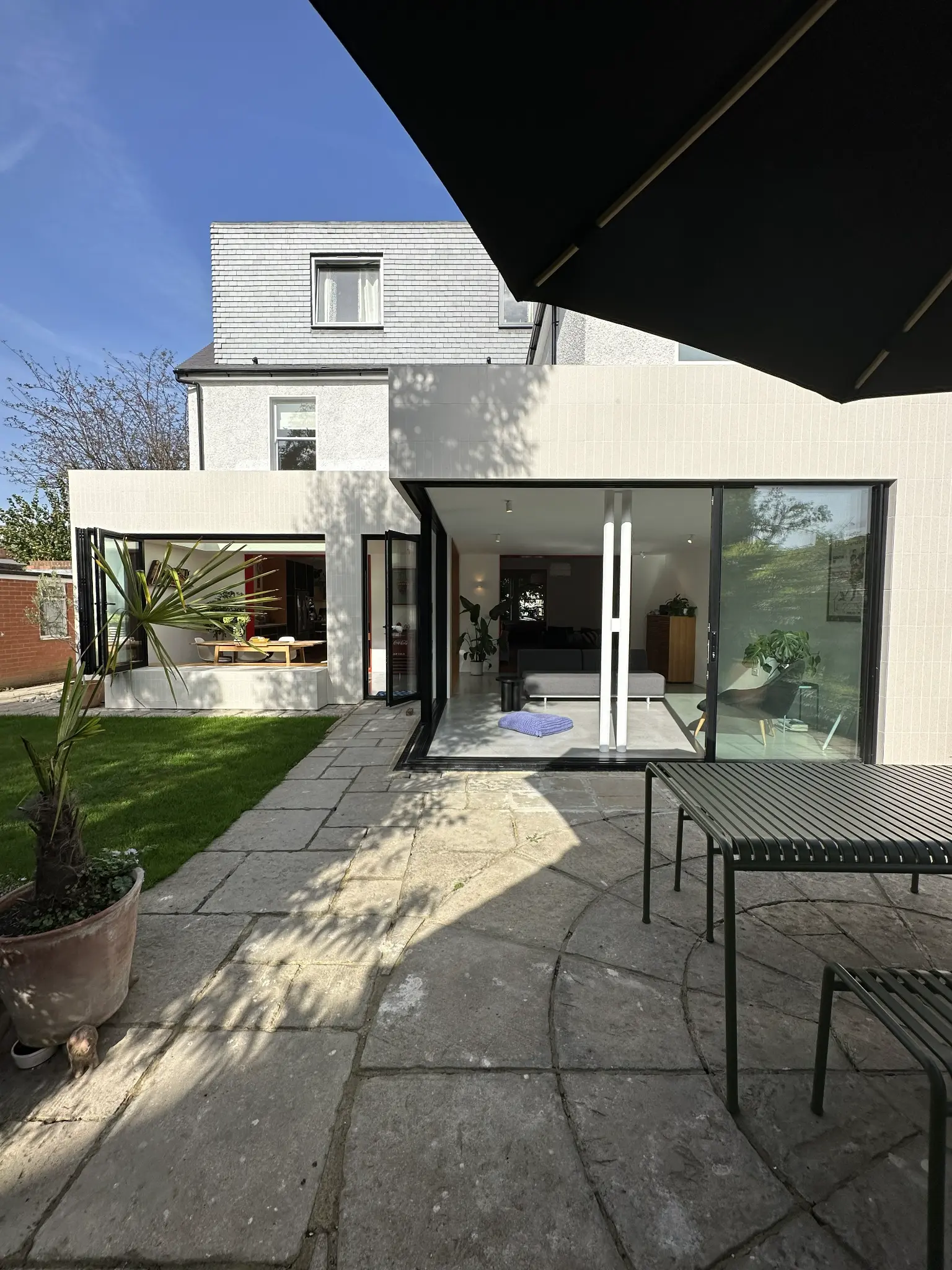
Benefits and Applications in UK Homes
The advantages of integrating pocket sliding doors into your home are numerous, extending beyond mere aesthetics to practical functionality and spatial efficiency.
Space Optimisation
By eliminating door swings, pocket doors free up significant floor and wall space, allowing for more flexible furniture placement and creating a greater sense of openness, particularly in smaller rooms or narrow corridors.
Enhanced Aesthetics
Their ability to disappear into the wall offers a sleek, minimalist look. This contributes to a clean architectural line and can make rooms feel larger and more contemporary.
Improved Accessibility
For individuals with mobility challenges, pocket doors can provide wider, unobstructed openings compared to hinged doors, making them an excellent choice for accessible design.
Versatile Design
Available in single or double configurations, and compatible with various door materials and finishes, they can be tailored to suit almost any interior design scheme, from traditional to ultra-modern.
Common Applications:
- En-suite bathrooms: Maximise space in often compact bathrooms.
- Kitchens and utility rooms: Create seamless transitions and save space around worktops.
- Walk-in wardrobes/dressing rooms: Allow for full use of internal space without door interference.
- Connecting living areas: Open up or separate living rooms, dining rooms, or home offices as needed.
- Small bedrooms or studies: Make the most of limited floor plans.
Types of Pocket Door Systems and Materials
The choice of system and material will significantly impact the door's performance, appearance, and suitability for your specific project.
System Types:
- Single Pocket Door: A single door panel slides into one wall cavity. Most common for standard doorways.
- Double Pocket Door (Bi-Parting): Two door panels slide into opposing wall cavities, meeting in the middle. Ideal for wider openings, creating a grander entrance or seamlessly connecting two larger rooms.
- Telescopic Pocket Door: Multiple door panels stack and slide into a single wall cavity. Used for very wide openings where space for a double pocket is limited.
- Curved Pocket Door: A bespoke option for curved walls, offering a truly unique architectural feature.
Door Panel Materials:
- Solid Timber: Offers excellent sound insulation and a traditional aesthetic. Can be painted, stained, or varnished.
- Glazed Panels: Incorporating glass (clear, frosted, or reeded) allows light to pass between rooms, enhancing brightness and openness, while still providing separation.
- MDF/Composite: A cost-effective and stable option, often pre-primed for painting.
- Aluminium/Steel Framed: Modern and sleek, often used with glass inserts for a contemporary industrial look.
.jpg)
Installation Considerations and UK Building Regulations
Installing a pocket door system requires careful planning and execution, especially when integrating it into existing structures. It's crucial to consider structural integrity, wall thickness, and compliance with relevant UK Building Regulations.
Key Installation Considerations:
- Wall Structure: Pocket doors require a stud wall of sufficient thickness (typically 100mm/4 inches minimum finished wall thickness, but often 120-150mm is better for robustness) to accommodate the cassette and door panel. They are generally not suitable for load-bearing walls without significant structural alterations (e.g., insertion of a lintel or steel beam), which would require professional structural engineering advice.
- Obstructions: Ensure there are no electrical wiring, plumbing pipes, or HVAC ducts within the wall where the pocket will be created. Relocating these services can add significant cost and complexity.
- Floor Finishes: Plan for consistent floor finishes across the doorway, as there will be no threshold.
- Accessibility: For accessible design (e.g., Part M of Building Regulations), ensure sufficient clear opening width and appropriate hardware.
UK Building Regulations Compliance:
While pocket doors themselves aren't explicitly regulated differently from standard doors, their installation must still comply with broader Building Regulations, particularly concerning fire safety, thermal performance, and accessibility.
1. Fire Safety (Approved Document B):
- Fire Doors: If the door is in a location that requires a fire door (e.g., between an integral garage and a dwelling, or in certain multi-storey dwellings), a standard pocket door system may not be suitable. Specialist fire-rated pocket door systems are available, which incorporate intumescent strips and specific hardware to achieve a fire rating (e.g., FD30 for 30 minutes). These are more complex and costly but essential where required. Always check with your local Building Control for specific requirements.
- Escape Routes: Ensure that the door does not impede an escape route or compromise fire compartmentation.
2. Thermal Performance (Approved Document L - Conservation of Fuel and Power):
For external doors or doors separating heated from unheated spaces, thermal performance is critical. Standard internal pocket doors offer minimal thermal insulation. External pocket door systems, while less common, would need to meet stringent U-value requirements.
- New Build & Extensions (England, 2022 standards):
- External Walls: 0.18 W/m²K
- Floors: 0.18 W/m²K
- Roofs: 0.15 W/m²K
- Windows/Doors: 1.2 W/m²K
- Replacement Windows/Doors (England, 2022 standards): 1.4 W/m²K
Internal pocket doors typically do not need to meet these thermal values, but if they separate zones with significant temperature differences, their impact on overall heat loss should be considered.
3. Accessibility (Approved Document M):
For new dwellings or major refurbishments, Part M requires certain doors to be accessible. Pocket doors can be highly beneficial for this, offering wider clear openings. However, specific hardware (e.g., D-pull handles) and clear opening widths must be maintained.
It is always advisable to consult with your local Building Control body or a qualified architect/builder early in your project to ensure full compliance with all relevant regulations.
Comparison: Pocket vs. Hinged vs. Barn Doors
Understanding the differences between common door types can help you choose the best solution for your home.
| Feature | Pocket Sliding Door | Standard Hinged Door | Barn Door (Surface Slider) |
|---|---|---|---|
| Space Saving | Excellent (disappears into wall) | Poor (requires swing space) | Good (slides along wall surface) |
| Aesthetics | Clean, minimalist, hidden | Traditional, classic | Rustic, industrial, visible hardware |
| Privacy/Sound Insulation | Good (when installed correctly) | Very Good (seals well) | Moderate (gaps around door) |
| Installation Complexity | High (requires wall modification) | Low to Moderate | Moderate (surface mounted track) |
| Cost | Moderate to High (system + installation) | Low to Moderate | Moderate |
| Accessibility | Excellent (wide, clear opening) | Good (standard opening) | Good (wide, clear opening) |
Maintenance and Longevity
With proper installation and occasional care, a high-quality pocket door system can offer decades of reliable service.
Maintenance Tips:
- Track Cleaning: Periodically vacuum or wipe down the track to remove dust and debris that can impede smooth operation.
- Lubrication: Apply a silicone-based lubricant to the rollers and track as recommended by the manufacturer, typically every few years. Avoid oil-based lubricants that can attract dirt.
- Hardware Check: Ensure all screws and fixings are tight, especially on the rollers and guides.
- Door Alignment: If the door starts to drag or stick, check for alignment issues. Many systems allow for minor adjustments to the rollers.
The longevity of your pocket door system is largely dependent on the quality of the components, particularly the track and roller mechanisms. Investing in a reputable brand with robust hardware will pay dividends in terms of durability and smooth operation over time.
Conclusion
Pocket sliding door systems offer a compelling blend of aesthetic appeal, spatial efficiency, and practical functionality for UK homeowners. By disappearing into the wall, they unlock design possibilities that traditional doors simply cannot, creating more open, fluid, and contemporary living spaces.
While their installation requires careful planning and consideration of structural elements and Building Regulations, the long-term benefits in terms of space saving and visual impact are substantial. Whether you're looking to maximise a small en-suite, create a grand entrance between living areas, or simply enhance the modern feel of your home, a pocket door system is a sophisticated choice worth exploring.
For expert advice on selecting and integrating the ideal glazing solutions, including bespoke pocket door systems for your home, consider consulting with specialists in architectural glazing. They can guide you through the options, ensuring your chosen system meets both your design aspirations and all necessary building standards.
Explore Our Products
Discover how Shard Architectural Glazing can transform your home with our premium glazing solutions:
Ready to Transform Your Home?
Get in touch with our expert team for a free consultation and personalised quote. We'll help you choose the perfect glazing solution for your property.