

Rooflights & Skylights: The Ultimate UK Homeowner's Guide
Discover everything about rooflights and skylights for your UK home. Learn about types, benefits, regulations, and installation for a brighter living space.

Shard Architectural Glazing
6 February 2026
Discover everything about rooflights and skylights for your UK home. Learn about types, benefits, regulations, and installation for a brighter living space.
📋In This Article
Bringing natural light into your home can transform its atmosphere, making spaces feel larger, brighter, and more inviting. For many UK homeowners, traditional windows simply aren't enough, especially in deeper plan rooms, extensions, or loft conversions. This is where rooflights and skylights come into their own, offering a powerful solution to illuminate interiors from above.
While often used interchangeably, there are subtle distinctions between rooflights and skylights, primarily relating to their installation angle and opening mechanisms. Regardless of the terminology, their core function remains the same: to harness the sun's energy and deliver it deep into your living spaces. This comprehensive guide will delve into the world of overhead glazing, providing UK homeowners with the essential knowledge needed to make informed decisions for their projects.
Understanding Rooflights and Skylights: What's the Difference?
Before diving into the specifics, it's helpful to clarify the common terminology. While the terms are often used interchangeably, particularly in casual conversation, there's a technical distinction that can be useful to understand.
What is a Rooflight?
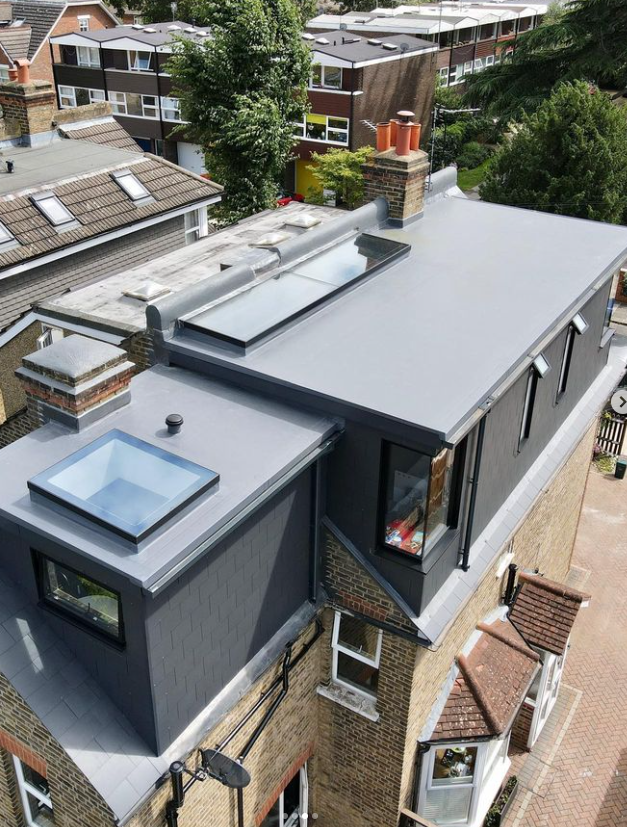
A rooflight is generally understood to be a fixed or opening glazed unit installed on a flat or low-pitch roof (typically 0-15 degrees). They are designed to sit flush or slightly raised from the roof surface, providing natural light and, if opening, ventilation. Common types include flat glass rooflights, pyramid rooflights, and lantern rooflights.
What is a Skylight?
A skylight, by contrast, traditionally refers to a window installed in the pitched roof of a building (typically 15-90 degrees). These are often integrated into the roof structure, following the line of the roof, and are usually operable, allowing for ventilation. Velux is a well-known brand that manufactures what are commonly referred to as skylights.
In practice, many manufacturers and suppliers use 'rooflight' as a catch-all term for any glazed unit installed in a roof. For the purpose of this guide, we will primarily use 'rooflight' to encompass both, unless a specific distinction is necessary.
.jpg)
The Benefits of Overhead Glazing for UK Homes
Installing rooflights or skylights offers a multitude of advantages beyond just increased light. They can significantly enhance the comfort, value, and energy efficiency of your property.
Enhanced Natural Light
Rooflights bring up to three times more natural light into a room than an equivalent-sized vertical window. This is because they are positioned to capture direct sunlight throughout the day, including from the north, which can provide consistent, diffused light.
Improved Ventilation
Opening rooflights and skylights are excellent for creating 'stack effect' ventilation. Warm, stale air naturally rises and escapes through the roof opening, drawing in cooler, fresh air from lower windows. This can significantly improve indoor air quality and comfort, especially in kitchens or bathrooms.
Space Transformation
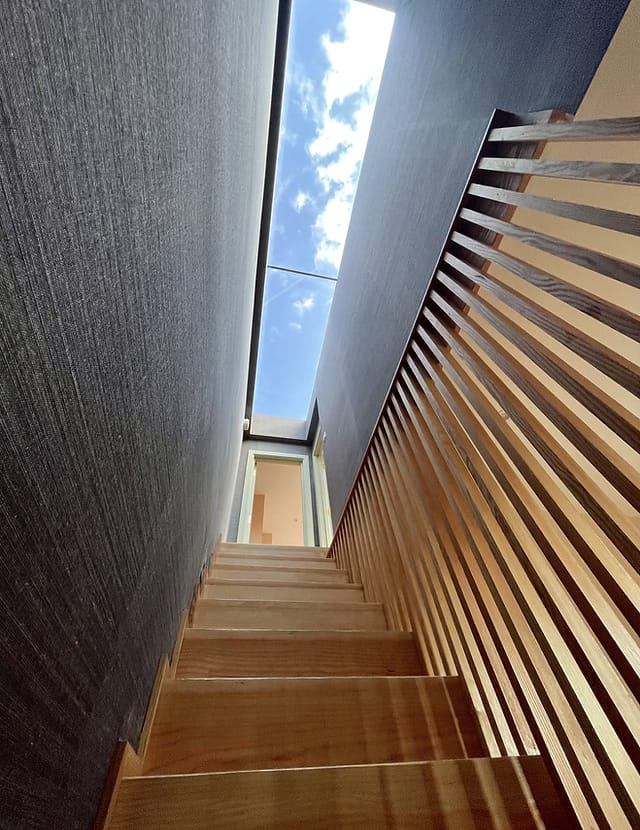
By flooding a room with light, rooflights can make even small or dark spaces feel larger, more open, and less claustrophobic. They can turn a previously underutilised area, such as a dark hallway or a loft conversion, into a vibrant, inviting part of your home.
Energy Efficiency & Savings
Modern rooflights are highly energy-efficient, featuring advanced glazing and insulated frames. By maximising natural daylight, they reduce the need for artificial lighting during the day, potentially lowering your electricity bills. Strategic placement can also contribute to passive solar gain in winter, reducing heating costs.
Popular Types of Rooflights and Skylights
The market offers a wide array of designs, each suited to different architectural styles and functional requirements.
Flat Glass Rooflights
- Description: These are sleek, minimalist units designed for flat roofs, appearing almost flush with the roof surface. They typically feature a single or double pane of glass.
- Best for: Contemporary extensions, kitchens, or any flat-roofed area where maximum light and an unobtrusive aesthetic are desired.
- Operation: Available as fixed (non-opening) or electrically operated (vented) for ventilation.
Pitched Roof Windows (Skylights)
- Description: Designed specifically for pitched roofs, these integrate seamlessly into the roofline. They come in various opening styles, including centre-pivot, top-hung, and conservation styles.
- Best for: Loft conversions, bedrooms, or any room under a pitched roof where light and ventilation are needed.
- Operation: Manual or electric operation, often with rain sensors for automatic closing.
Lantern Rooflights
- Description: A more architectural statement, lantern rooflights are multi-faceted glazed structures that sit proud of a flat roof. They create a dramatic focal point and provide exceptional light distribution.
- Best for: Orangeries, large extensions, kitchens, or dining areas where a grand aesthetic is desired.
- Operation: Typically fixed, though some designs may incorporate opening vents.
Pyramid Rooflights
- Description: Similar to lantern rooflights but with a simpler, pyramidical shape, offering a contemporary geometric look.
- Best for: Modern extensions, commercial properties, or where a striking architectural feature is desired without the complexity of a full lantern.
- Operation: Usually fixed.
Walk-on Glass Rooflights
- Description: Specifically engineered with reinforced glass to withstand foot traffic, allowing light into rooms below a patio, terrace, or even an internal floor.
- Best for: Basements, lightwells, or areas where natural light is needed from an overhead walkable surface.
- Operation: Fixed only due to structural requirements.
Pro Tip
When choosing between fixed and opening rooflights, consider the room's function. For kitchens and bathrooms, opening rooflights are invaluable for moisture and odour control. For living rooms or hallways, fixed units might suffice if other ventilation is adequate, potentially saving on cost and maintenance.
UK Building Regulations and Technical Considerations
Installing rooflights or skylights is not just about aesthetics; it involves adherence to specific UK Building Regulations to ensure safety, energy efficiency, and structural integrity. It is always recommended to consult with your local Building Control body or a qualified professional before commencing work.
Planning Permission
In many cases, installing rooflights or skylights falls under 'Permitted Development' rights, meaning you won't need to apply for planning permission, especially for pitched roof installations. However, there are conditions:
- They must not project more than 150mm above the plane of the existing roof slope.
- They must not be higher than the highest part of the roof.
- Side-facing windows must be obscure-glazed and non-opening below 1.7m above the floor level.
For flat roof extensions or new build projects, rooflights will be part of the overall planning application. If your property is in a Conservation Area or is a Listed Building, stricter rules apply, and planning permission will almost certainly be required.
Building Regulations Part L (Conservation of Fuel and Power)
This is crucial for energy efficiency. All new or replacement rooflights must meet stringent thermal performance standards to minimise heat loss. The U-value is the key metric here, measuring how effectively a building element prevents heat from passing through it. A lower U-value indicates better insulation.
| Building Element | Minimum U-value Requirement (England, Part L 2022) |
|---|---|
| New Walls (new build & extensions) | 0.18 W/m²K |
| Floors | 0.18 W/m²K |
| Roofs | 0.15 W/m²K |
| Windows/Doors (new build) | 1.2 W/m²K |
| Windows/Doors (replacement) | 1.4 W/m²K |
| Party Walls | 0.0 W/m²K |
For rooflights, the U-value requirement is typically aligned with windows and doors. For new build projects, rooflights should achieve a U-value of 1.2 W/m²K or better. For replacement rooflights, the standard is 1.4 W/m²K. Ensure your chosen products meet or exceed these values. Look for products with double or triple glazing, low-emissivity (low-e) coatings, and argon or krypton gas fills between panes.
Building Regulations Part B (Fire Safety)
Consideration must be given to the proximity of rooflights to boundaries and other buildings, especially in relation to fire spread. Certain distances may require specific fire-rated glazing or alternative solutions.
Building Regulations Part K (Protection from Falling, Collision and Impact)
This part ensures that rooflights are safe for both those working on the roof and occupants below. Glazing should be robust enough to prevent falling through and, if broken, should not create dangerous shards. This often means using laminated glass for the inner pane and toughened glass for the outer pane.
Structural Considerations
Any opening in a roof requires careful structural assessment and support. The existing roof timbers will need to be cut and new trimmers installed to frame the opening. This work should always be carried out by a competent builder or structural engineer to ensure the roof's integrity is maintained.
Installation and Maintenance
Proper installation is paramount for the longevity and performance of your rooflight. Incorrect fitting can lead to leaks, drafts, and compromised thermal efficiency.
Professional Installation
While some DIY enthusiasts might consider installing smaller skylights, it is strongly recommended to use experienced, certified installers for all rooflight projects. They will ensure:
- Correct structural support and weatherproofing.
- Compliance with all Building Regulations.
- Proper flashing kits are used to integrate the rooflight seamlessly into the roof covering, preventing water ingress.
- Electrical connections for opening units are safely installed.
Maintenance Tips
- Regular Cleaning: Clean the glass periodically, both internally and externally, to maximise light transmission. Use appropriate glass cleaner and a soft cloth. For external cleaning, ensure safe access.
- Check Seals and Flashing: Annually inspect the seals around the glass and the flashing around the frame for any signs of deterioration or damage. Early detection of issues can prevent costly leaks.
- Operating Mechanisms: For opening rooflights, lubricate hinges and moving parts as per the manufacturer's instructions. Check that electric motors are functioning correctly.
- Clear Debris: Keep the area around the rooflight free from leaves, moss, and other debris that can accumulate and impede drainage.
Choosing the Right Rooflight for Your Home
With so many options, selecting the ideal rooflight involves balancing aesthetics, performance, and budget.
Key Considerations:
- Location and Orientation: Where is the rooflight being installed? What direction does the roof face? This impacts light levels and potential for solar gain.
- Room Function: Is it a kitchen (needs ventilation), a bedroom (needs blackout blinds), or a hallway (just light)?
- Roof Type: Is it a flat roof or a pitched roof? This will dictate the primary type of rooflight suitable.
- Budget: Prices vary significantly based on size, type, glazing specification, and opening mechanism.
- Glazing Specification: Beyond U-values, consider G-value (solar factor, indicating how much solar heat passes through), light transmission, and acoustic performance (for noise reduction).
- Blinds and Accessories: Many rooflights offer integrated blinds (manual or electric) for light control, privacy, and thermal insulation. Rain sensors for automatic closing are also popular.
- Aesthetics: Does the design complement your home's architectural style? Consider frame materials (aluminium, uPVC, timber) and finishes.
By carefully considering these factors and consulting with professionals, you can ensure your rooflight installation not only enhances your home's beauty but also performs optimally for years to come.
At Shard AG, we specialise in providing high-quality architectural glazing solutions, including a wide range of rooflights and skylights designed to meet the specific needs of UK homeowners. Our expert team can guide you through the selection process, ensuring compliance with all relevant Building Regulations and delivering a seamless installation experience. We pride ourselves on offering products that combine exceptional performance with stunning aesthetics, transforming your living spaces with natural light.
Explore Our Products
Discover how Shard Architectural Glazing can transform your home with our premium glazing solutions:
Ready to Transform Your Home?
Get in touch with our expert team for a free consultation and personalised quote. We'll help you choose the perfect glazing solution for your property.