

Rooflights & Skylights: The Ultimate UK Homeowner's Guide
Unlock natural light and enhance your home with rooflights and skylights. This guide covers types, benefits, regulations, and installation for UK properties.

Shard Architectural Glazing
13 February 2026
Unlock natural light and enhance your home with rooflights and skylights. This guide covers types, benefits, regulations, and installation for UK properties.
📋In This Article
Bringing natural light into your home can transform its atmosphere, making spaces feel larger, brighter, and more inviting. While traditional windows play a crucial role, rooflights and skylights offer a unique opportunity to flood interiors with overhead illumination, especially in areas where vertical windows are impractical or insufficient. For UK homeowners, understanding the nuances of these glazing solutions is key to making an informed decision that enhances both aesthetics and thermal performance.
This comprehensive guide will delve into everything you need to know about rooflights and skylights, from their different types and benefits to critical considerations like Building Regulations, installation, and maintenance.
What Are Rooflights and Skylights?
Often used interchangeably, the terms 'rooflight' and 'skylight' generally refer to glazed units installed within the roof structure to allow natural light into the building below. While there's no strict, universally agreed-upon distinction, industry professionals often differentiate them based on their installation and opening mechanisms:
- Skylights: Typically installed on pitched roofs, these are often designed to open, providing ventilation as well as light. They are usually integrated into the roofline, sitting flush with the tiles or slates.
- Rooflights: A broader term, often referring to fixed, non-opening units, or those designed for flat roofs (e.g., flat glass rooflights, dome rooflights). They can also include more bespoke or larger glazed structures like roof lanterns or walk-on glass.
For the purpose of this guide, we will use 'rooflight' as a general term encompassing all forms of overhead glazing, unless a specific distinction is necessary.
.jpg)
Types of Rooflights and Skylights for UK Homes
The market offers a diverse range of rooflight options, each suited to different architectural styles and functional requirements. Understanding these types is the first step in choosing the right solution for your home.
1. Pitched Roof Skylights
These are the most common type, designed for installation on roofs with a significant pitch (typically 15 degrees or more). They integrate seamlessly with the existing roof covering.
- Centre-Pivot: The most popular design, pivoting in the middle for easy opening and cleaning.
- Top-Hung: Opens outwards from the top, offering an unobstructed view when open. Ideal for low-pitched roofs or where head height is a concern.
- Fixed: Non-opening units, purely for light.
- Conservation Skylights: Designed to mimic traditional cast-iron skylights, often required in conservation areas or for period properties.
2. Flat Rooflights
Specifically designed for flat or low-pitched roofs (typically 0-15 degrees), these are essential for bringing light into extensions, single-storey areas, or basements with light wells.
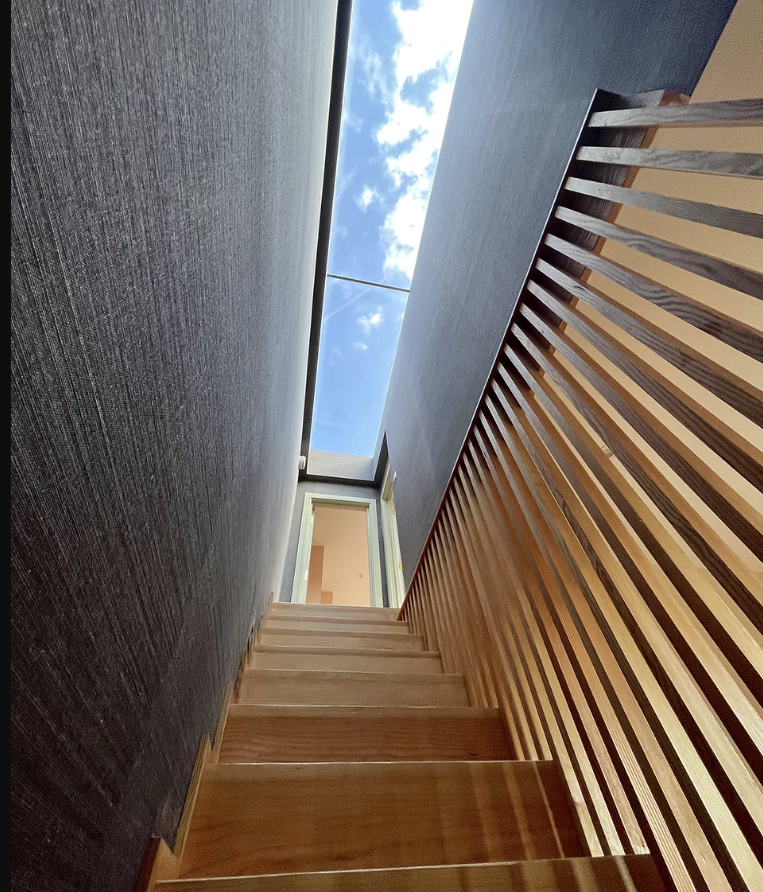
- Flat Glass Rooflights: Sleek, minimalist design, often frameless from the interior, providing maximum light. They typically have a slight pitch to allow water run-off.
- Dome/Pyramid Rooflights: Often made from polycarbonate or acrylic, these are durable, cost-effective, and excellent for light diffusion. Available in various shapes.
- Walk-on Glass Rooflights: Toughened, laminated glass units designed to be walked upon, ideal for terraces, patios, or light wells where external access is required.
3. Roof Lanterns
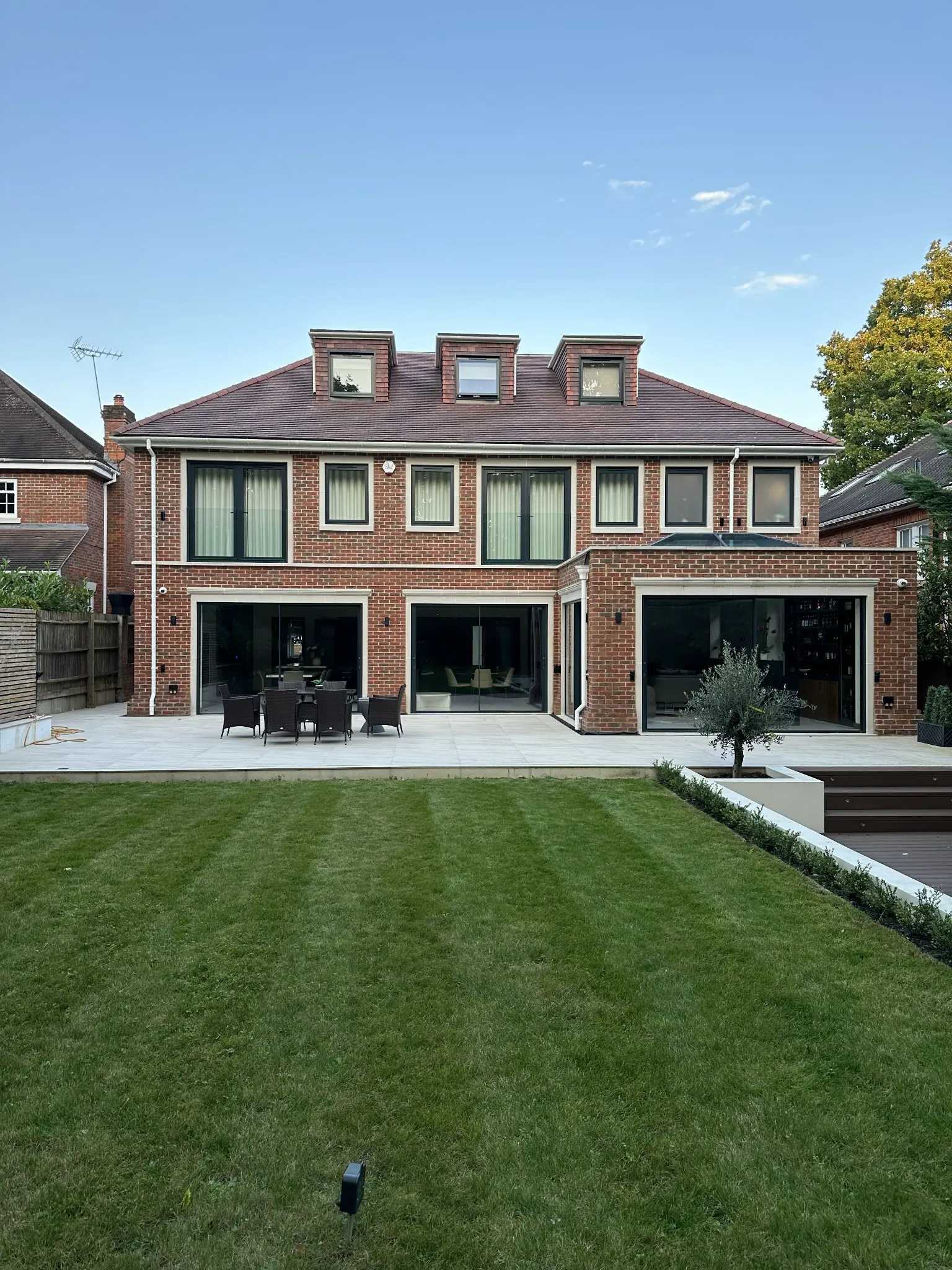
These are more elaborate, multi-pane glazed structures that sit proud of the roofline, creating a dramatic architectural feature. They are particularly effective in large open-plan spaces, bringing in vast amounts of light and a sense of grandeur.
4. Sun Tunnels (Light Tunnels)
For areas where a full rooflight isn't feasible, a sun tunnel uses a reflective pipe to channel daylight from a roof-mounted dome or flat plate down into an interior space, such as a hallway, bathroom, or cupboard. They are a cost-effective way to introduce natural light without major structural changes.
Pro Tip
When choosing between opening and fixed rooflights, consider your ventilation needs. Opening units can help with air circulation and prevent overheating in summer, but fixed units often offer better thermal performance and security at a lower cost.
Benefits of Installing Rooflights
The advantages of incorporating rooflights into your home extend beyond mere aesthetics:
Enhanced Natural Light
Rooflights provide up to three times more natural light than vertical windows of the same size, dramatically brightening dark rooms and reducing reliance on artificial lighting.
Improved Mood & Well-being
Exposure to natural light is proven to boost mood, increase productivity, and regulate sleep patterns, contributing to a healthier living environment.
Energy Efficiency
Modern rooflights, when specified correctly, can significantly improve your home's thermal performance, reducing heating bills and contributing to a lower carbon footprint.
Increased Property Value
Well-designed and installed rooflights are a desirable feature that can enhance the appeal and market value of your property.
UK Building Regulations and Technical Considerations
For any significant home alteration in the UK, compliance with Building Regulations is paramount. Rooflights are no exception, particularly concerning structural integrity, thermal performance, and safety.
1. Thermal Performance (Part L)
Part L (Conservation of Fuel and Power) of the Building Regulations sets stringent standards for the thermal performance of building elements. This is measured by the U-value, which indicates how effectively a material insulates – lower U-values mean better insulation.
- New Build & Extensions: For new extensions, the U-value for windows and doors (which includes rooflights) typically required is 1.2 W/m²K.
- Replacement Rooflights: When replacing an existing rooflight, the U-value should be no worse than 1.4 W/m²K.
Always check the specific U-value of any rooflight you consider. Factors like the type of glazing (double or triple), inert gas filling (argon, krypton), and low-emissivity coatings significantly impact thermal performance.
2. Structural Integrity (Part A)
Any alteration to your roof structure, including cutting openings for rooflights, must comply with Part A (Structure). This ensures the roof remains structurally sound and can support the new load. It's highly advisable to consult a structural engineer for advice, especially for larger installations or in older properties.
3. Fire Safety (Part B)
Part B (Fire Safety) may be relevant, particularly if the rooflight is considered an escape route or if it impacts fire compartmentation. This is less common for standard rooflights but important for larger glazed areas or in multi-storey dwellings.
4. Ventilation (Part F)
If your rooflight is opening, it can contribute to the ventilation requirements of Part F (Ventilation). However, fixed rooflights do not. Ensure your overall ventilation strategy for the room remains compliant.
5. Safety Glazing (Part K)
Part K (Protection from falling, collision and impact) requires that glazing in critical locations (such as overhead glazing) must be safety glass – either toughened or laminated – to prevent injury in case of breakage. This is standard for all reputable rooflight manufacturers.
6. Planning Permission
Most rooflight installations fall under Permitted Development Rights, meaning you won't need full planning permission, provided certain conditions are met:
- They must not protrude more than 150mm above the plane of the existing roof slope.
- They must not be higher than the highest part of the roof.
- Side-facing rooflights require obscure glazing and must be non-opening below 1.7m above the floor level.
However, if your property is in a Conservation Area, a National Park, an Area of Outstanding Natural Beauty, or a World Heritage Site, or if it's a Listed Building, you will almost certainly need planning permission. Always check with your local planning authority before commencing any work.
Installation and Maintenance
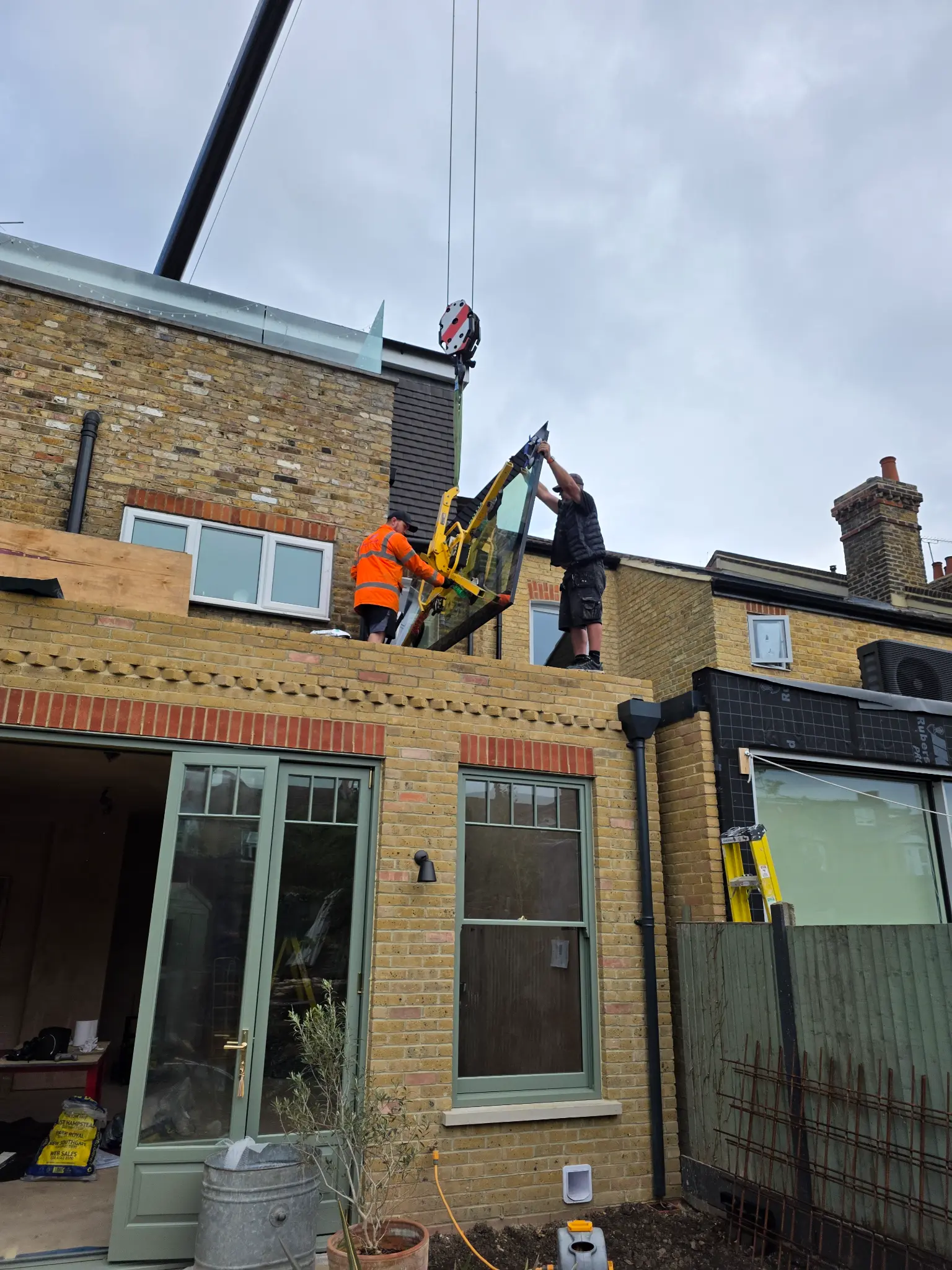
Proper installation is critical for the longevity and performance of your rooflight. It ensures watertightness, thermal efficiency, and structural integrity.
- Professional Installation: Always use experienced, qualified installers. Many manufacturers have approved installer networks.
- Flashing Kits: These are essential components that create a watertight seal between the rooflight and the surrounding roof covering. Ensure the correct flashing kit is used for your specific roof material (e.g., tiles, slates, felt).
- Insulation: Proper insulation around the rooflight frame and upstand is vital to prevent cold bridging and maintain thermal performance.
- Maintenance: Modern rooflights are generally low maintenance. Regular cleaning of the glass (both inside and out) will maximise light transmission. Check seals and flashings periodically for any signs of wear or damage. Self-cleaning glass coatings are available and can reduce the frequency of external cleaning.
Comparison of Common Rooflight Types
| Feature | Pitched Roof Skylight | Flat Glass Rooflight | Roof Lantern | Sun Tunnel |
|---|---|---|---|---|
| Typical Roof Type | Pitched (15°+) | Flat / Low-pitched (0-15°) | Flat / Low-pitched | Pitched or Flat |
| Light Output | Excellent, direct light | Excellent, diffuse light | Exceptional, dramatic light | Good, ambient light |
| Ventilation | Often opening (manual/electric) | Can be opening (electric) | Can be opening (electric) | None |
| Aesthetics | Integrated, traditional to modern | Sleek, minimalist | Architectural feature, grand | Subtle, internal diffuser |
| U-Value (typical) | 1.2 - 1.4 W/m²K | 1.2 - 1.4 W/m²K | 1.2 - 1.6 W/m²K | N/A (diffuser U-value) |
| Cost (approx.) | ££ | £££ | ££££ | £ |
| Installation Complexity | Moderate | Moderate to High | High | Low to Moderate |
Choosing the Right Rooflight for Your Home
Selecting the ideal rooflight involves balancing several factors:
- Roof Type and Pitch: This is the primary determinant. Flat roofs require flat rooflights or lanterns; pitched roofs accommodate skylights.
- Room Function: A bathroom might benefit from an opening rooflight for ventilation, while a living room might prioritise maximum light from a fixed unit or lantern.
- Desired Aesthetic: Do you want a minimalist, flush look or a prominent architectural statement?
- Budget: Costs vary significantly between types and sizes.
- Thermal Performance: Always prioritise good U-values to ensure energy efficiency and compliance with Building Regulations.
- Orientation: Consider the sun's path. South-facing rooflights will provide more heat gain, potentially requiring solar control glass or blinds. North-facing offers more consistent, softer light.
By carefully considering these points and consulting with experienced professionals, you can ensure your rooflight installation is a successful and valuable addition to your UK home.
At Shard AG, we specialise in high-performance architectural glazing solutions for UK homeowners. Our extensive range of rooflights, skylights, and roof lanterns are designed to meet the highest standards of thermal efficiency, durability, and aesthetic appeal. We work with leading manufacturers to provide bespoke and standard options, ensuring compliance with all relevant UK Building Regulations. Our team of experts is on hand to guide you through the selection process, from initial design consultation to professional installation, helping you transform your home with natural light.
Explore Our Products
Discover how Shard Architectural Glazing can transform your home with our premium glazing solutions:
Ready to Transform Your Home?
Get in touch with our expert team for a free consultation and personalised quote. We'll help you choose the perfect glazing solution for your property.