

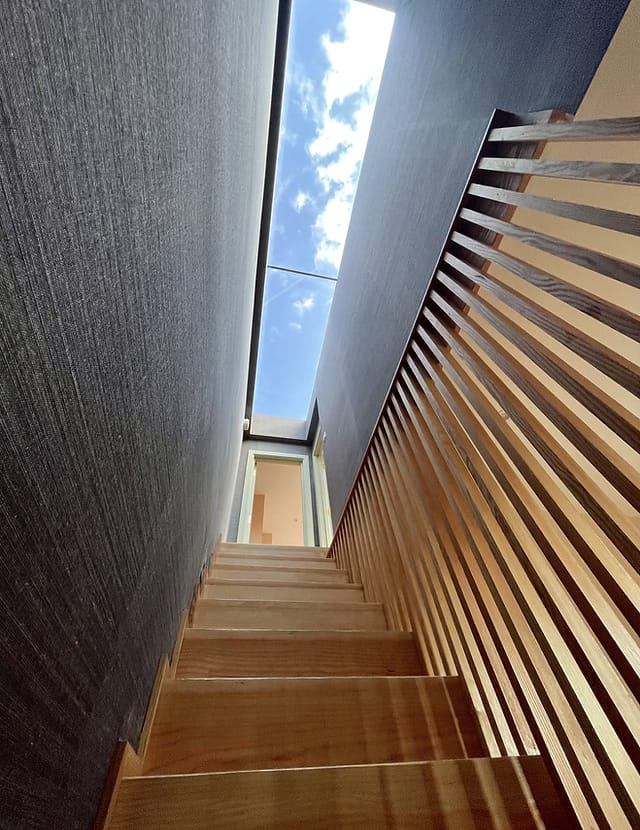
Rooflights & Skylights: The Ultimate UK Homeowner's Guide
Explore rooflights and skylights for your UK home. Understand types, benefits, regulations, and installation tips to brighten your space effectively.

Shard Architectural Glazing
3 March 2026
Explore rooflights and skylights for your UK home. Understand types, benefits, regulations, and installation tips to brighten your space effectively.
📋In This Article
Bringing natural light into our homes is a fundamental desire, transforming dark, uninviting spaces into bright, airy havens. For many UK homeowners, especially those with extensions, loft conversions, or north-facing rooms, traditional windows simply aren't enough. This is where rooflights and skylights come into their own, offering a powerful solution to illuminate interiors from above. But what exactly are they, what are the differences, and what do you need to consider before installing one?
This comprehensive guide will delve into everything you need to know about rooflights and skylights, from their technical specifications and types to crucial UK Building Regulations and practical installation advice. Our goal is to equip you with the knowledge to make an informed decision, ensuring your project enhances your home's aesthetics, energy efficiency, and overall comfort.
Rooflights vs. Skylights: Understanding the Difference
While often used interchangeably, there's a subtle but important distinction between rooflights and skylights, particularly in the UK context. Understanding this can help you choose the right product and ensure compliance with Building Regulations.
What is a Rooflight?
A rooflight is generally defined as a flat or low-profile glazed unit installed flush or near-flush with the roofline. They are designed to sit discreetly within the roof structure, providing natural light without significantly altering the roof's silhouette. They are typically non-opening or offer limited ventilation options.
- Common types: Flat glass rooflights, walk-on rooflights, pyramid or lantern rooflights (though these can sometimes cross over into skylight territory due to their protrusion).
- Installation: Often installed on flat roofs or low-pitch roofs, or sometimes integrated into pitched roofs where minimal protrusion is desired.
- Primary function: Maximise natural light entry with minimal visual impact from the exterior.
What is a Skylight?
A skylight, by contrast, is a glazed unit that typically protrudes from the roofline, often designed to open for ventilation. They are more prominent features on the roof and are usually installed on pitched roofs.
- Common types: Pitched roof windows (e.g., Velux-style windows), dome skylights.
- Installation: Almost exclusively on pitched roofs, integrated into the tile or slate line.
- Primary function: Provide both natural light and often significant ventilation, sometimes offering views.
Key takeaway: While the terms are often used broadly, if you're looking for a flush, sleek solution for a flat roof, you're likely after a rooflight. If you need an opening window for a pitched roof, a skylight (or pitched roof window) is the more accurate term.
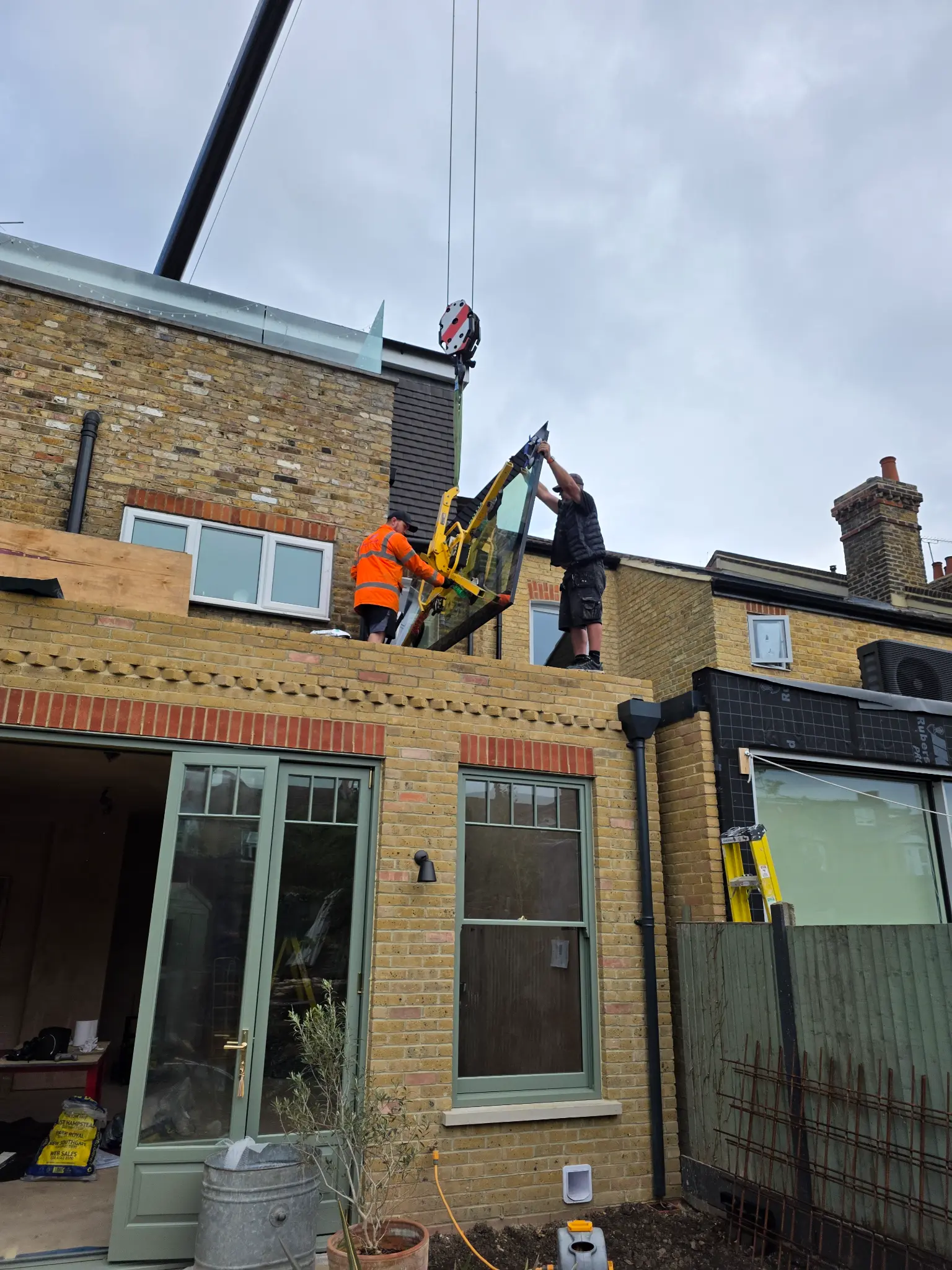
Benefits of Installing Rooflights and Skylights
The advantages of incorporating overhead glazing into your home extend far beyond simply brightening a room. They can significantly enhance your living environment in multiple ways:
Enhanced Natural Light
Overhead glazing brings in up to three times more natural light than vertical windows of the same size. This reduces the need for artificial lighting during the day, saving energy and creating a more uplifting atmosphere.
Improved Ventilation
Opening skylights create a 'stack effect' or 'chimney effect', drawing warm, stale air out of the room and pulling in cooler, fresh air from lower-level windows. This natural ventilation is highly effective for maintaining comfortable indoor temperatures and air quality.
Aesthetic Appeal & Value
Rooflights and skylights add a modern, sophisticated touch to any property. They can make a room feel larger, more open, and more connected to the outdoors, significantly enhancing its aesthetic appeal and potentially increasing your home's market value.
Health & Wellbeing
Exposure to natural light is crucial for human health, regulating circadian rhythms, boosting mood, and improving productivity. By maximising daylight, rooflights and skylights contribute to a healthier and happier living environment.
Pro Tip
Consider the orientation of your roof. North-facing rooflights provide consistent, diffused light, ideal for studios or offices. South-facing ones offer intense, direct light, which might require shading solutions to prevent overheating and glare.
Types of Rooflights and Skylights for UK Homes
The market offers a diverse range of products, each suited to different architectural styles, roof types, and homeowner needs.
Flat Glass Rooflights
These are popular for flat roofs (pitches typically between 0-15 degrees). They offer a sleek, minimalist aesthetic with a flush or low-profile design. Available as fixed (non-opening), manual opening, or electrically operated for ventilation. Walk-on versions are also available for terraces or roof gardens.
Pitched Roof Windows (Skylights)
Designed for pitched roofs (typically 15-90 degrees), these are the most common type of skylight. They integrate seamlessly with tiles or slates. Options include centre-pivot, top-hung, and conservation styles (with a central bar and black finish, often required for listed buildings or conservation areas).
Lantern Rooflights
These are architectural statements, often featuring multiple panes of glass forming a pyramid or rectangular structure that rises above the roofline. Ideal for adding grandeur and a significant influx of light to large open-plan spaces like kitchens or orangeries.
Dome Rooflights
Typically made from acrylic or polycarbonate, these are a more economical option, often found on commercial buildings but also used in residential flat roofs. They come in various shapes (domed, pyramid) and offer good insulation and durability.
Access Rooflights
These are designed to allow safe access to the roof for maintenance or as an emergency exit. They are typically larger, opening fully to provide a clear passage.
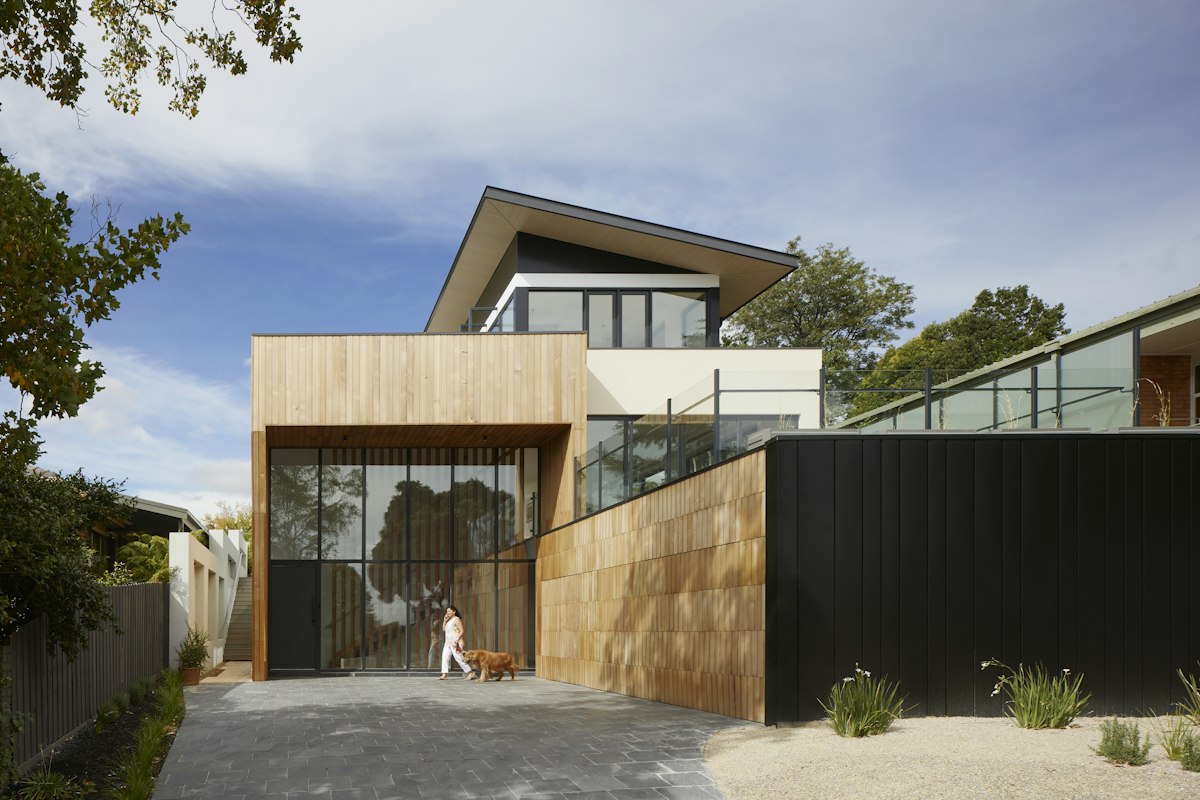
Key Considerations and UK Building Regulations
Before embarking on any rooflight or skylight installation, several crucial factors must be addressed, particularly concerning UK Building Regulations.
Thermal Performance (U-Value)
The U-value measures how effectively a building component (like a window or rooflight) prevents heat from escaping. A lower U-value indicates better insulation. Under UK Building Regulations Part L (Conservation of Fuel and Power) 2022 for England, specific U-value targets must be met:
- New Builds: Windows and doors (including rooflights/skylights) must achieve a U-value of 1.2 W/m²K or better.
- Replacement/Existing Buildings: Windows and doors (including rooflights/skylights) must achieve a U-value of 1.4 W/m²K or better.
Always check the product's U-value and ensure it complies with the relevant standard for your project. High-performance glazing, such as double or triple glazing with low-emissivity (low-e) coatings and argon gas infills, is essential to meet these requirements.
Structural Integrity
Cutting a hole in your roof requires careful consideration of the existing roof structure. A structural engineer or experienced builder should assess the roof to ensure it can safely support the new opening and the weight of the rooflight. Trimmers and additional support may be required around the opening to maintain structural integrity.
Weatherproofing and Installation
Correct installation is paramount to prevent leaks. This involves proper flashing kits, seals, and integration with the roofing material. Ensure your installer is experienced in rooflight installation and follows manufacturer guidelines rigorously. Poor installation can lead to costly water ingress and damage.
Fire Safety (Part B)
For loft conversions or extensions that create new habitable rooms, Building Regulations Part B (Fire Safety) may apply. This could include requirements for escape windows (if the rooflight is accessible and large enough) or fire-rated glazing in certain scenarios.
Ventilation (Part F)
If the rooflight is the primary source of ventilation for a room, it must meet minimum requirements under Part F (Ventilation). Opening rooflights/skylights are excellent for natural ventilation, but trickle vents or mechanical ventilation might also be necessary depending on the room's size and function.
Overheating (Part O)
The 2022 update to Part L introduced a new Part O (Overheating). Large areas of glazing, especially south or west-facing, can contribute to overheating. Designers must demonstrate that reasonable provisions have been made to limit unwanted solar gain. This might involve specifying solar control glazing, external shading (blinds), or ensuring adequate ventilation.
Always consult with your local Building Control body or a qualified architect/builder early in your project to confirm specific requirements and obtain any necessary approvals.
Installation and Maintenance Tips
A well-installed and maintained rooflight or skylight will provide years of trouble-free performance.
Professional Installation
While some DIY enthusiasts might consider installing a small rooflight, for most projects, especially those involving structural alterations or larger units, professional installation is highly recommended. An experienced installer will ensure:
- Correct structural support.
- Watertight sealing and flashing.
- Compliance with Building Regulations.
- Optimal thermal performance and longevity.
Glazing Options
Beyond standard double glazing, consider:
- Low-e coatings: Improve thermal efficiency by reflecting heat.
- Solar control glass: Reduces solar heat gain, preventing overheating in summer.
- Self-cleaning glass: Features a special coating that uses sunlight and rain to break down and wash away dirt.
- Laminated or toughened glass: Essential for safety, especially for overhead glazing. Laminated glass holds together when shattered, while toughened glass breaks into small, relatively harmless pieces.
Shading and Blinds
To manage light, glare, and heat, consider integrated or external blinds. Options include blackout, Venetian, pleated, or roller blinds, often available with remote control or smart home integration.
Maintenance
- Regular cleaning: Keep the glass clean to maximise light transmission. Use appropriate glass cleaner and a soft cloth.
- Check seals and flashings: Periodically inspect for any signs of wear, cracking, or deterioration that could lead to leaks.
- Clear debris: Remove leaves, moss, or other debris that can accumulate around the frame and hinder drainage.
- Lubricate moving parts: For opening skylights, lubricate hinges and mechanisms as per the manufacturer's instructions to ensure smooth operation.
Cost Considerations
The cost of a rooflight or skylight project can vary significantly based on several factors:
- Type and Size: Flat glass rooflights are generally more expensive than basic pitched roof windows. Larger or custom-sized units will cost more.
- Glazing Specification: Triple glazing, solar control, self-cleaning, or acoustic glass will increase the price.
- Opening Mechanism: Manual opening is cheapest, followed by electric, and then smart-home integrated options.
- Installation Complexity: A straightforward replacement will be cheaper than creating a new opening in a structurally complex roof. Access difficulties can also add to costs.
- Additional Works: Plastering, decorating, and any necessary structural alterations will add to the overall budget.
It's advisable to get at least three detailed quotes from reputable suppliers and installers, ensuring they specify the product, U-values, and all aspects of the installation.
Choosing the Right Rooflight or Skylight: A Comparison
Here's a quick comparison to help you weigh your options:
| Feature | Flat Glass Rooflight | Pitched Roof Window (Skylight) | Lantern Rooflight |
|---|---|---|---|
| Roof Type Suitability | Flat roofs (0-15° pitch) | Pitched roofs (15-90° pitch) | Flat roofs, low-pitch roofs |
| Aesthetic | Sleek, minimalist, flush | Integrated with roofline, more prominent | Architectural statement, raised profile |
| Light Influx | Excellent, diffused light | Excellent, can be direct or diffused | Exceptional, often creates a 'wow' factor |
| Ventilation Options | Fixed, manual, electric | Manual, electric (centre-pivot, top-hung) | Fixed, limited opening options |
| Cost Range | Mid to High | Low to Mid | High |
| Maintenance | Relatively low (especially self-cleaning) | Moderate (can be harder to reach) | Moderate (larger surface area) |
| Key Benefit | Seamless integration, modern look | Versatile, great for light & ventilation | Dramatic light, architectural impact |
Bringing natural light into your home through rooflights or skylights is an investment that pays dividends in comfort, aesthetics, and potentially energy savings. By understanding the different types, considering the crucial UK Building Regulations, and planning carefully, you can achieve a stunning and functional result that transforms your living space.
If you're considering enhancing your home with high-quality rooflights or skylights, Shard AG offers a comprehensive range of solutions designed to meet the stringent requirements of UK Building Regulations and exceed your expectations for style and performance. Our expert team can guide you through the selection process, ensuring you choose the perfect product for your project and provide professional installation services.
Explore Our Products
Discover how Shard Architectural Glazing can transform your home with our premium glazing solutions:
Ready to Transform Your Home?
Get in touch with our expert team for a free consultation and personalised quote. We'll help you choose the perfect glazing solution for your property.