

Rooflights & Skylights: Your UK Homeowner's Guide to Natural Light
Unlock the benefits of rooflights and skylights for your UK home. This guide covers types, regulations, installation, and energy efficiency for a brighter space.

Shard Architectural Glazing
7 February 2026
Unlock the benefits of rooflights and skylights for your UK home. This guide covers types, regulations, installation, and energy efficiency for a brighter space.
📋In This Article
Bringing natural light into your home can transform its ambience, making spaces feel larger, more inviting, and more vibrant. For many UK homeowners, traditional windows simply aren't enough, especially in deeper plan rooms, extensions, or loft conversions. This is where rooflights and skylights come into their own, offering a powerful way to harness daylight from above. But what exactly are they, what are the options, and what do you need to consider before investing?
What Are Rooflights and Skylights? Understanding the Terminology
While often used interchangeably, there's a subtle distinction between rooflights and skylights, particularly in a UK context. Understanding this can help you make informed decisions.
- Skylight: Traditionally, a skylight refers to a window installed within the pitch of a roof, designed primarily for light and ventilation. They are typically installed 'in-plane' with the roofline, meaning they sit flush with the surrounding roof tiles or slates. Many modern, off-the-shelf units are technically skylights. They often open for ventilation and egress.
- Rooflight: This term is broader and can encompass any glazed unit installed in a roof. It often refers to bespoke or larger, flat-roof installations, or those designed to sit proud of the roofline (e.g., lantern roofs, pyramid rooflights). Rooflights are increasingly popular for flat roof extensions, allowing maximum light penetration without compromising wall space.
For the purpose of this guide, we'll use 'rooflight' as the overarching term for any glazed unit bringing light through a roof, acknowledging that many products are marketed as both.
Types of Rooflights and Their Applications
The variety of rooflights available means there's almost certainly a solution for every architectural style and functional requirement.
1. Flat Rooflights
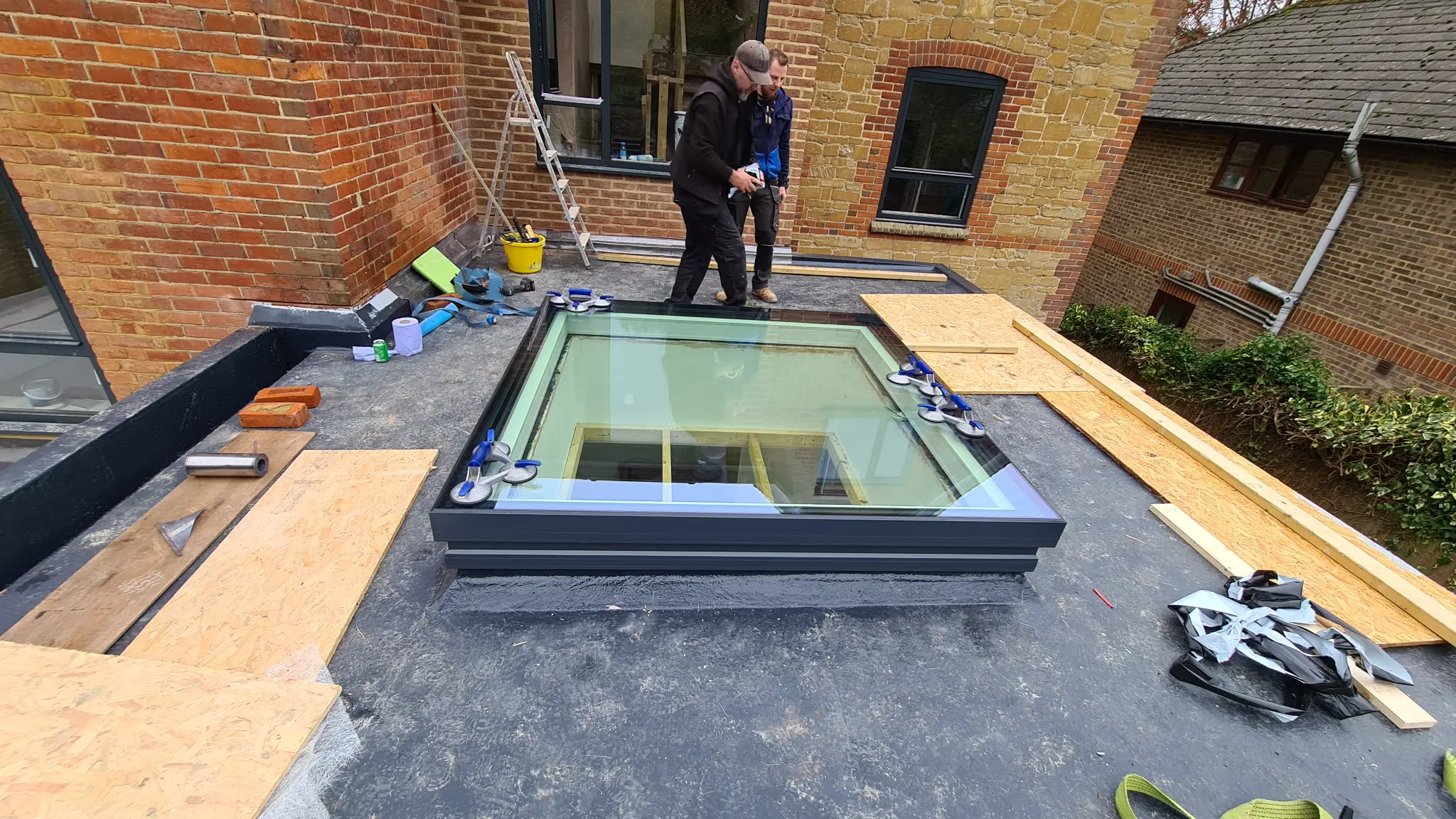
Ideal for modern extensions, kitchens, or living spaces with flat roofs, these offer a sleek, minimalist aesthetic. They can be fixed (non-opening) or opening (manual, electric, or even solar-powered) for ventilation. Options include:
- Fixed Flat Rooflights: Maximise light with a clean, unobtrusive look.
- Ventilated Flat Rooflights: Incorporate hinges or actuators for airflow, often with rain sensors.
- Walk-on Rooflights: Designed with reinforced glass to be load-bearing, perfect for terraces or basement lightwells.
2. Pitched Rooflights (Skylights)
These are the most common type for pitched roofs, often seen in loft conversions or upper-floor rooms. They integrate seamlessly with the roofline.
- Centre-Pivot Windows: Open from the middle, allowing the top half to swing outwards and the bottom half inwards. Easy to operate and clean.
- Top-Hung Windows: Open outwards from the top, offering an unobstructed view when open. Often preferred for escape routes.
- Conservation Rooflights: Designed to mimic traditional cast-iron skylights, often required in conservation areas or for period properties, usually with a central bar and flush fitting.
3. Lantern Rooflights and Pyramid Rooflights
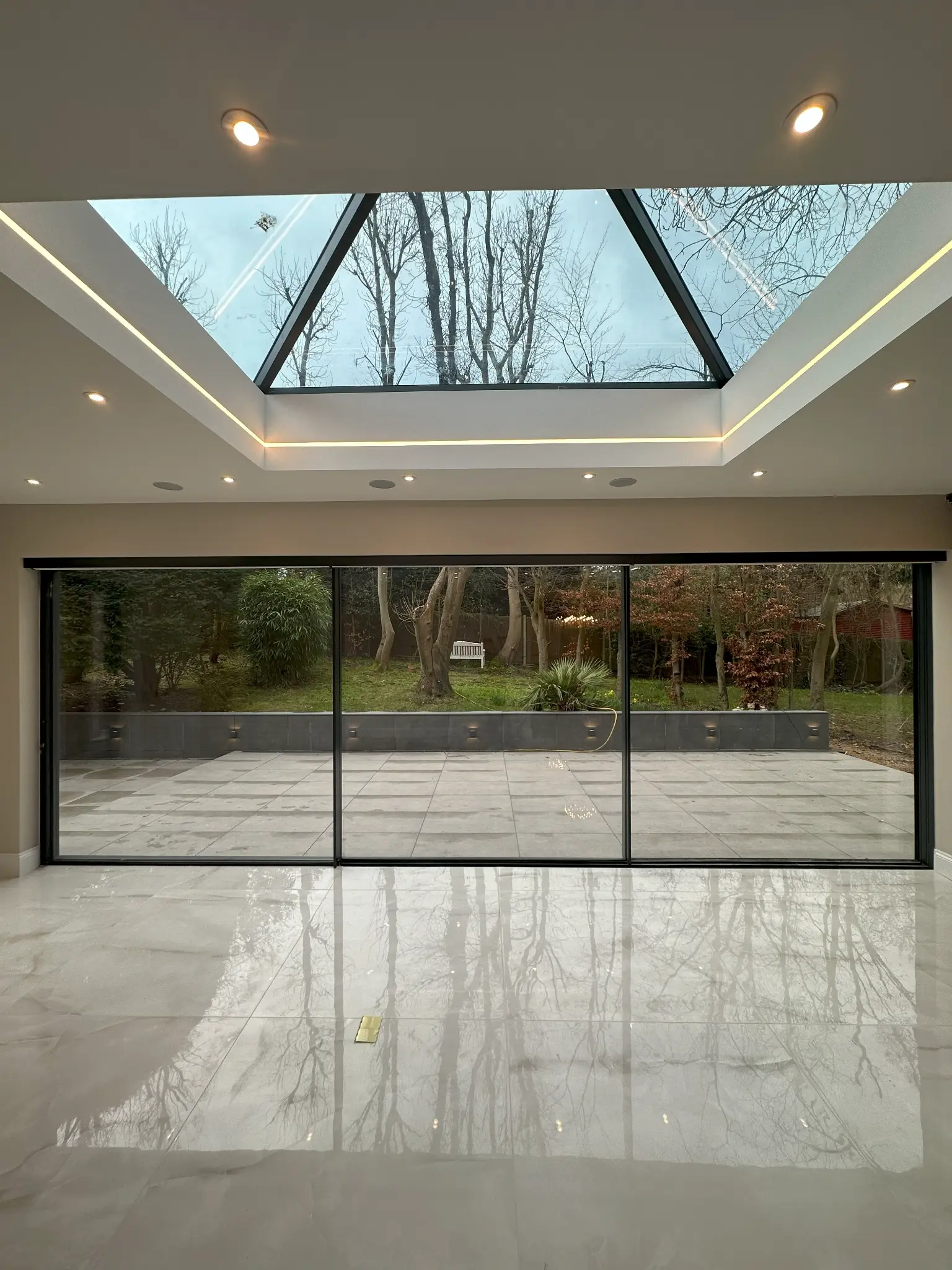
These architectural features sit proud of the roofline, creating a striking visual statement and drawing in light from multiple angles. They are perfect for larger spaces, providing a grand focal point and an abundance of natural light.
- Lantern Rooflights: Typically rectangular or square, with multiple panes of glass forming a raised structure.
- Pyramid Rooflights: Similar to lanterns but with a single, four-sided pyramid shape, often used for smaller, square openings.
4. Sun Tunnels (Light Tunnels)
For areas where a full rooflight isn't feasible due to structural limitations or obstructions, sun tunnels offer a clever solution. A reflective pipe channels natural light from a small dome on the roof down to a diffuser in the ceiling below, brightening hallways, bathrooms, or cupboards.
Enhanced Natural Light
Significantly increases daylight penetration, reducing reliance on artificial lighting and creating brighter, more inviting spaces.
Improved Ventilation
Opening rooflights provide excellent airflow, helping to regulate indoor temperatures and reduce condensation, particularly in kitchens and bathrooms.
Aesthetic Appeal
Adds architectural interest and a sense of spaciousness, enhancing the visual appeal and potentially the value of your property.
Energy Efficiency
Modern rooflights are highly insulated, contributing to better thermal performance and potentially lower heating bills, especially when combined with natural light gains.
Key Considerations for UK Homeowners
Before installing a rooflight, several factors need careful thought to ensure you choose the right product and comply with regulations.
1. Planning Permission and Building Regulations
This is crucial for any home improvement project in the UK.
- Planning Permission: In many cases, installing rooflights falls under 'Permitted Development' rights, meaning you won't need full planning permission, especially if they don't protrude more than 150mm from the roof plane and are not higher than the highest part of the roof. However, this varies for conservation areas, listed buildings, or if your property has specific planning conditions. Always check with your local planning authority.
- Building Regulations: All rooflight installations must comply with Building Regulations. Key areas include:
- Part L (Conservation of Fuel and Power): This is paramount. Rooflights must meet specific U-value requirements to ensure thermal efficiency. For new builds, extensions, or replacement rooflights, the maximum U-value is 1.2 W/m²K. For replacement rooflights in existing dwellings, it's 1.4 W/m²K. This typically means double or even triple glazing is required.
- Part B (Fire Safety): If a rooflight is intended as an escape window (e.g., in a loft conversion), it must meet minimum clear opening dimensions (e.g., 0.33m² with a minimum dimension of 450mm) and be easily operable.
- Part C (Site Preparation and Resistance to Contaminants and Moisture): Ensures proper weathering and prevention of water ingress.
- Part K (Protection from Falling, Collision and Impact): Especially relevant for walk-on rooflights or those in accessible areas, requiring safety glass.
Pro Tip
Always consult with your local Building Control body or an experienced architect/installer early in your project. They can provide definitive guidance on specific requirements for your property and ensure your installation is compliant.
2. Thermal Performance (U-values)
The U-value measures how well a building element prevents heat from escaping. A lower U-value indicates better insulation. As per UK Building Regulations Part L (2022), rooflights must meet stringent U-value targets. Look for products with low U-values, often achieved through:
- Double or Triple Glazing: Multiple panes of glass with inert gas (like argon) fills between them.
- Low-Emissivity (Low-E) Coatings: Microscopic metallic coatings on the glass surface reflect heat back into the room.
- Warm Edge Spacers: Non-metallic spacers between glass panes reduce thermal bridging.
- Insulated Frames: Frames made from materials like uPVC, timber, or thermally broken aluminium.
3. Glazing Options
Beyond thermal performance, consider other glazing properties:
- Self-Cleaning Glass: Features a special coating that uses sunlight and rain to break down and wash away dirt.
- Solar Control Glass: Reduces solar gain, preventing overheating in south-facing rooms, while still allowing light in.
- Acoustic Glass: Laminated glass designed to reduce external noise, ideal for urban areas or homes near busy roads.
- Obscure/Privacy Glass: For bathrooms or areas where privacy is needed.
4. Frame Materials
The frame material impacts aesthetics, durability, and thermal performance:
- Timber: Traditional, aesthetically pleasing, good insulator, but requires maintenance.
- uPVC: Low maintenance, good insulation, cost-effective.
- Aluminium: Strong, slim sightlines, durable, often thermally broken for efficiency, popular for modern designs.
- Composite: Combines materials (e.g., timber internally, aluminium externally) for the best of both worlds.
5. Location and Orientation
Consider the sun's path throughout the day and year. North-facing rooflights provide consistent, diffused light, while south-facing ones offer intense light but can lead to overheating if not specified with solar control glass or shading.
6. Installation and Weatherproofing
Proper installation is critical to prevent leaks and ensure longevity. This is not a DIY job for most homeowners. Always use experienced, certified installers who understand UK roofing practices and Building Regulations.
Rooflight Specification Comparison
Here's a simplified comparison of common rooflight types based on typical characteristics:
| Feature | Pitched Rooflight (Skylight) | Flat Rooflight | Lantern Rooflight | Sun Tunnel |
|---|---|---|---|---|
| Roof Type Suited For | Pitched roofs (15-90 degrees) | Flat roofs (0-15 degrees) | Flat roofs | Pitched or flat roofs |
| Aesthetic Impact | Integrated, subtle | Sleek, minimalist | Architectural feature, grand | Invisible from inside (diffuser only) |
| Light Quality | Direct, can be intense | Even, widespread | Abundant, multi-directional | Diffused, consistent |
| Ventilation Options | Manual, electric, solar | Fixed, manual, electric, solar | Fixed, some opening vents | None (light only) |
| Typical U-value (W/m²K) | 1.2 - 1.4 (double glazed) | 1.2 - 1.4 (double glazed) | 1.2 - 1.4 (double glazed) | N/A (diffuser only) |
| Cost (Relative) | ££ | ££ - £££ | £££ - ££££ | £ |
Maintenance and Longevity
Modern rooflights are designed for minimal maintenance. However, periodic checks are advisable:
- Cleaning: Regular cleaning of the glass (especially if not self-cleaning) will maximise light transmission. Use appropriate cleaning solutions and equipment.
- Seals and Flashings: Periodically inspect rubber seals and external flashings for signs of wear, cracking, or damage. Early detection can prevent leaks.
- Operating Mechanisms: For opening rooflights, check hinges, motors, and sensors to ensure smooth operation. Lubricate moving parts if necessary.
- Drainage: Ensure drainage channels around the rooflight are clear of debris (leaves, moss) to prevent water build-up.
With proper installation and care, a quality rooflight can last for decades, providing continuous natural light and comfort.
Conclusion and Expert Advice
Rooflights and skylights offer a fantastic opportunity to enhance the living environment of your UK home. By understanding the different types, considering the crucial aspects of Building Regulations, thermal performance, and installation, you can make an informed decision that will bring lasting benefits.
For bespoke architectural glazing solutions, including high-performance rooflights, flat rooflights, and lantern roofs, Shard AG works with homeowners across the UK. Our expertise ensures that your project not only meets but often exceeds current Building Regulations, providing exceptional thermal efficiency, durability, and stunning aesthetics. We offer a comprehensive service from design consultation to professional installation, helping you navigate the complexities of product selection and compliance to achieve your vision for a brighter, more beautiful home.
Explore Our Products
Discover how Shard Architectural Glazing can transform your home with our premium glazing solutions:
Ready to Transform Your Home?
Get in touch with our expert team for a free consultation and personalised quote. We'll help you choose the perfect glazing solution for your property.
.jpg)