

Slim Profile Door Frames: Maximising Light & Views in UK Homes
Discover the benefits of slim profile door frames for your UK home. Learn about materials, U-values, Building Regulations, and installation considerations.

Shard Architectural Glazing
5 March 2026
Discover the benefits of slim profile door frames for your UK home. Learn about materials, U-values, Building Regulations, and installation considerations.
📋In This Article
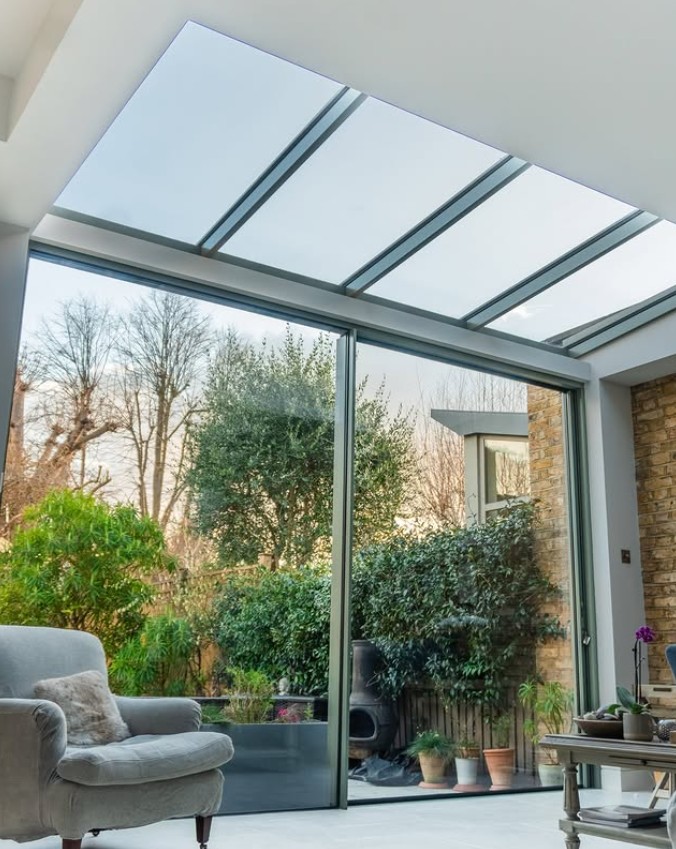
In contemporary home design, the pursuit of natural light and expansive views is paramount. Homeowners are increasingly seeking ways to blur the lines between indoor and outdoor spaces, creating bright, airy interiors that feel connected to their surroundings. One of the most effective ways to achieve this aesthetic is through the strategic use of glazing, and specifically, with slim profile door frames.
These innovative door systems offer significantly reduced frame sightlines compared to traditional alternatives, allowing for larger expanses of glass. This article will delve into the world of slim profile door frames, exploring their benefits, the various materials available, critical technical considerations, and how they integrate with UK Building Regulations.
What Are Slim Profile Door Frames?
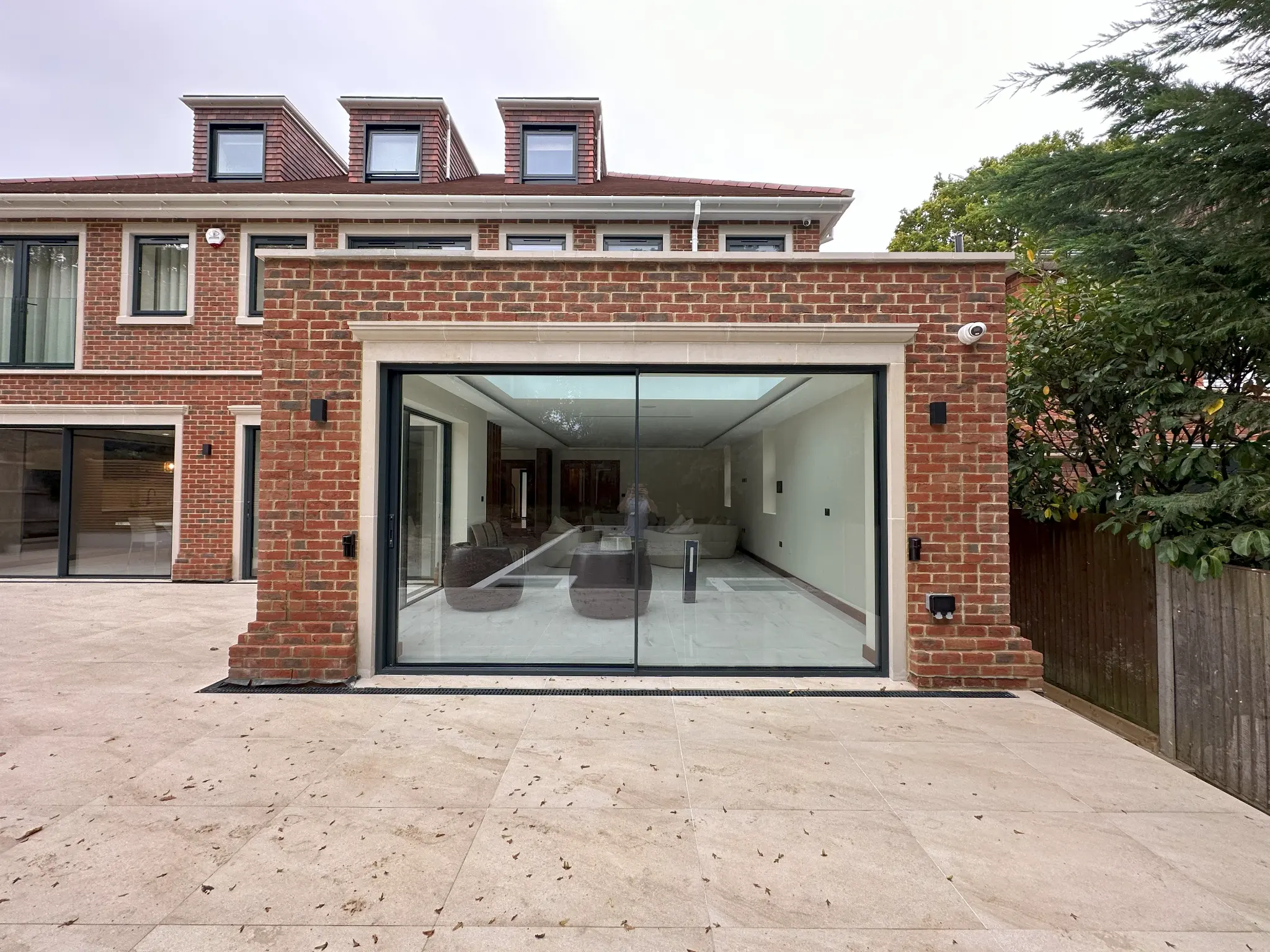
At their core, slim profile door frames are glazing systems designed with minimal visible framing. While conventional door frames, particularly those made from uPVC or standard aluminium, can have frame profiles measuring 80mm to 120mm or more, slim profiles typically reduce this to as little as 20mm to 50mm, sometimes even less for specific systems like frameless glass doors.
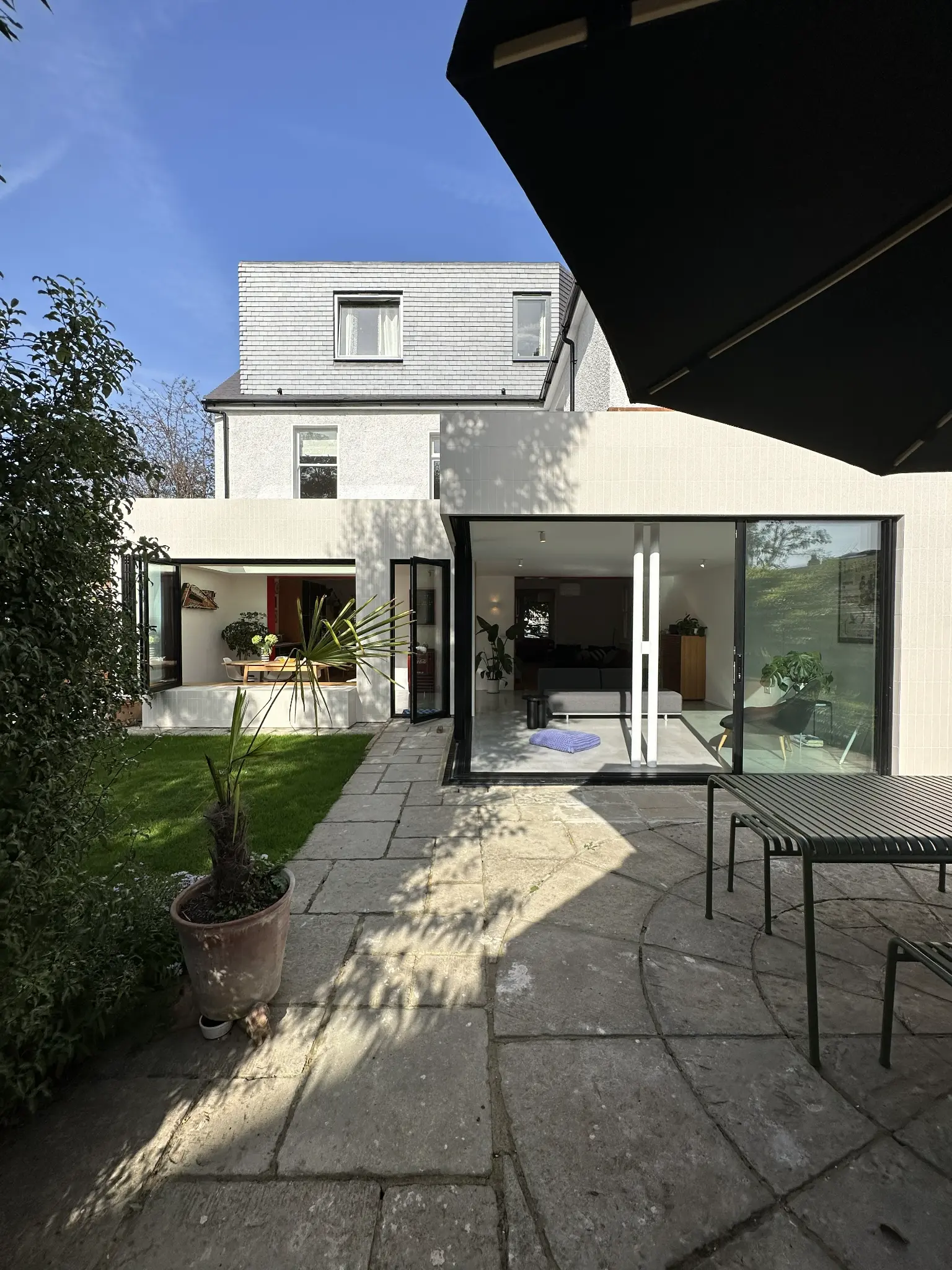
This reduction in frame width dramatically increases the glass-to-frame ratio, meaning more natural light can penetrate your home and your views are less obstructed. They are commonly used for bifold doors, sliding patio doors, French doors, and even entrance doors, transforming how spaces connect and feel.
Benefits of Choosing Slim Profiles for Your Home
The appeal of slim profile door frames extends beyond mere aesthetics, offering a range of practical advantages for UK homeowners.
Enhanced Natural Light
The most immediate and noticeable benefit is the significant increase in natural light. Larger glass panels mean brighter interiors, reducing the reliance on artificial lighting and creating a more uplifting atmosphere. This can be particularly beneficial for north-facing rooms or properties with limited natural light.
Uninterrupted Views
By minimising the frame, slim profiles offer expansive, panoramic views of your garden or surroundings. This creates a seamless transition between your indoor and outdoor living spaces, making your home feel larger and more connected to nature.
Modern Aesthetic Appeal
Slim frames provide a sleek, contemporary look that complements modern architectural styles. Their minimalist design integrates effortlessly into sophisticated interiors, enhancing the overall aesthetic value and potentially increasing property appeal.
Improved Energy Efficiency (with the right glazing)
While more glass might seem counter-intuitive for thermal performance, modern slim profile systems are engineered to accommodate high-performance glazing. When combined with double or triple glazing, they can achieve excellent U-values, contributing to a thermally efficient home.
Materials and Technical Considerations
The choice of material for your slim profile door frames is crucial, impacting performance, aesthetics, and cost. Each material has its unique properties that make it suitable for different applications.
Aluminium
- Pros: Aluminium is the most popular choice for slim profiles due to its inherent strength, allowing for very thin frames without compromising structural integrity. It's lightweight, durable, corrosion-resistant, and requires minimal maintenance. It can be powder-coated in a vast array of RAL colours.
- Cons: Aluminium is a good conductor of heat, so high-quality systems must incorporate a thermal break to prevent heat transfer and achieve good U-values. Without a proper thermal break, condensation can be an issue.
Steel
- Pros: Steel offers exceptional strength, enabling even thinner sightlines than aluminium, often down to 20mm or less. It provides a distinctive, industrial aesthetic often associated with heritage or Crittall-style glazing. It's incredibly durable and long-lasting.
- Cons: Steel is heavier and typically more expensive than aluminium. It also requires excellent thermal breaking to meet modern energy efficiency standards, and can be prone to rust if not properly treated and maintained (e.g., galvanised and powder-coated).
Composite (e.g., Aluminium-Timber)
- Pros: These systems combine the strength and low maintenance of external aluminium with the natural warmth and aesthetic appeal of internal timber. They offer excellent thermal performance due to the inherent insulating properties of timber and the thermal break provided by the composite structure.
- Cons: Generally more expensive than pure aluminium or uPVC. The timber component requires more maintenance than aluminium, though it's on the interior.
Glazing Specifications
Regardless of the frame material, the glazing itself is paramount for performance. For slim profile doors in the UK, double glazing is the minimum standard, often featuring a low-emissivity (low-E) coating, argon gas filling, and a warm edge spacer bar. For enhanced thermal and acoustic performance, triple glazing can be specified, though this will increase the weight and potentially the frame depth slightly.
The overall thermal performance of a window or door is measured by its U-value (W/m²K), which indicates how well it insulates. A lower U-value means better insulation.
Pro Tip
When comparing different slim profile systems, always ask for the 'overall system U-value' (Uw for windows, Ud for doors), not just the glass U-value (Ug). The overall U-value accounts for the thermal performance of the frame, glass, and spacer bar, giving you a true picture of energy efficiency.
Security
Despite their slender appearance, modern slim profile door frames are designed with robust security features. Look for systems that comply with PAS 24:2016 (Enhanced Security Performance Requirements for Doorsets and Windows in the UK) and are certified by schemes like 'Secured by Design'. Key features include multi-point locking mechanisms, anti-lift devices for sliding doors, and toughened or laminated safety glass.
UK Building Regulations and Compliance
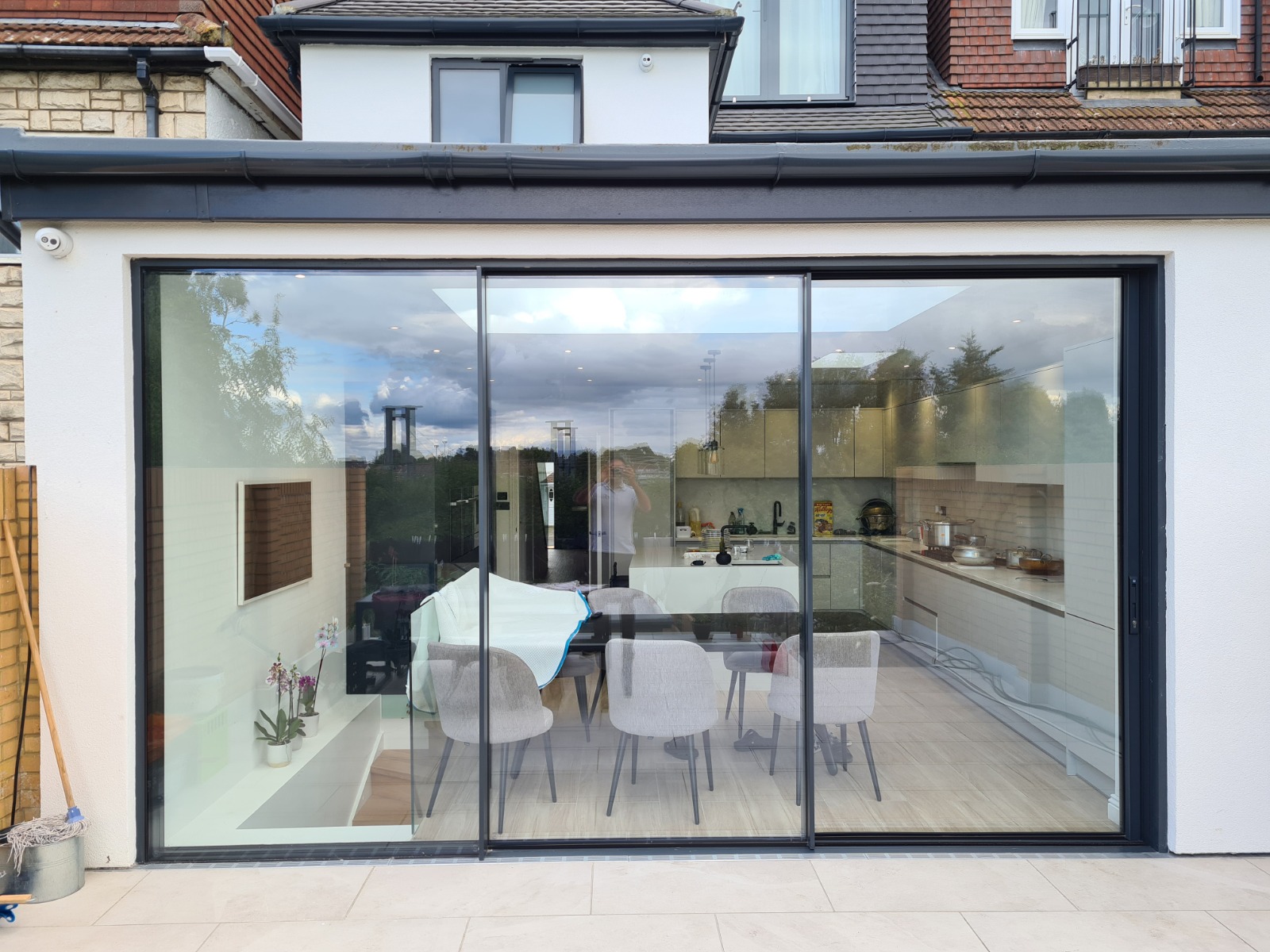
Any installation of new or replacement doors and windows in a UK home must comply with relevant Building Regulations. For slim profile door frames, the primary concern is Part L (Conservation of Fuel and Power) and Part F (Ventilation).
Part L (Thermal Performance)
The current Building Regulations Part L (2022 England) set specific U-value requirements for new and replacement doors and windows:
- New Build Homes: Windows and doors must achieve a U-value of 1.2 W/m²K or better.
- Replacement Doors/Windows: These must achieve a U-value of 1.4 W/m²K or better.
It is crucial to ensure that your chosen slim profile door system meets or exceeds these values. High-quality aluminium and steel systems with effective thermal breaks and appropriate glazing can comfortably achieve these standards.
Part F (Ventilation)
Part F requires adequate ventilation. For replacement windows and doors, this often means ensuring that the new installation provides at least the same level of ventilation as the old, or incorporates trickle vents if the existing windows had them, or if there's a need to improve ventilation. Trickle vents can sometimes affect the 'slimness' of the frame, so discuss this with your supplier.
Other Considerations
- Structural Opening: Slim profile doors, particularly large sliding or bifold systems, can be heavy. Ensure your property's structural opening can support the weight. A structural engineer's assessment may be advisable for very large spans.
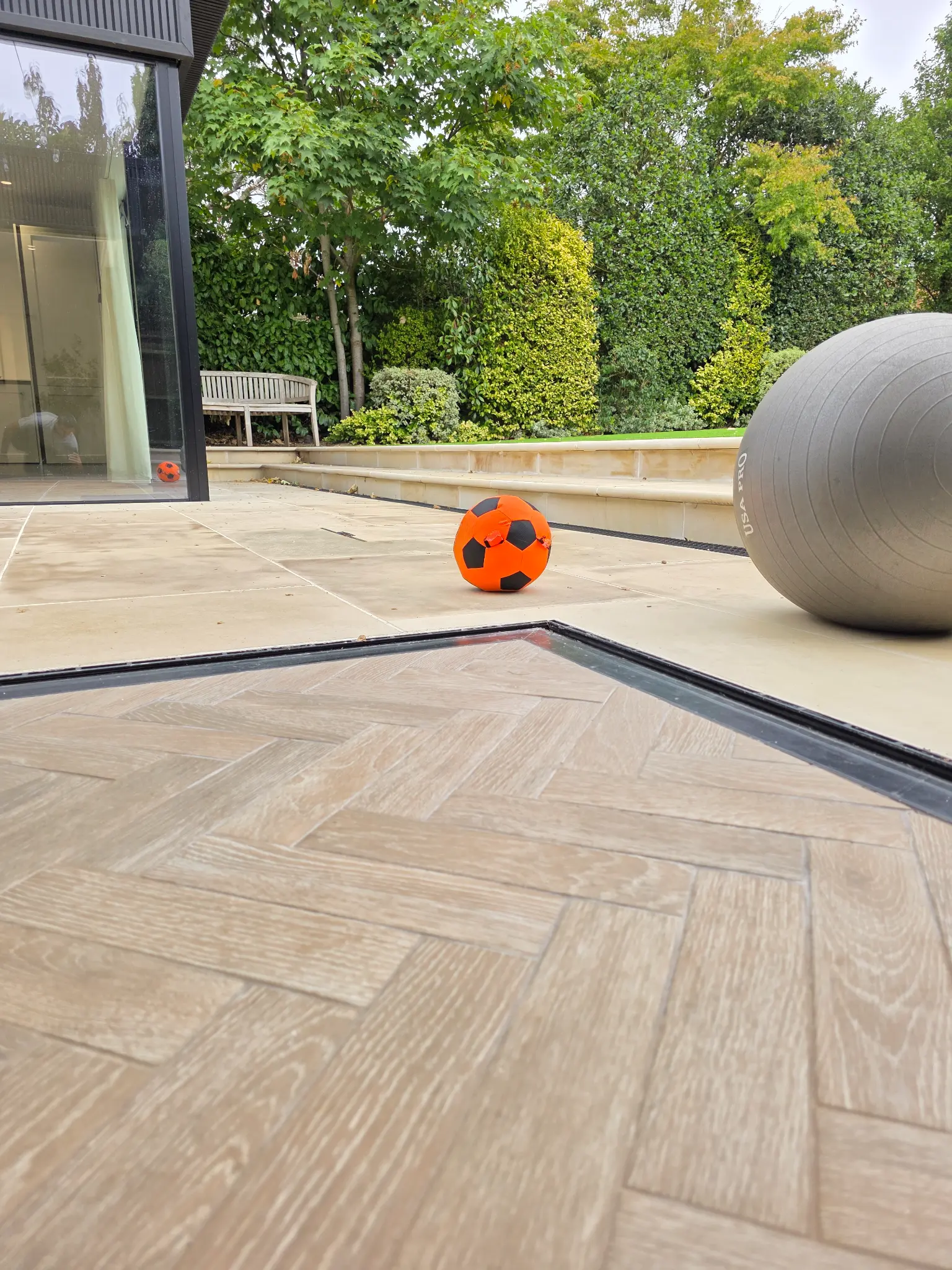
- Drainage: Low thresholds, popular with slim profiles for seamless indoor-outdoor transitions, require careful consideration of drainage to prevent water ingress. Effective external drainage solutions are essential.
- Planning Permission: While replacement doors generally don't require planning permission, if you are altering the size or position of an opening, or if your property is listed or in a conservation area, you will likely need to consult your local planning authority.
Installation and Maintenance
The performance and longevity of slim profile door frames are highly dependent on professional installation. Due to their precision engineering and often larger sizes, these systems require specialist knowledge and experience.
Installation Best Practices
- Experienced Installers: Always choose an installer with a proven track record in fitting slim profile and large-format glazing. Look for FENSA or CERTASS accreditation, which signifies compliance with Building Regulations.
- Accurate Measurements: Precision is key. Any inaccuracies in measuring the structural opening can lead to fitting issues and compromise performance.
- Level and Plumb: Frames must be installed perfectly level and plumb to ensure smooth operation of sliding or bifold mechanisms and to prevent undue stress on the glass.
- Weatherproofing: Correct sealing and flashing around the frame are vital to prevent water and air ingress.
Maintenance
Generally, slim profile door frames are designed for low maintenance:
- Cleaning: Regular cleaning of glass with a mild detergent and soft cloth. Frames can be wiped down with soapy water.
- Moving Parts: For sliding and bifold doors, keep tracks clear of debris. Lubricate moving parts (hinges, rollers) annually with a silicone-based spray, as recommended by the manufacturer.
- Seals: Inspect seals periodically for signs of wear or damage and replace if necessary to maintain thermal performance and weatherproofing.
Slim Profile Door Frame Material Comparison
To help you decide, here's a quick comparison of the most common materials for slim profile door frames:
| Feature | Aluminium | Steel | Composite (Alu-Timber) |
|---|---|---|---|
| Frame Sightlines | Very slim (25-50mm typical) | Extremely slim (20-40mm typical) | Slim (40-60mm typical) |
| Strength | High | Excellent | High |
| Thermal Performance (U-value) | Good to Excellent (with thermal break) | Good to Excellent (with thermal break) | Excellent |
| Maintenance | Very Low | Low (if galvanised/powder-coated) | Low (external), Moderate (internal timber) |
| Cost | Mid-range to High | High to Very High | High |
| Aesthetic | Modern, sleek, minimalist | Industrial, heritage, minimalist | Warm, natural interior with modern exterior |
Conclusion
Slim profile door frames offer a compelling solution for UK homeowners looking to maximise natural light, enhance views, and achieve a contemporary aesthetic. By understanding the different material options, their technical specifications, and ensuring compliance with UK Building Regulations, you can make an informed decision that will transform your living spaces.
Always prioritise quality products and professional installation to ensure long-term performance, security, and energy efficiency. Consulting with a reputable architectural glazing specialist can provide tailored advice for your specific project, helping you navigate the options and achieve the best possible outcome for your home.
If you're considering slim profile door frames for your property, Shard AG specialises in high-performance architectural glazing solutions. Our expert team can guide you through the selection process, ensuring your chosen system meets both your aesthetic aspirations and the stringent requirements of UK Building Regulations.
Explore Our Products
Discover how Shard Architectural Glazing can transform your home with our premium glazing solutions:
Ready to Transform Your Home?
Get in touch with our expert team for a free consultation and personalised quote. We'll help you choose the perfect glazing solution for your property.