

Slim Profile Door Frames: Maximising Light & Views in UK Homes
Explore the benefits, technical details, and considerations for slim profile door frames in UK homes. Learn about Building Regulations, materials, and installation.

Shard Architectural Glazing
11 March 2026
Explore the benefits, technical details, and considerations for slim profile door frames in UK homes. Learn about Building Regulations, materials, and installation.
📋In This Article
In contemporary architectural design, the pursuit of maximising natural light and creating seamless transitions between indoor and outdoor spaces is paramount. Slim profile door frames have emerged as a leading solution, offering homeowners and designers the ability to achieve expansive glass areas with minimal visual obstruction. This guide delves into the world of slim profile door frames, exploring their advantages, technical specifications, material options, and crucial considerations for their integration into UK properties.
What Are Slim Profile Door Frames?
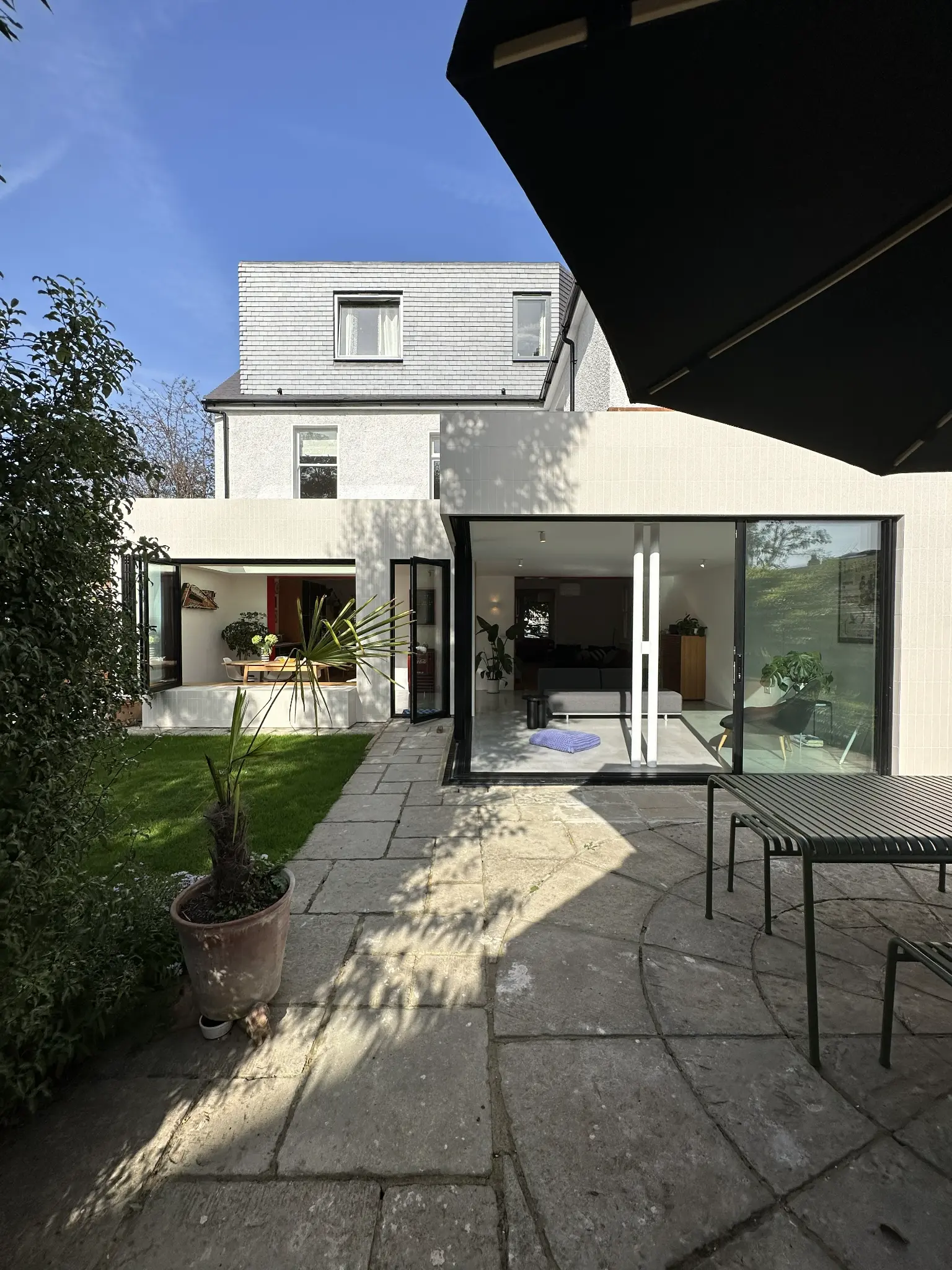
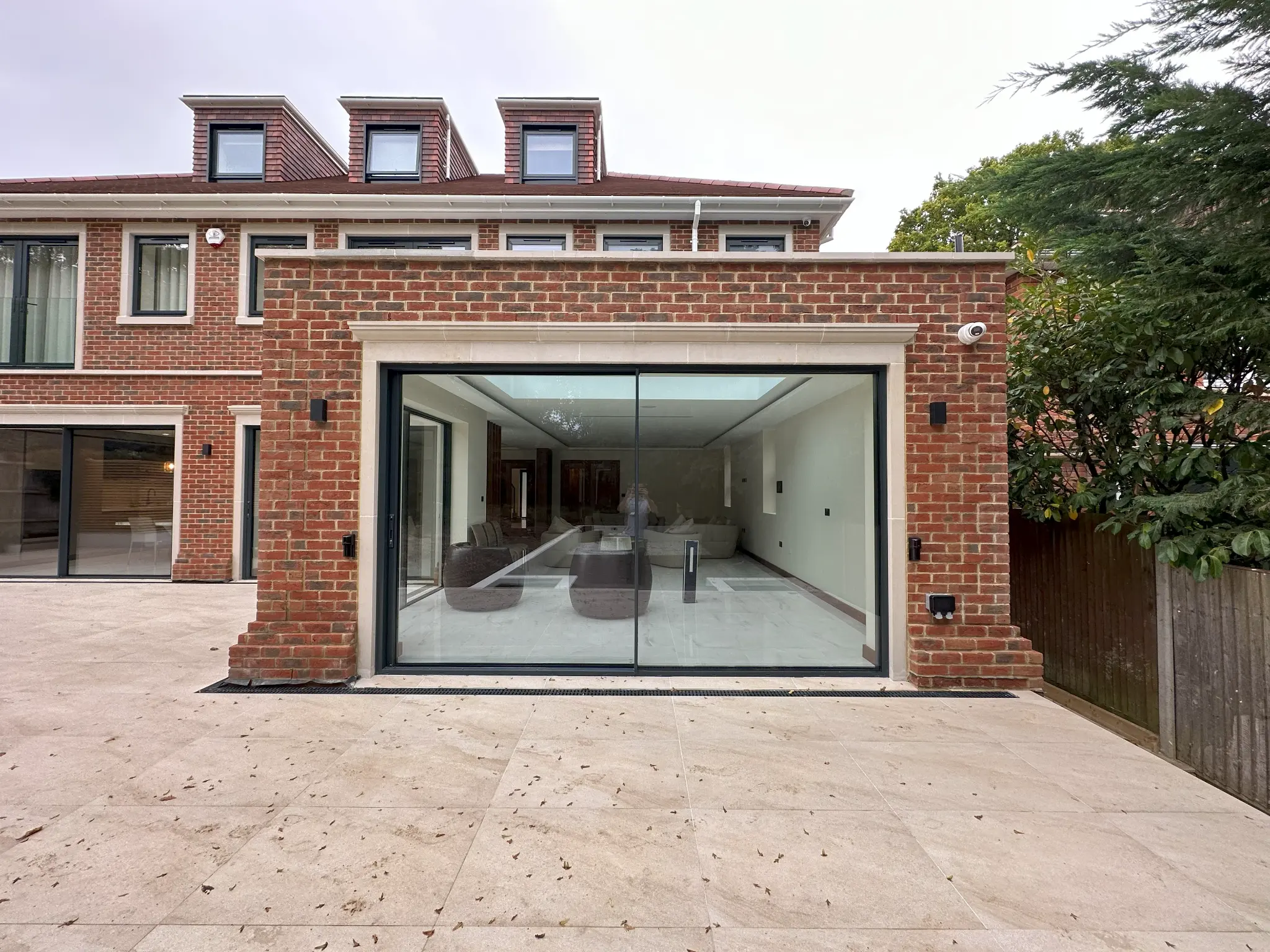
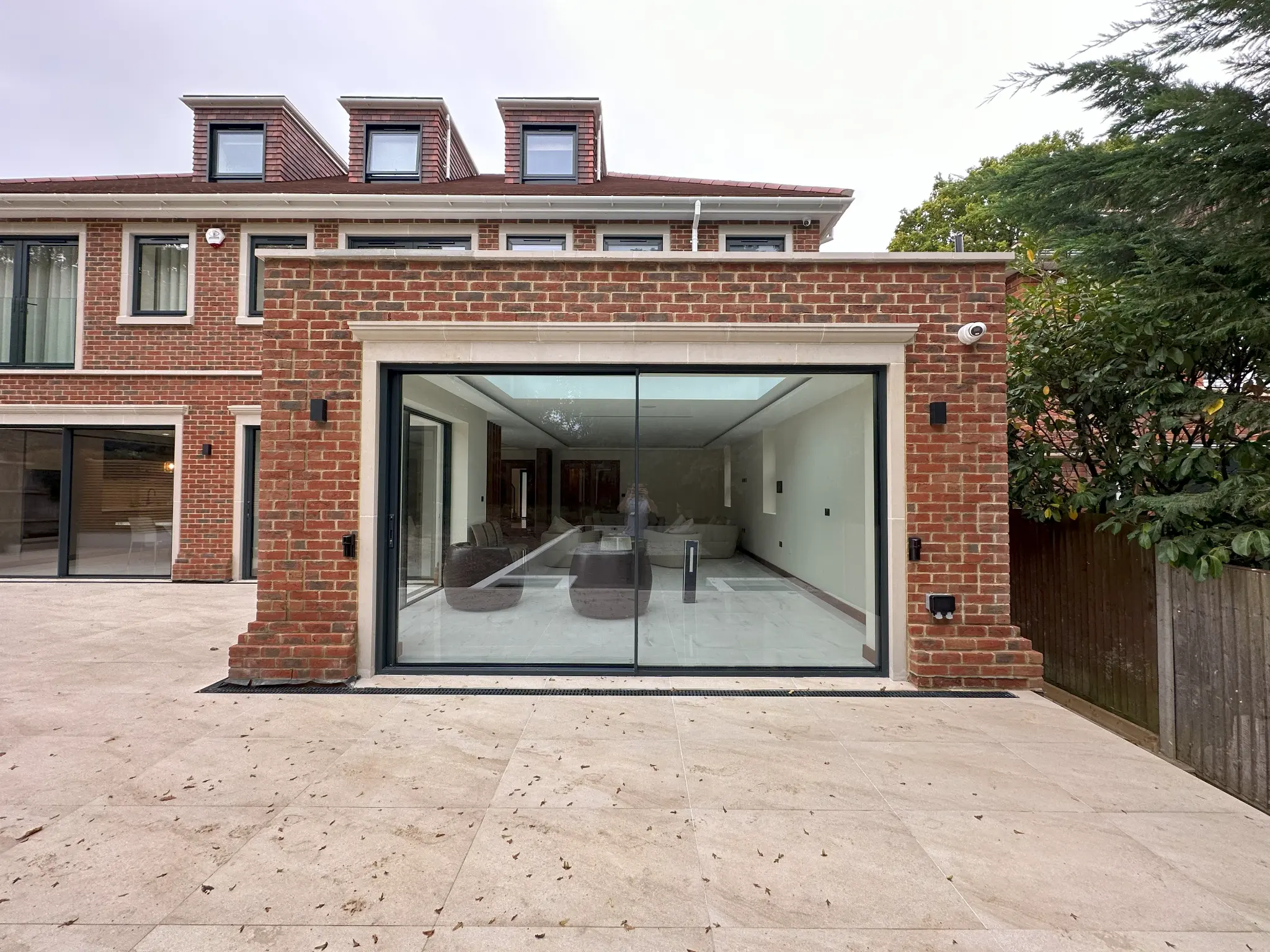
Slim profile door frames, often referred to as 'minimalist' or 'ultra-slim' frames, are characterised by their significantly reduced frame thickness compared to traditional door systems. The primary objective of this design is to minimise the visible frame material, thereby maximising the glass area. This allows for greater light ingress, enhanced views, and a more contemporary aesthetic.
While traditional UPVC or standard aluminium frames might have visible sightlines of 80-120mm or more, slim profile systems can achieve sightlines as narrow as 20-30mm, and in some advanced sliding systems, even less with interlockers that recess into the floor or wall. This reduction in frame material creates a sleek, unobtrusive appearance that blurs the lines between interior and exterior.
Enhanced Natural Light
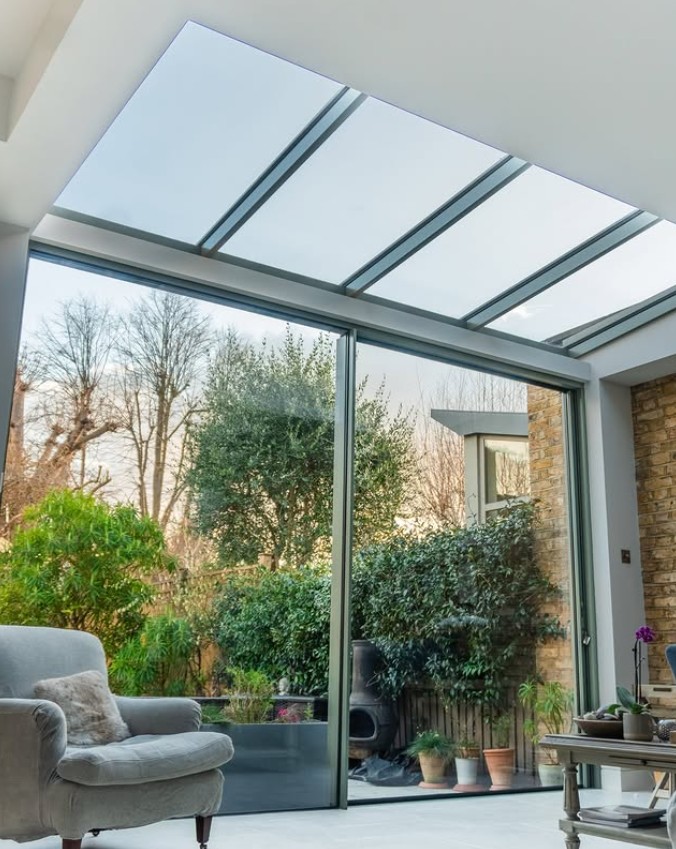
By reducing the visible frame, slim profile doors allow more daylight to penetrate your home, creating brighter, more inviting living spaces and potentially reducing reliance on artificial lighting.
Uninterrupted Views
The minimal sightlines offer expansive, panoramic views of your garden or surroundings, seamlessly connecting your indoor environment with the outdoors.
Modern Aesthetic
Their sleek, contemporary design complements modern architectural styles, adding a touch of sophistication and elegance to any property.
Increased Property Value
High-quality, aesthetically pleasing glazing solutions like slim profile doors can significantly enhance a property's appeal and market value.
Material Options and Their Properties
The choice of material is crucial for slim profile door frames, as it dictates both the aesthetic and the structural integrity required to support large expanses of glass with minimal framing. The most common materials used are:
Aluminium
- Strength-to-Weight Ratio: Aluminium is inherently strong yet lightweight, making it ideal for supporting large glass panels with slender frames.
- Durability: Highly resistant to corrosion, rust, and warping, aluminium frames offer excellent longevity with minimal maintenance.
- Thermal Performance: Modern aluminium frames incorporate advanced thermal breaks (polyamide strips) to prevent heat transfer, ensuring good thermal efficiency.
- Design Flexibility: Can be powder-coated in virtually any RAL colour, offering extensive customisation options.
- Recyclability: Aluminium is a highly recyclable material, making it an environmentally conscious choice.
Steel
- Exceptional Strength: Steel offers unparalleled strength, allowing for the slimmest possible sightlines, often seen in heritage or industrial-style glazing.
- Durability: Extremely robust and long-lasting.
- Aesthetics: Provides a distinct, often industrial or art-deco aesthetic, popular in conservation areas or for specific architectural styles.
- Thermal Performance: Historically, steel frames had poor thermal performance, but modern systems now incorporate thermal breaks to improve U-values, though they may still lag behind high-performance aluminium or timber.
- Cost: Generally the most expensive option due to manufacturing complexity and material cost.
Timber (Engineered)
- Natural Aesthetics: Offers a warm, traditional look that can be stained or painted.
- Thermal Performance: Timber is a natural insulator, providing excellent thermal efficiency. Engineered timber (laminated sections) offers stability and prevents warping.
- Sustainability: If sourced from sustainably managed forests, timber is a renewable resource.
- Maintenance: Requires more regular maintenance (e.g., repainting or re-staining) compared to aluminium or steel.
- Profile Limitations: Achieving truly 'slim' profiles with timber can be challenging due to its inherent structural properties, making it less common for ultra-minimalist designs.
Types of Slim Profile Doors
Slim profiles can be incorporated into various door types:
- Sliding Doors (Patio Doors): Often feature the slimmest interlockers, creating vast expanses of glass. Options include lift-and-slide or inline sliding systems.
- Bifold Doors: While typically having slightly wider profiles than sliding doors due to the folding mechanism, modern bifold systems offer significantly slimmer sightlines than older models.
- French Doors: Can be designed with slim frames for a classic look with enhanced light.
- Single Entrance Doors: A slim frame can be used around a large glass panel for a contemporary front door.
Technical Considerations and Building Regulations
Integrating slim profile door frames into a UK property requires careful consideration of several technical aspects and adherence to Building Regulations.
Thermal Performance (U-values)
One of the most critical aspects is thermal performance, measured by the U-value (W/m²K). A lower U-value indicates better insulation and less heat loss. While slim frames inherently have less insulating material (frame) and more conductive material (glass), modern designs compensate with advanced glazing and thermal breaks.
- Glazing: Double glazing is standard, but triple glazing is often recommended or required for slim profile systems to achieve optimal U-values, especially in larger panels. Argon or krypton gas fills between panes, and low-emissivity (low-e) coatings are also essential.
- Thermal Breaks: High-performance thermal breaks within the frame material (especially aluminium and steel) are vital to prevent cold bridging and maintain thermal efficiency.
Pro Tip
Always request the specific U-value for the entire door system (frame and glass combined) from your supplier, not just the glass U-value. This is the figure required for Building Regulations compliance.
UK Building Regulations Part L (Conservation of Fuel and Power - England 2022)
For new builds, extensions, and replacement glazing, specific U-value targets must be met:
- New Build Dwellings: Windows and doors must achieve a U-value of 1.2 W/m²K or better.
- Replacement Windows and Doors: Must achieve a U-value of 1.4 W/m²K or better.
It is crucial to ensure that your chosen slim profile system, including its glazing, meets these stringent requirements. Failure to comply could affect the property's energy performance certificate (EPC) and may not comply with local Building Control approval.
Structural Integrity and Wind Loading
Large glass panels, especially in exposed locations, must withstand significant wind loads. The slim frames must be engineered to provide adequate structural support. This often involves:
- High-Strength Materials: As discussed, aluminium and steel are preferred for their strength.
- Reinforcement: Internal reinforcement may be incorporated within the frame profiles.
- Glass Specification: Toughened or laminated safety glass is standard, and the thickness will be specified based on panel size, exposure, and wind load calculations.
Security
All external doors must meet certain security standards. In the UK, this typically means compliance with PAS 24:2016 Enhanced Security Performance Requirements for Doorsets and Windows. Look for systems that are independently tested and certified to PAS 24, incorporating multi-point locking mechanisms, robust hinges, and anti-jemmy features.
Weather Performance
Doors must protect against wind, rain, and air leakage. Look for systems that have been tested to relevant British Standards (e.g., BS 6375-1: Performance of windows and doors - Classification for weathertightness and strength characteristics). Key features include:
- Effective Seals: High-quality EPDM gaskets and brush seals.
- Drainage Systems: Integrated drainage to prevent water ingress.
- Thresholds: Low-profile or flush thresholds are popular for accessibility but must still offer excellent weather sealing.
Acoustic Performance
For properties in noisy areas, acoustic performance is important. Thicker glass, laminated glass, and wider air gaps in double or triple glazing can significantly improve sound insulation. Your supplier should be able to provide acoustic ratings (Rw or dB values).
Installation and Maintenance
Due to the precision engineering and often large, heavy glass panels involved, professional installation is paramount. A skilled installer will ensure:
- Accurate Measurements: Critical for a perfect fit and smooth operation.
- Correct Levelling and Plumbing: Essential for door function and weather sealing.
- Proper Sealing: Ensuring all joints and interfaces with the building structure are fully sealed to prevent air and water ingress.
- Safe Handling: Large glass units require specialist equipment and expertise to avoid damage or injury.
Maintenance for slim profile doors is generally straightforward:
- Cleaning: Regular cleaning of glass with a mild detergent and soft cloth. Frames typically require only wiping down.
- Lubrication: Moving parts (hinges, rollers, locking mechanisms) should be lubricated periodically as per manufacturer guidelines to ensure smooth operation.
- Inspections: Periodically check seals and gaskets for wear or damage and ensure drainage channels are clear.
Cost Implications
Slim profile door frames generally represent a premium investment compared to standard UPVC or even traditional aluminium systems. The higher cost is attributed to:
- Advanced Engineering: The design and manufacturing precision required to achieve minimal sightlines while maintaining structural integrity and thermal performance.
- High-Quality Materials: Often using stronger, more durable, and thermally efficient aluminium or steel alloys.
- Specialist Glazing: Larger, often triple-glazed, high-performance glass units.
- Complex Installation: Requires specialist skills and equipment.
While the initial outlay is higher, the long-term benefits in terms of aesthetics, energy efficiency, property value, and durability often justify the investment.
Comparing Slim Profile Options
Here's a simplified comparison of key aspects for different slim profile materials:
| Feature | Aluminium (Slim Profile) | Steel (Slim Profile) | Engineered Timber (Slim Profile) |
|---|---|---|---|
| Typical Sightline (Interlocker) | 20mm - 50mm | 15mm - 30mm | 50mm - 80mm |
| Strength | Excellent | Superior | Good |
| Thermal Performance (U-value) | Excellent (with thermal breaks) | Good (with thermal breaks) | Excellent (natural insulator) |
| Durability | Very High | Extremely High | High (with proper maintenance) |
| Maintenance | Low | Moderate (rust prevention for some types) | Moderate to High (re-finishing) |
| Aesthetic | Modern, Sleek | Industrial, Heritage | Natural, Warm |
| Cost | High | Very High | High |
| Recyclability | Highly Recyclable | Recyclable | Sustainable (if from certified sources) |
Slim profile door frames offer a sophisticated and high-performance glazing solution for UK homeowners looking to enhance natural light, improve views, and add a contemporary edge to their properties. By understanding the material options, technical specifications, and Building Regulations requirements, you can make an informed decision that perfectly balances aesthetics, performance, and budget.
When considering slim profile door frames for your home, it's essential to partner with a reputable supplier and installer. Shard AG offers a comprehensive range of high-performance slim profile aluminium and steel door systems, designed to meet the rigorous demands of modern UK architecture and Building Regulations. Our experts can guide you through the selection process, ensuring your chosen system delivers optimal thermal efficiency, security, and stunning aesthetics for your project.
Explore Our Products
Discover how Shard Architectural Glazing can transform your home with our premium glazing solutions:
Ready to Transform Your Home?
Get in touch with our expert team for a free consultation and personalised quote. We'll help you choose the perfect glazing solution for your property.