

Structural Glass Walls: A UK Homeowner's Comprehensive Guide
Explore the world of structural glass walls for UK homes. Understand design, regulations, benefits, and considerations for these stunning architectural features.

Shard Architectural Glazing
13 February 2026
Explore the world of structural glass walls for UK homes. Understand design, regulations, benefits, and considerations for these stunning architectural features.
📋In This Article
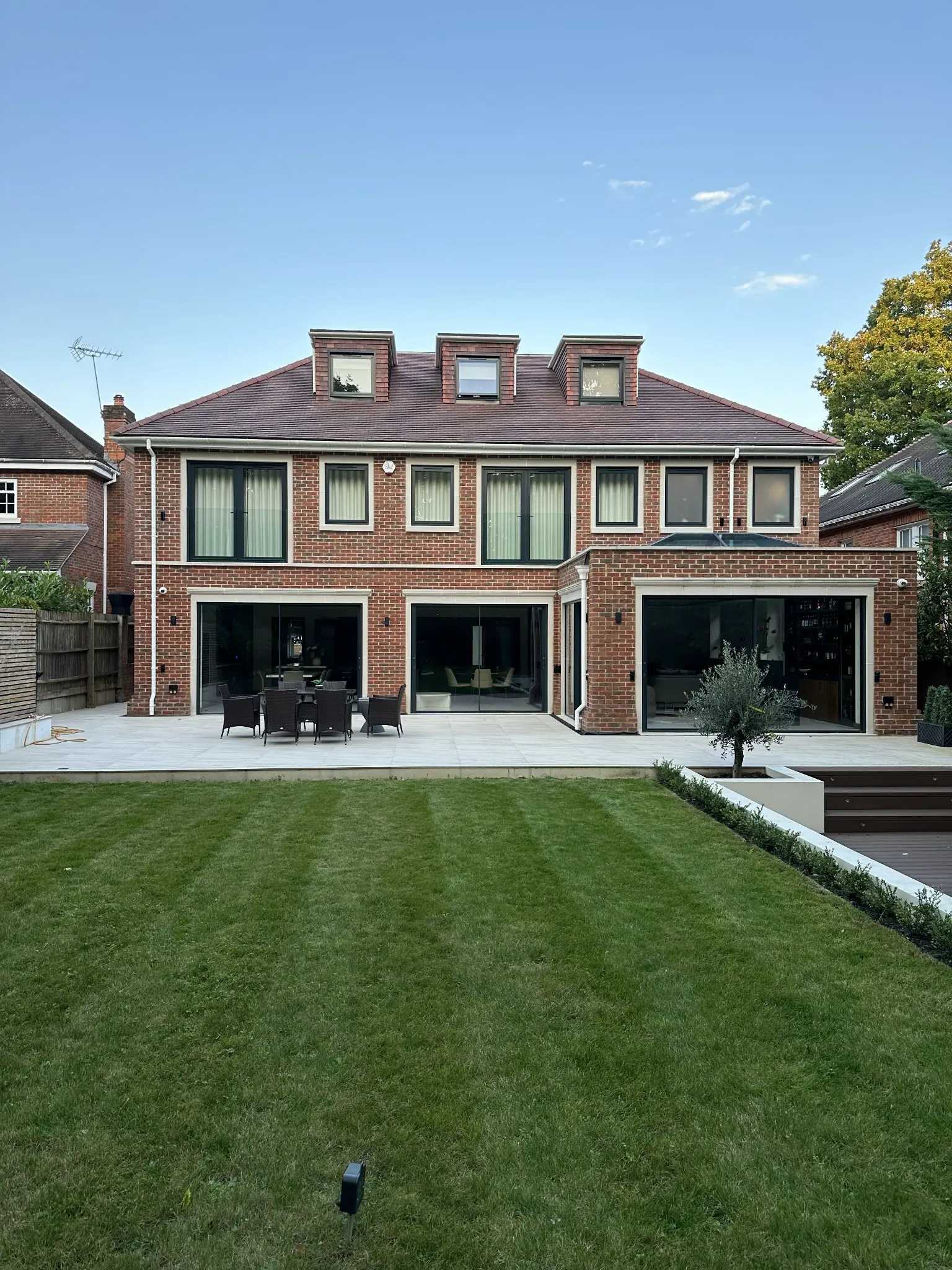
Structural glass walls, often referred to as frameless glass walls or glass curtain walls, represent a pinnacle of modern architectural design. They offer an unparalleled connection to the outdoors, flooding interiors with natural light and creating a sense of expansive space. For UK homeowners considering such a dramatic and elegant addition, understanding the technicalities, benefits, and regulatory landscape is crucial. This comprehensive guide will delve into everything you need to know about integrating structural glass into your home.
What Are Structural Glass Walls?
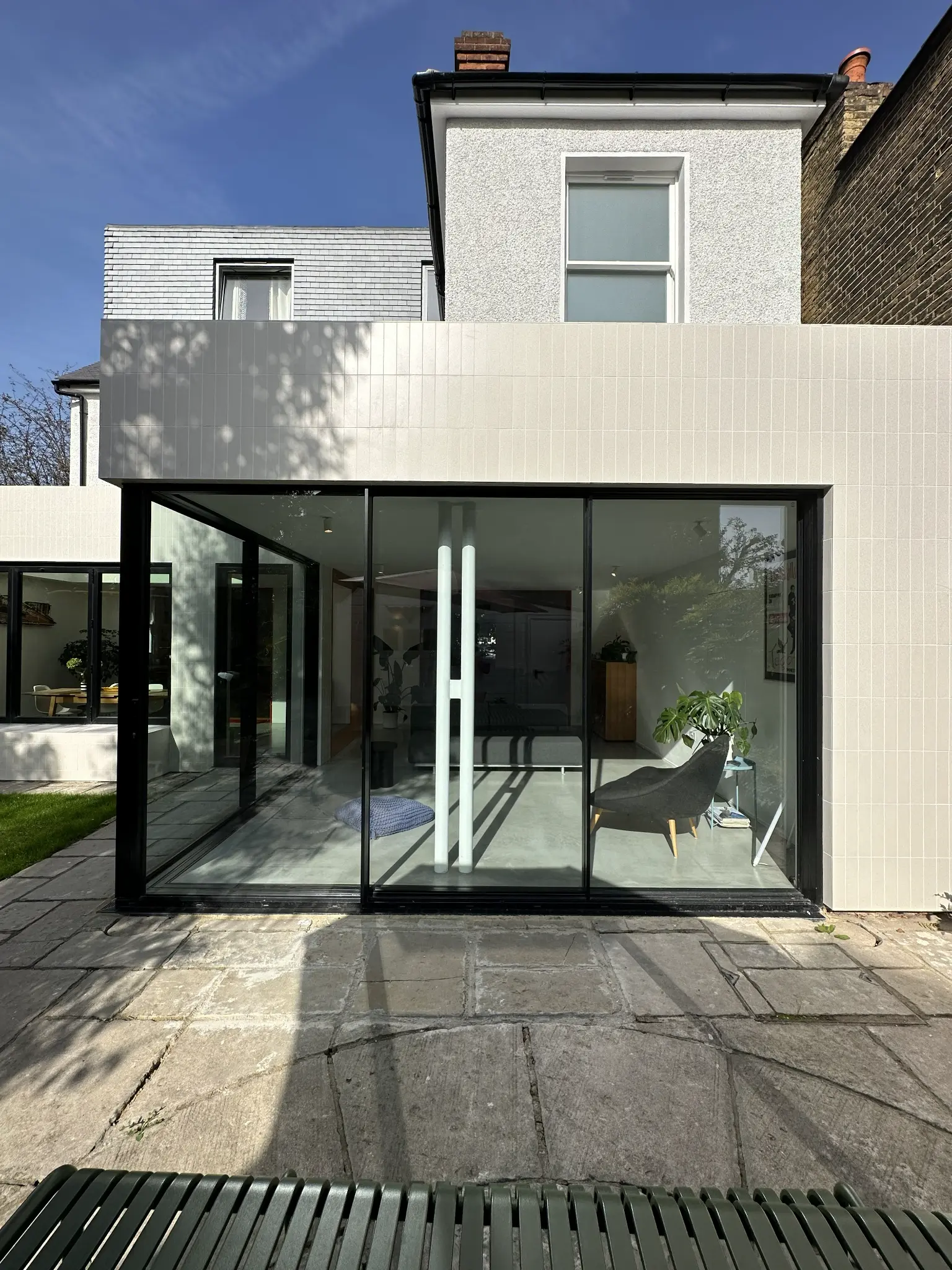
At its core, a structural glass wall is a glazing system where the glass itself forms part of the building's structural integrity, or is supported by a minimal, discreet framework that is often hidden or recessed. Unlike traditional window systems where glass panes are set into robust frames (e.g., uPVC, aluminium, timber), structural glass relies on specialist fixings, silicone joints, and often, the inherent strength and rigidity of the glass itself to bear loads and resist external forces like wind.
Key Characteristics:
- Minimal Framing: The defining feature is the absence of visible frames, or the use of extremely slender, recessed, or point-fixed supports.
- High Transparency: Maximises natural light and views, creating a seamless transition between indoor and outdoor spaces.
- Engineered Solutions: Each structural glass installation is typically a bespoke engineering project, designed to meet specific site conditions and structural requirements.
- Specialist Glass: Often involves laminated or toughened (tempered) glass, sometimes with multiple layers and interlayers, to ensure safety and structural performance.
Types of Structural Glass Systems
While the term 'structural glass' is broad, several common systems achieve the frameless aesthetic:
1. Point-Fixed Glazing (Spider Glazing)
This system uses stainless steel 'spider' fittings that bolt through holes in the corners of the glass panels, attaching them to a secondary support structure (e.g., steel fins, cables, or trusses). The gaps between panels are sealed with weather-resistant silicone. This is common for large facades and can create impressive, uninterrupted glass surfaces.
2. Fin-Supported Glazing
Here, vertical or horizontal glass fins (often laminated or toughened) are used as structural elements to support the main glass panels. These fins are perpendicular to the main facade and transfer wind loads back to the primary building structure. The main panels are typically butt-jointed with silicone.
3. Structural Silicone Glazing (SSG)
In SSG systems, the glass panels are adhesively bonded to a hidden frame or support structure using high-strength structural silicone sealant. This creates a completely flush, frameless exterior appearance, as the frames are only visible from the interior. This is particularly popular for curtain walling.
4. Glass Beams and Columns
For truly ambitious designs, glass can be used not just as infill, but as the primary structural element itself – forming beams, columns, or even entire roof structures. This requires highly specialised laminated glass and advanced engineering.
UK Building Regulations and Technical Considerations
Installing structural glass walls in the UK requires careful adherence to Building Regulations, particularly concerning structural integrity, thermal performance, and safety. It is always advisable to consult with a structural engineer and your local Building Control body early in the design process.
1. Structural Integrity (Part A: Structure)
The glass must be capable of withstanding all anticipated loads, including its own weight, wind loads, and any imposed loads (e.g., from snow or maintenance access). This typically necessitates the use of toughened (tempered) or laminated glass, or a combination. Calculations will be required by a qualified structural engineer to determine glass thickness, type, and fixing methods.
2. Thermal Performance (Part L: Conservation of Fuel and Power)
This is a critical area for large expanses of glazing. Structural glass walls must meet stringent U-value requirements to minimise heat loss. For new builds, the U-value for windows/doors is 1.2 W/m²K. For replacement glazing, it's 1.4 W/m²K. Achieving these values with minimal framing often means:
- Double or Triple Glazing: Essential for thermal performance.
- Low-Emissivity (Low-E) Coatings: Applied to glass surfaces to reflect heat.
- Warm Edge Spacers: Used between glass panes to reduce thermal bridging.
- Argon or Krypton Gas Fills: Injected into the cavity between panes to improve insulation.
The overall U-value of the entire wall system (including fixings and seals) must be considered.
3. Safety Glazing (Part K: Protection from Falling, Collision and Impact)
Any glazing in critical locations (e.g., doors, side panels, low-level glazing, or overhead glazing) must be safety glass. This typically means toughened glass (which shatters into small, relatively harmless pieces) or laminated glass (which holds together when broken). Overhead glazing, in particular, almost always requires laminated glass to prevent shards from falling.
4. Fire Safety (Part B: Fire Safety)
In certain situations, fire-rated structural glass may be required, particularly in commercial settings or multi-storey residential buildings, to provide compartmentation or protected escape routes. This involves specialist intumescent interlayers or coatings.
5. Weather Tightness
The design must ensure robust sealing against water and air ingress. High-performance silicone sealants and careful detailing around junctions are paramount to prevent leaks and draughts.
Pro Tip
When planning a structural glass wall, engage a specialist glazing contractor and structural engineer early in the design phase. Their expertise will be invaluable in navigating the technical challenges and ensuring compliance with all UK Building Regulations. Don't underestimate the importance of detailed design and precise installation.
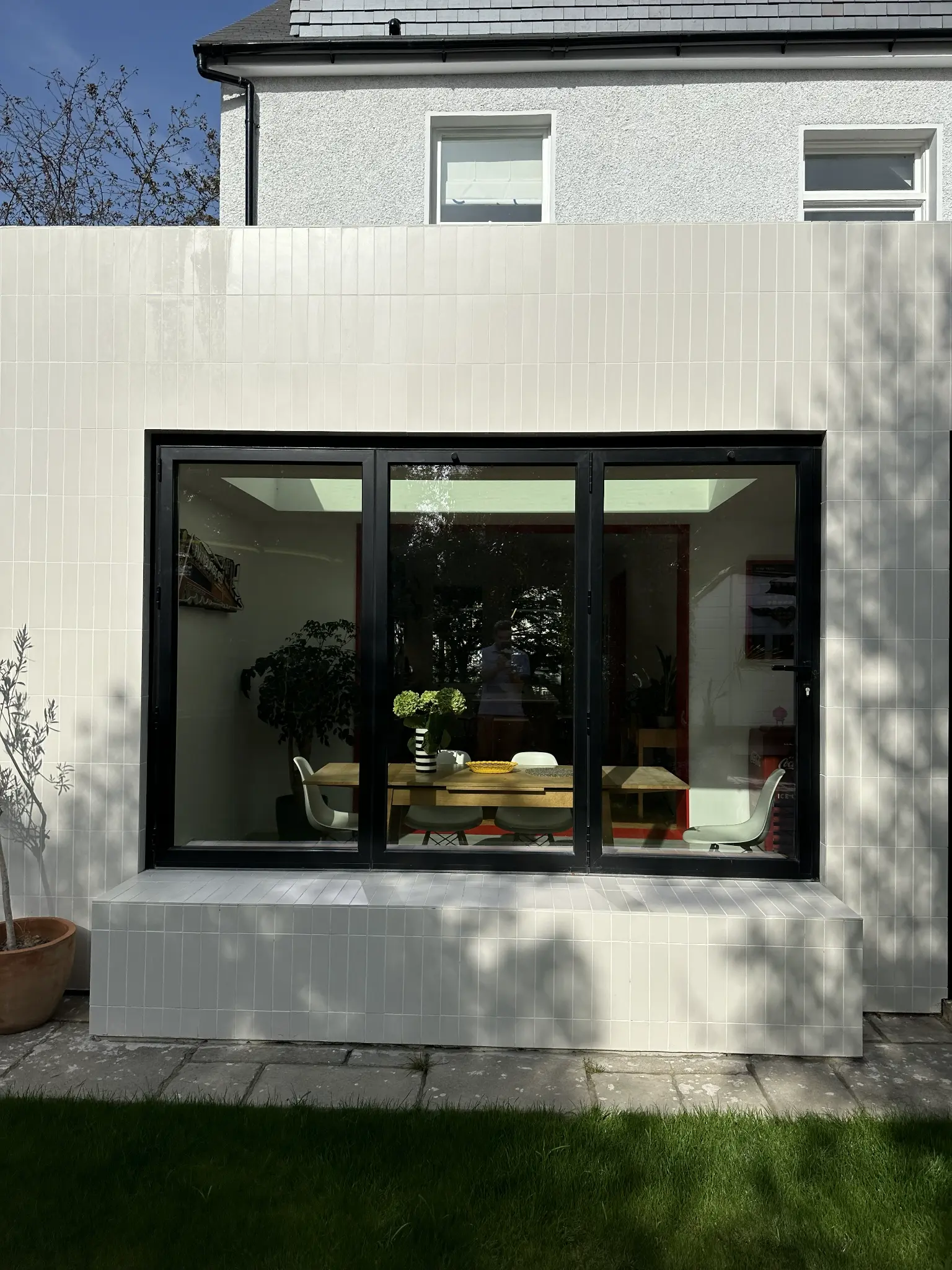
Benefits of Structural Glass Walls
Enhanced Natural Light
Structural glass maximises daylight penetration, reducing the need for artificial lighting and creating brighter, more inviting living spaces. This can also have positive impacts on well-being.
Uninterrupted Views
By minimising frames, these systems offer panoramic, unobstructed views of your garden, landscape, or city skyline, blurring the lines between indoor and outdoor environments.
Modern Aesthetic Appeal
Structural glass walls provide a sleek, contemporary, and sophisticated look that can dramatically enhance the architectural appeal and perceived value of a property.
Sense of Space
The transparency and lack of visual barriers create an illusion of greater space, making smaller rooms feel larger and more open.
Considerations and Potential Drawbacks
While stunning, structural glass walls are not without their challenges:
1. Cost
Structural glass systems are typically more expensive than conventional framed glazing due to the bespoke engineering, specialist glass, and complex installation processes. Costs can vary significantly based on size, complexity, and glass specification.
2. Thermal Performance vs. Solar Gain
While modern glazing can achieve excellent U-values, large south-facing glass walls can still lead to significant solar gain in summer, potentially causing overheating. Solutions include solar control coatings, external shading (e.g., brise soleil), or internal blinds.
3. Privacy
The transparency that is a key benefit can also be a drawback when privacy is desired. Solutions include switchable smart glass, integrated blinds, or careful landscaping.
4. Cleaning and Maintenance
Large expanses of glass, especially in hard-to-reach areas, can be challenging and costly to clean, particularly in urban environments where dirt and grime accumulate quickly.
5. Condensation
While modern double and triple glazing significantly reduces condensation, it can still occur on very cold surfaces, especially in areas with high internal humidity. Proper ventilation is key.
6. Acoustic Performance
While good quality double glazing offers reasonable sound insulation, very high levels of acoustic performance may require specialist laminated acoustic glass, which adds to the cost.
Specifications Comparison: Structural vs. Standard Glazing
Here's a simplified comparison to highlight the differences:
| Feature | Structural Glass Wall | Standard Framed Glazing (e.g., Aluminium) |
|---|---|---|
| Aesthetic | Minimalist, frameless, seamless views | Visible frames, defined sections |
| Structural Support | Glass itself, point fixings, glass fins, structural silicone | Rigid frames (uPVC, aluminium, timber) |
| Typical Glass Type | Toughened, laminated, often thicker (e.g., 10mm, 12mm, 15mm+) | Toughened or laminated (e.g., 4mm, 6mm) |
| Thermal Performance (U-value) | Can achieve excellent U-values (e.g., 1.2 W/m²K) with specialist glazing | Good U-values (e.g., 1.2-1.4 W/m²K) with standard double/triple glazing |
| Installation Complexity | High; bespoke engineering, specialist installers | Moderate; standard fitting procedures |
| Cost Range | Higher (premium product) | Moderate to high |
| Maintenance | Requires specialist cleaning for large areas | Easier to clean, frames may need occasional attention |
Conclusion and Expert Advice
Structural glass walls offer a truly transformative element to any UK home, bringing light, space, and a striking contemporary aesthetic. However, their successful integration demands meticulous planning, expert design, and precise execution. Understanding the technical requirements, particularly concerning UK Building Regulations for structural integrity and thermal performance, is paramount.
For homeowners embarking on such a project, it is essential to:
- Consult Professionals: Engage a reputable structural engineer and a specialist glazing contractor with proven experience in structural glass systems from the outset.
- Review Building Regulations: Ensure your chosen system fully complies with Part A (Structure), Part L (Thermal Performance), and Part K (Safety Glazing) of the UK Building Regulations. Remember the current U-value for new build windows/doors is 1.2 W/m²K, and 1.4 W/m²K for replacements.
- Consider Lifecycle Costs: Factor in not just the initial installation cost, but also potential cleaning, maintenance, and any necessary solar control measures.
- Prioritise Quality: Given the structural nature and high visibility, compromising on glass quality, fixings, or installation expertise is not advisable.
By carefully considering these aspects, a structural glass wall can become a breathtaking and enduring feature of your home, delivering both aesthetic pleasure and functional benefits for years to come.
If you're considering structural glass walls for your UK property, Shard AG specialises in the design, supply, and installation of high-performance glazing solutions. Our team of experts can guide you through every stage of your project, ensuring compliance with all regulations and delivering a stunning, bespoke result tailored to your architectural vision.
Explore Our Products
Discover how Shard Architectural Glazing can transform your home with our premium glazing solutions:
Ready to Transform Your Home?
Get in touch with our expert team for a free consultation and personalised quote. We'll help you choose the perfect glazing solution for your property.